
Savannah glamping offers a unique way to experience the wild beauty of the Georgia coast without sacrificing the comforts of a boutique hotel. By blending the immersive nature of the salt marshes with luxury amenities, glamping allows travelers to wake up to the sound of herons and the rustle of palmettos. Whether you are situated near the historic district or closer to the Atlantic waves, these elevated outdoor stays provide a memorable alternative to traditional lodging.
The Lowcountry Glamping Experience
Glamping in the Savannah area is defined by the unique geography of the Coastal Empire. Instead of mountain vistas, you are treated to views of winding tidal creeks, expansive salt marshes, and ancient maritime forests. Typical accommodations in this region include safari-style canvas tents elevated on wooden platforms, vintage trailers with modern interiors, or even luxury yurts tucked under a canopy of live oaks.
Most glamping sites focus on providing a high level of comfort, featuring real mattresses, high-quality linens, and often climate controlâa crucial feature given the Georgia humidity. Many locations also offer private fire pits and outdoor lounge areas where you can enjoy the coastal evenings. The goal is to provide a 'slow-country' experience where the barrier between you and the environment is minimized, but your comfort is maximized. This style of travel is perfect for those who want to hear the cicadas and the distant ocean tide while still enjoying a hot shower and a plush bed at the end of the day.
Top Areas for Glamping Near Savannah
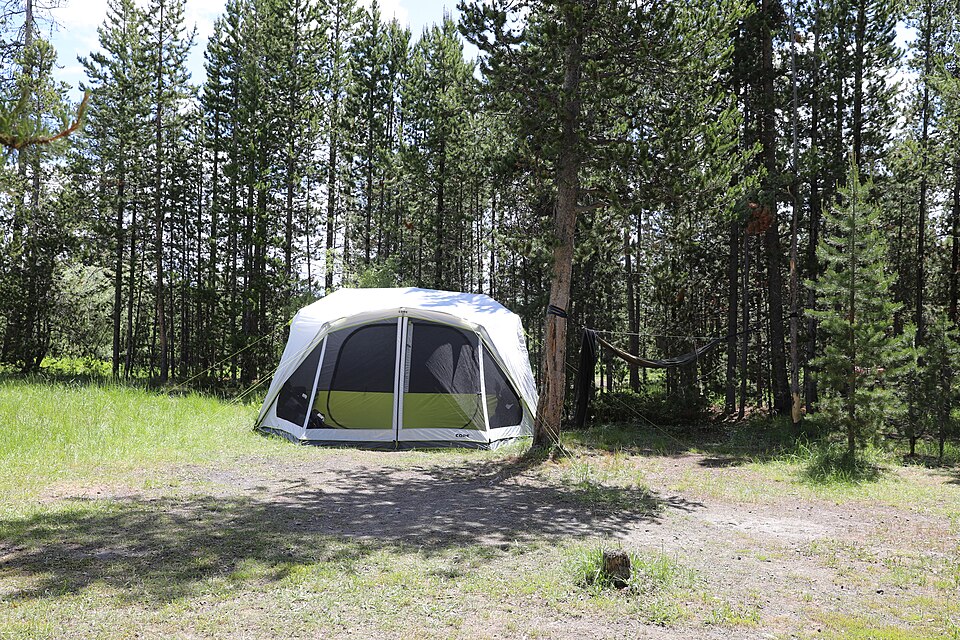
While you won't find glamping sites in the middle of the historic squares, several gateway areas offer excellent proximity to the city. Tybee Island is a premier location for coastal glamping, where you can find setups that allow for easy beach access and views of the Atlantic. The sound of the waves providing a backdrop for a night under canvas is a highlight for many visitors.
Another popular area is Skidaway Island, located just south of the city. Known for its state park and lush maritime forests, this area provides a more secluded, wooded glamping experience. The proximity to salt marshes makes it a haven for birdwatchers and hikers. Additionally, the Richmond Hill area offers riverside glamping opportunities along the Ogeechee River, providing a freshwater alternative to the coastal sites. These locations allow you to spend your days exploring Savannah's historic district and your nights in a quiet, natural sanctuary just twenty to thirty minutes away. Always check official park or local government sites for seasonal availability and permit requirements.
Glamping vs. Traditional Camping and RVing
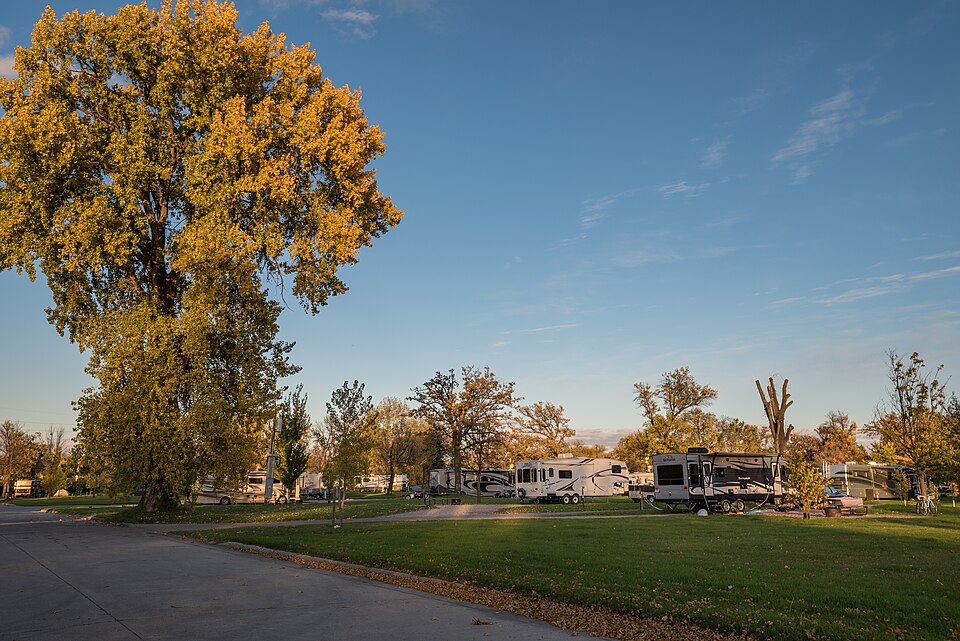
Choosing between glamping, traditional camping, and RVing in Savannah depends on your desired level of immersion and effort. Traditional camping is available at sites like Skidaway Island State Park, offering a budget-friendly way to stay in nature, but requires bringing all your own gear and dealing with the local insect population. RVing is a very popular option in the Lowcountry, with several well-equipped parks offering full hookups and community amenities, though it requires navigating the narrow streets of the historic district if you don't have a secondary vehicle.
Glamping sits in the sweet spot for travelers who want the outdoor experience without the logistics of hauling gear or a large vehicle. It is particularly appealing in the Savannah climate because most glamping units are designed to handle the heat and insects better than a standard tent. While traditional camping might cost significantly less, the convenience and luxury of a glamping site often justify the higher daily budgetâusually around two hundred and forty dollars when factoring in meals and activities. Glamping provides a turnkey solution for an outdoor adventure.
Best Seasons for an Outdoor Stay
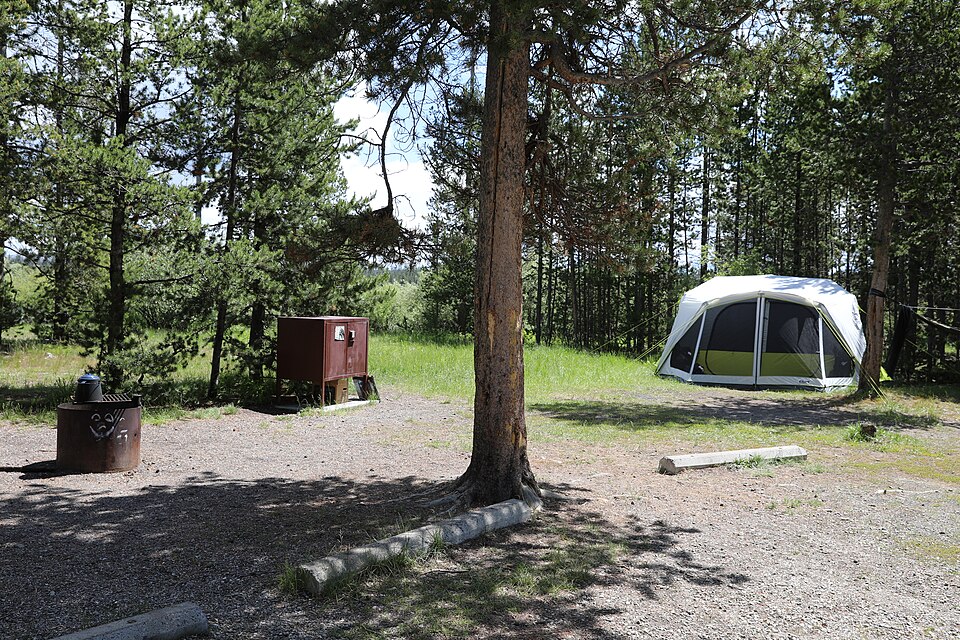
Timing is everything when planning a Savannah glamping trip. The most desirable windows are the spring (March through May) and the fall (September through November). During these months, the temperatures are moderate, and the humidity is at its most manageable, making an outdoor-centric stay incredibly pleasant. Spring glamping offers the added bonus of seeing the coastal wildflowers in bloom, while fall provides crisp evenings perfect for a campfire.
Summer glamping can be more challenging due to the intense heat and the presence of gnats and mosquitoes, which are prevalent in the salt marshes. If you choose to glamp in the summer, ensure your accommodation has robust air conditioning and screening. Winter glamping is quite cozy and often much more affordable, with daytime temperatures that are perfect for hiking and evenings that are just cold enough to make a fire feel necessary. Regardless of the season, always check the weather forecast for coastal storms, especially during hurricane season, and consult the official Georgia State Parks website for any seasonal advisories or campfire restrictions that might be in place.
Preparing for Your Coastal Glamping Trip
When packing for a glamping trip in the Savannah area, prioritize versatility. Even in luxury accommodations, you are closer to the elements. Breathable, moisture-wicking clothing is a must for exploring the marshes, and a light jacket is often needed for breezy coastal evenings. High-quality insect repellent is essential, as the 'no-see-ums' (small biting gnats) can be active near the water.
Since most glamping sites are located in ecologically sensitive areas, bring eco-friendly sunscreens and soaps. It is also wise to bring a good pair of binoculars for birdwatching right from your deck. While your site will likely provide the basics, checking with your specific host about kitchen facilities or local dining proximity is helpful. Many glampers choose to pick up fresh seafood from local markets on Tybee Island or in Savannah to cook over their fire pit. By preparing for the specific environmental conditions of the Lowcountry, you can ensure that your luxury outdoor stay is both comfortable and deeply connected to the unique rhythms of the Georgia coast. Remember to respect the local wildlife and follow all 'Leave No Trace' principles during your stay.