
Choosing the best time to visit Savannah is a matter of balancing the city's famous floral displays with the humidity of the Lowcountry. While the Hostess City is a year-round destination, the shoulder seasons of spring and fall provide the most comfortable climate for walking the historic district's twenty-two squares. Visitors should prepare for a mix of coastal breezes and southern sunshine that defines this corner of Georgia.
Springtime Blooms and Peak Season
Spring is widely considered the best time to visit Savannah, specifically from March through May. During this window, the city transforms into a botanical masterpiece as thousands of azaleas burst into vibrant pinks and whites across the historic squares and Forsyth Park. The canopy of live oaks, draped in silvery Spanish moss, provides a lush backdrop for the seasonal blooms. Temperatures are typically mild, ranging from the mid-60s to the low 80s, making it ideal for long walking tours or riverfront strolls.
However, this beauty draws significant crowds. The weeks surrounding Saint Patrickâs Day are particularly busy, as the city hosts one of the largest celebrations in the country. If you plan to visit during this peak period, expect higher lodging rates and a need for dining reservations weeks in advance. Despite the crowds, the fragrance of jasmine in the air and the comfortable humidity levels make spring the most iconic time to experience the city's outdoor charm.
Fall: A Second Season of Comfort
As the intense heat of summer wanes, September through November offers a wonderful secondary peak for travelers. The oppressive humidity begins to lift, and the coastal air turns crisp, especially in the evenings. Fall in Savannah is characterized by clear blue skies and temperatures that hover in the comfortable 70s. This is an excellent time for exploring the nearby salt marshes or taking a short drive to Tybee Island for a beach day without the mid-summer sunburn risks.
Outdoor festivals frequently populate the fall calendar, celebrating local food, film, and heritage. While the spring flowers are gone, the golden light of autumn filtering through the oak trees creates a moody, romantic atmosphere perfect for photography. Travelers should remain aware that this period overlaps with the latter half of the Atlantic hurricane season; while direct hits are rare, it is wise to monitor weather forecasts and check official NPS or local government sites for any coastal advisories before heading out.
Navigating the Southern Summer Heat
Summer in Savannah, lasting from June through August, is defined by intense heat and high humidity. Daily temperatures frequently soar into the 90s, and the moisture in the air can make it feel significantly hotter. Afternoon thunderstorms are a staple of the season, providing brief but heavy relief from the sun. While the weather is challenging, summer is a popular time for families who split their time between the cityâs historic sites and the cooling waters of the Atlantic coast.
To make the most of a summer visit, plan your outdoor activities for the early morning or late evening. The mid-day hours are best spent in the city's many museums or shaded cafes. If you are venturing to the outlying trails or the Savannah National Wildlife Refuge, bring plenty of water and insect repellent, as the coastal mosquitoes are particularly active in the heat. Lodging prices may be slightly more competitive than in the spring, but the physical demand of the heat is a significant factor to consider.
Lock in a stay for this season
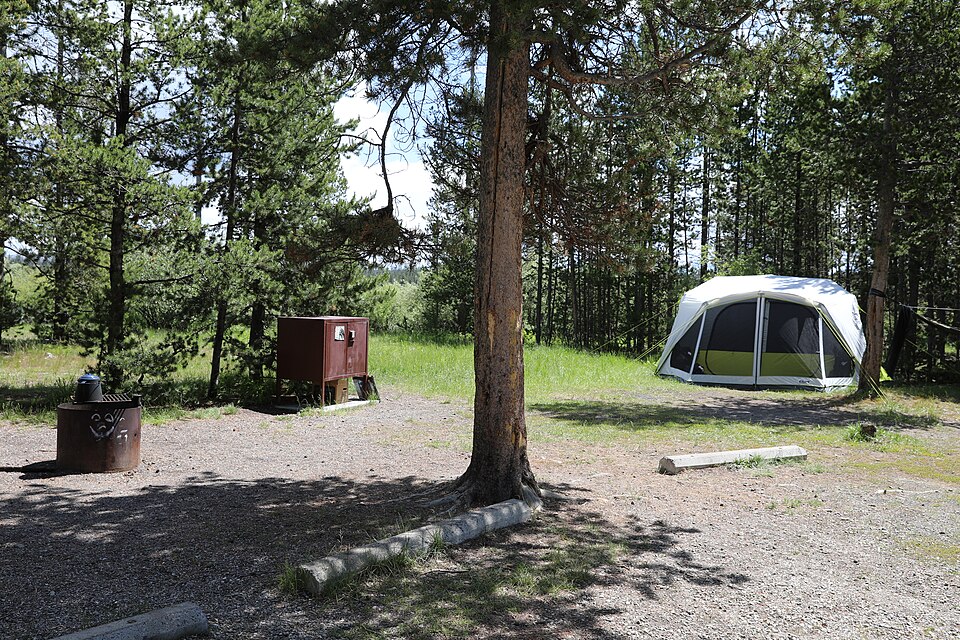
Harvest Hosts stays on the way to Savannah
Partner link · Harvest Hosts
Winter's Quiet Charm and Mild Days
Winter in Savannah is remarkably mild compared to northern climates, with daytime highs often reaching the 50s or 60s. While January and February are the coldest months, freezing temperatures are infrequent. The city is much quieter during this time, offering a more intimate experience for those who wish to explore the historic district without the bustle of large tour groups. The lack of foliage on some trees provides a different perspective on the intricate ironwork and architecture of the historic mansions.
Even in winter, the moss-draped oaks remain green, maintaining the city's verdant aesthetic. This is the most budget-friendly time to visit, with lower rates at many boutique inns and hotels. It is a season for cozying up in historic taverns or enjoying a brisk walk along River Street. Though you won't be swimming at Tybee Island, the coastal views remain stunning, and the lack of crowds allows for peaceful reflection at sites like Bonaventure Cemetery or the various marsh overlooks.
Reservation Timing and Crowd Management
Regardless of when you choose to visit, timing your reservations is key to a smooth Georgia getaway. For spring visits, particularly during the azalea bloom or major holidays, booking accommodations six months in advance is highly recommended. Savannahâs historic inns are small and fill up quickly. If your schedule is flexible, mid-week visits during the fall or winter offer the best balance of availability and quietude.
Always check the official City of Savannah or Georgia State Parks websites for the most current information on local events that might impact traffic or park access. For those planning to visit the nearby Savannah National Wildlife Refuge or Fort Pulaski National Monument, checking the NPS site for seasonal hours and trail conditions is essential. Proper planning ensures that you can enjoy the cityâs slow-paced charm without the stress of unexpected closures or sold-out tours. Be sure to account for a rough daily budget of two hundred and forty dollars to cover dining, entry fees, and transportation within this historic coastal hub.
More ways to book Savannah
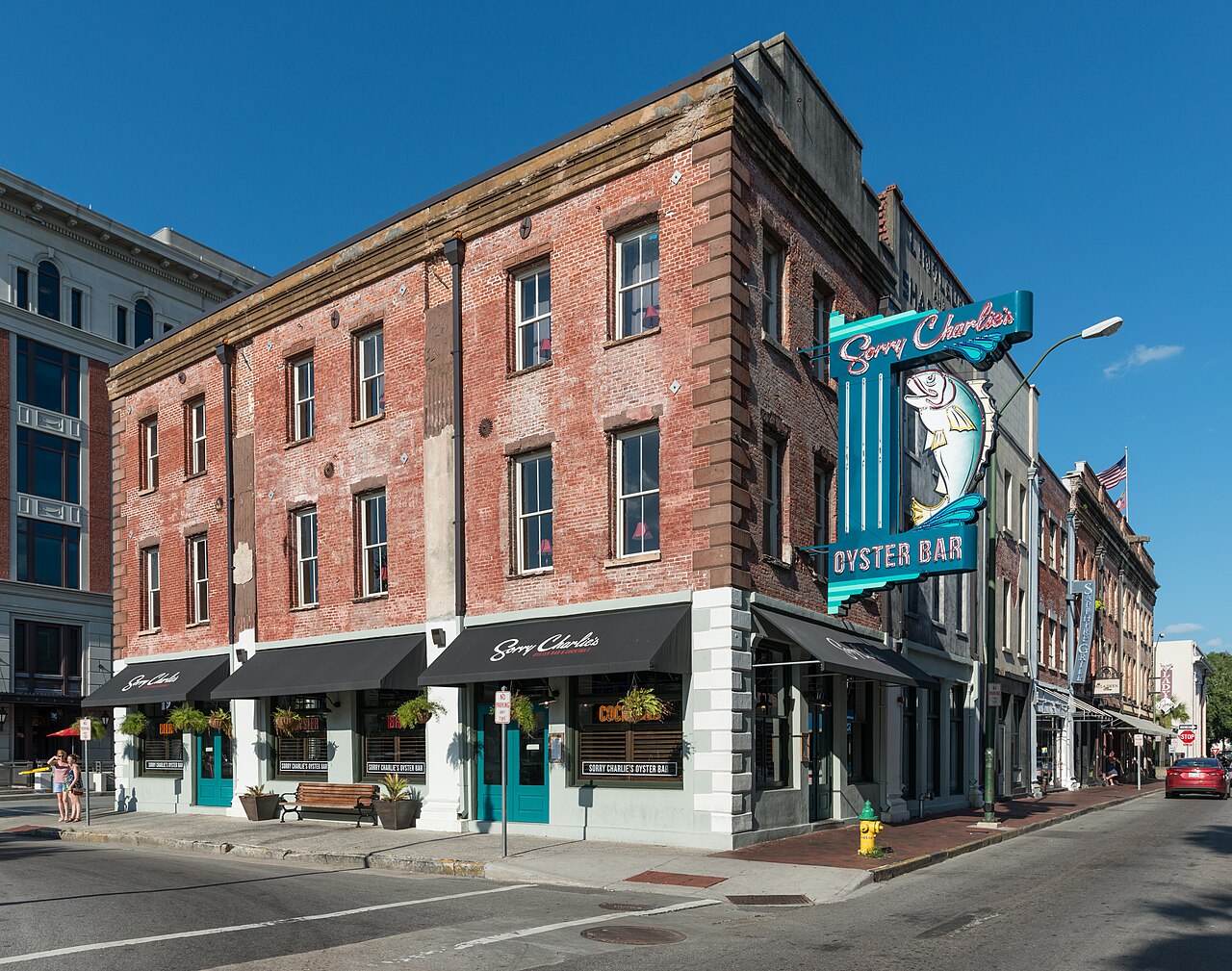
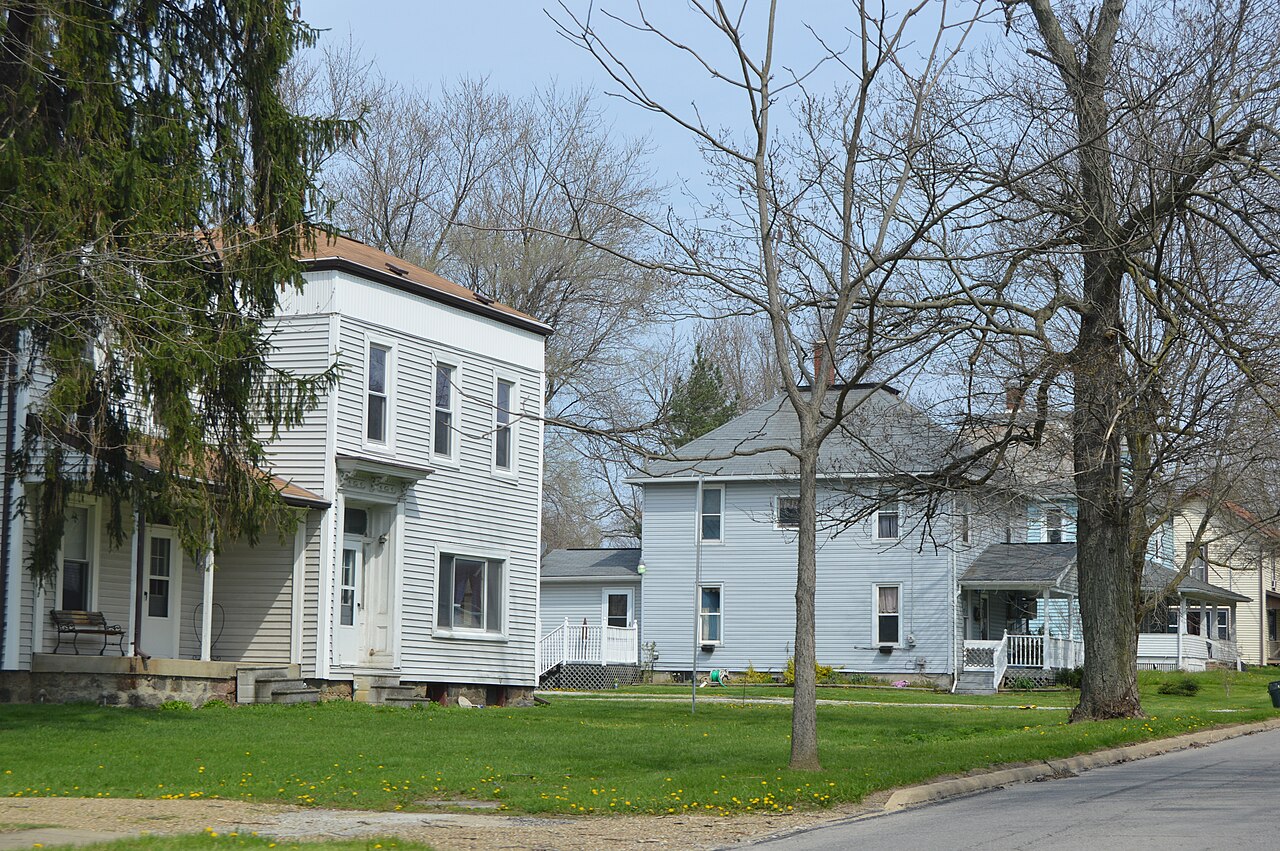 Illustrative · Nyttend
Bonaventure Cemetery Tour
One of the classic ways to experience Savannah.
Varies (estimate)
Partner link · Viator