
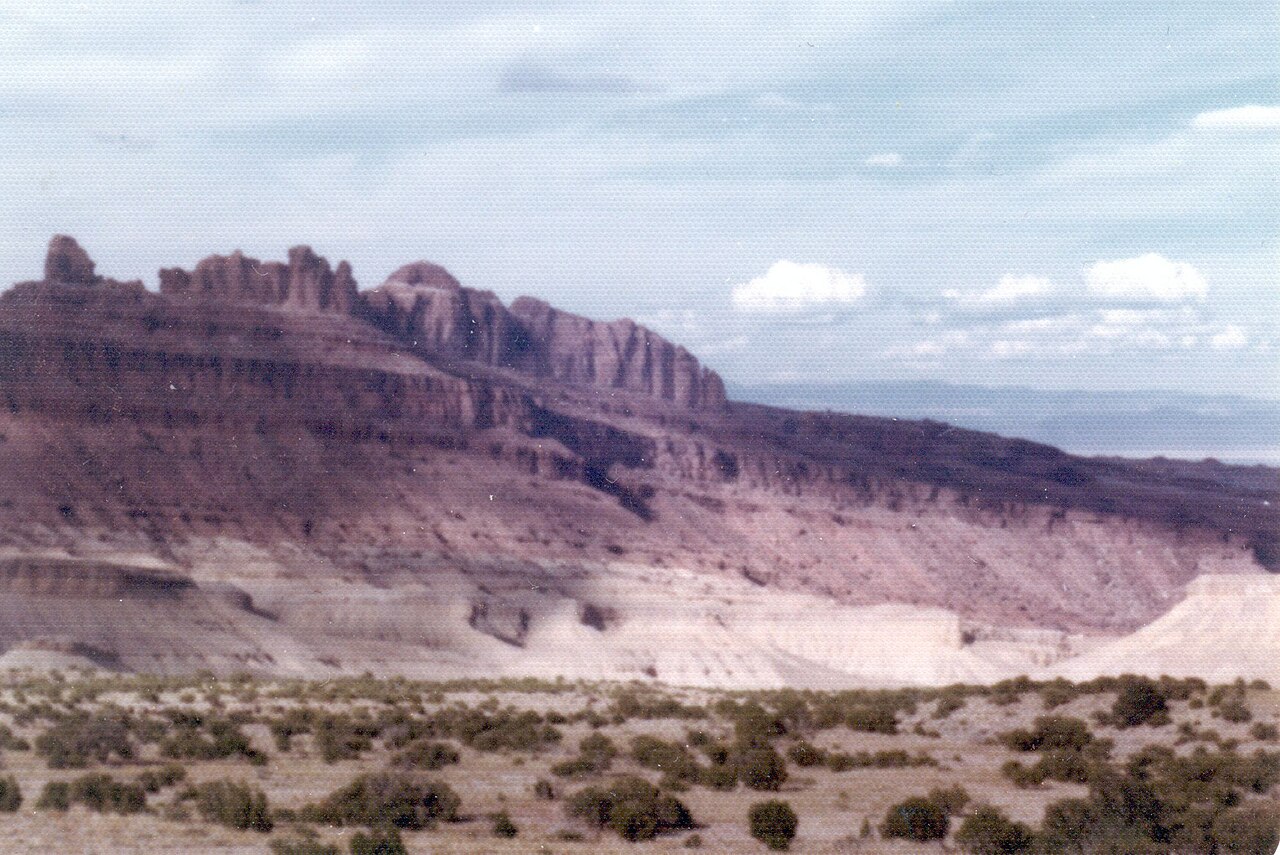
The San Rafael Swell is a massive geological feature in Central Utah, often described as a 'giant jagged tooth' emerging from the earth. This wilderness area offers a rugged alternative to the more crowded National Parks, featuring a labyrinth of deep canyons, towering mesas, and some of the best-preserved prehistoric rock art in North America. Whether you are a dedicated hiker, a history buff, or a family looking for a desert adventure, the Swell provides an endless array of outdoor opportunities.
Hike Through Iconic Slot Canyons
For many, the primary draw of the region is the chance to navigate its narrow, winding slot canyons. The most famous of these is the Little Wild Horse and Bell Canyon loop. This trail is relatively accessible and provides the quintessential 'slotted' experience, where the sandstone walls reach hundreds of feet high and narrow to just a few feet wide in places. It is a fantastic introduction to desert hiking for those who are comfortable with light scrambling over small boulders.
Beyond the famous loops, the Swell is home to more technical canyons that require specialized gear and skills. Canyons such as Crack Canyon offer stunning geological formations and 'subway' sections where the walls curve inward. Hikers should always be aware of the weather, as slot canyons are extremely dangerous during rain. Always check the official NPS site for Goblin Valley State Park nearby, as they often have the most current regional weather alerts and trail conditions for the surrounding BLM lands.
Witness Ancient Rock Art in Buckhorn Wash
The San Rafael Swell is a cultural treasure trove, containing some of the most significant pictograph and petroglyph panels in the Southwest. The Buckhorn Wash Pictograph Panel is a must-see, featuring massive Barrier Canyon Style figures that date back thousands of years. These haunting, life-sized red figures are remarkably well-preserved and easily accessible from the main road, making it an excellent stop for those interested in the prehistoric inhabitants of the Colorado Plateau.
As you explore the wash, you can also find evidence of more recent history, including inscriptions from early pioneers and explorers. It is vital to remember that these sites are fragile and irreplaceable. Visitors should never touch the rock art, as oils from human skin can damage the ancient pigments. Staying on designated paths and observing from a distance ensures that these incredible archaeological records remain intact for future generations to appreciate and study.
Take in the Views at 'The Little Grand Canyon'
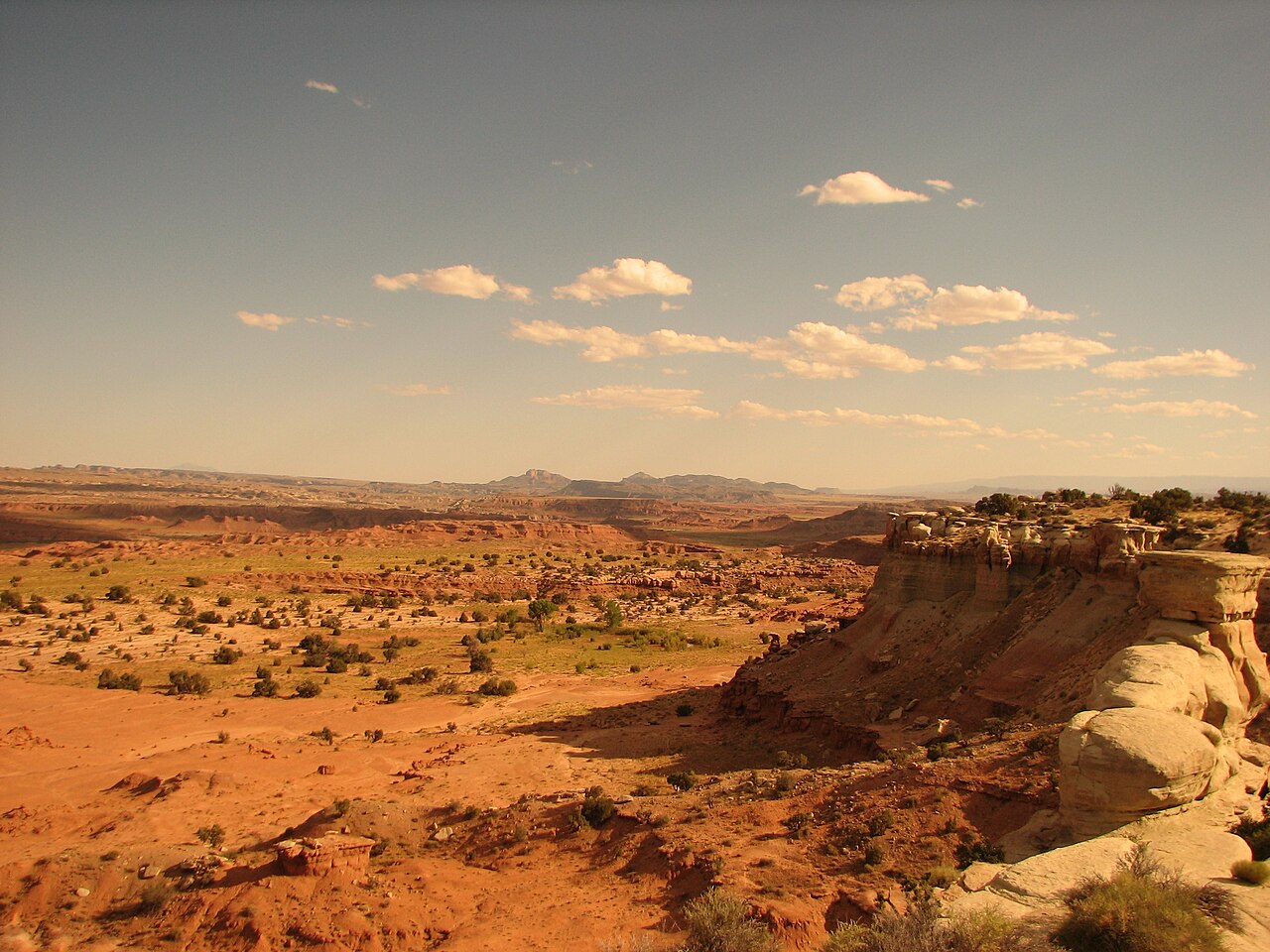
The Wedge Overlook provides one of the most breathtaking vistas in Utah, earning it the nickname 'The Little Grand Canyon.' From the rim, you can look down over a thousand feet to the San Rafael River as it meanders through a deep, multi-layered gorge. The scale is immense, and the play of light and shadow across the canyon walls at sunset is truly spectacular. There are several primitive campsites along the rim, allowing visitors to wake up to one of the best views in the state.
For those who want to get closer to the water, a drive down into the canyon itself offers access to the San Rafael River. Depending on the season and water levels, the river can be used for flat-water paddling or simply as a cool place to rest during a hot day. The area around the swinging bridge is a popular spot for picnicking and photography, providing a different perspective of the towering cliffs that define the Swellâs interior.
Desert Adventures for Families and Kids
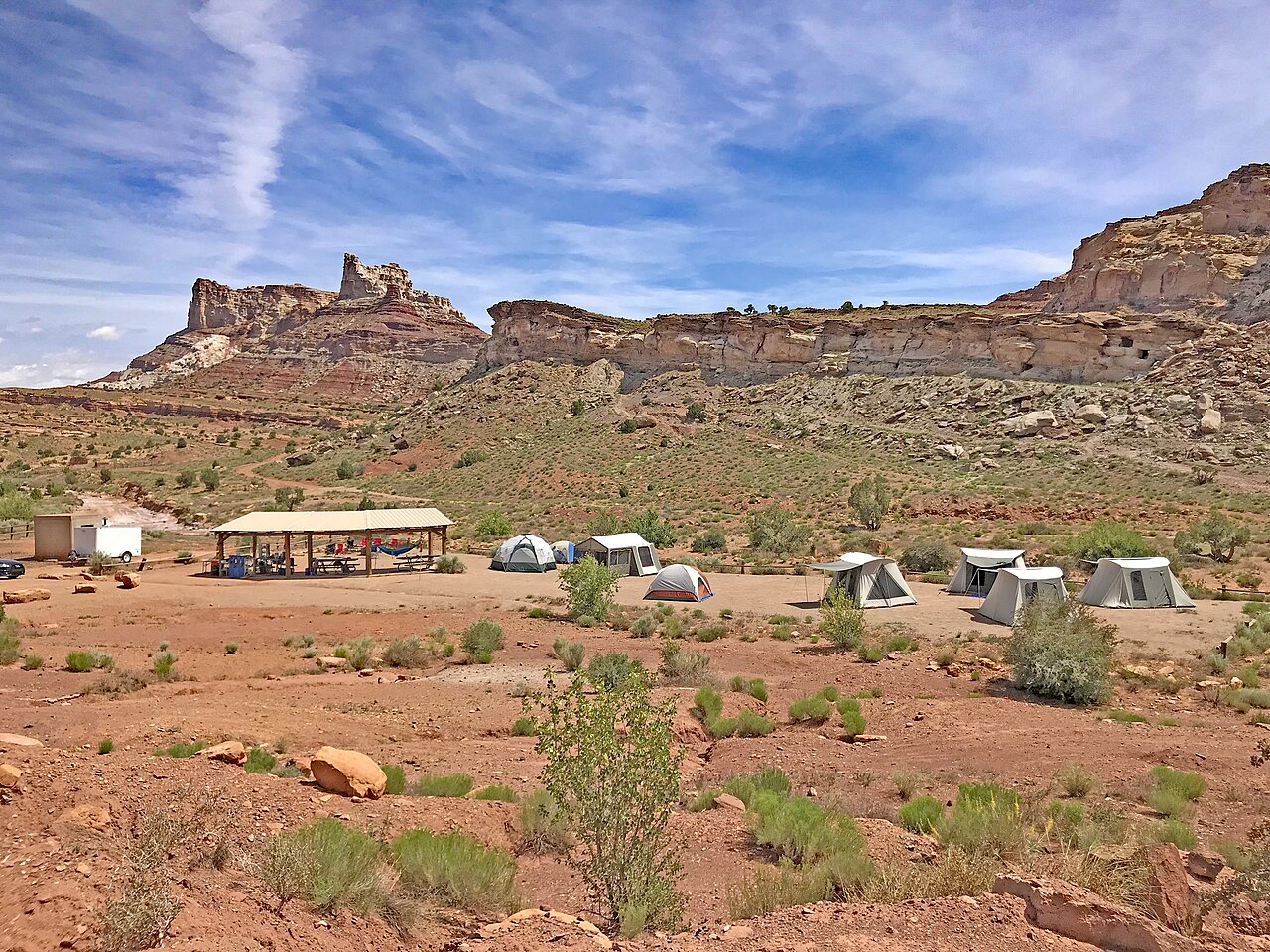
Families traveling with children will find plenty of engaging activities in the San Rafael Swell that don't require strenuous mountain climbing. A visit to the nearby Goblin Valley State Park is a highlight for kids, where they can run among thousands of mushroom-shaped rock formations known as 'hoodoos.' The park feels like a giant natural playground, and the lack of designated trails in the valley floor allows for creative exploration and hide-and-seek games among the rocks.
Back in the Swell, shorter walks to sites like the Rochester Panel offer a chance for kids to see 'dinosaur tracks' and ancient carvings without a long trek. Educational opportunities abound as you discuss the geology and desert ecology of the area. Remember to keep a close eye on children near canyon rims and always carry plenty of snacks and water. The lack of cell service and amenities makes every outing a true adventure, so preparation is key to keeping the little ones happy and safe.
Scenic Drives and Off-Road Exploration
If you prefer to see the sights from the comfort of a vehicle, the San Rafael Swell features miles of scenic backcountry roads. The Buckhorn Draw Road is a graded gravel route that takes you through the heart of the Swell, passing by the pictograph panels and through towering red rock corridors. For those with high-clearance, four-wheel-drive vehicles, the Temple Mountain area provides access to more rugged trails that lead to abandoned uranium mines and remote overlooks that few tourists ever see.
Off-roading is a popular pastime here, but it is critical to stay on designated routes to protect the fragile desert crust. The soil in this region is alive with biological crusts that prevent erosion and support plant life; one tire track can take decades to heal. Always carry a physical map or a downloaded GPS guide, as digital navigation can be unreliable in the deep canyons. Scenic driving is also a great option for rainy days, though you should be wary of low-lying areas that may flood.