
Timing your trip to the San Rafael Swell is essential for a safe and enjoyable desert experience, as the high-elevation desert environment of Central Utah experiences dramatic shifts in temperature throughout the year. Most travelers prefer the shoulder seasons when the scorching summer heat has faded and the biting winter winds have yet to arrive. Because this area is managed primarily by the Bureau of Land Management rather than as a National Park, services are limited, making weather awareness a critical component of trip planning.
Springtime Bloom and Mild Temperatures
Spring is widely considered the best time to visit San Rafael Swell, particularly from late March through May. During these months, daytime temperatures typically hover in the comfortable 60s and 70s, providing the ideal climate for long hikes into deep slot canyons or mountain biking across the rugged mesas. The desert landscape comes alive with bursts of color as claret cup cacti, desert paintbrushes, and globemallow begin to bloom against the stark red sandstone.
However, spring travelers should be prepared for the famous Utah winds, which can kick up dust storms that reduce visibility and make tent camping a bit of a challenge. It is also the season when snowmelt from the nearby Wasatch Plateau can increase water levels in the San Rafael River. If you plan on exploring deep canyons like Little Wild Horse, always check the local forecast for potential flash floods, which can occur even if it is not raining directly overhead.
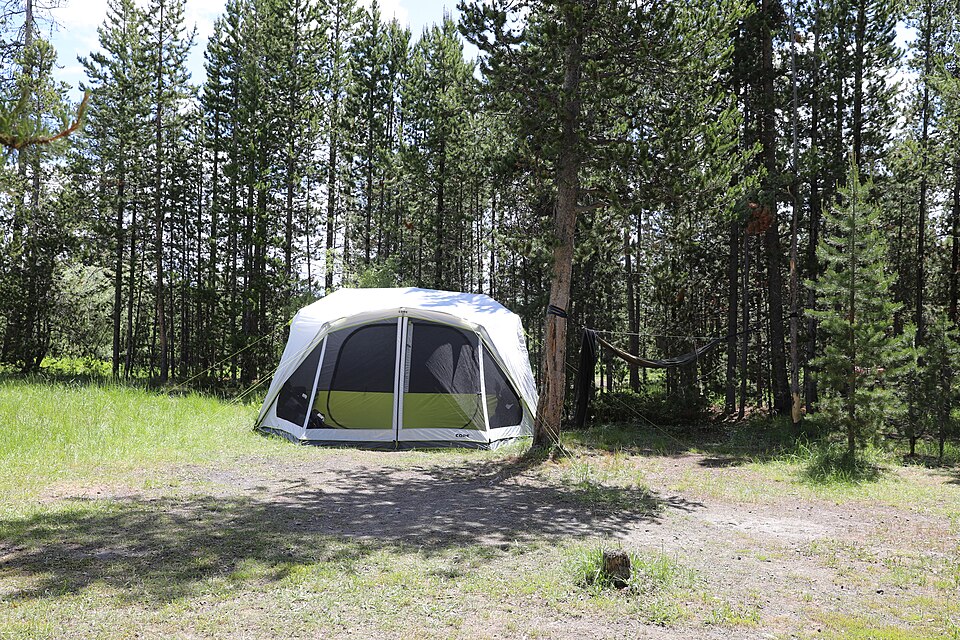
Lock in a stay for this season
RV parks near San Rafael Swell on RoverPass
Partner link · RoverPass
The Golden Hues of Autumn
Autumn, spanning from September through late October, offers perhaps the most stable weather for backcountry exploration. The intense summer monsoon rains usually taper off by mid-September, leading to crisp, clear days and nights that are perfect for stargazing in this internationally recognized dark sky region. The cottonwood trees lining the riverbanks turn a brilliant shade of gold, contrasting beautifully against the deep vermilion canyon walls.
One of the primary advantages of a fall visit is the cooler evening temperatures, which make for cozy campfire sessions and comfortable sleeping conditions in a camper or tent. As the days grow shorter, the low angle of the sun illuminates the rock art panels of Buckhorn Wash with a warm, soft glow that is perfect for photography. Unlike the spring, the winds are generally calmer, though you should still be prepared for sudden temperature drops once the sun dips below the canyon rims.
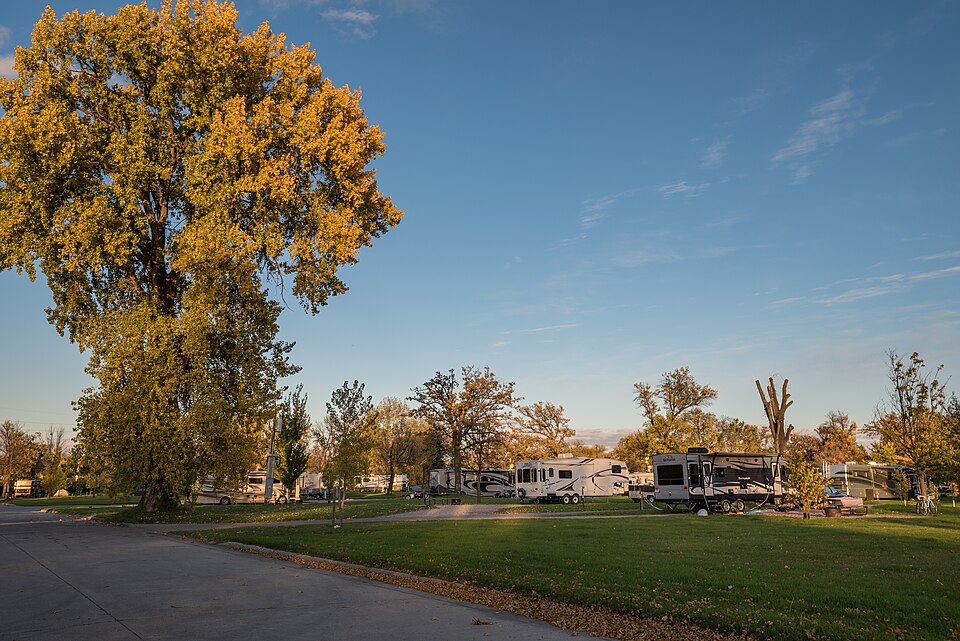
Lock in a stay for this season
Campsites near San Rafael Swell on Campspot
Partner link · Campspot
Summer Heat and Monsoon Risks
Visiting the San Rafael Swell during June, July, and August requires careful preparation and a high tolerance for heat. Temperatures frequently soar above 100 degrees Fahrenheit, and shade is notoriously difficult to find in the vast, open expanses of the desert. During this time, outdoor activities are best limited to the very early morning hours or late evenings. The risk of heat exhaustion is significant, and visitors must carry far more water than they think they will need.
Summer is also the peak of the monsoon season. Sudden afternoon thunderstorms can transform dry washes into roaring torrents of mud and debris within minutes. These flash floods are extremely dangerous for anyone caught in a slot canyon. While the lightning displays over the desert can be spectacular from a safe distance, summer travel requires constant vigilance of the weather radar. Many locals recommend avoiding the deeper canyons entirely during active storm cycles to ensure safety.
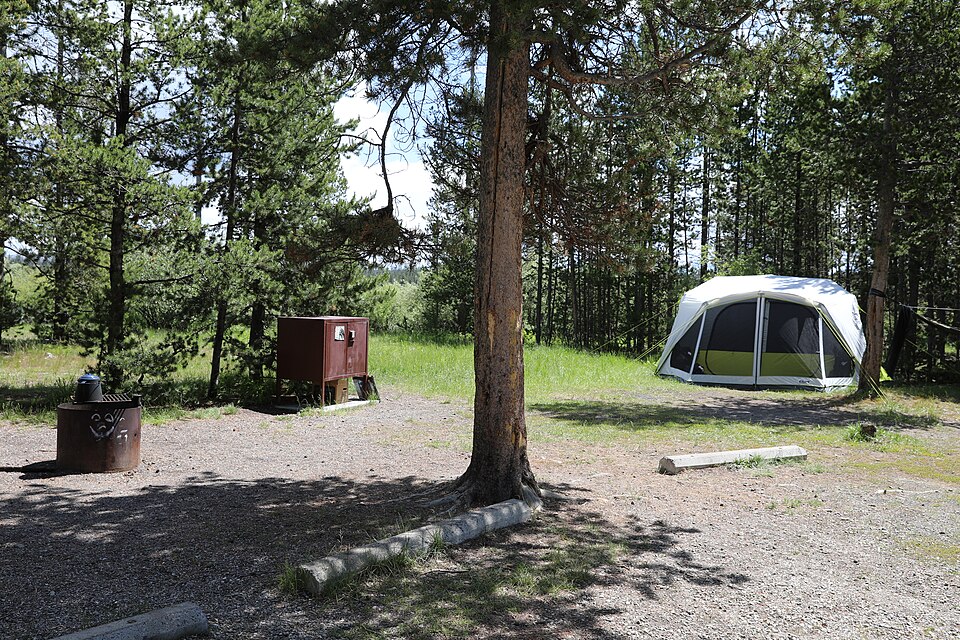
Lock in a stay for this season
Harvest Hosts stays on the way to San Rafael Swell
Partner link · Harvest Hosts
Winter Solitude and Snowy Peaks
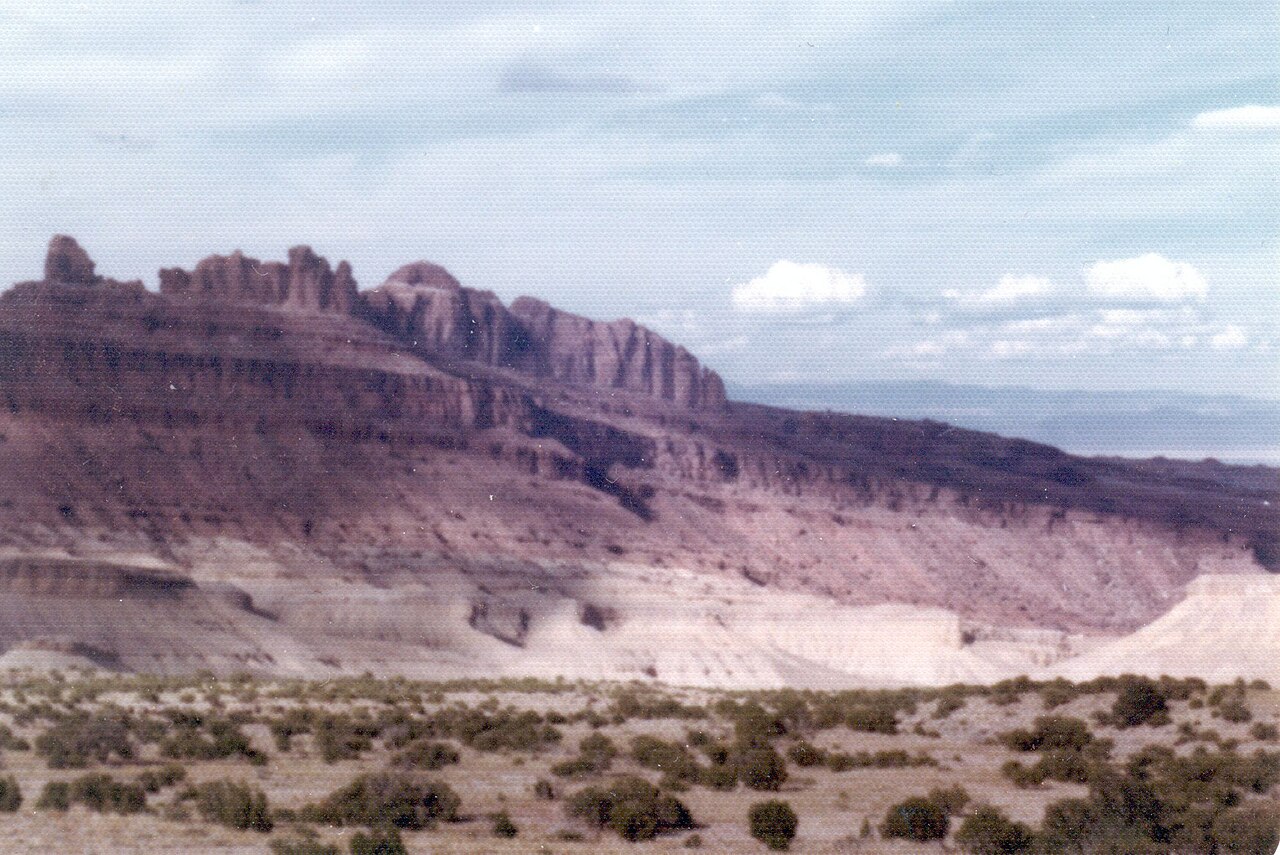
Winter in the Swell is a time of profound silence and solitude, but it is not for the faint of heart. From December through February, temperatures often drop well below freezing at night, and snow can coat the red rocks in a thin layer of white, creating a surreal and beautiful landscape. While the main access roads like the Buckhorn Draw Road are often passable, side roads can become impassable mud traps known as 'grease' when the snow melts during the day.
For those who are well-equipped with cold-weather gear and four-wheel drive, a winter trip offers the chance to see the geological features without another soul in sight. Most of the vault toilets and developed trailheads remain open, but water sources may be frozen solid. It is a season for short walks and scenic drives rather than multi-day backpacking trips. Always check with the local BLM office or the official NPS site for nearby Goblin Valley for current road conditions before heading out.
Reservations and Crowd Management
One of the greatest draws of the San Rafael Swell is the lack of a formal reservation system for most of its backcountry areas. Unlike the nearby National Parks, you generally do not need a permit for day hiking or primitive camping. However, the developed campgrounds, such as those near the Wedge Overlook or the San Rafael River, can fill up quickly during the peak weekends of April and October. If you are planning a trip during these high-demand windows, it is wise to arrive early on a Thursday or Friday to secure a spot.
For those seeking absolute quiet, visiting mid-week during the shoulder seasons is the best strategy. Even during the busiest times, the sheer size of the Swellâcovering nearly a million acresâmeans that you can almost always find a secluded spot if you are willing to drive a bit further into the interior. Be sure to check the official BLM websites for any temporary closures or new permit requirements for specific sensitive areas like high-use rock art sites.
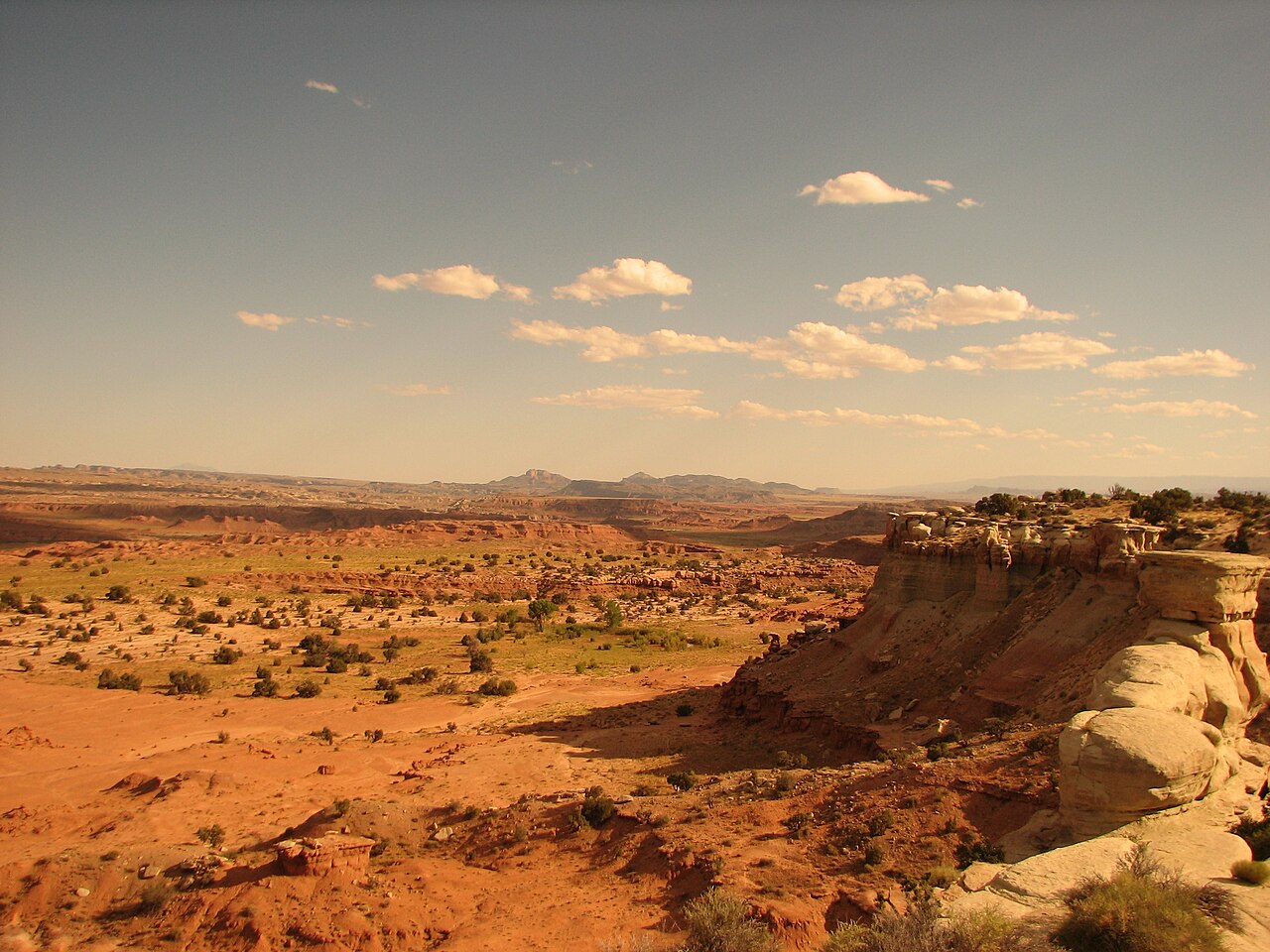
More ways to book San Rafael Swell
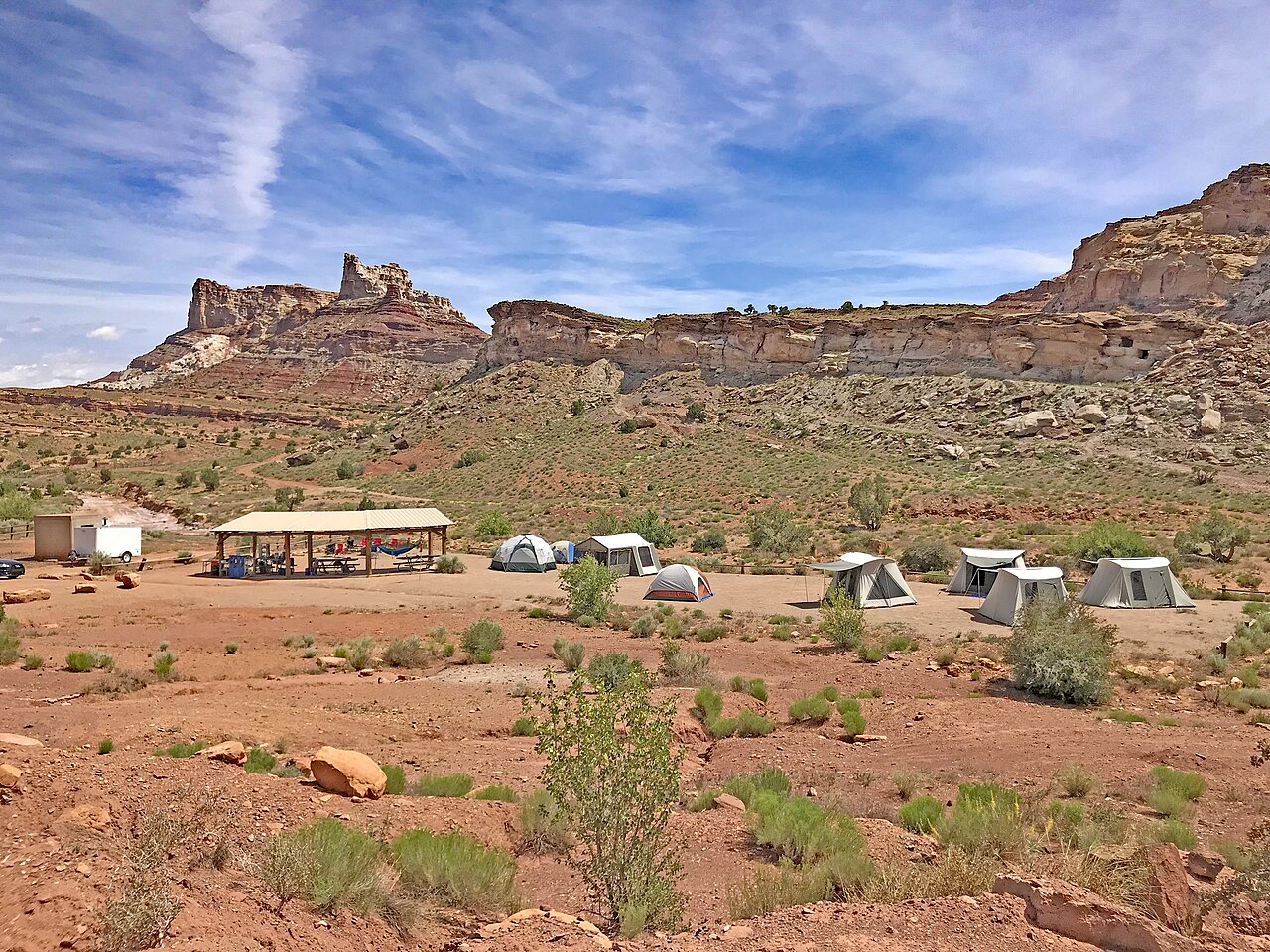 Illustrative · BLMUtah
Black Dragon Canyon
One of the classic ways to experience San Rafael Swell.
Varies (estimate)
Partner link · Viator