
The San Juan Mountains are often described as the 'Switzerland of America' for their steep, jagged peaks and deep, verdant valleys. This region offers a rugged playground for outdoor enthusiasts, ranging from world-class alpine hiking to historic mining history. Whether you are seeking the adrenaline of a high-altitude pass or the relaxation of a natural hot spring, the variety of things to do in San Juan Mountains ensures that every traveler finds their perfect mountain escape.
Iconic Hiking Trails and Alpine Lakes
Hiking is undoubtedly one of the premier things to do in San Juan Mountains. The region is famous for its stunning alpine lakes, with the Ice Lakes Basin near Silverton standing out as a crown jewel. The hike is challenging, gaining significant elevation, but rewards visitors with incredibly vivid blue water surrounded by jagged peaks. For those looking for something slightly less strenuous but equally beautiful, the Blue Lakes trail near Mount Sneffels offers breathtaking views of turquoise water against a backdrop of volcanic spires.
When hiking in the San Juans, it is important to remember the fragile nature of the alpine tundra. Stay on marked trails to protect the delicate flora that takes decades to grow. Many of these hikes start at high elevations, so acclimating in town for a day or two is a wise strategy. Always carry plenty of water, high-energy snacks, and layers of clothing, as weather can shift from hot sun to freezing rain in a matter of minutes. The sense of accomplishment after reaching a high mountain pass in this range is unmatched anywhere else in Colorado.
Scenic Drives and the Million Dollar Highway
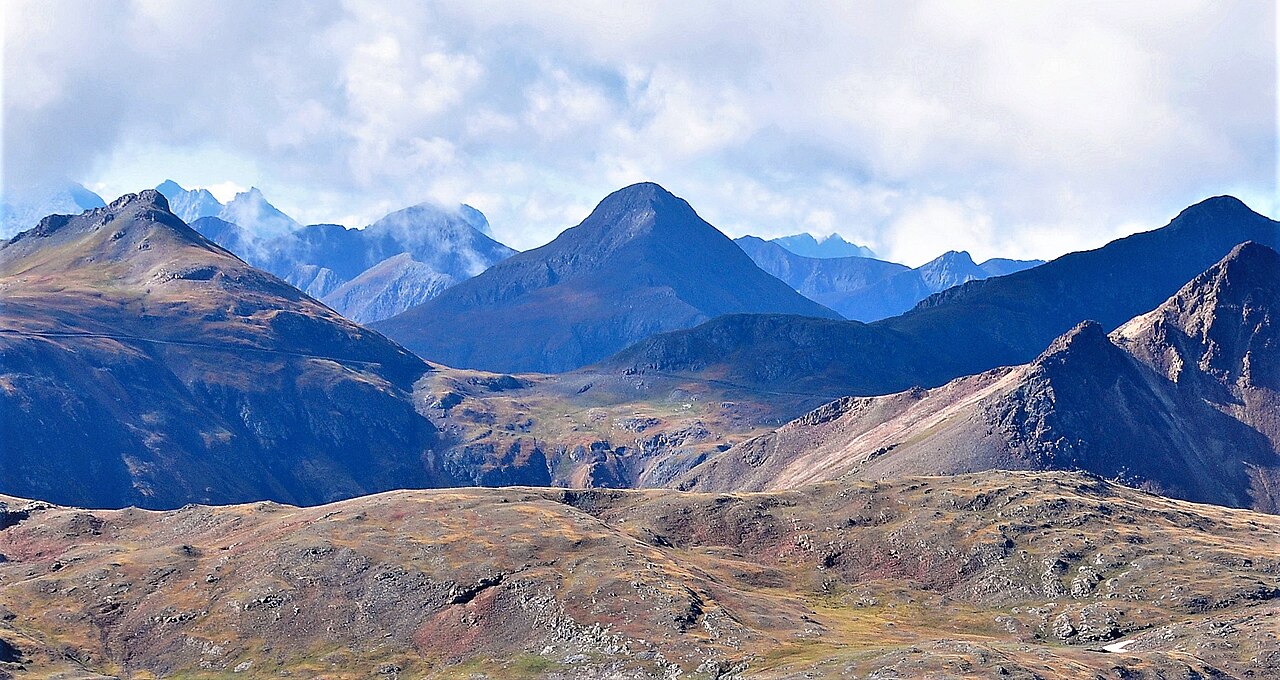
For those who prefer to see the mountains from the comfort of their vehicle, the San Juan Skyway is a must. A significant portion of this loop is the famous Million Dollar Highway, which connects the towns of Silverton and Ouray. This stretch of U.S. Route 550 is renowned for its hairpin turns, steep drop-offs, and lack of guardrails, offering some of the most dramatic driving scenery in the United States. You will pass through Red Mountain Pass, where the mountainsides are stained a deep crimson by mineral deposits.
There are numerous pull-offs along the way where you can stop to photograph old mining structures and cascading waterfalls. The drive is particularly stunning in the autumn when the aspens are turning, but it requires a focused driver and a vehicle in good working order. If you have a high-clearance 4x4 vehicle, the region is also home to legendary off-road routes like Alpine Loop, which connects Silverton, Lake City, and Ouray through high-altitude passes like Engineer and Cinnamon Pass. These backcountry roads provide access to ghost towns and vistas that few others get to see.
Exploring Historic Mining Towns
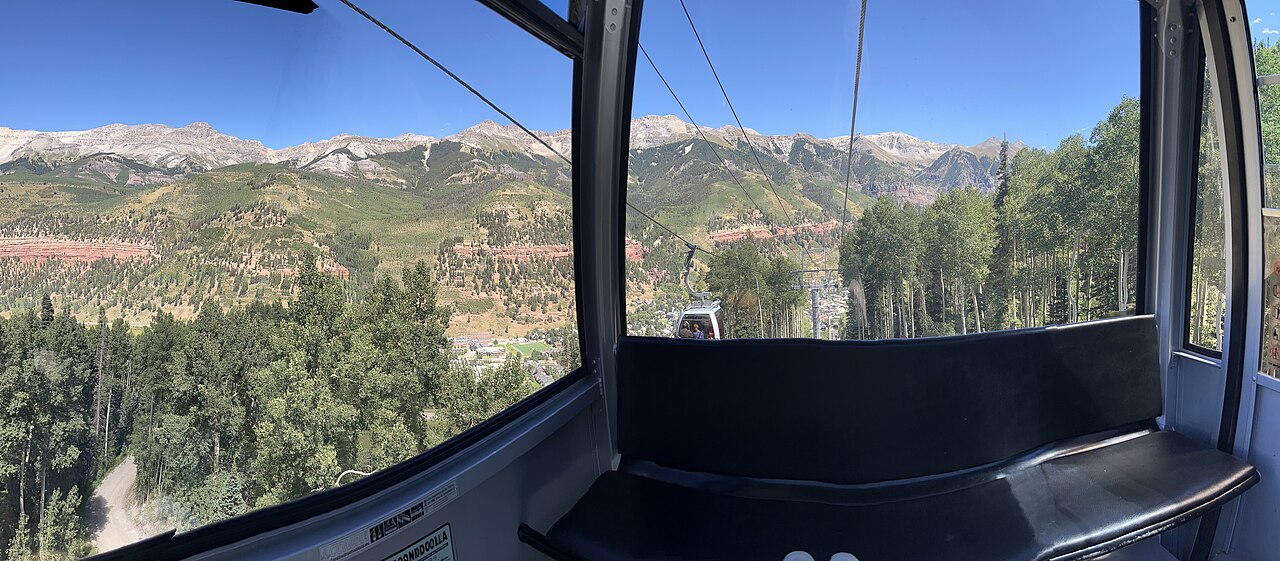
The history of the San Juan Mountains is deeply rooted in the mining boom of the late 19th century. Visiting the towns of Silverton, Ouray, and Telluride is like stepping back in time. Silverton retains a gritty, authentic frontier feel with its dirt side streets and Victorian-era architecture. You can take a tour of an old gold mine to learn about the hardships faced by the miners who built these communities. Telluride, tucked into a box canyon, offers a more polished experience with high-end dining and a free gondola that provides spectacular views of the valley.
Ouray, known as the 'Switzerland of America,' is famous for its natural hot springs. After a long day of hiking or driving, soaking in the mineral-rich waters while surrounded by towering cliffs is a quintessential San Juan experience. Each town has its own unique character and serves as a gateway to different parts of the range. Wandering through the local museums and historic districts is one of the best things to do in San Juan Mountains on a rainy afternoon or a recovery day between hikes.
Waterfalls and Family-Friendly Activities
Families visiting the San Juan Mountains will find plenty of activities that are accessible for children. In Ouray, the Box Canyon Falls Park offers a short, dramatic walk to a 285-foot waterfall that crashes through a narrow quartzite canyon. It is a thrilling sight that requires very little hiking. Another great family activity is a ride on the Durango & Silverton Narrow Gauge Railroad. This historic steam train winds through the remote wilderness of the Animas River Canyon, providing views that are inaccessible by car.
For a more relaxed pace, many of the mountain parks offer fishing in clear streams or gentle walks through aspen groves. In the summer, the town of Telluride hosts numerous festivals ranging from film to bluegrass, many of which have family-oriented programming. Even simple activities like searching for marmots and pikas in the rock fields above the treeline can be an exciting adventure for younger explorers. The natural beauty of the area provides a wonderful classroom for children to learn about geology, ecology, and Western history.
Safety and Environmental Stewardship
While exploring the many things to do in San Juan Mountains, safety should always be a top priority. The high altitude means the sun is much stronger, and dehydration can occur quickly. It is also important to be aware of the symptoms of altitude sickness, especially if you are traveling from sea level. Always check the official NPS or Forest Service websites for the most current information on trail conditions, especially in early summer when snow may still block paths.
Practicing Leave No Trace principles is essential to keeping this wilderness pristine for future generations. Pack out all trash, stay on trails, and respect wildlife by keeping a safe distance. The San Juan Mountains are home to black bears, elk, and mountain lions, so proper food storage and awareness are necessary when camping or hiking in remote areas. By being prepared and respectful of the environment, you ensure a positive experience for yourself and the local community. Budgeting for local guides or specialized gear rentals can also enhance your trip and provide expert insight into the region's unique landscape.