
Choosing the best time to visit San Juan Mountains depends entirely on your passion for high-altitude scenery. This rugged range in Southwest Colorado offers a distinct personality with every season, from the lush alpine meadows of July to the golden aspen groves of late September. Because many of the most famous passes sit above 10,000 feet, timing is critical for access to hiking trails and scenic mountain roads that remain snowbound well into the early summer months.
Summer Wildflowers and Peak Hiking
Summer is widely considered the best time to visit San Juan Mountains for hikers and outdoor enthusiasts. By mid-July, the snow typically retreats from the high basins, giving way to some of the most spectacular wildflower displays in the American West. The basins around Silverton and Ouray become carpets of columbine, paintbrush, and lupine. Daytime temperatures are generally mild and pleasant, though afternoon thunderstorms are a consistent staple of the mountain climate.
These storms often roll in quickly after midday, making early starts essential for anyone planning to be above the treeline. While the valleys stay warm, the high peaks can still see chilly temperatures even in August. This is the busiest time of year, so expect popular trailheads and town centers to be bustling. If you want to see the alpine lakes at their brightest turquoise, the window between late July and late August is your best opportunity for clear trails and vibrant colors.
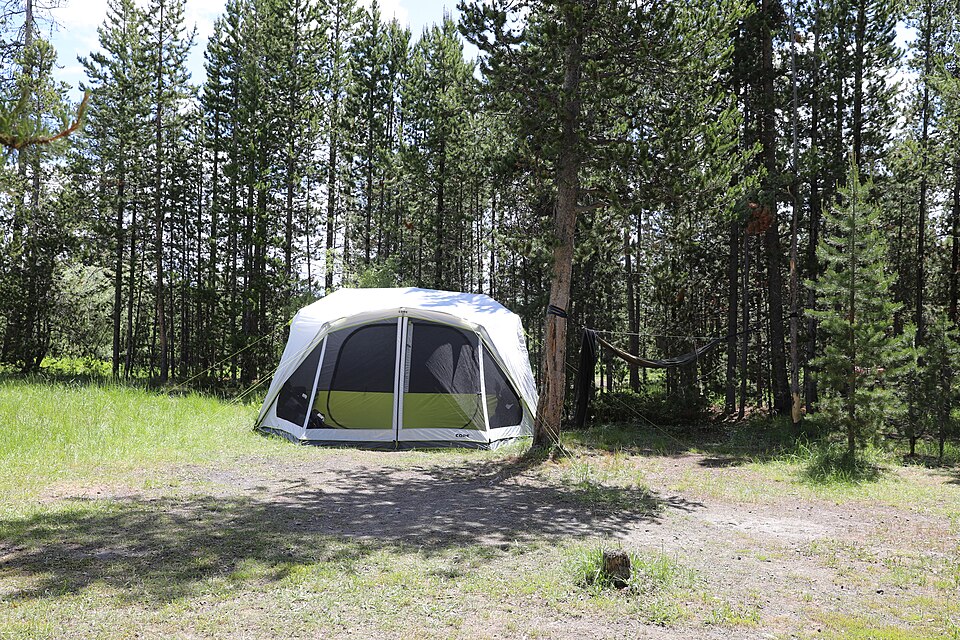
Lock in a stay for this season
RV parks near San Juan Mountains on RoverPass
Partner link · RoverPass
Fall Colors and Crisp Mountain Air
September brings a dramatic transformation to the San Juan Mountains as the vast stands of aspen trees turn a brilliant gold. Many photographers consider this the absolute best time to visit for scenery. The air becomes crisp and dry, and the summer crowds begin to thin out significantly after Labor Day. The peak for fall foliage usually occurs in late September or early October, depending on the year's moisture and temperature drops.
During this time, the Million Dollar Highway offers one of the most beautiful drives in the country, with golden leaves contrasting against dark evergreens and rugged gray peaks. Be prepared for variable weather, as early season snowstorms are not uncommon in the high country during October. Most high-altitude forest service roads remain open through the end of September, but it is wise to monitor local conditions closely. Nighttime temperatures will regularly dip below freezing, so warm layers are a necessity for evening strolls through the historic mountain towns.
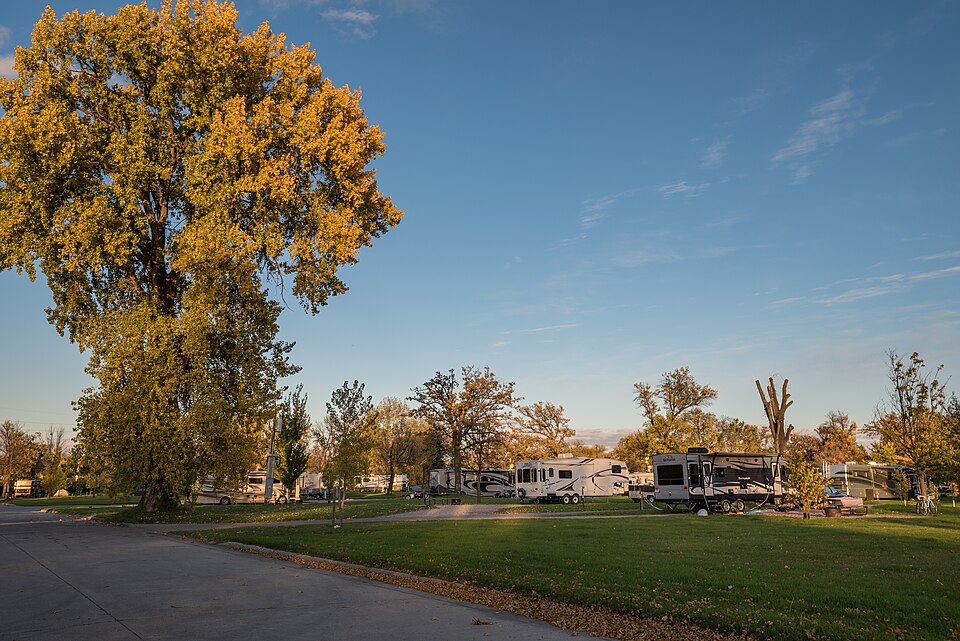
Lock in a stay for this season
Campsites near San Juan Mountains on Campspot
Partner link · Campspot
Winter Snow and Quiet Landscapes
Winter in the San Juans is a wonderland for those who enjoy deep powder and dramatic, snow-capped vistas. The region is home to world-class skiing, but it also offers a quieter side for those looking to snowshoe or simply enjoy the cozy atmosphere of towns like Telluride or Ouray. The mountains receive significant snowfall, which often closes the higher mountain passes to standard vehicle traffic, though the main highways are kept clear.
This is a season of extremes, where bright sunny days can be followed by heavy blizzards. For those not interested in downhill skiing, the winter provides a peaceful opportunity to visit the local hot springs, which are particularly magical when surrounded by snow. While the high-country hiking trails are inaccessible without specialized gear, the lower elevation valleys offer a serene environment for winter photography and wildlife spotting. Traveling during this time requires a vehicle equipped for winter driving conditions, including four-wheel drive or snow tires, as mountain passes can be challenging.
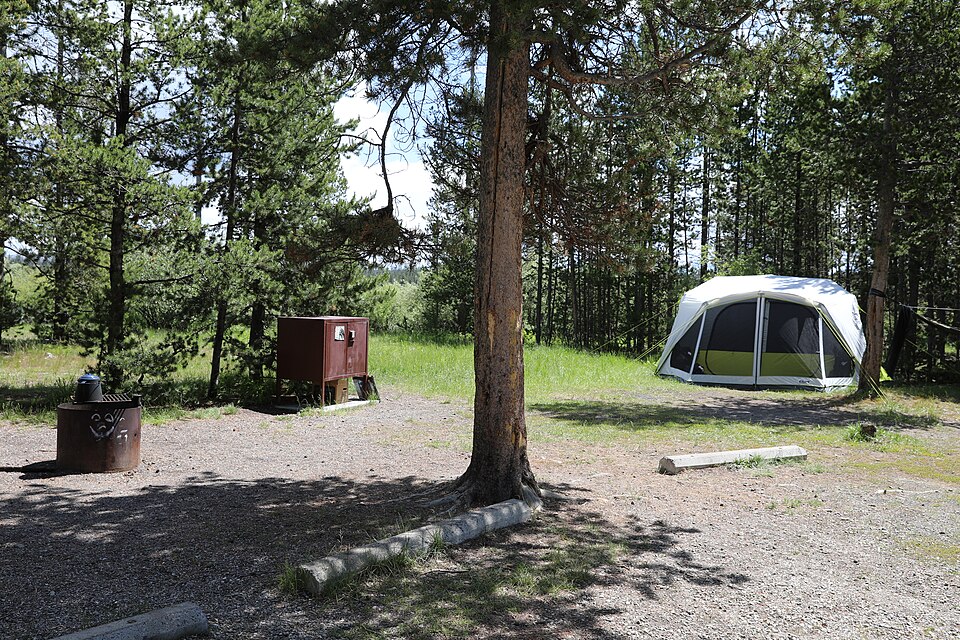
Lock in a stay for this season
Harvest Hosts stays on the way to San Juan Mountains
Partner link · Harvest Hosts
Spring Runoff and The Mud Season
Spring is a transitional period in the San Juan Mountains, often referred to by locals as 'mud season.' During April and May, the lower elevations begin to thaw, while the high peaks still hold a massive snowpack. This is a time of rushing waterfalls and roaring creeks as the spring runoff begins. While many high-altitude trails remain buried under snow until June, the lower trails near towns like Durango or Ridgeway start to dry out and offer early-season hiking opportunities.
Wildlife is particularly active during this time as animals move to lower elevations to find new green growth. It is a quiet time for tourism, meaning you can often find a sense of solitude that is harder to come by in the summer months. However, be aware that many seasonal businesses and mountain passes may remain closed until late May or early June. If you visit during the spring, flexibility is key, as a sunny morning can easily turn into a snowy afternoon.
Reservations and Planning Tips
Due to the popularity of the San Juan Mountains, especially during the peak summer and fall seasons, advanced planning is highly recommended. Lodging in towns like Telluride, Silverton, and Ouray can fill up months in advance for July and September dates. If you plan on camping in established Forest Service campgrounds, many are available through reservation systems and tend to book out early. For those seeking a more spontaneous trip, mid-week visits or traveling in the 'shoulder' weeks of early June or late October can provide more flexibility.
Always check the official National Forest or National Park Service websites for the most current information on trail closures, road conditions, and fire restrictions, which are common in the dry summer months. Permits are generally not required for day hiking, but certain highly sensitive areas may have specific regulations to protect the alpine tundra. Budgeting for your trip should account for higher costs in resort areas, with lodging and dining typically reflecting the premium nature of these iconic mountain destinations.
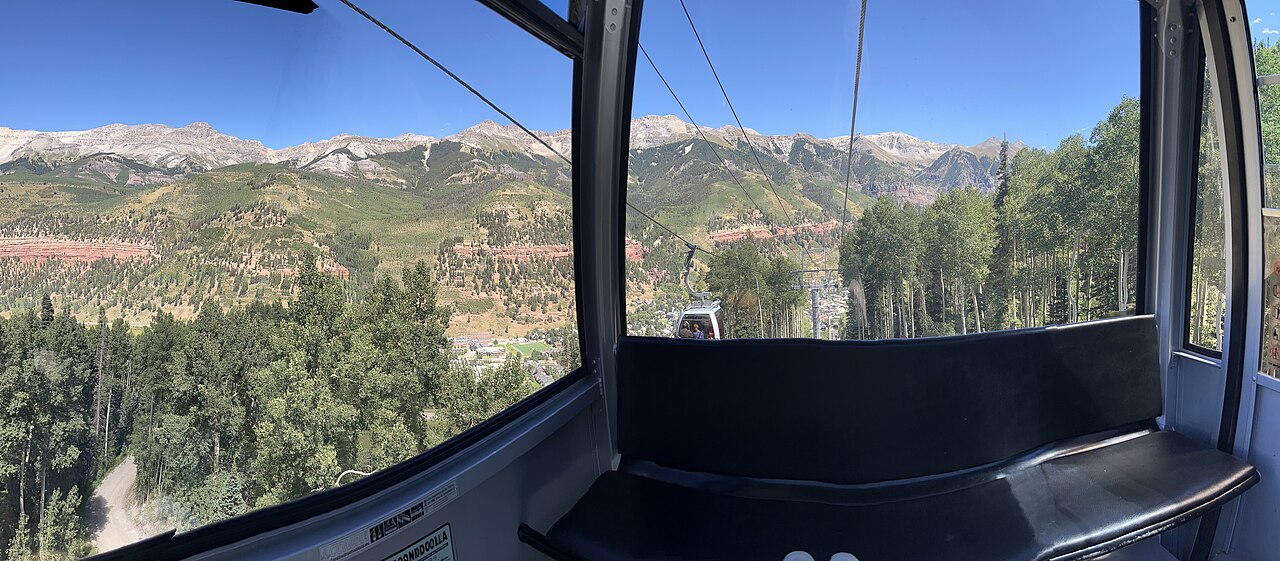
More ways to book San Juan Mountains
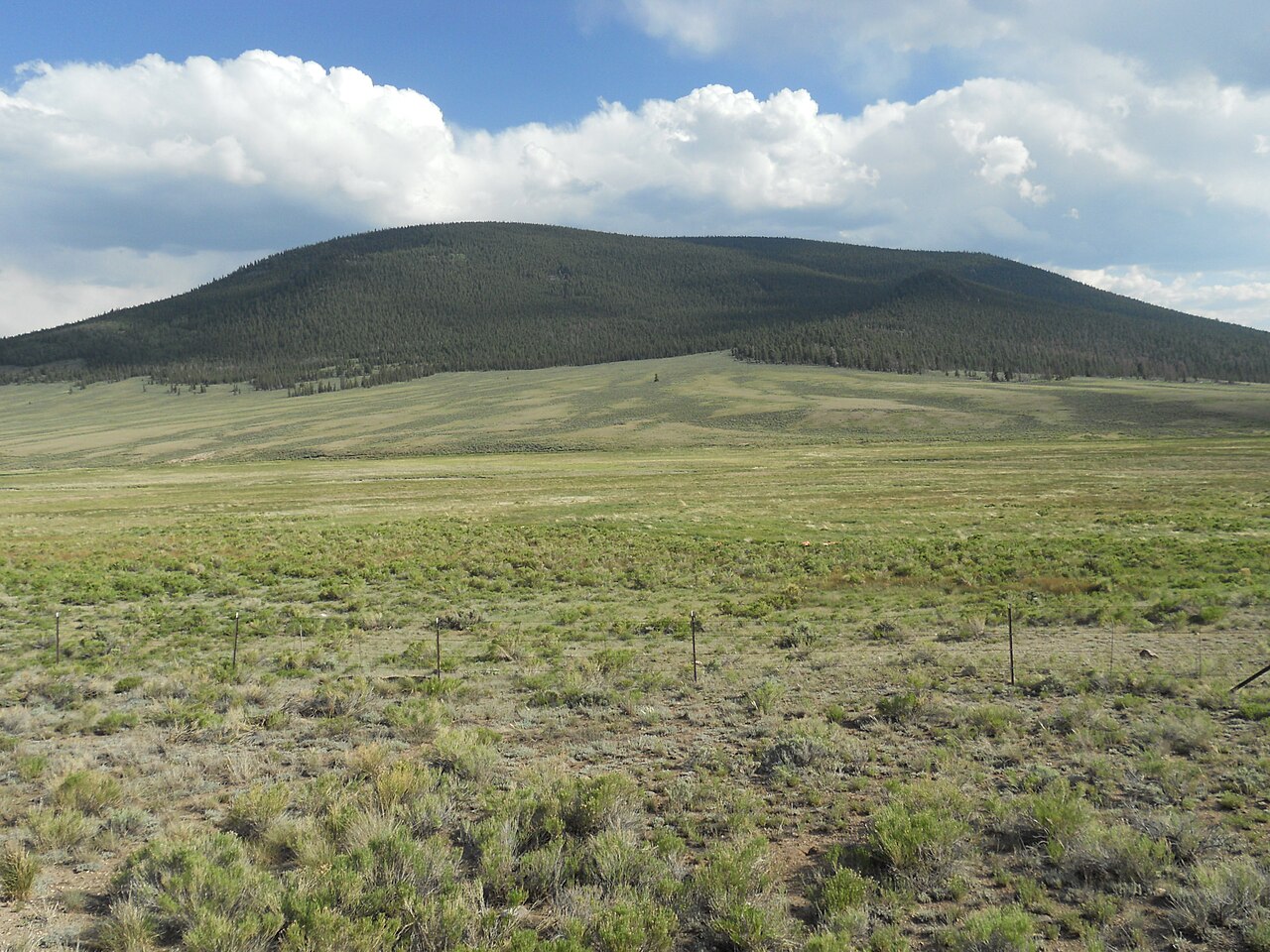 Illustrative · John Sowell
Black Canyon of the Gunnison
One of the classic ways to experience San Juan Mountains.
Varies (estimate)
Partner link · Viator