

For those who want to experience the rugged beauty of the Northern California coast without sacrificing the comforts of a warm bed, glamping near San Francisco is the perfect solution. While the city itself is a dense urban environment, the surrounding protected lands and gateway towns offer unique opportunities to sleep under the stars in luxury tents, vintage trailers, or rustic cabins. This style of travel allows you to wake up to the sound of Pacific waves and the scent of eucalyptus while remaining just a short drive from the city's world-class dining and culture.
The Presidio: Urban Glamping
The Presidio of San Francisco offers one of the most unique glamping-adjacent experiences in the country. As a former military post that is now part of the Golden Gate National Recreation Area, it features historic lodging that blends the charm of a national park lodge with urban convenience. While traditional tent camping is available at Rob Hill, the city's only campground, those looking for a more elevated experience can find refurbished historic inns that provide a 'lodge-style' feel right in the heart of the park.
Staying in the Presidio allows you to walk right out of your door onto miles of hiking trails. You can explore the Wood Line art installation, visit the Letterman Digital Arts Center, or watch the fog roll over the Golden Gate Bridge from a grassy meadow. It is the ideal compromise for travelers who want to be surrounded by nature but still want to be able to order a high-quality meal or visit a museum within a ten-minute walk. Reservations for these spots are highly sought after, so checking the official park lodging sites months in advance is essential.
Coastal Getaways in Marin and Beyond
Just across the Golden Gate Bridge in the gateway town of Sausalito and the surrounding Marin Headlands, the glamping options expand into more traditional luxury tent setups. Many travelers head north toward Point Reyes or Bolinas to find secluded canvas wall tents outfitted with queen-sized beds, high-quality linens, and wood-burning stoves. These sites often overlook the rocky coastline or are nestled in groves of ancient coastal redwoods. The atmosphere here is a world away from the city’s bustling streets, offering a quiet retreat where the only sounds are the wind and the distant barking of seals.
Glamping in these areas provides a base camp for exploring the Point Reyes National Seashore or hiking the steep trails of Mount Tamalpais. Because these sites are often on private land or managed by specialized hospitality groups, they offer amenities you wouldn't find at a standard campsite, such as spa services, farm-to-table breakfast baskets, and guided nature walks. This region is particularly beautiful in the spring when the hills are emerald green and the wildflowers are in full bloom, making it a prime time for a luxury outdoor stay.
Glamping vs. Traditional Camping and RVs
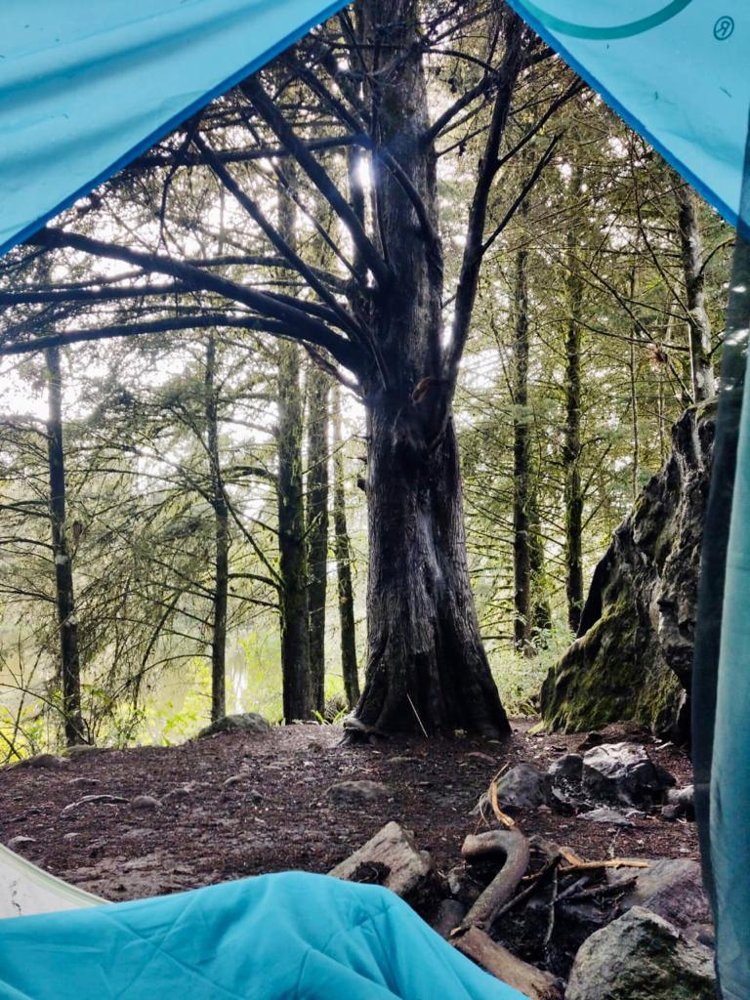
When deciding between glamping, traditional camping, or an RV trip in the San Francisco area, consider your comfort level with the elements. Traditional camping in Northern California can be a challenge due to the damp, cool maritime climate. Tents can become chilly and moist overnight, even in the summer. Glamping removes this barrier by providing insulated structures and often supplemental heating, making it a much more viable year-round option for those who aren't seasoned cold-weather campers.
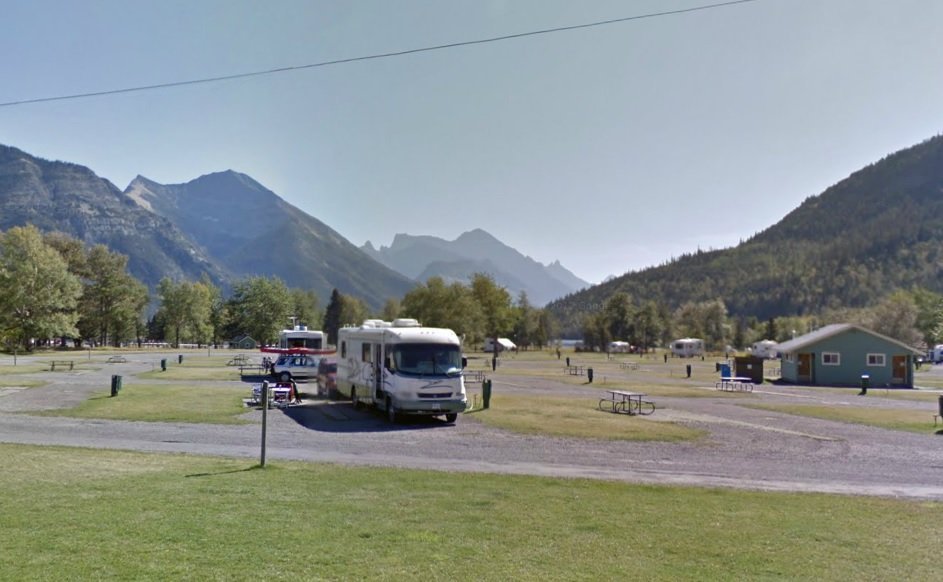
RV travel is another popular way to see the coast, but navigating a large motorhome through San Francisco's notoriously narrow and steep streets is not recommended. Most RV travelers choose to stay in designated parks in nearby Pacifica or Larkspur and use public transit or a smaller tow-vehicle to enter the city. Glamping offers a similar level of comfort to an RV but with a more stationary, curated aesthetic that often places you deeper into the natural landscape where large vehicles cannot go. It bridges the gap for those who want the adventure of the outdoors with the amenities of a boutique hotel.
Best Seasons for an Outdoor Stay
The timing of your glamping trip is crucial for a positive experience. While you can glamp year-round in Northern California, the 'Indian Summer' months of September and October are undoubtedly the best. During this time, the nightly temperatures are at their mildest and the risk of rain is very low. You’ll be able to enjoy sitting outside your tent or cabin well into the evening without being driven inside by the cold. Spring is also a lovely time, though you should be prepared for the possibility of a late-season rainstorm.
Winter glamping can be very romantic, as many luxury tents come equipped with heaters or heavy down comforters. However, the days are shorter and the dampness of the rainy season can be pervasive. If you choose to glamp in the winter, look for sites that offer solid-walled cabins or 'tiny houses' rather than canvas tents to ensure you stay dry. Regardless of the season, always check the weather forecast and the official NPS website for any alerts regarding high winds or coastal storms, which can occasionally impact outdoor accommodations near the shore.
What to Pack and How to Prepare
Even if your glamping site provides everything from towels to tea kettles, you still need to pack appropriately for the San Francisco climate. The most important items are high-quality layers. A moisture-wicking base layer, a warm fleece or wool sweater, and a windproof, water-resistant outer shell are essential for the shifting coastal weather. Sturdy, closed-toe shoes are a must, as even 'luxury' sites involve walking on dirt paths or uneven terrain. Don't forget a headlamp or flashlight for walking to your site at night, as many glamping locations prioritize low light pollution.
Preparing for a glamping trip also means planning your meals. While some sites offer full dining services, many provide a small outdoor kitchen or a fire pit. Check with your host about what is provided, and consider stopping at a local market in the city or a gateway town to pick up artisanal California produce and snacks. Finally, remember that you are still in a natural habitat. Store all food properly as instructed to avoid attracting local wildlife, and always follow Leave No Trace principles to help preserve these beautiful coastal spaces for future visitors.