

San Francisco is a city that defies typical California expectations, trading scorching heat for a microclimate-driven atmosphere that keeps locals and visitors on their toes. While many travelers expect a warm summer, the city is actually most pleasant during the autumn months when the fog lifts and the Pacific air turns crisp and clear. Understanding these seasonal shifts is essential for packing the right layers and securing reservations for the city's most popular landmarks and outdoor spaces.
Fall: The Local Secret
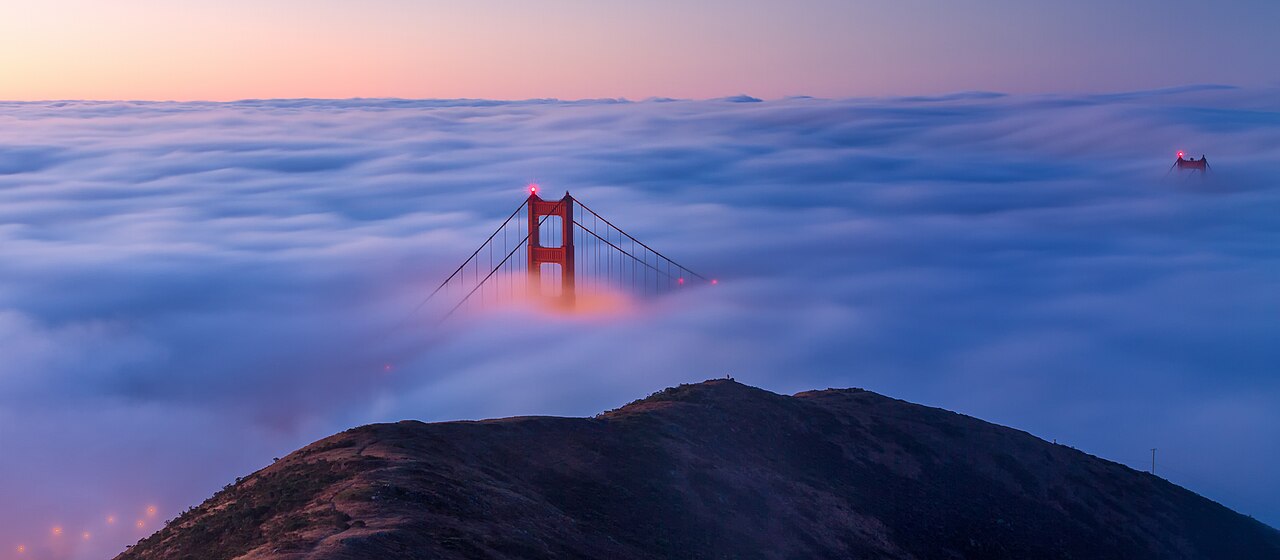
September through November is widely considered the best time to visit San Francisco by locals and seasoned travelers alike. During this window, the city experiences what is often called its Indian Summer, characterized by the warmest temperatures of the year and consistently blue skies. The heavy maritime layer that blankets the city in July and August typically recedes, offering the most reliable views of the Golden Gate Bridge and the Marin Headlands.
Visiting in the fall allows for long walks through Golden Gate Park or the Presidio without the constant threat of a damp chill. While the days are sunny, the evenings remain cool, so a light jacket is still a necessity. This is also a peak time for cultural festivals and outdoor events. Because this is the most desirable weather window, you should plan to book your accommodations several months in advance to ensure availability in your preferred neighborhood, as hotels tend to fill up quickly during these temperate months.
Spring: Coastal Blooms and Breezes
Springtime in San Francisco, spanning March through May, brings a fresh energy to the city as the winter rains taper off and the greenery of the coastal hills becomes exceptionally vibrant. This is a wonderful time to explore the city’s botanical gardens and public parks, where California poppies and other wildflowers begin to blanket the hillsides. The air is often crisp, and while the wind can be quite strong along the Embarcadero and the Great Highway, the visibility is generally high before the summer fog season begins.
Crowds are typically thinner in the spring compared to the height of summer or the warmth of early autumn. This makes it an ideal time for those who want to visit popular sites like Alcatraz or the Exploratorium without facing peak-season congestion. However, because the weather can be unpredictable, it is wise to check the official National Park Service site for any weather-related closures or ferry schedule changes if you plan on heading out onto the bay.
Summer: The Arrival of Karl the Fog
Summer in San Francisco is a unique atmospheric experience that often surprises visitors expecting a typical beach vacation. In June, July, and August, a thick marine layer—famously nicknamed Karl by locals—rolls in from the Pacific Ocean, often shrouding the city in a cold, damp mist for much of the day. This phenomenon is caused by the temperature difference between the hot inland valleys and the cold ocean waters, drawing the fog through the Golden Gate strait. Temperatures in the city can be significantly lower than just twenty miles inland in San Jose or Oakland.
Despite the chill, summer remains the busiest tourist season. Families flock to Fisherman's Wharf and Pier 39, and the lines for the historic cable cars are at their longest. If you visit during this time, the golden rule is to dress in multiple layers. You may start the day in a heavy sweater, transition to a t-shirt for an hour of midday sun, and be back in a windbreaker by late afternoon as the fog returns.
Lock in a stay for this season
Harvest Hosts stays on the way to San Francisco
Partner link · Harvest Hosts
Winter: Crisp Days and Holiday Lights
Winter, from December through February, is San Francisco's wettest season, but it offers a distinct charm for those who don't mind a bit of rain. The city rarely sees freezing temperatures, staying relatively mild compared to much of the country. Between rainstorms, the air becomes incredibly clear, providing some of the sharpest, most breathtaking views of the skyline and the bay from vantage points like Twin Peaks or Coit Tower. The light during these months is soft and beautiful, making it a favorite time for photographers.
Travel costs can be lower during the winter, with the exception of the holiday weeks in late December. Many of the city’s museums, such as the SFMOMA or the California Academy of Sciences, provide a perfect refuge on rainy days. Outdoor enthusiasts should be aware that hiking trails in the nearby Muir Woods or Mount Tamalpais can become muddy and slick, so sturdy, waterproof footwear is highly recommended. Always check current trail conditions on government websites before setting out on a winter hike.
Navigating Crowds and Reservations
Regardless of when you choose to visit, San Francisco is a major international hub that stays active year-round. Major conventions can cause hotel prices to spike and availability to plummet, so it is always beneficial to check local event calendars before finalizing your dates. Popular attractions like the ferry to Alcatraz Island are managed by the National Park Service and often sell out weeks or even months in advance, especially during the summer and holiday weekends. To ensure you get the experience you want, proactive booking is essential.
For a more tranquil experience, consider visiting mid-week rather than on weekends. The city’s parks, like the Presidio and Land's End, offer plenty of space to escape the urban bustle even during busy times. Remember that the San Francisco International Airport (SFO) is just a short 22-minute drive from downtown under ideal conditions, but traffic can vary wildly. Giving yourself plenty of time for transit, regardless of the season, will make for a much smoother and more enjoyable West Coast adventure.
More ways to book San Francisco
 Illustrative · Eric Kilby from Somerville, MA, USA
Lands End Trail Hike
One of the classic ways to experience San Francisco.
Varies (estimate)
Partner link · Viator