
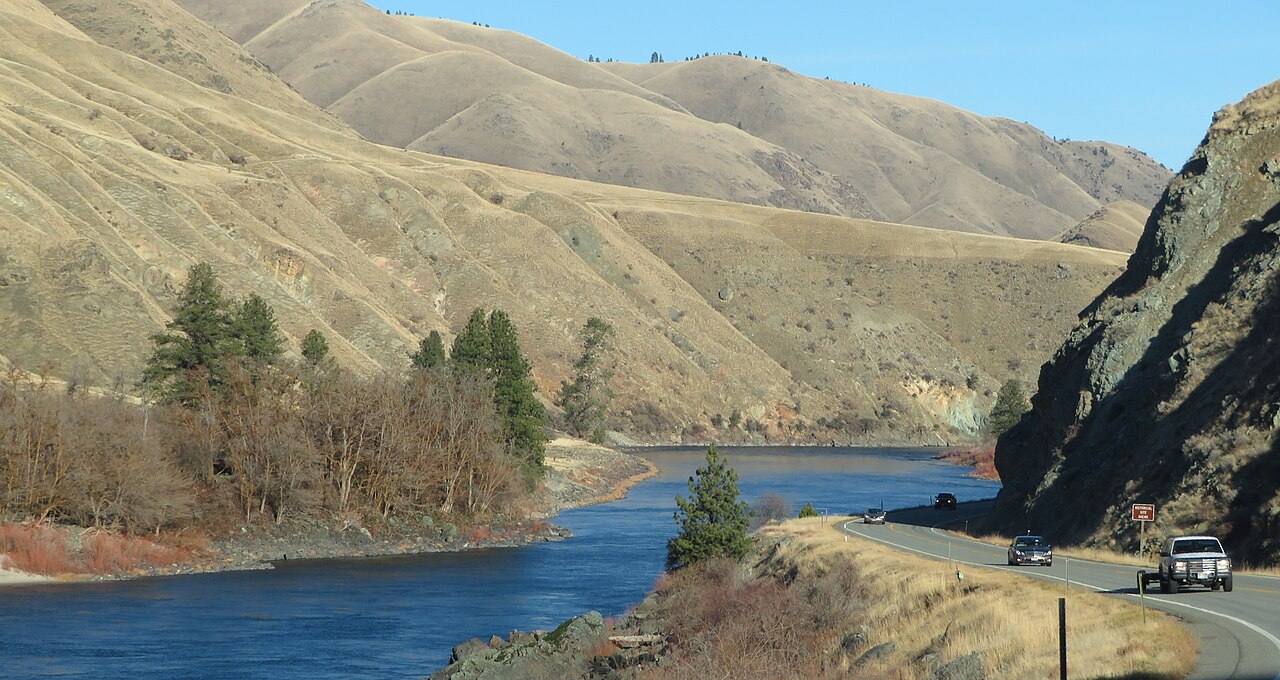
The Salmon River is more than just a body of water; it is a gateway to the vast, untamed heart of Idaho. Known as the 'River of No Return,' it offers a diverse array of activities that cater to both thrill-seekers and those looking for a quiet connection with nature. From the deep granite gorges of the Main Salmon to the alpine meadows of its headwaters, the region invites visitors to leave the modern world behind and immerse themselves in a landscape of towering pines, jagged peaks, and crystal-clear currents.
Whitewater Rafting and Kayaking
Rafting is undoubtedly at the top of the list of things to do in Salmon River. The river is famous for its long stretches of continuous whitewater interspersed with calm, deep pools. The Middle Fork is legendary for its technical drops and alpine scenery, while the Main Salmon offers big-water thrills and expansive sandy beaches perfect for camping.
For those new to the sport, several sections near Riggins provide excellent day-trip opportunities with professional guides who handle the navigation through rapids like Time Zone and Tight Squeeze. More experienced paddlers often seek out multi-day expeditions that traverse the wilderness for over a hundred miles. Whether you are in a large paddle raft, a nimble kayak, or a traditional wooden dory, the sensation of floating through one of the deepest canyons in North America is unforgettable. The river provides a natural treadmill, carrying you past dramatic rock formations and hidden waterfalls that are inaccessible by any other means.
Hiking and Historic Exploration
While the water is the main draw, the trails surrounding the Salmon River offer incredible perspectives on the canyon's geography and history. Many riverside campsites serve as trailheads for paths that lead to elevated overlooks or historic homesteads. A hike to the Jim Moore Place or the Buckskin Bill homestead allows visitors to step back in time and see how early settlers survived in this rugged environment.
For those looking for a challenge, the climb to a fire lookout tower can provide 360-degree views of the Frank Church-River of No Return Wilderness. These trails often wind through varying ecosystems, from dry, cactus-dotted slopes at the river level to cool, shaded forests higher up. Keep an eye out for ancient pictographs left by the Nez Perce and Shoshone-Bannock people on sheltered rock faces. Hiking here requires good boots and plenty of water, as the summer sun can be intense and the terrain is consistently steep. Always check with local ranger stations for current trail conditions and potential closures due to seasonal wildfires.
Wildlife Viewing and Photography
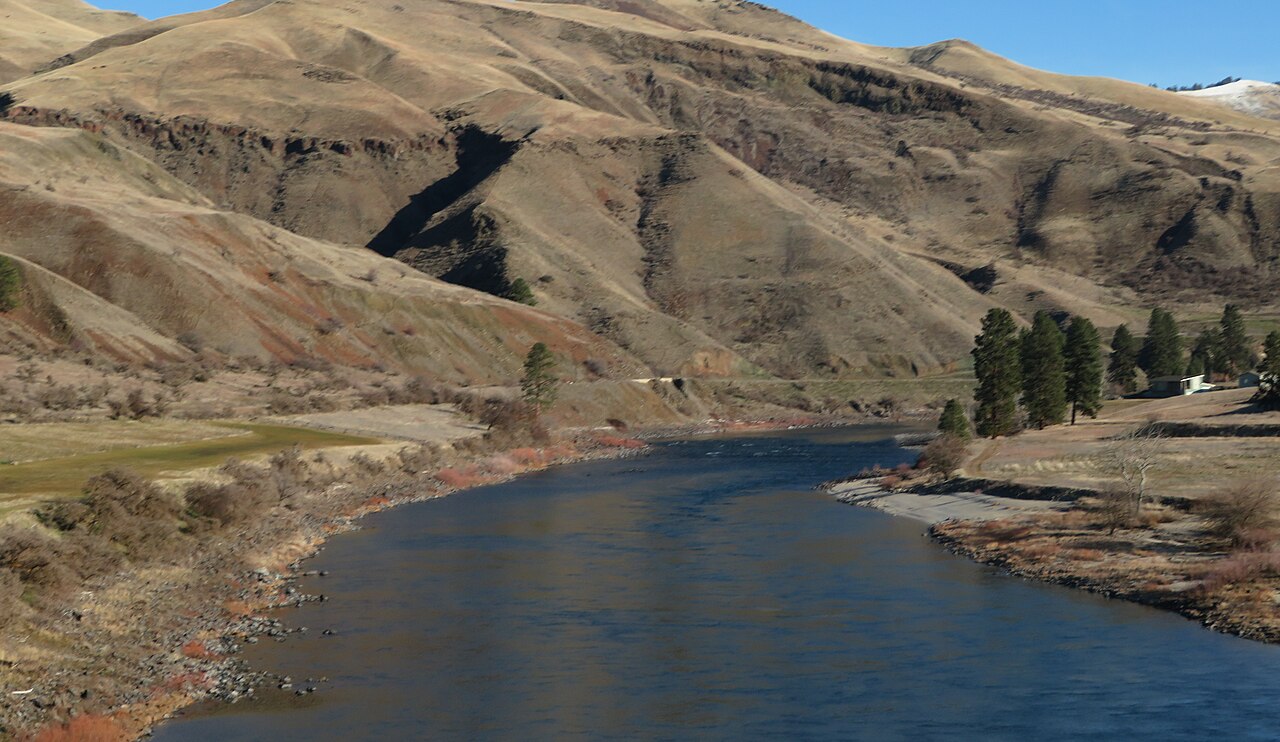
The Salmon River corridor is a sanctuary for a vast array of North American wildlife. Because much of the area is protected wilderness, the animals here are often less skittish than in more developed regions. It is common to see bighorn sheep picking their way across vertical rock faces or mountain goats perched on high ledges. Near the water's edge, you might spot river otters playing in the eddies or deer coming down for a drink at dusk.
Birdwatchers will find plenty to occupy their binoculars, as the river is a major corridor for raptors. Bald eagles and ospreys are frequently seen diving for fish, while canyon wrens provide a melodic soundtrack to your journey. Predators like black bears and cougars also inhabit the canyon, though they are much more elusive. For photographers, the 'golden hour' in the canyon provides stunning light as the sun hits the tops of the granite walls, creating deep shadows and highlighting the texture of the rock. Bringing a waterproof camera or a high-quality dry bag for your gear is essential for capturing these moments.
Fishing for Steelhead and Trout
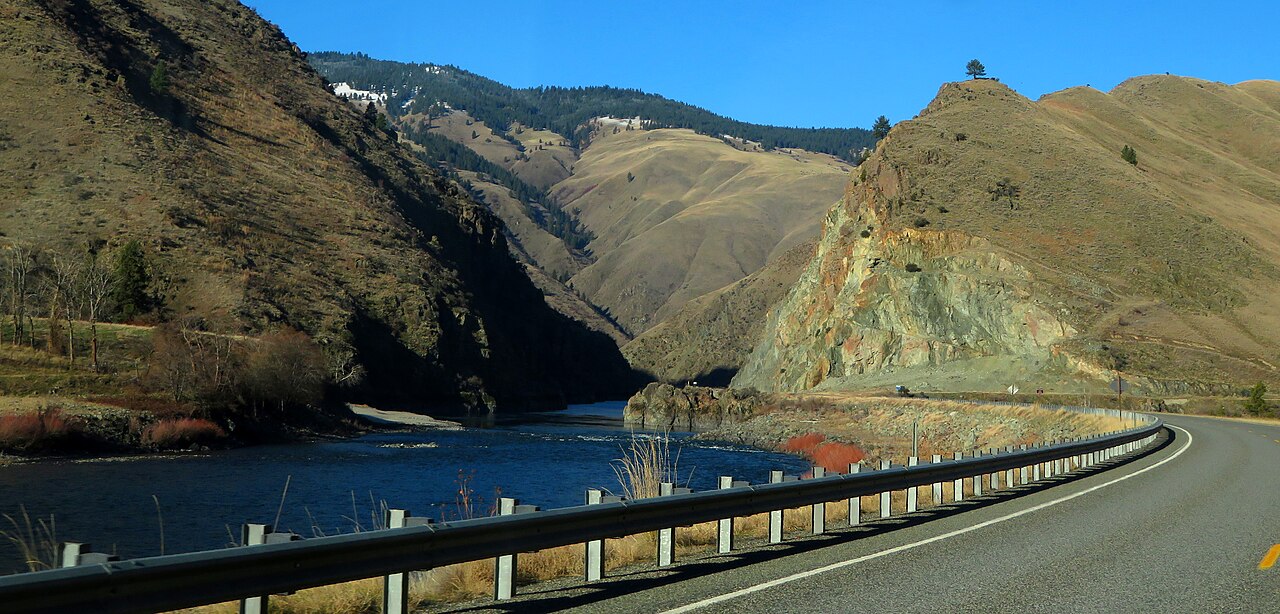
Anglers from across the globe are drawn to the Salmon River for its legendary fish populations. The river is one of the longest free-flowing waterways in the lower 48 states, which is crucial for the migratory patterns of steelhead and salmon. During the fall and spring, the hunt for steelhead becomes the primary focus, with fishermen casting from drift boats or wading into the rocky shallows.
In the summer months, the river and its many tributaries offer excellent fly-fishing for Westslope cutthroat trout and rainbow trout. The clear water allows for sight-fishing in many areas, adding an extra layer of excitement to the experience. Whether you are a seasoned fly-fisherman or a novice looking to try your luck with a spinning rod, the abundance of fish and the beauty of the surroundings make for a world-class outing. Be sure to obtain the proper Idaho fishing licenses and familiarize yourself with the specific regulations for the section of river you are visiting, as some areas are catch-and-release only to protect the native populations.
Family Activities and Rainy Day Options
Traveling with kids to the Salmon River is a wonderful way to introduce them to the outdoors. Many of the lower sections of the river have gentle water and large beaches that act like giant sandboxes. Hunting for unique river stones, learning to skip rocks, and identifying animal tracks in the sand can keep children entertained for hours. Educational opportunities abound, from learning about geology to hearing stories of the river's colorful history.
If the weather turns rainy, the experience doesn't have to end. The canyon takes on a moody, misty atmosphere that is beautiful in its own right. While outdoor activities continue in the rain with the right gear, you can also head to the gateway towns like Salmon or Riggins to visit local museums. The Sacajawea Heritage, Days, and Culture Center in Salmon offers fascinating insights into the history of the region and the Lewis and Clark Expedition. Small-town diners and shops provide a warm place to wait out a storm and swap stories with locals who have spent their lives on the river.