
Embarking on a journey to the Salmon River requires careful planning and a spirit of adventure. This itinerary is designed to take you from the nearest regional airport into the deep wilderness, covering the essential stops and experiences along the way. Whether you are here for the world-class whitewater or the quiet beauty of the Idaho mountains, this guide will help you navigate the logistics of a multi-day trip through one of the most rugged landscapes in the United States.
Day 1: Arrival and the Scenic Drive South
Your journey begins at the Lewiston Nez Perce County Airport (LWS). After picking up your rental vehicleâpreferably one with high clearance and four-wheel drive if you plan to explore backroadsâhead south on US-95. The drive to the Salmon River region is a spectacular introduction to Idaho's topography. You will descend the breathtaking Winchester Grade, where the road snakes down a steep escarpment, offering panoramic views of the surrounding prairies and distant mountains.
The drive takes approximately four to five hours to reach the primary gateway areas. As you parallel the Salmon River for the final stretch of the journey, you will notice the canyon walls beginning to tighten and rise. Make your way to the town of Riggins, often called the whitewater capital of the state. Spend your first evening checking into your riverside lodging and enjoying a meal at a local eatery. This is a great time to double-check your gear and pick up any last-minute supplies like sunblock, dry bags, or extra water at the local general stores.
Day 2: Whitewater Introduction in Riggins
On your first full day, immerse yourself in the river's energy with a guided day trip out of Riggins. This section of the river features iconic rapids that are exciting but manageable for most skill levels. You will spend the morning navigating through splashing waves and deep green pools, surrounded by steep canyon walls.
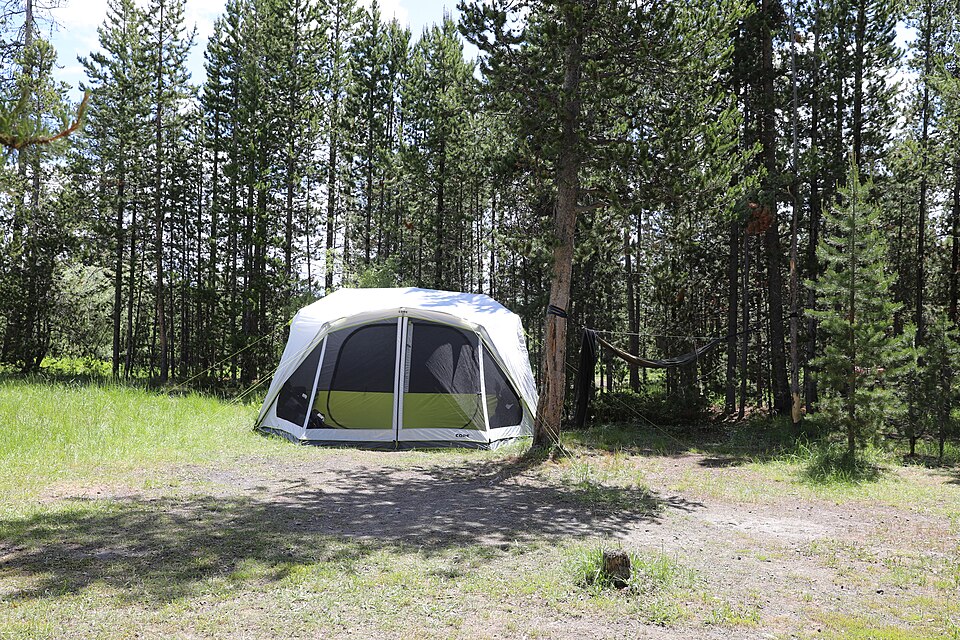
Midday usually involves a stop on a sandy beach for a riverside lunch, where you can watch other rafts and colorful kayaks negotiate the current. In the afternoon, the river often provides opportunities for swimming in the calmer stretches. After returning to town, take a short drive to one of the nearby trailheads, such as the Rapid River Trail, for a late afternoon hike. This trail follows a crystal-clear tributary and offers a lush, shaded environment that contrasts with the main canyon. End your day with a relaxing evening by a campfire, listening to the sound of the water as the stars begin to fill the dark Idaho sky.
Day 3: Journey to the Main Salmon Entry
Today, you will transition toward the more remote sections of the river. Drive east toward the town of Salmon, following the river upstream. This route takes you through a diverse landscape, from narrow rocky gorges to wide valleys where cattle graze against a backdrop of snow-capped peaks. Stop in the town of Salmon to visit the Sacajawea Heritage, Days, and Culture Center to learn about the history of the Agai'dika Shoshone-Bannock people and the Lewis and Clark Expedition.
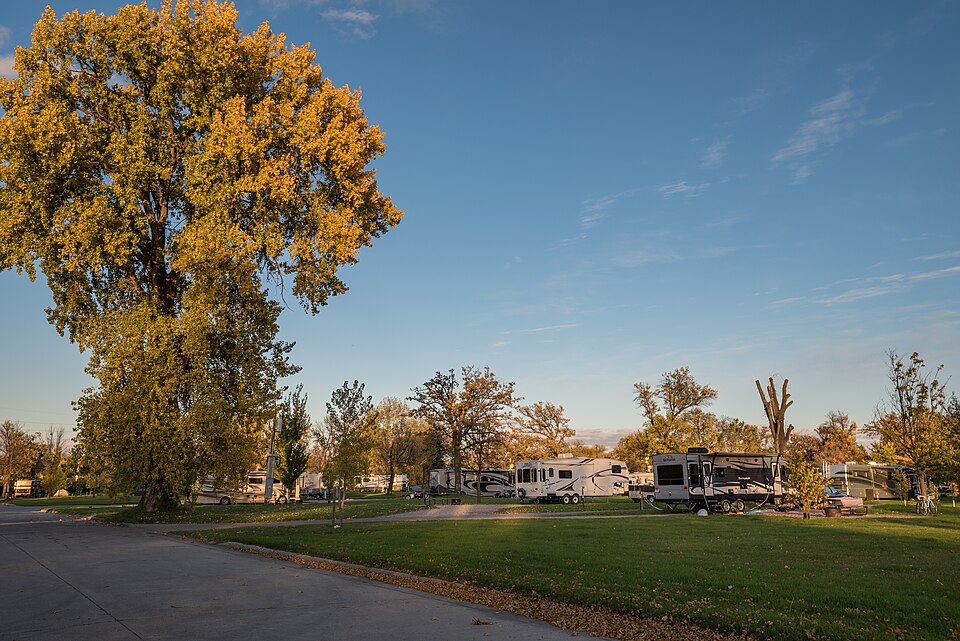
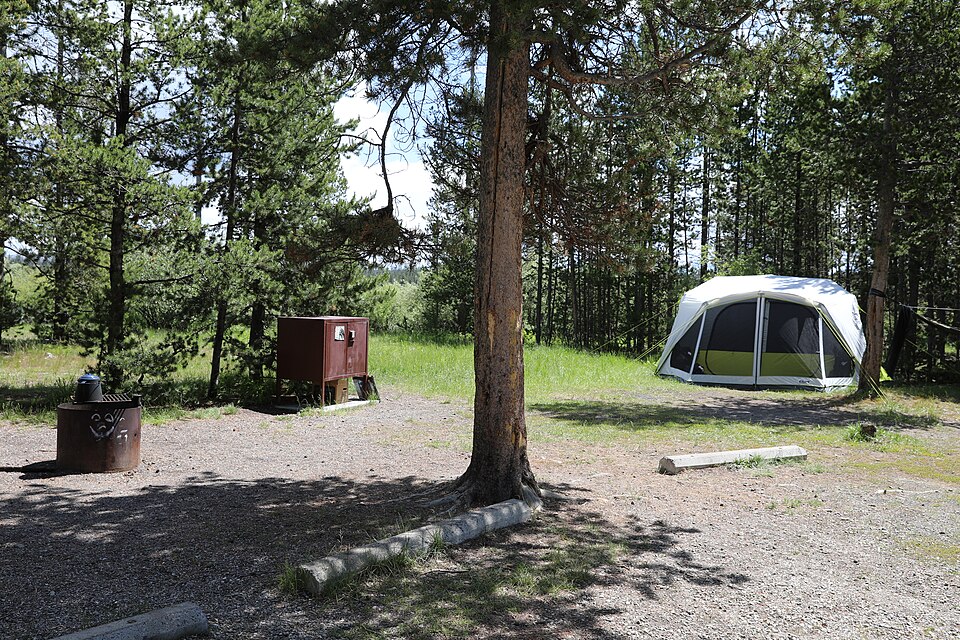
Continue your drive toward the Corn Creek boat launch, which serves as the official entrance to the 'River of No Return' wilderness section. Even if you are not launching a multi-day float trip, the drive to this area is worth it for the incredible scenery and the chance to see the river in its most primitive state. There are several primitive campgrounds along the road where you can set up a base camp. The lack of cell service in this area ensures a true digital detox, allowing you to fully focus on the natural environment and the rhythm of the wilderness.
Day 4: Exploring Historic Homesteads
Spend your fourth day exploring the rich human history of the Salmon River canyon. Many of the early settlers' homesteads are preserved and accessible via hiking trails from the river road or campsites. A visit to the Polly Bemis ranch or other historic sites provides a glimpse into the incredibly difficult life of 19th-century pioneers who chose this isolated canyon as their home.
The trails in this area offer moderate to strenuous hiking with significant elevation gains, but the reward is a bird's-eye view of the river winding through the granite peaks. Look for ancient petroglyphs on the rock faces, which serve as a reminder of the thousands of years of human connection to this water. In the afternoon, find a quiet spot along the bank for some catch-and-release fishing. The cutthroat trout in these waters are known for their beauty and willingness to rise to a well-placed fly. As evening approaches, the shadows in the deep canyon create a dramatic play of light on the rock formations, perfect for photography.
Day 5: Mountain Vistas and Return North
On your final full day, begin your return journey, but take the time to explore the higher elevations. If the forest roads are clear, a drive toward one of the mountain passes can provide views that stretch for miles across the Frank Church Wilderness. The contrast between the river level and the high-alpine environment is striking, with subalpine fir and lodgepole pine replacing the ponderosa pines of the lower canyon.
As you head back toward the Lewiston area, consider a stop in the small town of Grangeville, located on the Camas Prairie. This area is steeped in Nez Perce history and offers a different perspective on the Idaho landscape. Spend your last night in a comfortable lodge or hotel, reflecting on the vastness of the country you have just traversed. Before heading to the airport the next morning, make sure to check the official NPS or state travel sites for any road alerts. The Salmon River itinerary is a loop through some of the most rugged terrain in the West, and every mile offers something new for the observant traveler.

More ways to book Salmon River
 Illustrative · Diego Angel
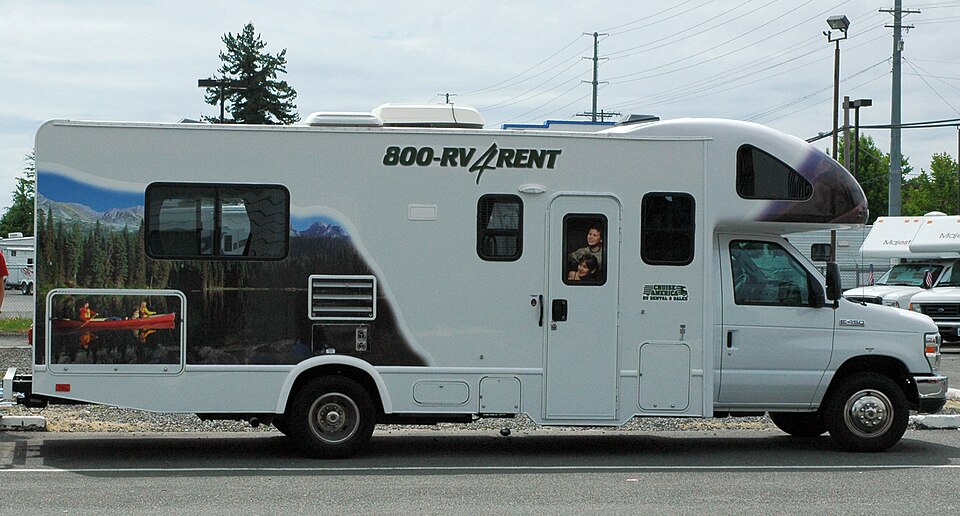
Sprinter Adventure Van
Small enough to park at the trailhead, comfy enough to sleep in.
$189/day (estimate)
Direct link · RVshare