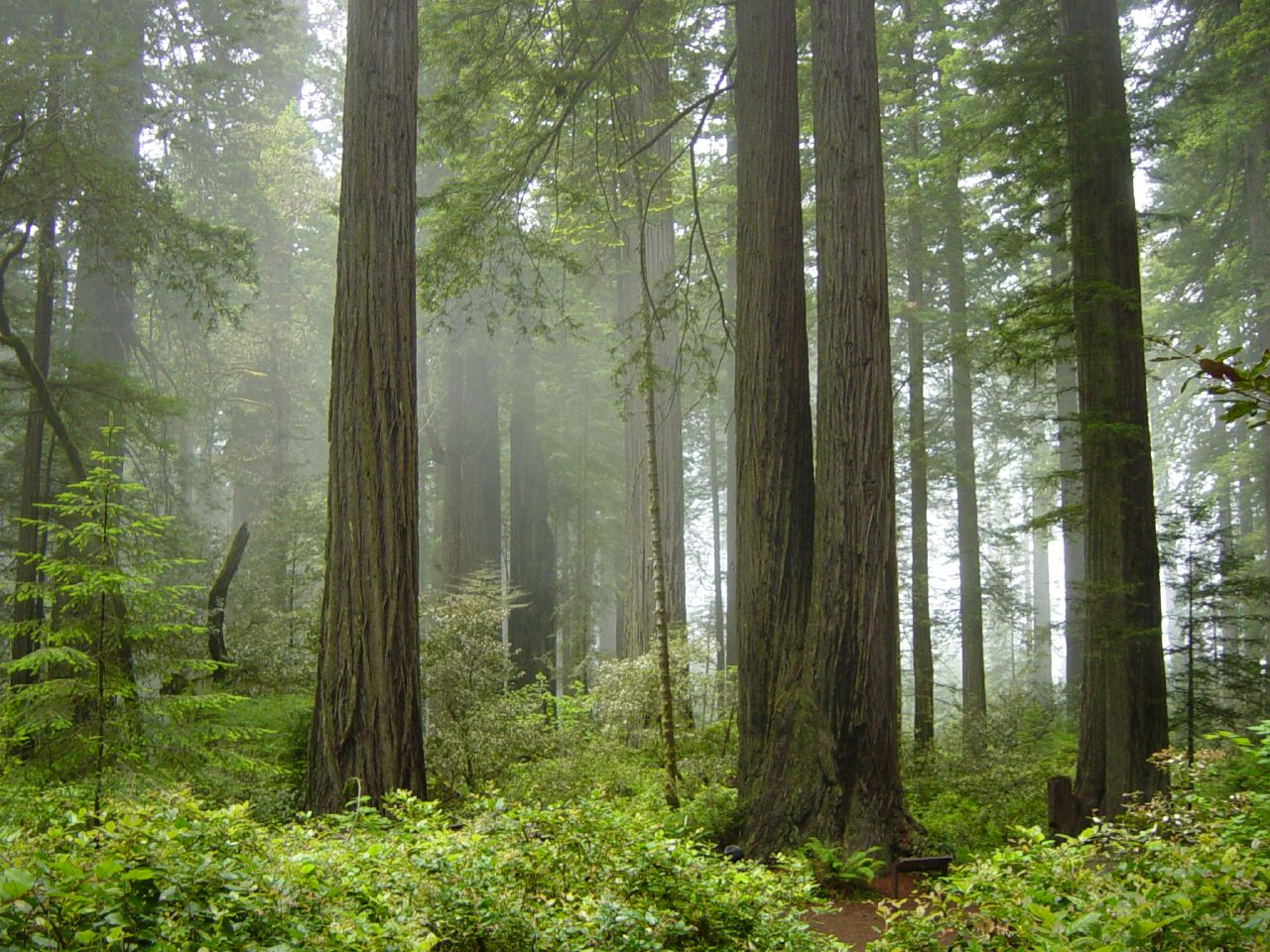
Redwood National and State Parks combines towering old-growth forest with open prairie, wild beaches, and rivers along California's far northern coast. The most rewarding visit mixes a few unhurried grove walks with scenic drives and time beside the Pacific, rather than trying to cover every trail. Plan two to four days, choose activities by geographic area, and keep an alternate outing ready for rain or road closures.
Walk Through Old-Growth Redwood Groves
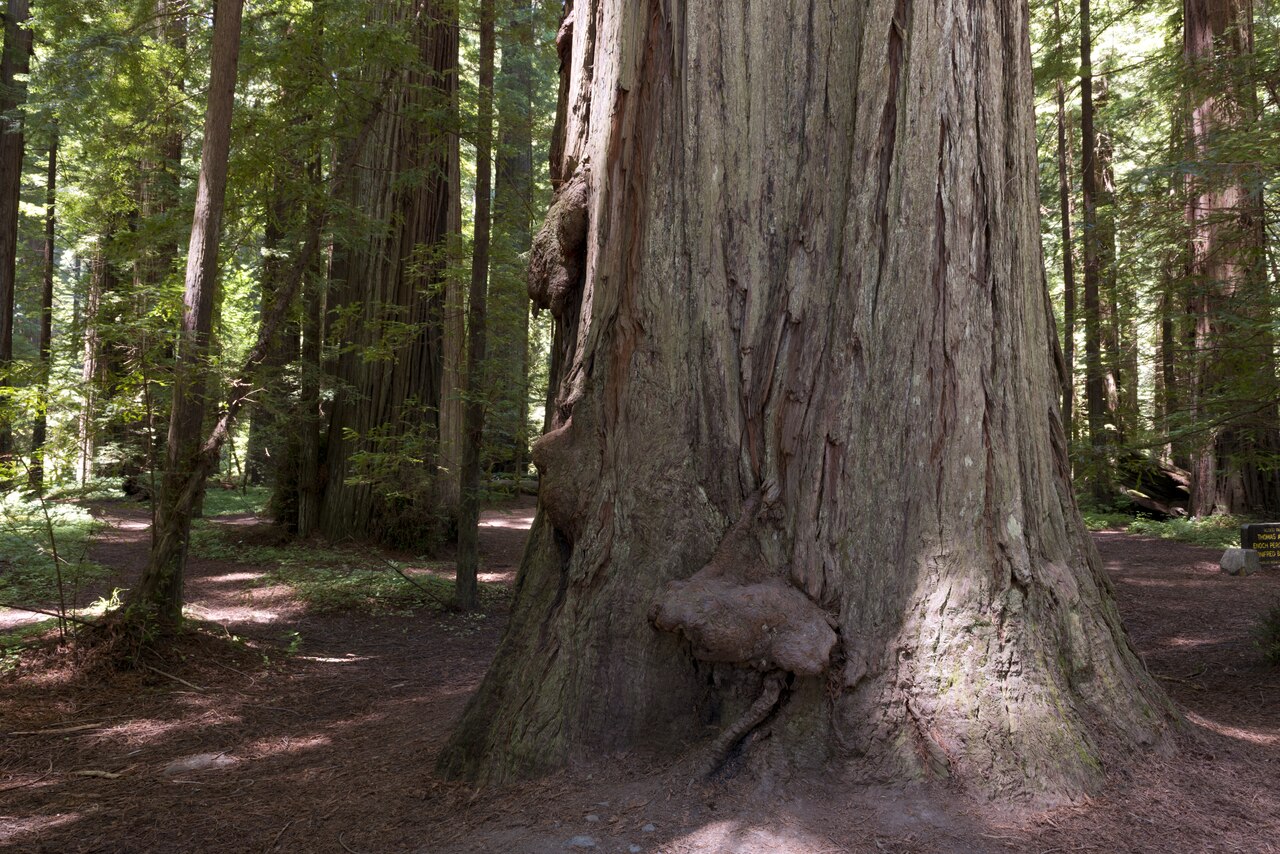
Start with a grove walk that lets you slow down and notice the forest's scale. Lady Bird Johnson Grove offers an established loop through upland redwood forest, while Prairie Creek Redwoods State Park has walks among enormous trees near its visitor center. Farther north, Jedediah Smith Redwoods State Park provides another exceptional concentration of old-growth forest.
For a more involved outing, consider Tall Trees Grove, which requires a permit and includes a climb back out. Choose a route that fits your group's walking ability rather than assuming every grove is an easy roadside stop. Stay on designated trails to protect shallow roots and delicate understory plants, and check current trail conditions on the official park/NPS site.
Pair Scenic Drives With Fern Canyon
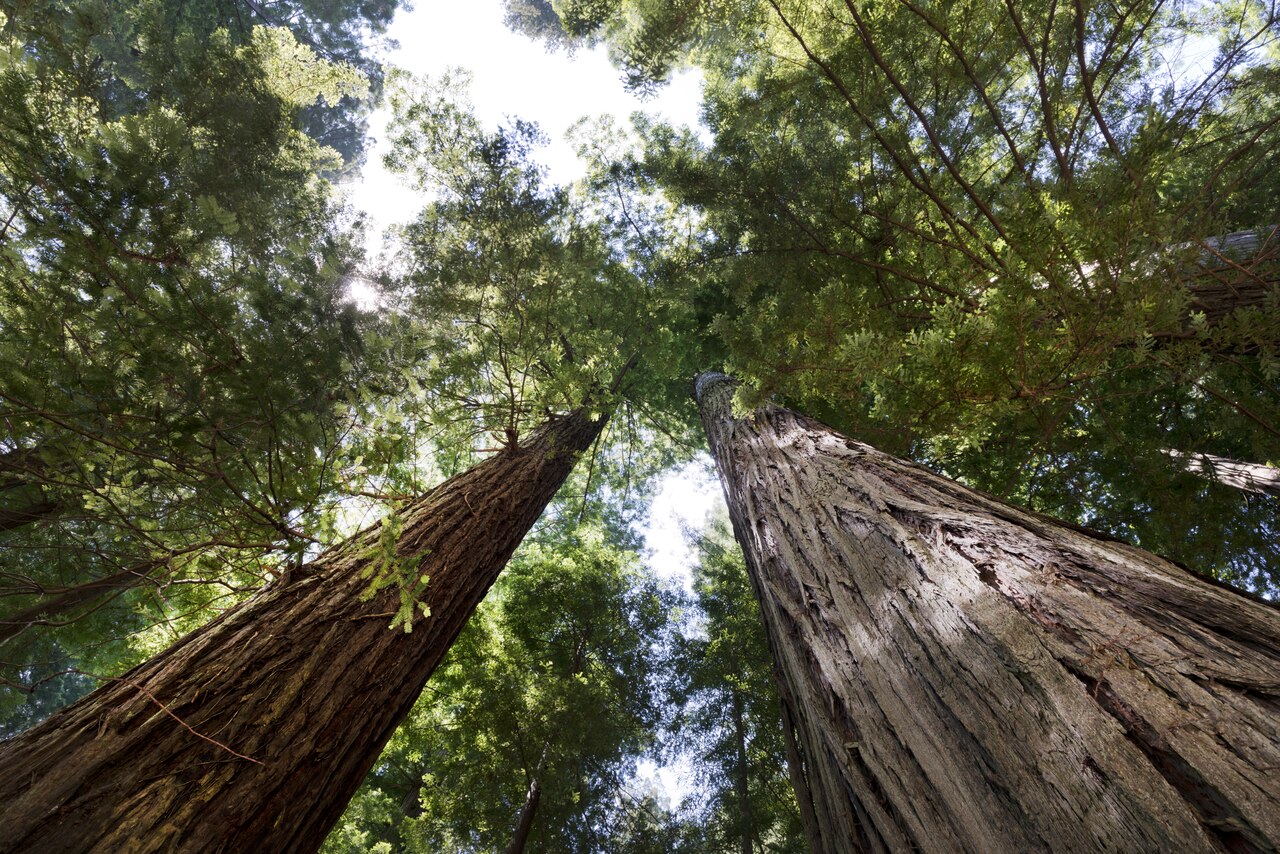
Newton B. Drury Scenic Parkway runs through Prairie Creek's redwood forest and works well as the backbone of a day with several short walks. Howland Hill Road near Crescent City offers a narrower, unpaved forest drive; it is not an appropriate shortcut for large RVs or trailers. Verify road conditions and vehicle guidance before choosing either route.
Fern Canyon is a distinctive creek-bottom walk framed by fern-covered walls. Expect wet footing and possible creek crossings rather than a dry, conventional trail. Access via Gold Bluffs Beach Road involves unpaved driving and seasonal reservation requirements. Check the official park/NPS site for current permits, road restrictions, and closures, and choose another grove if access or conditions do not suit your group.
Look for Elk and Explore the Coast
Roosevelt elk are one of the area's signature wildlife sightings, particularly around prairie habitats in the southern parks. Look from established pullouts or trails, use binoculars, and give animals plenty of space. Never approach for a photograph, feed wildlife, or stop where your vehicle blocks traffic. Sightings are possible, not guaranteed.
For coastal time, consider Gold Bluffs Beach or accessible viewpoints around the Klamath area, depending on road conditions and your route. These are places for watching surf, seabirds, and changing light rather than assuming swimming conditions are suitable. The Pacific is cold and powerful here. Stay back from breaking waves and floating logs, supervise children closely, and follow posted beach guidance.
Make the Forest Fun for Kids
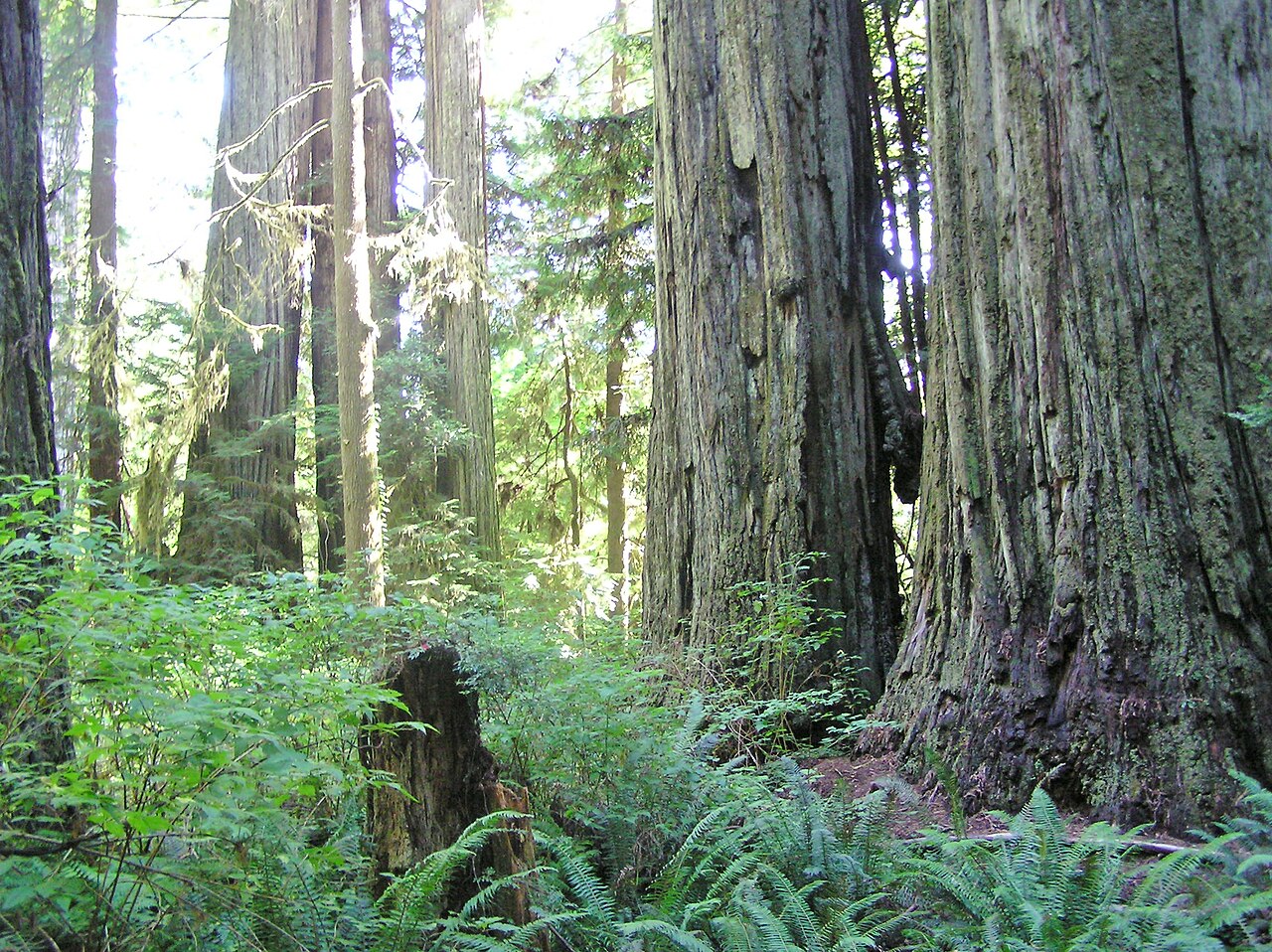
Short, varied outings usually work better for children than a full day of continuous hiking. Pair a brief redwood walk with a picnic, a visitor center stop, and a beach overlook. Along the trail, turn attention toward banana slugs, fallen nurse logs, fern shapes, and the different textures of bark without collecting or disturbing anything.
Ask at a park visitor center about Junior Ranger materials and current family programs. Choose routes using current accessibility information if you need a stroller-friendly surface; not every short trail is smooth or level. Bring snacks, rain layers, and spare socks, even in summer. Keep children close around roads, creeks, wildlife, and surf, and leave enough flexibility to finish while everyone still has energy.
Keep a Rainy-Day Plan Ready
Light rain can make a redwood walk feel especially immersive, with dripping foliage and rich forest colors. If conditions are calm, choose a short established trail, wear waterproof layers, and protect your phone or camera. Avoid committing to creek-bottom routes or long unpaved drives when heavy rain is forecast.
Visitor centers offer a useful indoor break for exhibits, maps, and ranger advice, though services vary by location and season. Gateway towns such as Crescent City, Trinidad, and Eureka also provide places to warm up over a meal or spend more time indoors. During strong winds or major storms, skip forest walks and exposed coastal stops. Check official park/NPS alerts before driving, since closures can change your options substantially.