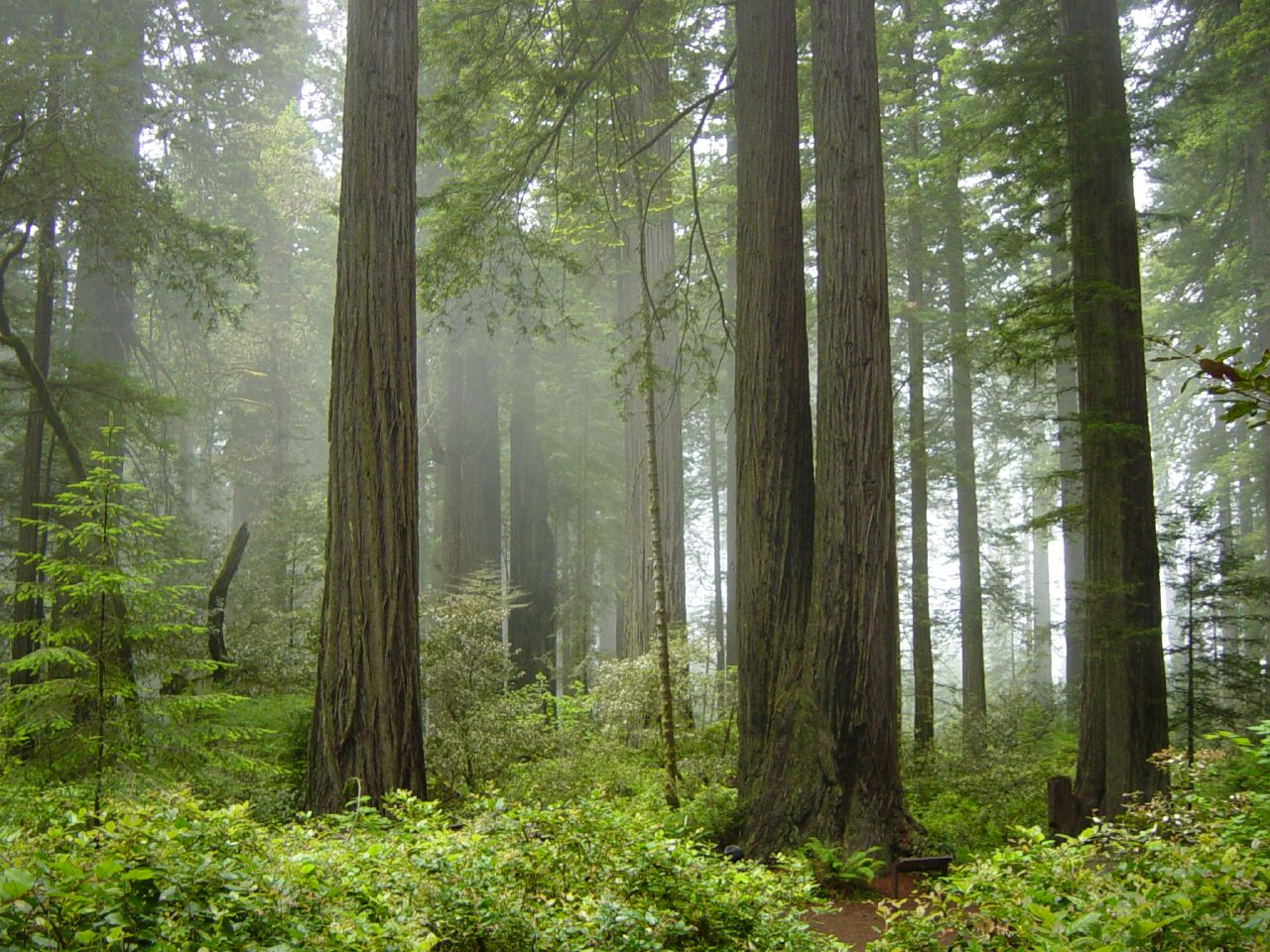
Glamping near Redwood National and State Parks is less about a single signature accommodation and more about finding a comfortable base close to forest trails and the coast. Depending on local availability, that might mean a furnished tent, a yurt-style stay, or a small cabin outside the parks. Focus on location, heating, bathroom arrangements, and weather protection before choosing by photos alone, especially for a spring or fall trip.
What Glamping Looks Like Around the Redwoods
Search for accommodations that clearly explain what is included rather than relying on the word glamping. A furnished tent may provide a real bed but still require a walk to shared bathrooms. A small cabin may offer heat and a private bathroom, while cooking facilities, linens, and outdoor seating can vary widely.
Do not assume a private glamping property sits inside the national or state parks, even if its listing emphasizes redwoods. Confirm its actual address and drive to your planned trailheads. Ask about rain protection, condensation, electricity, and parking before booking. Compare total estimated costs, including cleaning charges and equipment needs, rather than treating glamping as automatically cheaper than a motel or more comfortable than an RV.
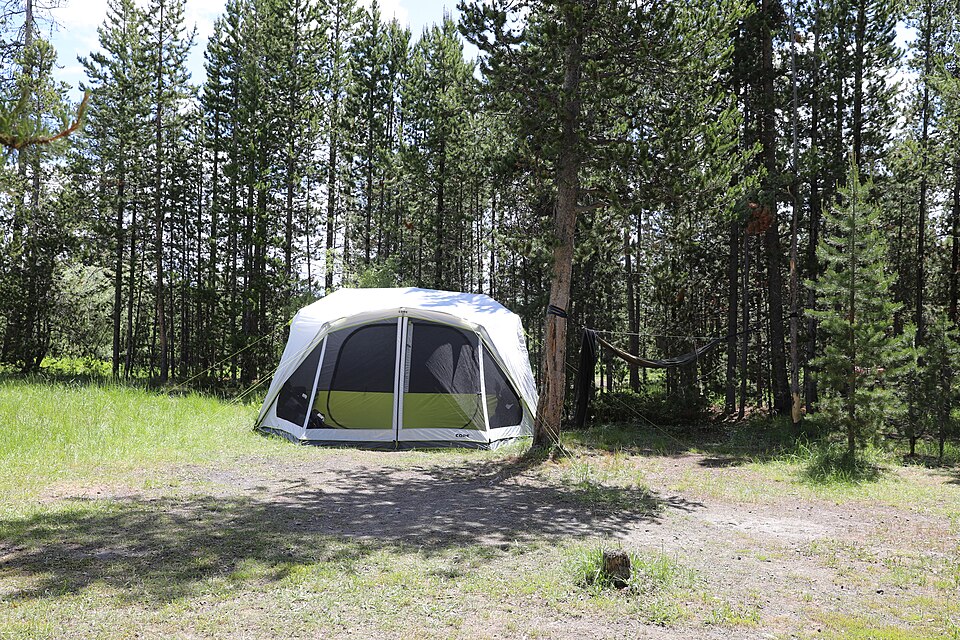
Where to sleep
RV parks near Redwood National and State Parks on RoverPass
Partner link · RoverPass
Choose a Gateway Area That Matches Your Plans
Trinidad and the surrounding southern coastal area suit travelers who want beach scenery alongside access toward Orick and Prairie Creek. Eureka provides a broader service base farther south, but repeated drives to the northern parks can become tiring. The Orick area is worth considering when your priority is southern park access; lodging choices are more limited than in larger towns.
Around Klamath, look closely at the property's position relative to US 101 and your chosen outings. Crescent City makes a practical northern base for Jedediah Smith and Del Norte Coast Redwoods state parks. For a three- or four-night trip covering both ends, two bases may be more useful than one secluded stay with a long daily commute.
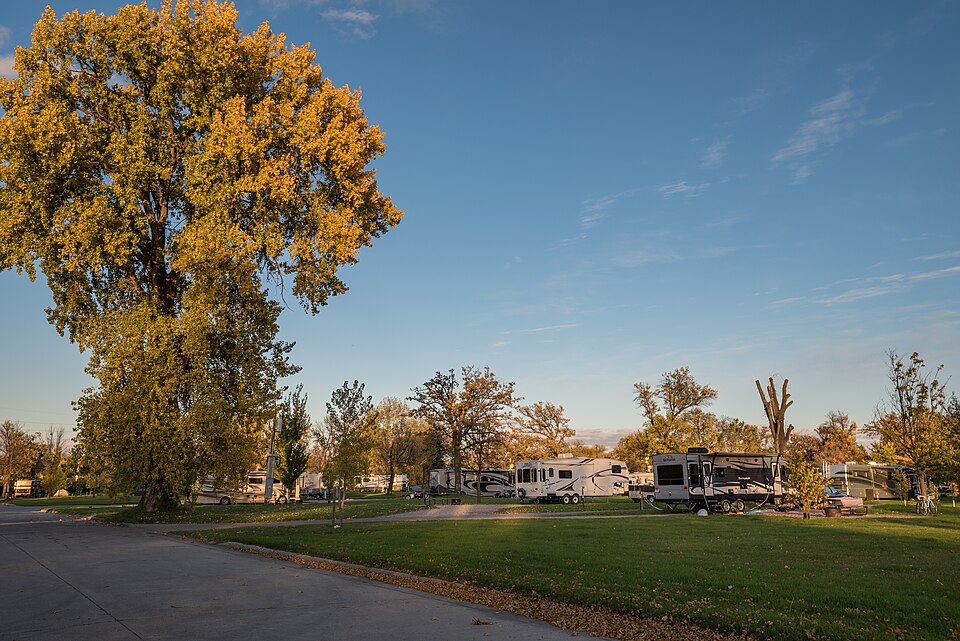
Where to sleep
Campsites near Redwood National and State Parks on Campspot
Partner link · Campspot
Pick the Right Season for Your Accommodation
May through September is generally the most straightforward period for tent-style glamping because rainfall is usually lower than in winter. Coastal fog and cool evenings still matter, so confirm whether a furnished tent has appropriate bedding and any permitted heating. An attractive deck is less useful if there is nowhere dry to sit during a shower.
Spring and fall can offer a quieter stay, but weatherproof construction and a sheltered cooking area become more important. For winter, prioritize a well-insulated cabin with dependable heat over an exposed canvas setup. Book ahead for summer weekends and holidays, and read weather-related cancellation terms. Check the official park/NPS site separately for trail conditions and reservations; lodging does not include park access permits.
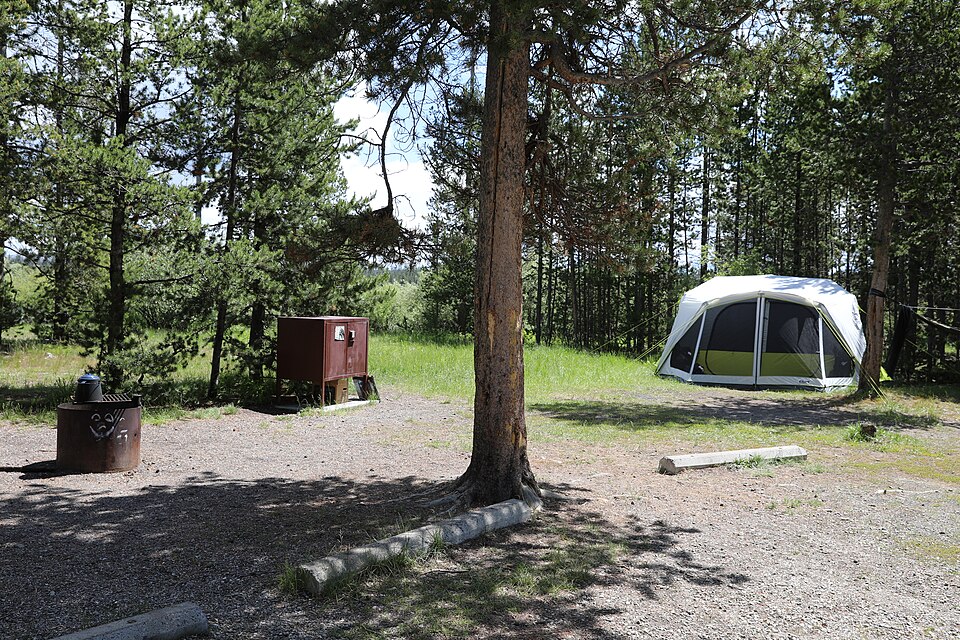
Where to sleep
Harvest Hosts stays on the way to Redwood National and State Parks
Partner link · Harvest Hosts
Pack for Damp Forests and Cool Coastal Nights
Bring a waterproof jacket, warm midlayer, comfortable walking shoes with traction, and extra socks. Quick-drying clothing is useful because fog, rain, and creek splashes can leave cotton layers damp. A headlamp makes nighttime trips to shared bathrooms easier, and a reusable water bottle, lunch container, and daypack simplify trail days.
Confirm whether the stay supplies bedding, towels, cookware, drinking water, and food storage before packing. For a furnished tent, dry bags or sealed totes help protect clothing from moisture. Download maps and carry a charging bank rather than assuming reliable reception or outlets. Follow the property's food-storage rules, and check current fire restrictions before planning an evening fire. Never use outdoor cooking equipment inside a tent or enclosed sleeping space.
Glamping vs. Camping vs. an RV Stay
Choose glamping if you want less setup and a bed waiting after a hike, while accepting that bathrooms or cooking areas may still be shared. Traditional camping usually requires more equipment and weather preparation but can keep you close to the forest. RV travel offers your own living space, although campsite dimensions, hookups, and road restrictions require careful planning.
Costs vary substantially by season, amenities, and group size, so request an estimated total before comparing options. For RV travelers, confirm vehicle-length limits and avoid assuming every scenic road is suitable; Howland Hill Road is not a route for large rigs or trailers. Use the official park/NPS site to check campground reservations, current facilities, and access guidance before committing to an overnight plan.