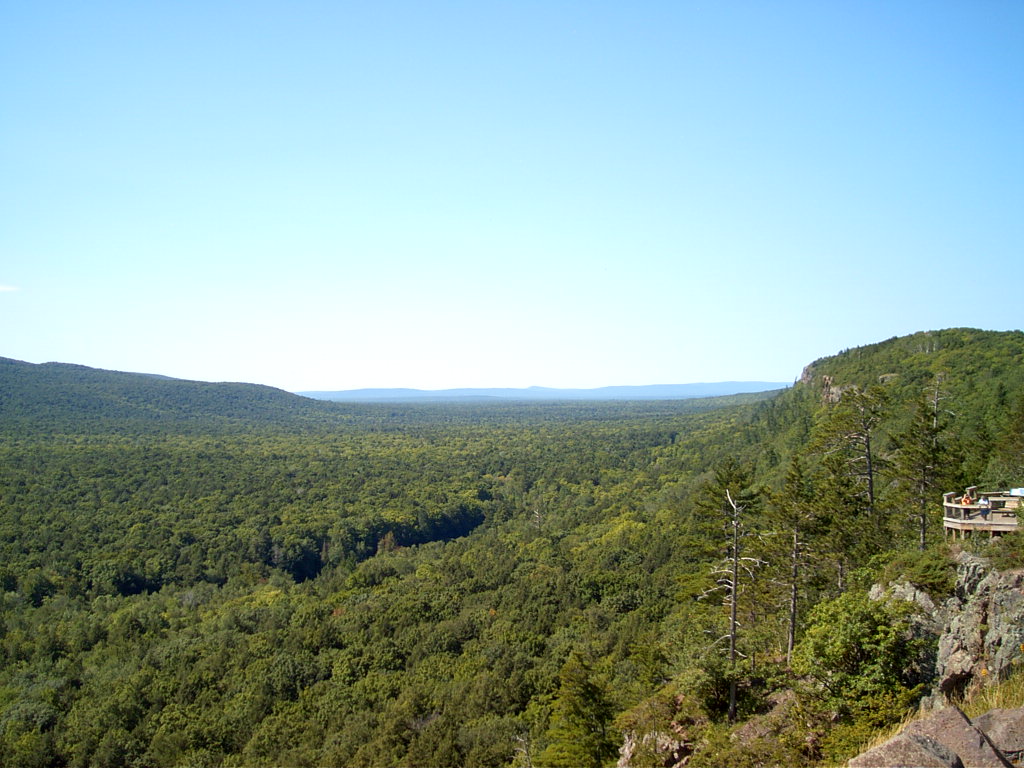
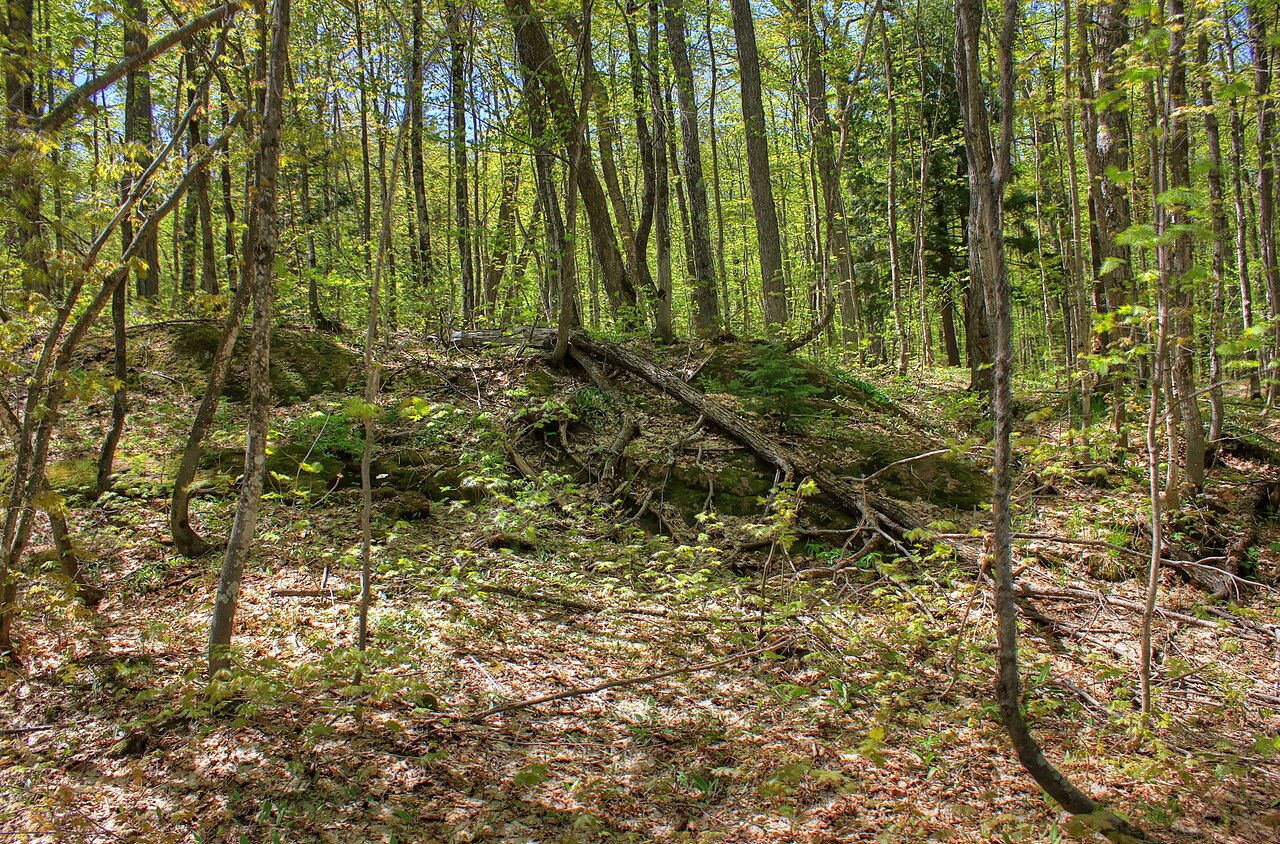
The Porcupine Mountains Wilderness State Park offers a rugged escape into one of the last great wilderness areas in the Midwest. With 60,000 acres of old-growth forest, roaring waterfalls, and the vast coastline of Lake Superior, there is no shortage of adventure for outdoor enthusiasts. Whether you are looking for a challenging multi-day trek or a scenic drive with the family, the Porkies provide a diverse array of activities that highlight the unique geology and ecology of the Upper Peninsula.
Hiking the Iconic Escarpment Trail
For many, hiking the Escarpment Trail is the premier item on their list of things to do in Porcupine Mountains. This roughly 4-mile stretch offers what is widely considered the most beautiful vista in the state of Michigan. The trail runs along a high rocky ridge, providing dramatic birds-eye views of the Lake of the Clouds and the winding Carp River valley below. The terrain is rugged, featuring steep climbs over basaltic rock and roots, so sturdy footwear is a necessity.
As you traverse the ridge, you will walk through stunted trees and open rock faces that offer unobstructed panoramic views. It is an excellent spot for photography, especially during the morning when the fog often sits in the valley. While the trail can be demanding, the payoff is a perspective of the wilderness that feels more like the mountain ranges of the West than the Midwest. Most hikers start at the Lake of the Clouds overlook and hike toward the Government Peak trailhead, but even a short out-and-back trek provides incredible scenery.

Exploring the Presque Isle River Waterfalls
On the western edge of the park lies the Presque Isle River, a powerful waterway that has carved deep potholes and dramatic gorges into the rock. Visiting the three main waterfallsâManabezho, Manido, and Nawadahaâis one of the most popular things to do in Porcupine Mountains. A well-maintained boardwalk and trail system allows visitors to view these cascades safely. The river is known for its amber-colored water, tinted by natural tannins from the surrounding hemlock and cedar forests.
The hike along the river is relatively easy compared to the interior ridges, making it a great choice for families. You can cross a suspension bridge over the river to reach the Presque Isle peninsula, where the river empties into the crashing waves of Lake Superior. The contrast between the rushing river water and the vast, cold expanse of the Great Lake is stunning. Be sure to stay on the designated paths, as the currents in the river are extremely strong and the rocks can be very slippery.
Beachcombing and Lake Superior Shorelines
With miles of shoreline along the world's largest freshwater lake by surface area, spending time on the coast is a must. One of the relaxing things to do in Porcupine Mountains is searching for agates and colorful stones along the pebble beaches. The shoreline varies from sandy stretches to rugged volcanic rock formations. Union Bay is a particularly popular spot for accessing the water and watching the sunset, which often paints the sky in vibrant shades of purple and orange.
The water of Lake Superior remains chilly even in the height of summer, often hovering in the 50s, so swimming is generally for the brave. However, wading in the shallows on a warm day is a refreshing experience after a long hike. The shore is also an excellent place for birdwatching, as migratory species often follow the coastline. During the evening, the lack of light pollution makes the shoreline an ideal place for stargazing or, if you are lucky, catching a glimpse of the Northern Lights during periods of high solar activity.
Family Activities and Rainy Day Options
If you are visiting with children or encounter a rainy day, there are still plenty of things to do in Porcupine Mountains. The parkâs Visitor Center, located near the eastern entrance, features excellent exhibits on the local geology, wildlife, and the history of the copper mining era. Itâs a great place for kids to learn about the black bears and wolves that inhabit the park through interactive displays. The center also shows a short film that provides a deep dive into the park's ecological importance.
For an outdoor activity that is less strenuous, the Summit Peak observation tower provides a high-altitude view with a relatively short hike. The wooden tower rises above the forest canopy, offering views all the way to Apostle Islands in Wisconsin on a clear day. If the weather is truly inclement, a short drive to the nearby town of Ontonagon allows for a visit to local history museums or a meal at a cozy Upper Peninsula diner, where you can try a traditional Cornish pasty, a staple of the region's mining heritage.
Wildlife Viewing and Birding
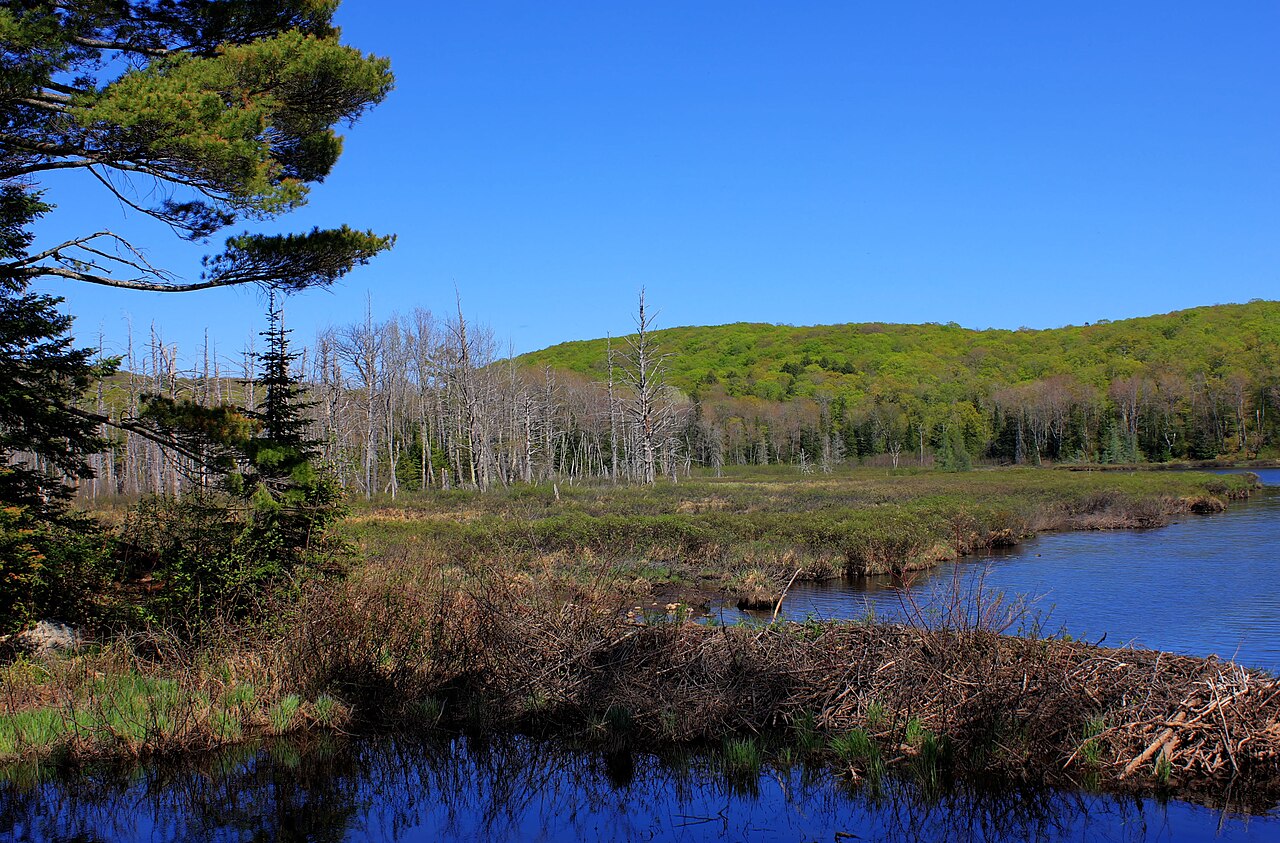
The Porkies are a sanctuary for a wide variety of wildlife, and spotting these creatures is one of the most rewarding things to do in Porcupine Mountains. The park is home to a healthy population of black bears, which are often seen in the backcountry or occasionally near campgrounds. Visitors are required to follow strict food storage protocols to keep both the bears and humans safe. White-tailed deer, pileated woodpeckers, and bald eagles are also common sights throughout the forest and along the river corridors.
For birders, the spring and fall migrations are particularly active times. The diversity of habitatsâfrom lake shore to old-growth forest to wetlandsâattracts a wide range of species. You might hear the haunting call of a loon on the interior lakes or spot a peregrine falcon nesting on the high cliffs of the escarpment. Quiet observation is key; many visitors find that sitting still at a trailhead or along a riverbank for twenty minutes reveals a hidden world of animal activity that hikers often miss as they pass through.