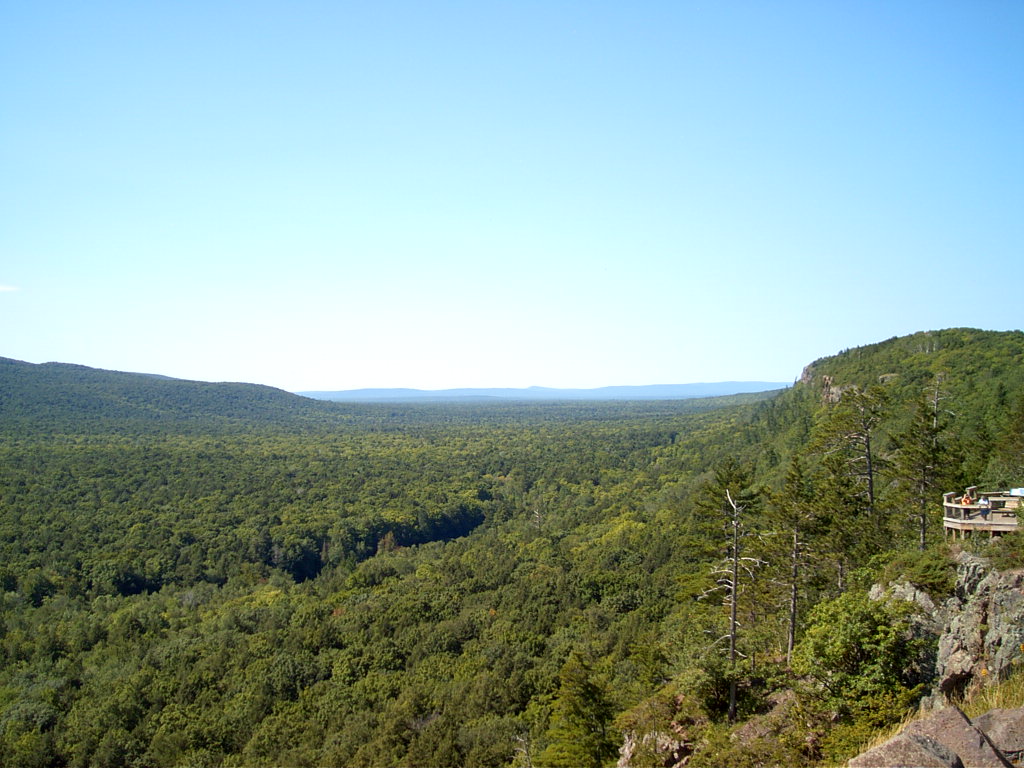
Timing your journey to the Porcupine Mountains, locally known as the Porkies, is essential for experiencing the raw beauty of Michigan's Upper Peninsula. While the park is a year-round destination for hardy adventurers, the window between late spring and early autumn offers the most accessible hiking and scenic vistas. You should prepare for Lake Superior's influence, as the massive body of water dictates the local climate, often creating sudden shifts in temperature and moisture throughout the day.
Summer Exploration and Lake Breezes
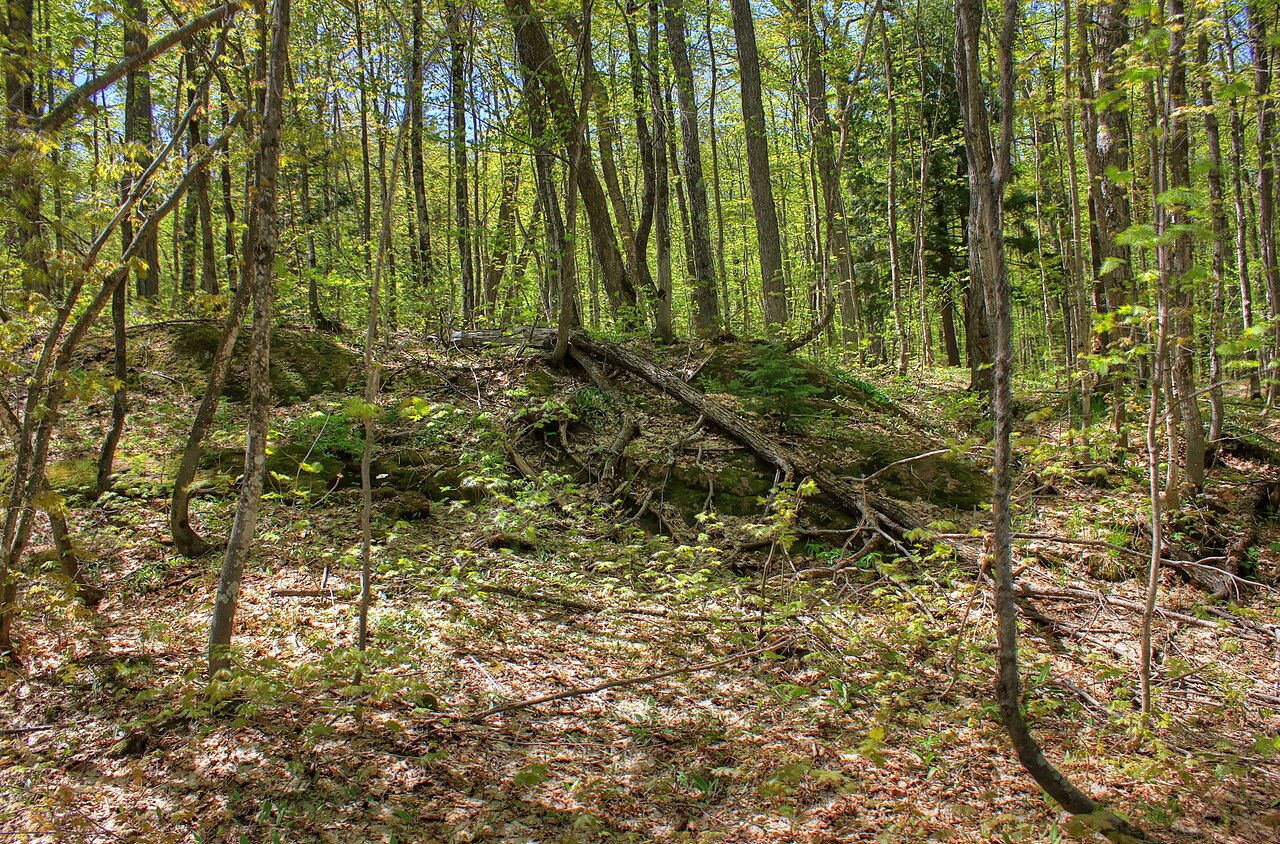
Summer, particularly from July through August, is arguably the best time to visit Porcupine Mountains if you aim to explore the extensive trail system and enjoy Lake Superior. During these months, the temperatures are generally mild, ranging from the 60s to high 70s, though humidity can occasionally rise. The dense canopy of ancient hemlock and hardwood forests provides a natural air conditioner for hikers on the Escarpment Trail.
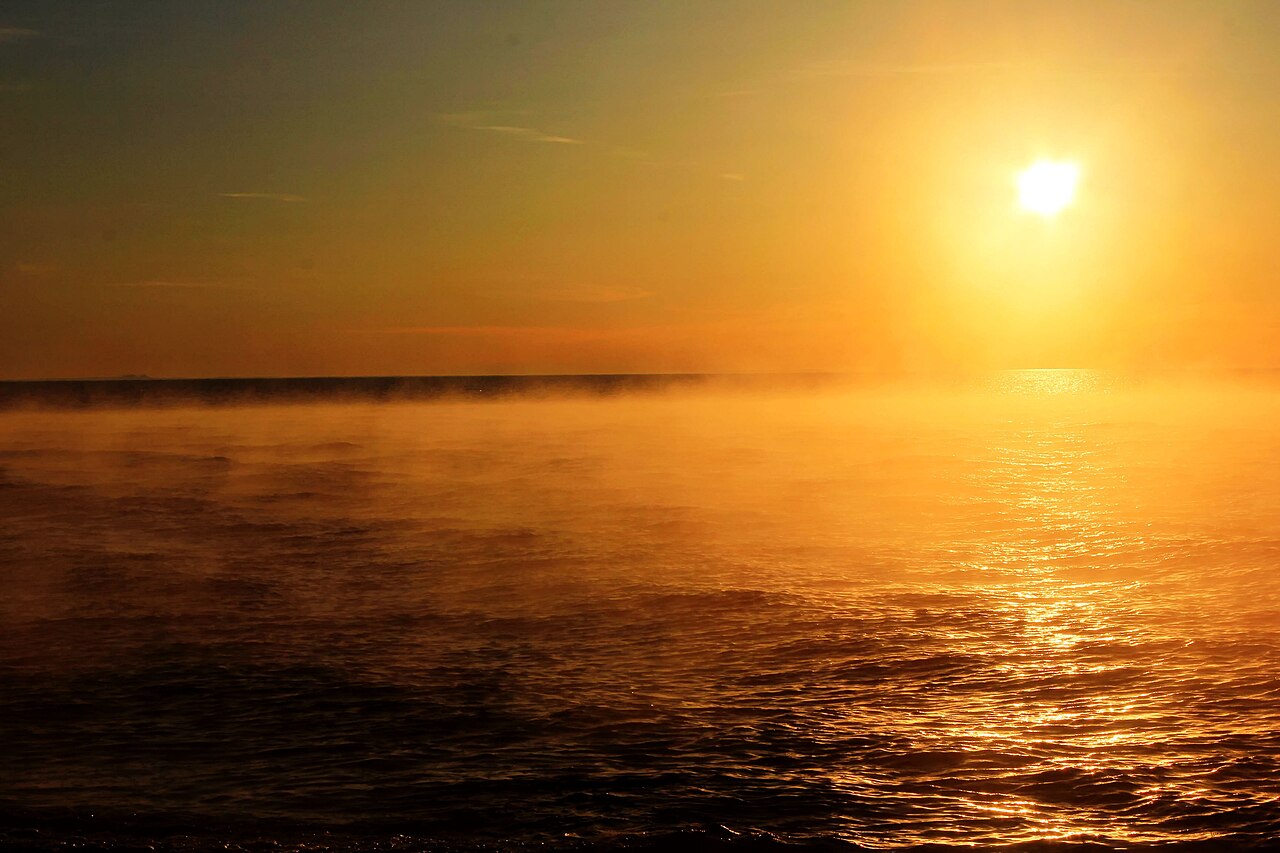
However, summer visitors should be prepared for the famous Upper Peninsula biting insects, including black flies and mosquitoes, which are most active in June and early July. Bringing mesh head nets and appropriate clothing is a standard practice for locals. The long daylight hours during a Michigan summer allow for extended evening sessions at the Lake Superior shoreline, where sunsets over the water are a primary attraction. Because this is the peak tourist season, parking lots at popular trailheads like Lake of the Clouds can fill up by mid-morning, so early starts are highly recommended.
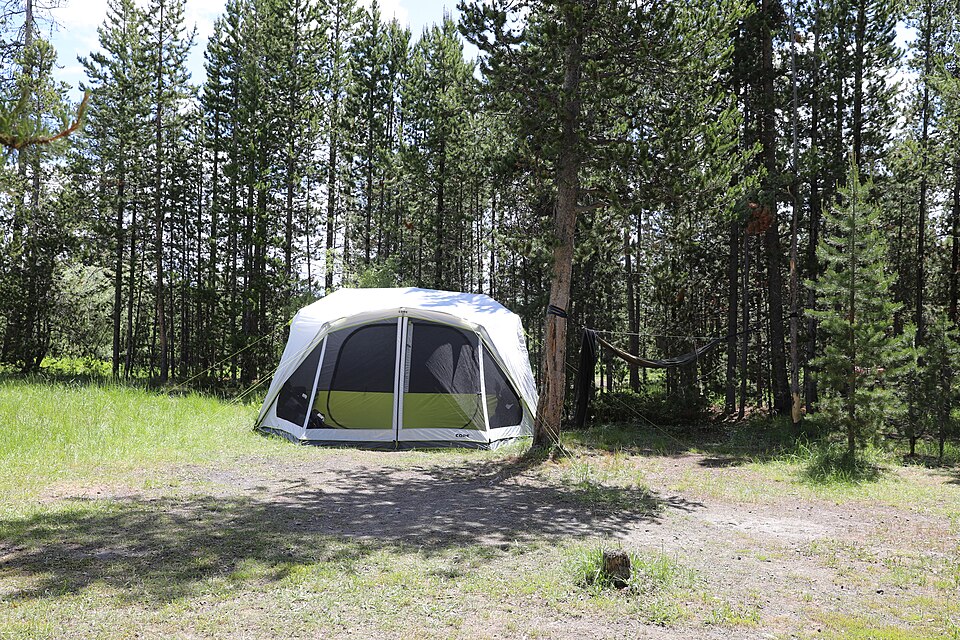
Lock in a stay for this season
RV parks near Porcupine Mountains on RoverPass
Partner link · RoverPass
Autumn Foliage and Crisp Air
Many travelers consider late September to early October the absolute best time to visit Porcupine Mountains due to the legendary fall colors. The park contains one of the largest stands of old-growth hardwood forest in North America, which transforms into a sea of vibrant reds, oranges, and deep golds. The view from the ridges overlooking the Carp River Valley is spectacular during the peak color change.
Temperatures drop significantly in the fall, with crisp mornings often seeing frost and daytime highs hovering in the 50s. This cooler weather effectively eliminates the bug problem, making it a favorite time for long-distance backpackers. It is important to note that the color change happens earlier here than in southern Michigan due to the northern latitude and elevation. Reservations for cabins and campsites during the first two weeks of October often sell out many months in advance, so planning ahead is critical if you want to catch the peak transformation.
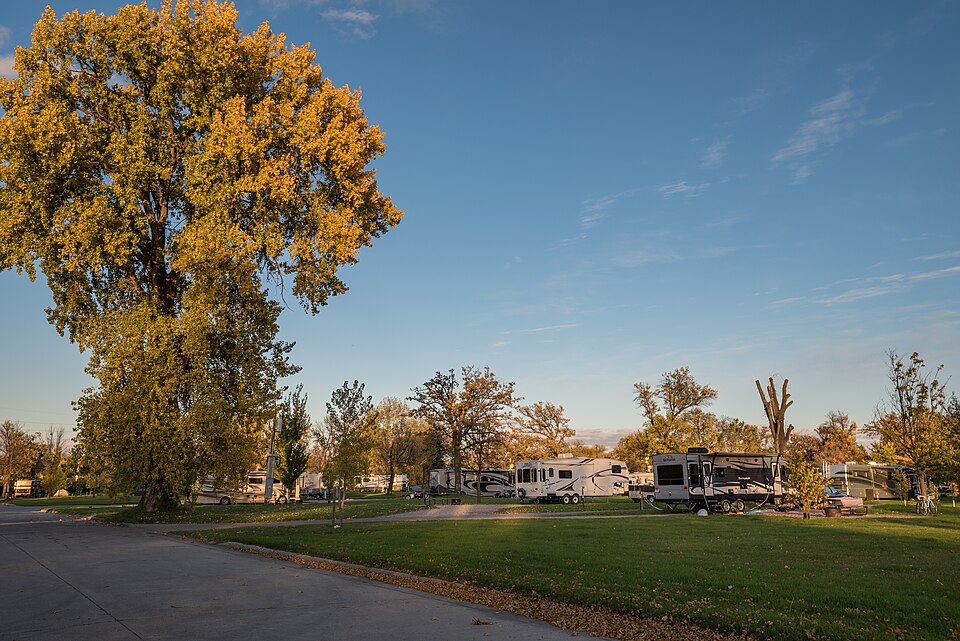
Lock in a stay for this season
Campsites near Porcupine Mountains on Campspot
Partner link · Campspot
Winter Silence and Snowy Peaks
Winter in the Porkies is a season of extreme beauty and quiet, typically lasting from late November through April. The region receives significant lake-effect snow, often totaling over 200 inches annually. This transforms the park into a premier destination for snowshoeing, cross-country skiing, and even downhill skiing at the park-operated ski area. The frozen landscape offers a unique perspective on the waterfalls, which become impressive ice sculptures.
Travelers should be aware that many park roads close during the winter months, and access is limited to specific entry points. Driving conditions in the Upper Peninsula can be hazardous during snowstorms, requiring vehicles equipped for deep snow and ice. While the crowds disappear, the demands for self-sufficiency increase. If you enjoy solitude and don't mind the sub-freezing temperatures, winter provides a serene wilderness experience that few other places in the Midwest can match. Always check the official NPS or state park sites for current road closures and trail conditions before heading out into the backcountry.
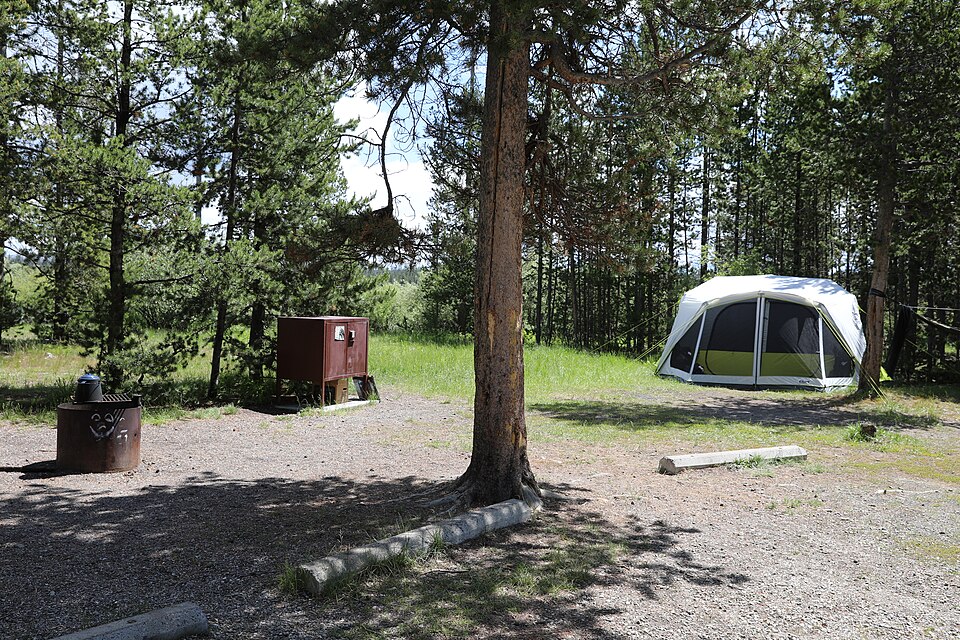
Lock in a stay for this season
Harvest Hosts stays on the way to Porcupine Mountains
Partner link · Harvest Hosts
Spring Thaw and Rushing Waterfalls
Spring is a season of transition in the Porcupine Mountains, usually arriving in May and early June. This is the best time to visit for waterfall enthusiasts, as the melting snowpack and spring rains turn the Presque Isle River and smaller creeks into raging torrents. The power of the water at Manabezho and Nawadaha Falls is at its peak during this window.
However, spring hiking can be challenging. The trails are often extremely muddy, and some lower-elevation paths may be flooded. Snow can linger in the deep shadows of the hemlock groves well into May. This is also the time when the black fly season begins, which can be intense near water sources. For those who prioritize seeing the waterfalls at their most dramatic and don't mind getting a bit of mud on their boots, late spring offers a raw and powerful look at the park's hydrological cycle before the summer crowds arrive.
Crowd Management and Reservations
Managing your expectations regarding crowds is part of choosing the best time to visit Porcupine Mountains. While the park is large enough to find solitude, specific landmarks like the Lake of the Clouds overlook are busy throughout the summer and fall. To avoid the largest groups, plan your visits to these popular spots for Tuesday through Thursday. Weekend travel typically sees an influx of regional visitors from nearby states like Wisconsin and Minnesota.
Regardless of when you choose to go, permit levels are moderate, meaning you must secure spots for backcountry camping and rustic cabins. The Michigan DNR reservation system opens months in advance, and for the peak summer weeks and fall color peak, inventory disappears quickly. If you are looking for a quieter experience, consider the shoulder weeks in late August or early September, when school is back in session but the weather remains warm enough for comfortable camping. Always have a backup plan for lodging, as the gateway towns of Silver City and Ontonagon have limited capacity.
More ways to book Porcupine Mountains
 Illustrative · Yinan Chen
Presque Isle River Waterfalls
One of the classic ways to experience Porcupine Mountains.
Varies (estimate)
Partner link · Viator