
Exploring Pisgah National Forest requires a bit of planning to balance the popular landmarks with the hidden gems. This 2-4 day itinerary focuses on the Ranger District near Brevard, known for its concentrated beauty and accessibility. You will journey from the valley floor to the highest ridges, experiencing the best of the Blue Ridge Mountains. Before you set out, make sure to check the NPS and National Forest websites for the most current information on road conditions, especially if you are traveling during the shoulder seasons.
Day 1: Waterfalls and Heritage
Begin your Pisgah adventure by entering the forest via US 276 North from Brevard. Your first stop should be Looking Glass Falls. This 60-foot waterfall is just steps from the road and is a spectacular way to start the morning. After taking in the views, continue up the road to Moore Cove Falls. The easy 1.5-mile round-trip hike leads you to a waterfall you can actually walk behind, offering a unique perspective of the rock overhang.
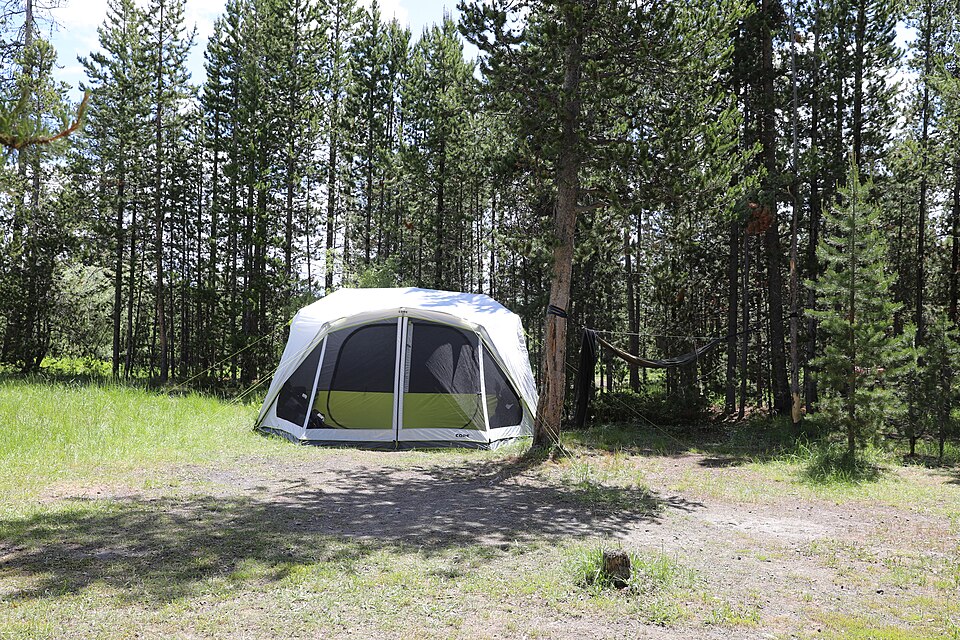
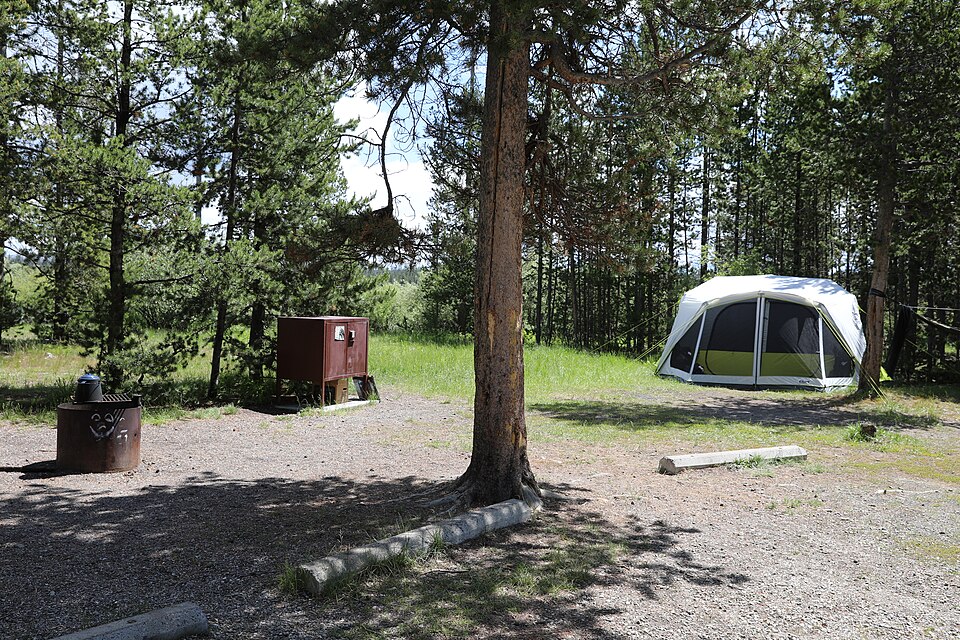
By midday, head to the Cradle of Forestry in America. This historic site is the birthplace of modern forestry in the U.S. and features beautiful trails, historic cabins, and an educational center. Itâs a great spot for a picnic lunch. In the afternoon, head over to Sliding Rock for a refreshing dip down the natural stone waterslide. As evening approaches, set up camp at the Davidson River Campground or head back to a local inn. Finish your day with a quiet walk along the river, watching for fly fishermen casting for trout in the twilight.
Day 2: High Altitudes and Sunsets
On your second day, prepare to climb to the higher elevations of the forest. Drive up to the Blue Ridge Parkway and head south toward the Art Loeb Trailhead at Black Balsam Knob. This area is famous for its 'balds'âmountain peaks covered in grass and low shrubs rather than dense forest. The hike to Black Balsam Knob and Tennent Mountain provides some of the most expansive 360-degree views in the Eastern United States. The air is thinner and cooler here, so bring an extra layer even in summer.
After your hike, spend the afternoon exploring Graveyard Fields. Despite its somber name, this is a lush valley filled with wild blueberries (in late summer) and two beautiful waterfalls accessible via a loop trail. It is one of the most popular spots on the Parkway, so patience with parking is key. To cap off the day, drive a few miles further to the Cowee Mountains Overlook. At an elevation of nearly 6,000 feet, this is one of the best places in the region to watch the sunset over the endless ridges of the Smokies and Pisgah.
Day 3: The Granite Monolith and River Life
Dedicate your third morning to the most famous hike in the district: Looking Glass Rock. This strenuous 6.5-mile round-trip trail climbs steadily through a diverse forest of hardwoods and laurel thickets. The view from the topâa massive flat granite overlookâis awe-inspiring and gives you a true sense of the scale of the forest. It is best to start this hike early, around 8:00 AM, to beat both the heat and the midday crowds.
After descending, spend a relaxing afternoon near the North Mills River area. This part of the forest is slightly more secluded and offers great spots for wading or simply sitting by the water. If you have brought mountain bikes, the trails around Bent Creek are a fantastic way to spend your final afternoon. For those who prefer a more laid-back end to the trip, visit the Pisgah Center for Wildlife Education to see the trout hatchery and learn about the local ecosystem. Spend your final night under the stars, reflecting on the vast wilderness youâve explored over the past few days.
Where to sleep
Harvest Hosts stays on the way to Pisgah National Forest
Partner link · Harvest Hosts
Day 4: Optional Extension to Mount Pisgah
If you have an extra day, head north on the Blue Ridge Parkway toward the actual Mount Pisgah summit. The trail to the top is rocky and steep but relatively short at 1.5 miles one way. From the summit, you can see the distinctive TV tower and look back toward the ridges you hiked on Day 2. Near the trailhead, the Mount Pisgah Inn offers a chance to grab a meal with a view, though reservations are often necessary.
In the afternoon, drive down toward the French Broad River valley. This area offers opportunities for flat-water paddling or tubing, providing a different perspective of the forest from the water level. You can also explore the North Carolina Arboretum, located at the edge of the forest, which features beautifully manicured gardens and miles of easy walking trails through the woods. This extension allows for a slower pace, letting you soak in the last bits of mountain air before heading back to the gateway cities. Itâs a perfect way to round out a comprehensive tour of the forest's diverse landscapes.
Travel Tips and Logistics
Getting to Pisgah is relatively easy, as the forest is located just outside of Asheville and Brevard, North Carolina. The nearest major airport is Asheville Regional (AVL), which is about a 20-to-30-minute drive from the main forest entrance. If you are driving from further away, the forest is easily accessible from I-26 or I-40.
When planning your budget, remember that while there is no entrance fee for the forest itself, some specific sites like Sliding Rock or the Cradle of Forestry have small per-person fees. Camping costs vary depending on the level of amenities provided. Always carry a physical map, as cell service is extremely unreliable once you enter the deep valleys or climb behind the ridges. Lastly, the weather can be significantly different between the town of Brevard and the top of the Parkway, so the 'layering' rule of mountain travel always applies here. Checking the official Forest Service website for 'Alerts & Notices' before you leave your hotel or campsite will ensure you don't run into unexpected road or trail closures.

More ways to book Pisgah National Forest
 Illustrative · Diego Angel
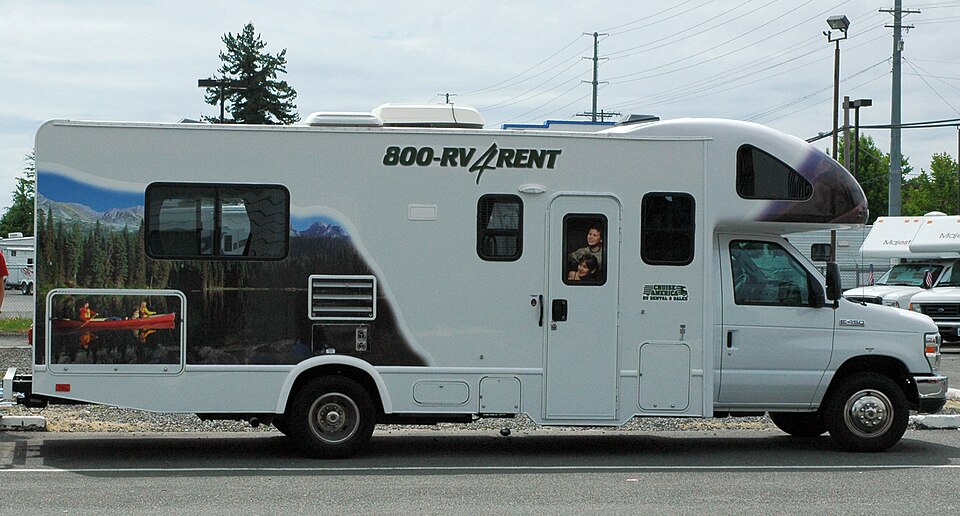
Sprinter Adventure Van
Small enough to park at the trailhead, comfy enough to sleep in.
$189/day (estimate)
Direct link · RVshare