
Pisgah National Forest covers over half a million acres of North Carolinaâs most rugged and beautiful terrain. Deciding on the best time to visit Pisgah National Forest depends largely on whether you prefer the vibrant greens of a mountain spring or the famous fiery canopy of autumn. Because the forest spans a vast range of elevations, from river valleys to peaks over 6,000 feet, the timing of the seasons varies significantly as you climb. Visitors should prepare for changing conditions by checking the official National Forest and NPS websites for current road closures and weather updates.
Spring Blooms and Rushing Falls
Spring arrives in the lower elevations of Pisgah by late March, slowly creeping up the mountainsides through May. This is a spectacular time for hikers who enjoy wildflowers, as trillium, rhododendron, and mountain laurel begin their annual displays. The forest floor awakens with a carpet of greenery before the thick canopy fully closes in.
One of the greatest benefits of a spring visit is the volume of the waterfalls. As the winter snow melts at higher elevations and spring rains become more frequent, landmarks like Looking Glass Falls and Moore Cove Falls are at their most powerful. Temperatures are generally mild during the day but can still dip toward freezing at night, especially in the higher ridges. Crowds are thinner than in the summer months, making it an ideal time for those seeking solitude on the trails. Be mindful that high-elevation roads like parts of the Blue Ridge Parkway may remain closed until late spring depending on ice damage.
Lock in a stay for this season
RV parks near Pisgah National Forest on RoverPass
Partner link · RoverPass
Summer in the High Country
Summer is the most popular season for families and outdoor enthusiasts looking to escape the heat of the North Carolina Piedmont. While cities like Charlotte or Raleigh might be sweltering, the high-altitude forests of Pisgah offer a natural air conditioning. Daytime temperatures in the valleys stay in the eighties, but once you ascend toward the Blue Ridge Parkway, temperatures rarely exceed seventy-five degrees.
This is the prime season for water activities. Visitors flock to the Davidson River for fly fishing or cool off in the natural waters of Sliding Rock. Afternoon thunderstorms are a common occurrence in the Southern Appalachians, often rolling in quickly and dissipating just as fast. These rains keep the forest lush and temperate but require hikers to be prepared with rain gear and a plan to reach lower ground if lightning occurs. Because this is peak season, popular trailheads and campgrounds fill up early in the day, so arriving before 9:00 AM is recommended.
Lock in a stay for this season
Campsites near Pisgah National Forest on Campspot
Partner link · Campspot
The Magic of Fall Foliage
Autumn is arguably the most visually stunning time to explore the forest. The diversity of hardwood trees, including maples, oaks, and poplars, creates a mosaic of red, orange, and gold that stretches for miles across the mountain ridges. Peak color usually begins at the highest elevations in early October and moves down to the forest floor by early November. This window of time attracts photographers and sightseers from across the country, particularly along the scenic corridors near Brevard and Asheville.
Expect crisp, dry air and perfectly clear skies, which offer the best visibility from overlooks like Black Balsam Knob. However, this is also the busiest time of year. Traffic on the main forest roads can be heavy, and parking at popular spots like Graveyard Fields becomes very limited. If you plan to visit during the fall, booking your campsite or nearby lodging several months in advance is essential. Nights get quite cold, often dropping below freezing, so packing layers is a necessity for anyone staying after sunset.
Lock in a stay for this season
Harvest Hosts stays on the way to Pisgah National Forest
Partner link · Harvest Hosts
Winter Silence and Long Views
Winter in Pisgah is the quietest season, offering a completely different perspective of the landscape. Once the leaves have fallen, the 'long views' open up, revealing rock formations and distant ridges that are hidden during the lush summer months. While some higher-elevation roads and campgrounds close for the season, the lower-elevation areas near the Davidson River remain accessible and offer peaceful hiking and world-class trout fishing.
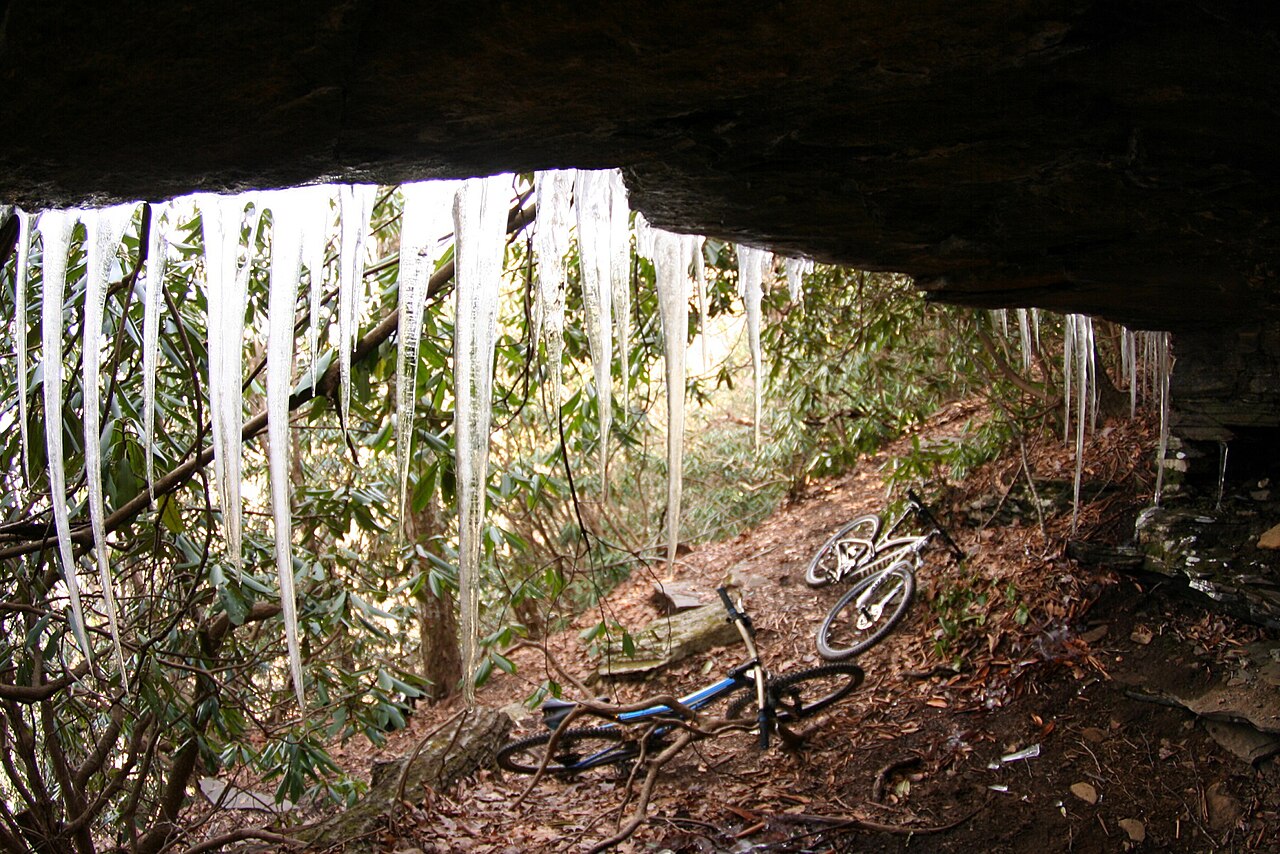
Snow is common, especially above 4,000 feet, transforming the forest into a white wilderness. This is the best time for experienced hikers who want to avoid crowds and enjoy the stark beauty of ice-covered cliffs and frozen seeps. However, visitors must be self-sufficient, as services are limited and weather can change rapidly. Always check the status of the Blue Ridge Parkway and Forest Service roads, as heavy snow or ice can lead to multi-day closures. Cost-wise, this is the most budget-friendly time to visit, with lower rates at regional gateway lodgings and plenty of available space in year-round campgrounds.
Managing Crowds and Reservations
Pisgah is one of the most visited national forests in the United States, meaning timing is everything if you want to avoid the rush. Weekend traffic is consistently high from June through October. To experience the forest at its best, consider a mid-week trip. Tuesdays and Wednesdays offer a much quieter atmosphere at popular swimming holes and overlooks.
Reservations are a critical part of planning. Many developed campgrounds, such as Davidson River or North Mills River, can be booked through the national reservation system. These spots often fill up six months in advance for holiday weekends and the peak of fall color. If you are looking for a last-minute trip, there are dispersed camping options in certain areas of the forest, though these require you to be fully prepared for a 'Leave No Trace' experience with no facilities. Regardless of when you go, stopping at a ranger station to get the latest maps and advice on trail conditions is a smart first step for any Pisgah adventure.
More ways to book Pisgah National Forest
 Illustrative · LithiumFlash
Looking Glass Rock Hike
One of the classic ways to experience Pisgah National Forest.
Varies (estimate)
Partner link · Viator