
Pinnacles National Park is a playground for those who love unique geology and rare wildlife. Formed by an ancient volcano that moved hundreds of miles along the San Andreas Fault, the park features towering monoliths, deep canyons, and mysterious talus caves. Whether you are a casual walker or a seasoned climber, there is a diverse range of activities that showcase the rugged beauty of Central Californiaâs inland mountains.
Hiking the Iconic High Peaks Trail
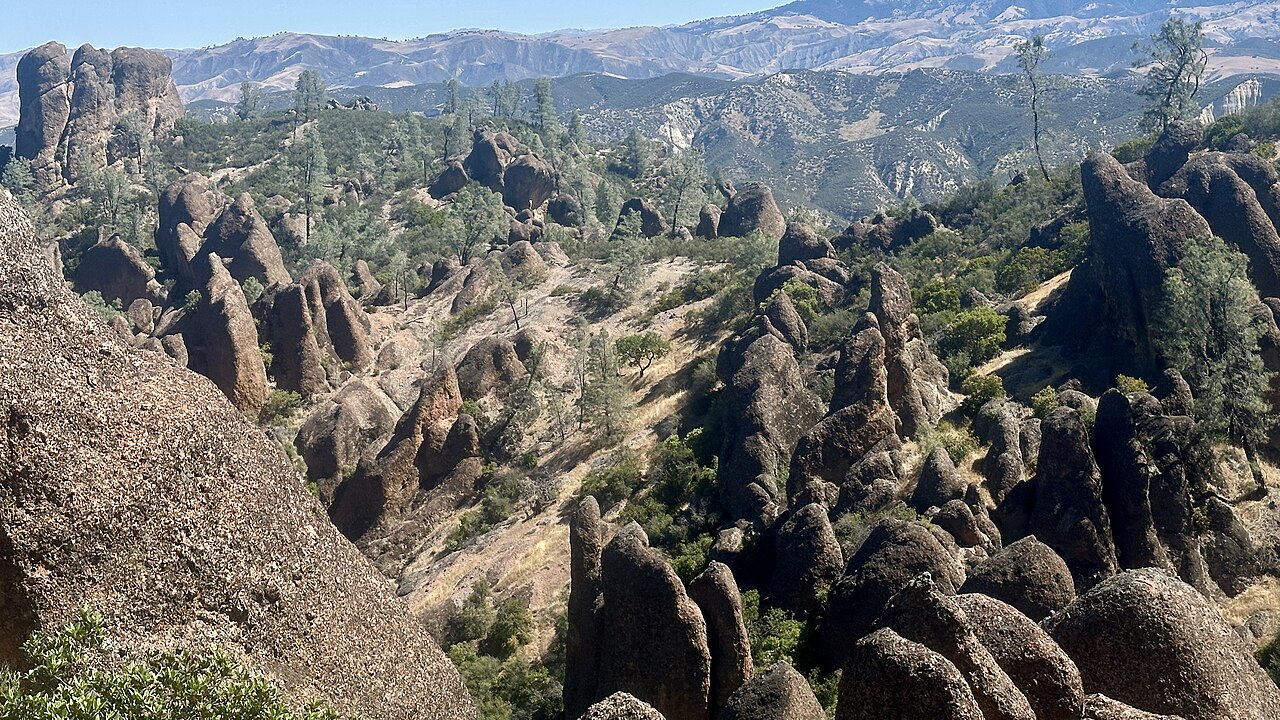
The High Peaks Trail is the crown jewel of the park's hiking network, offering an exhilarating journey through the heart of the volcanic formations. This trail is famous for its 'steep and narrow' section, where railings and steps are carved directly into the rock to help hikers navigate the sheer spires. As you ascend, the panoramic views of the Gabilan Range and the Salinas Valley unfold, providing a sense of scale for the massive tectonic forces that shaped this region.
This trail is also the premier location for spotting the California condor. These massive birds, with wingspans reaching nine feet, are often seen perched on the highest rocks or soaring overhead. The hike is strenuous and requires a good deal of stamina, but the reward of standing among the massive monoliths is unparalleled. It is best to start this hike early in the morning to avoid the midday sun and to increase your chances of seeing wildlife active along the ridges. Remember to stay on the designated paths to protect the fragile alpine environment that exists among the crags.
Exploring the Mysterious Talus Caves
Unlike traditional limestone solution caves, the caves at Pinnacles are 'talus caves,' formed when massive boulders fell into narrow canyons, creating a roof over the passages below. There are two main cave systems to explore: Bear Gulch Cave on the east side and Balconies Cave on the west side. Walking through these caves involves scrambling over rocks, ducking under low ceilings, and occasionally wading through shallow pools of water, making it a thrilling adventure for visitors of all ages.
A headlamp or flashlight is mandatory, as the interiors are pitch black in many sections. The caves are home to a sensitive colony of Townsend's big-eared bats, which means sections of the caves may be closed seasonally to protect them during pupping or hibernation. It is essential to check the official NPS website for the current cave status before your visit. The cool, damp air inside the caves provides a refreshing contrast to the dry heat of the trails above, making them a favorite destination during the warmer months. These geological labyrinths are a must-see for anyone interested in the park's unique formation history.
Rock Climbing the Volcanic Breccia
Pinnacles has been a destination for rock climbers for decades, known for its unique and sometimes crumbly volcanic breccia. The rock is a mix of fragments embedded in a fine-grained matrix, creating a climbing experience that requires careful footwork and a gentle touch. There are hundreds of routes ranging from accessible top-rope options to multi-pitch traditional climbs. Popular areas like Discovery Wall and Machete Ridge offer a variety of challenges for different skill levels.
Climbers must be aware of seasonal closures designed to protect nesting raptors, including prairie falcons and peregrine falcons. These closures usually run from early spring through mid-summer, and staying informed is crucial for conservation efforts. Because the rock can be fragile, it is recommended to climb with experienced partners who are familiar with the specific nature of Pinnacles breccia. For those new to the sport, the lower-elevation boulders provide a great introduction to the texture of the stone. Always ensure your gear is in top condition and respect the natural environment by following Leave No Trace principles while at the crags.
Wildlife Watching and Condor Spotting
Pinnacles is one of the few places in the world where you can see the California condor in the wild. These critically endangered birds were reintroduced to the park as part of a massive recovery effort, and they have since thrived among the high cliffs. Beyond the condors, the park is a haven for a variety of wildlife. You might spot bobcats, gray foxes, and coyotes in the early morning or late evening. The park is also home to one of the most diverse bee populations in the world, with hundreds of species buzzing among the spring wildflowers.
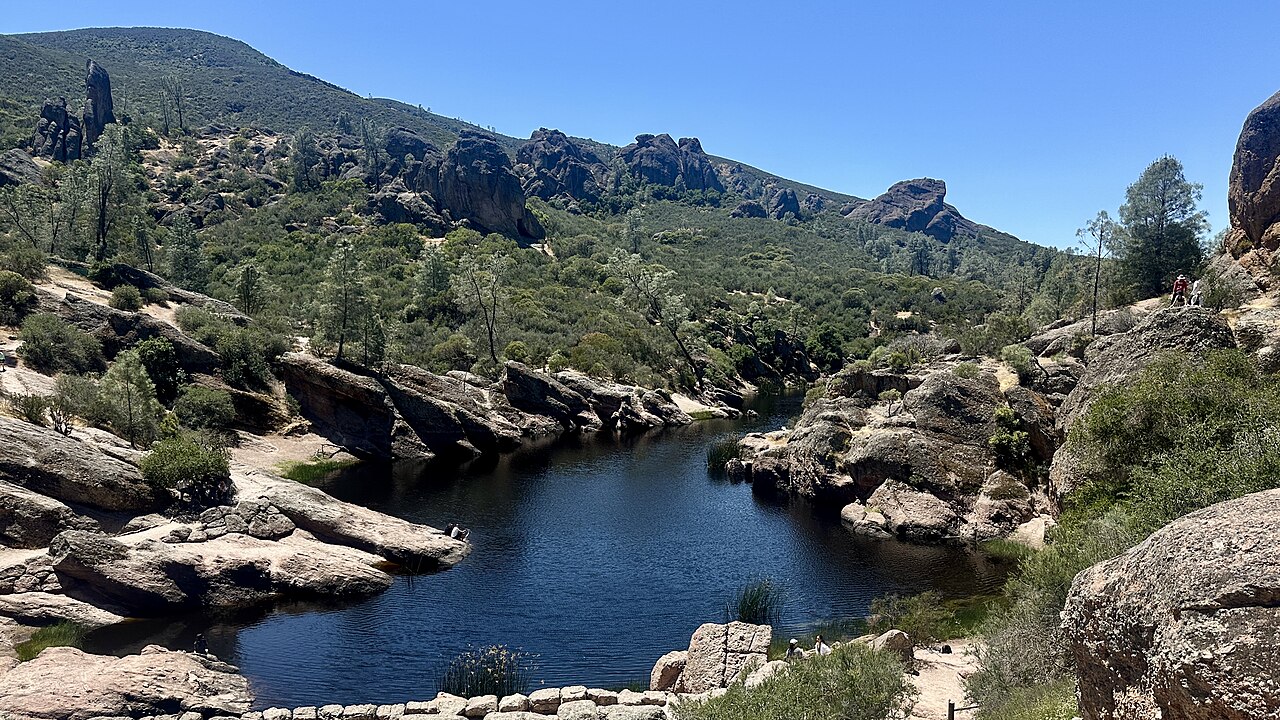
For the best birdwatching, head to the High Peaks or the Scout Peak area. Binoculars are highly recommended to get a better look at the condor's numbered wing tags, which biologists use to track individual birds. Near the water sources, like the Bear Gulch Reservoir, you can find California red-legged frogs and a variety of dragonflies. The interaction between the dry chaparral and the moist riparian zones creates a rich ecosystem that provides endless opportunities for nature enthusiasts and photographers to capture the wild spirit of the Central Coast.
Family Adventures and Rainy Day Options
Pinnacles is a fantastic destination for families, offering trails that range from easy strolls to adventurous scrambles. The Moses Spring Trail is a popular choice for those with children, as it leads to the Bear Gulch Reservoir and passes through some of the easier cave sections. Kids will love the sense of discovery as they navigate the rocky tunnels. For a rainy day, the visitor centers on both the east and west sides offer educational exhibits about the park's volcanic origins and the San Andreas Fault.
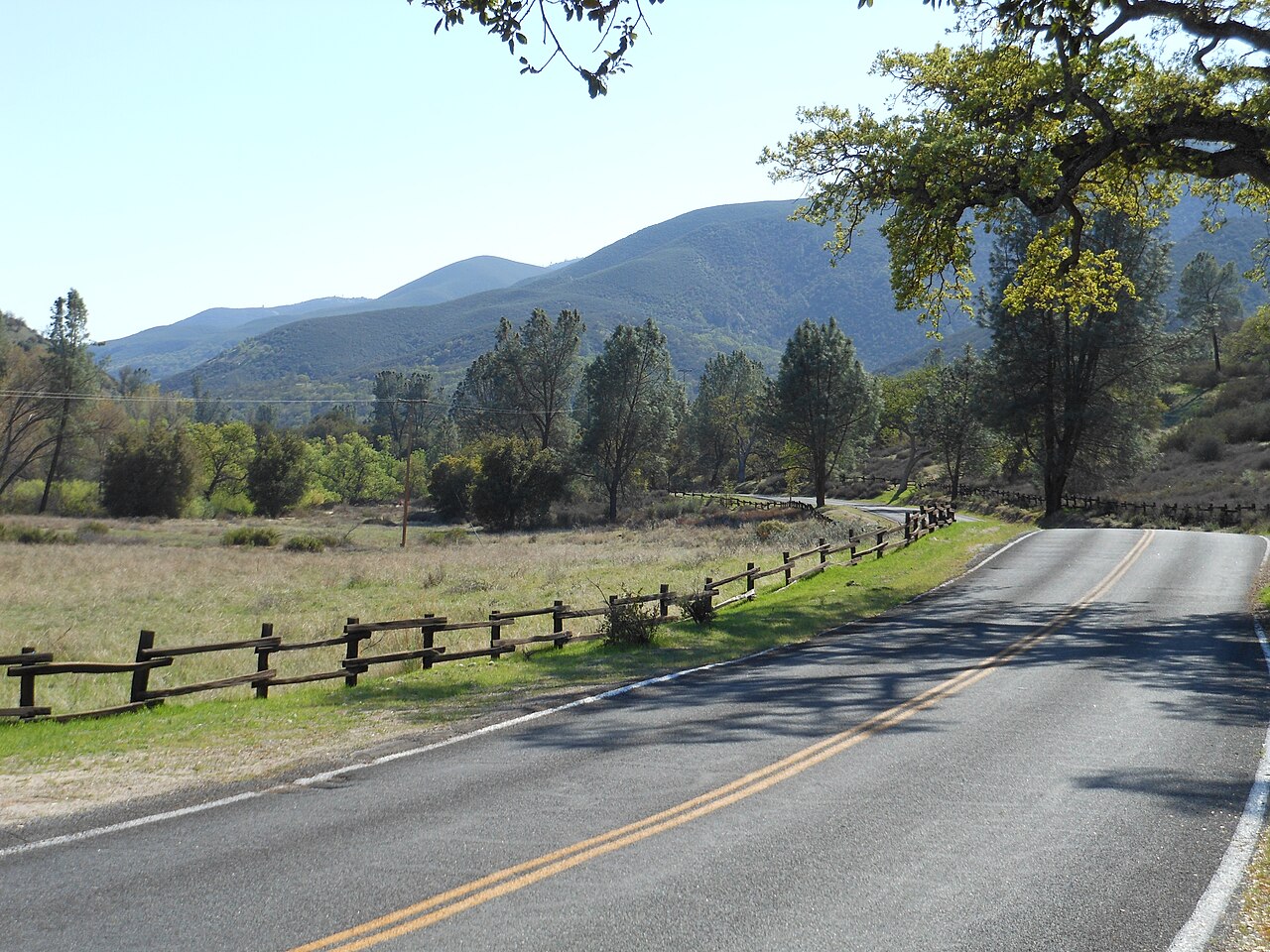
While there are no scenic drives that cut through the center of the park, the drives to the east and west entrances offer beautiful views of the surrounding ranch lands and rolling hills. If it is raining, the caves can be a damp but exciting option, though you should be wary of slippery rocks. The picnic areas near the trailheads provide a great place to relax and enjoy the scenery between showers. Always keep an eye on the weather forecast, as rain can make the steep trails muddy, but it also brings out the vibrant colors of the rocks and moss, offering a different perspective on the parkâs beauty.