
Located just a short drive from the Monterey coast, Pinnacles National Park offers a rugged escape into a world of ancient volcanic spires. This two-day itinerary is designed to help you navigate the parkâs unique layout, which is split into two distinct sides with no connecting road. By spending one day on the East Side and another on the West Side, you will experience the full breadth of the parkâs geological wonders, from its hidden caves to its highest summits.
Arrival and Logistics
Your journey begins at Monterey Regional Airport (MRY), the nearest major transit hub. From the airport, it is a scenic 73-mile drive to the East Entrance of Pinnacles, which typically takes about an hour and forty-five minutes. We recommend renting a vehicle with good clearance, though standard cars are fine for the paved access roads. Since there are no gas stations or grocery stores inside the park, stop in the gateway cities of Salinas or Hollister to stock up on fuel, plenty of water, and trail snacks.
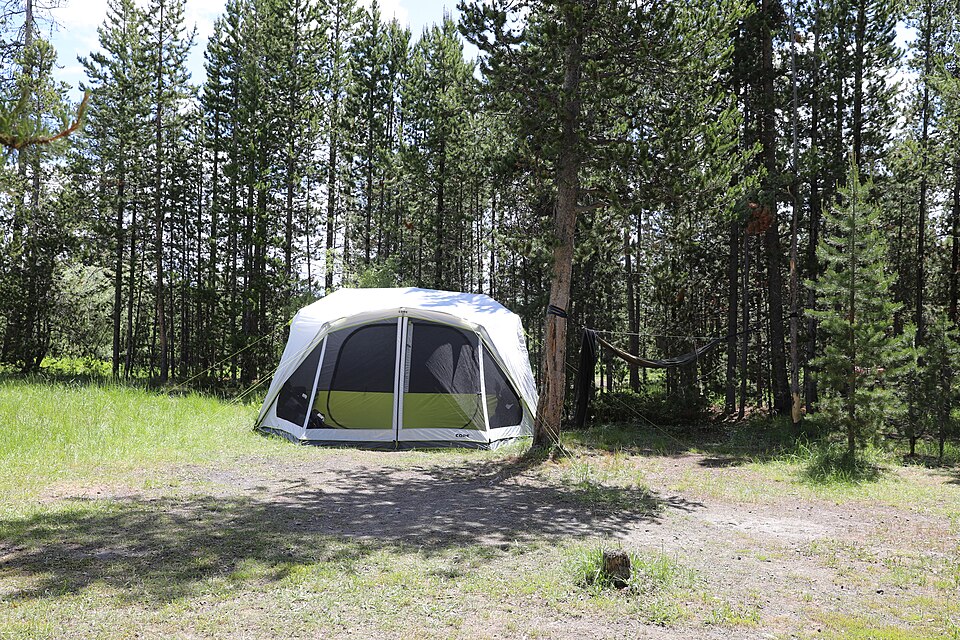
Aim to arrive at the East Side visitor center by mid-morning to get your bearings. The East Side is home to the parkâs only campground and the Bear Gulch area, making it the best place to start your adventure. Pick up a park map and check the current status of the caves and any trail closures. If you are visiting during the busy spring months, be prepared to use the park shuttle to reach the trailheads, as parking lots fill up quickly.
Day 1: East Side Peaks and Caves
Start your first full day early at the Bear Gulch Day Use Area. Begin with the Moses Spring Trail, a moderate loop that takes you through the Bear Gulch Cave system. Be sure to have your headlamp ready for the dark chambers. Emerging from the cave, you will find yourself at the serene Bear Gulch Reservoir, a perfect spot for a quick break. From here, connect to the High Peaks Trail. This is the most iconic stretch of the park, where you will climb into the heart of the volcanic spires.
Spend your afternoon navigating the 'steep and narrow' section of the High Peaks Trail. This is where you are most likely to see California condors soaring at eye level. The views extending toward the Salinas Valley are breathtaking. Complete the loop by descending via the Rim Trail or the Blue Oak Trail, which offers a different perspective of the rock formations and the chaparral ecosystem. End your day with a sunset picnic at the Peaks View area before heading back to your campsite or lodging in a nearby town like Hollister.
Day 2: West Side Wonders
On your second day, drive around the mountains to the West Entrance near Soledad. Note that it takes about 90 minutes to drive from one entrance to the other, as you must go all the way around the range. The West Side offers a more rugged and less crowded experience. Start at the Chaparral Trailhead and hike the Balconies Cliffs-Cave Loop. This trail provides stunning views of the massive Balconies rock face, a favorite for local climbers.
The Balconies Cave is often considered more adventurous than Bear Gulch, with larger boulders to scramble over. After exploring the cave, take the Juniper Canyon Trail if you have the energy for one more climb. This trail is steep but offers a direct route back toward the High Peaks, providing a different angle of the rock towers you saw the day before. The West Side is particularly beautiful in the late afternoon when the sun hits the orange-hued rhyolite cliffs. After your hike, you can head back toward Monterey or Salinas for a well-earned dinner.
Where to sleep
Harvest Hosts stays on the way to Pinnacles National Park
Partner link · Harvest Hosts
Essential Packing and Tips
Success at Pinnacles depends on preparation. The environment is dry and can be very hot, so carrying at least three liters of water per person is essential for long hikes. Sturdy hiking boots with good traction are a must for the rocky and often steep trails. A headlamp is far superior to a phone flashlight for cave exploration, as it leaves your hands free for scrambling. Don't forget sun protectionâhats, sunscreen, and lightweight long sleeves are your best friends in the exposed high peaks.
Cell service is virtually non-existent inside the park canyons, so download offline maps or carry a physical map. If you are a birdwatcher, a good pair of binoculars will greatly enhance your experience of spotting condors and falcons. Lastly, remember that Pinnacles is a 'trash-free' park in many areas; whatever you pack in, you must pack out. Keeping the park clean helps protect the fragile habitat of the condors and other native wildlife that make this volcanic landscape so special.
Extending Your Stay
If you have an extra day, consider exploring the surrounding region of Central California. The Soledad area is home to historic missions and several excellent wineries in the Santa Lucia Highlands, perfect for a relaxing afternoon after two days of hiking. You could also take a short drive to the coast to visit Point Lobos State Natural Reserve or the Monterey Bay Aquarium. The contrast between the dry, volcanic spires of Pinnacles and the lush, foggy coastline of Big Sur is a hallmark of the California experience.
For those who want to stay longer in the park itself, there are many secondary trails like the North Wilderness Trail that offer a true backcountry feel with very few other hikers. No matter how long you stay, always check the official NPS site for the latest alerts on weather, fire danger, and trail conditions. Pinnacles may be one of the smaller national parks, but its unique character and the sheer density of its geological features make it a place that rewards those who take the time to explore every nook and cranny.

More ways to book Pinnacles National Park
 Illustrative · Diego Angel
Sprinter Adventure Van
Small enough to park at the trailhead, comfy enough to sleep in.
$189/day (estimate)
Direct link · RVshare