
Petrified Forest National Park is a place of stunning geological diversity and deep human history. Visitors can walk among massive fossilized logs that have turned to solid quartz over millions of years, or gaze out over the vast, multi-hued vistas of the Painted Desert. Whether you are a dedicated hiker looking to trek into the backcountry or a family on a road trip seeking accessible overlooks, the park offers a variety of ways to engage with the prehistoric past. The 28-mile scenic drive serves as the main artery connecting these world-class natural wonders.
Marvel at the Blue Mesa Trail
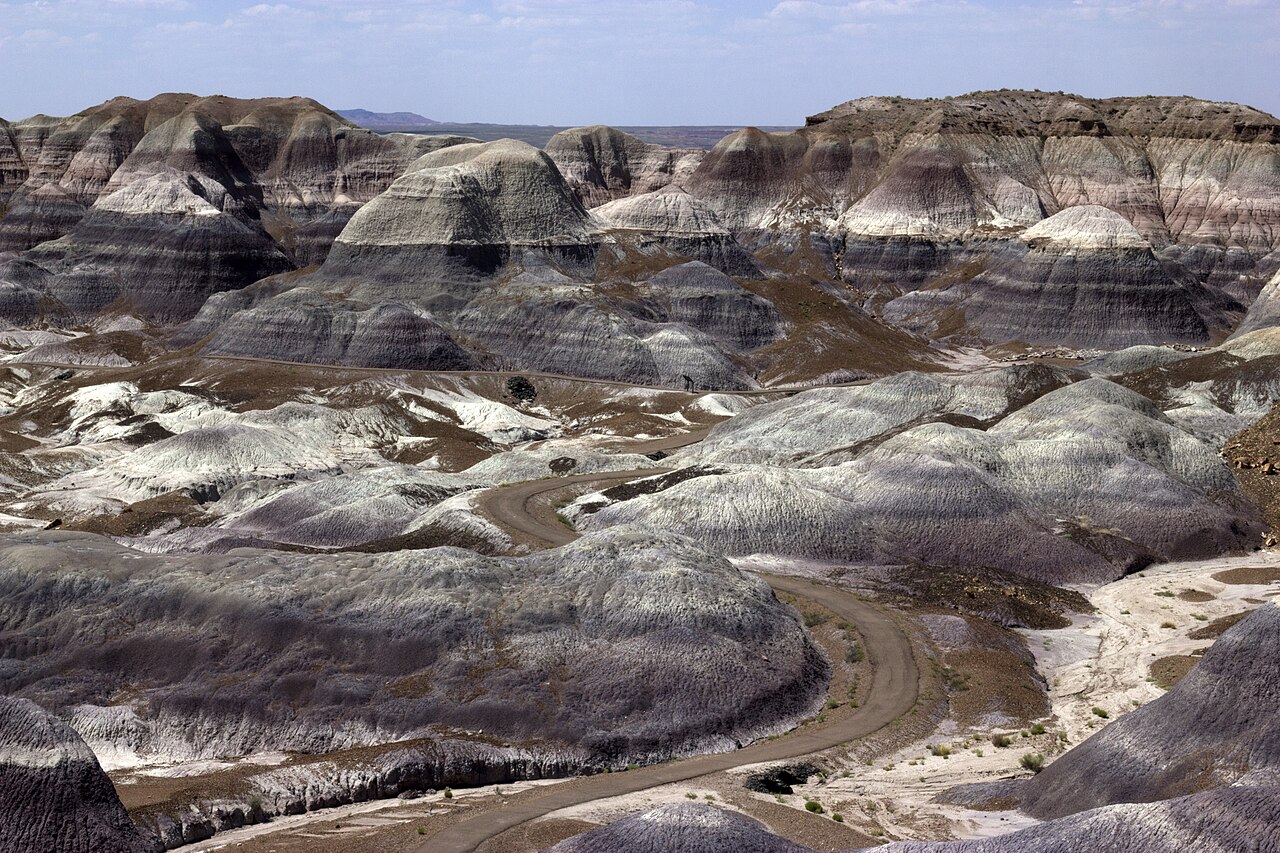
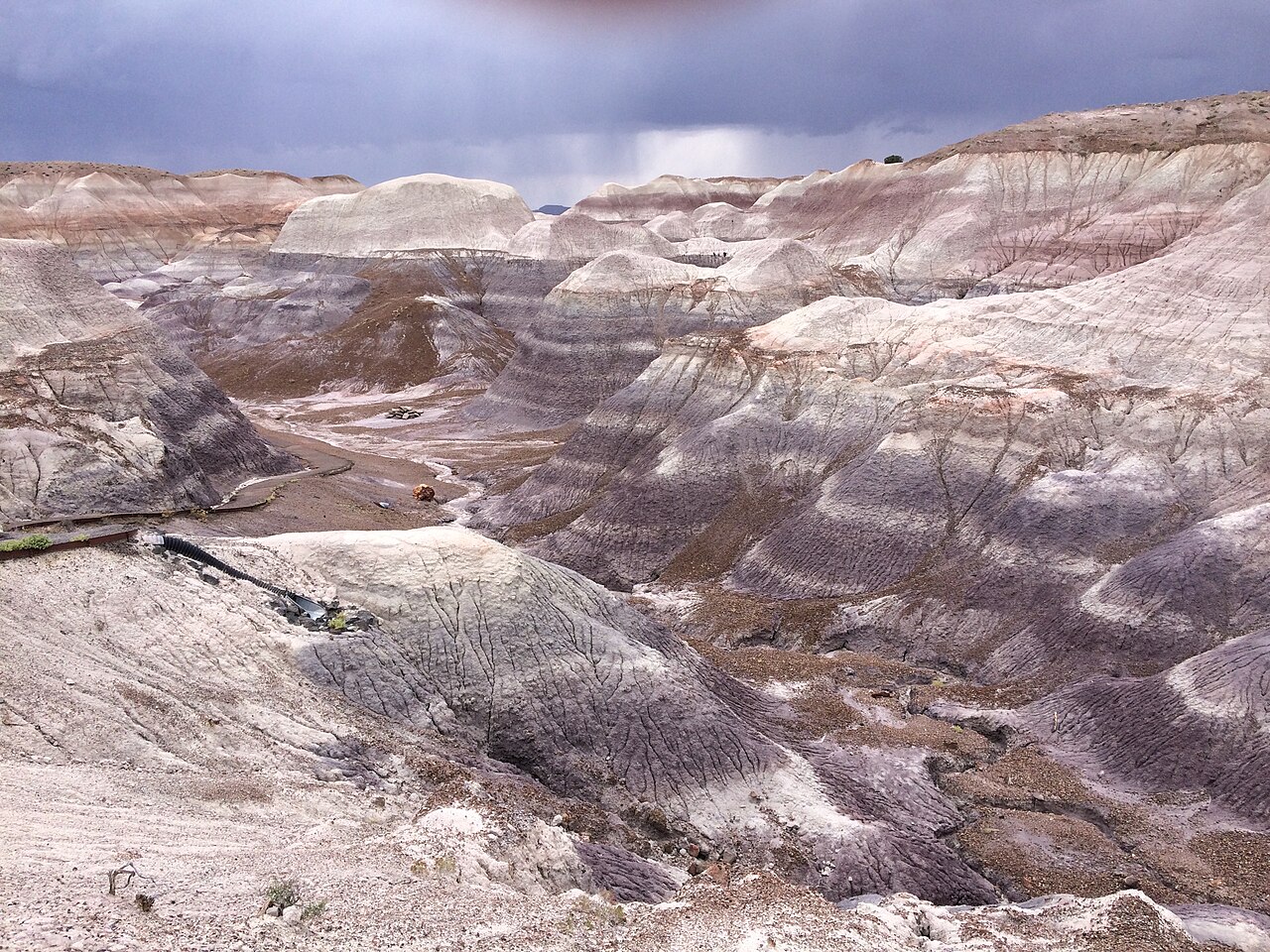
The Blue Mesa Trail is arguably the most scenic short hike in the park. This one-mile loop descends from the mesa rim into a vibrant basin of blue, purple, and gray bentonite clay badlands. As you walk along the paved path, you will see petrified wood sections balanced precariously on pedestals of eroding soil. The contrast between the soft, undulating hills and the heavy, crystalline logs is a highlight for any photographer.
Because the clay can become extremely slippery and sticky when wet, this trail is best enjoyed on a dry day. The ascent back to the parking lot is somewhat steep, but the path is well-maintained. It is a fantastic place to witness the power of erosion, which constantly reveals new fossils as the landscape shifts over time. Give yourself about an hour to fully appreciate the unique textures and colors of this ancient environment, and remember to stay on the designated path to protect the fragile desert crust.
Explore the Giant Logs and Crystal Forest
To see the largest and most colorful concentrations of fossilized wood, head to the southern end of the park. The Giant Logs Trail, located right behind the Rainbow Forest Museum, features 'Old Faithful,' a massive log nearly ten feet across at its base. This trail offers a close-up look at the rainbow-colored quartz crystals that have replaced the original wood cells over 200 million years.
Nearby, the Crystal Forest trail provides a longer walk through a high concentration of logs that once shimmered with amethyst and clear quartz before historic over-collecting occurred. Even today, the sheer volume of petrified wood scattered across the rolling hills is breathtaking. These trails are relatively flat and accessible, making them ideal for families with children. As a reminder, it is strictly prohibited to remove even the smallest piece of petrified wood from the park; instead, you can purchase legally sourced samples from shops in the gateway cities of Holbrook or Winslow to take home as souvenirs.
Step Back in Time at Puerco Pueblo
Human history is as much a part of this park as the fossils. Puerco Pueblo is the site of a hundred-room village occupied by the ancestral Puebloan people over 600 years ago. A short, paved loop trail takes you through the remnants of the stone foundations. Along the way, you can spot several well-preserved petroglyphs carved into the sandstone boulders.
One of the most famous features here is a solar marker petroglyph that interacts with a shaft of light during the summer solstice. The site offers a quiet place to reflect on how ancient civilizations thrived in this seemingly harsh desert environment. The views from the pueblo site look out over the Puerco River valley, providing a sense of the scale of the landscape these inhabitants navigated daily. Interpretive signs help explain the significance of the drawings and the architecture, providing context for the cultural heritage of the region. It is a must-visit for anyone interested in the intersection of archaeology and natural history.
Drive the Painted Desert Overlooks
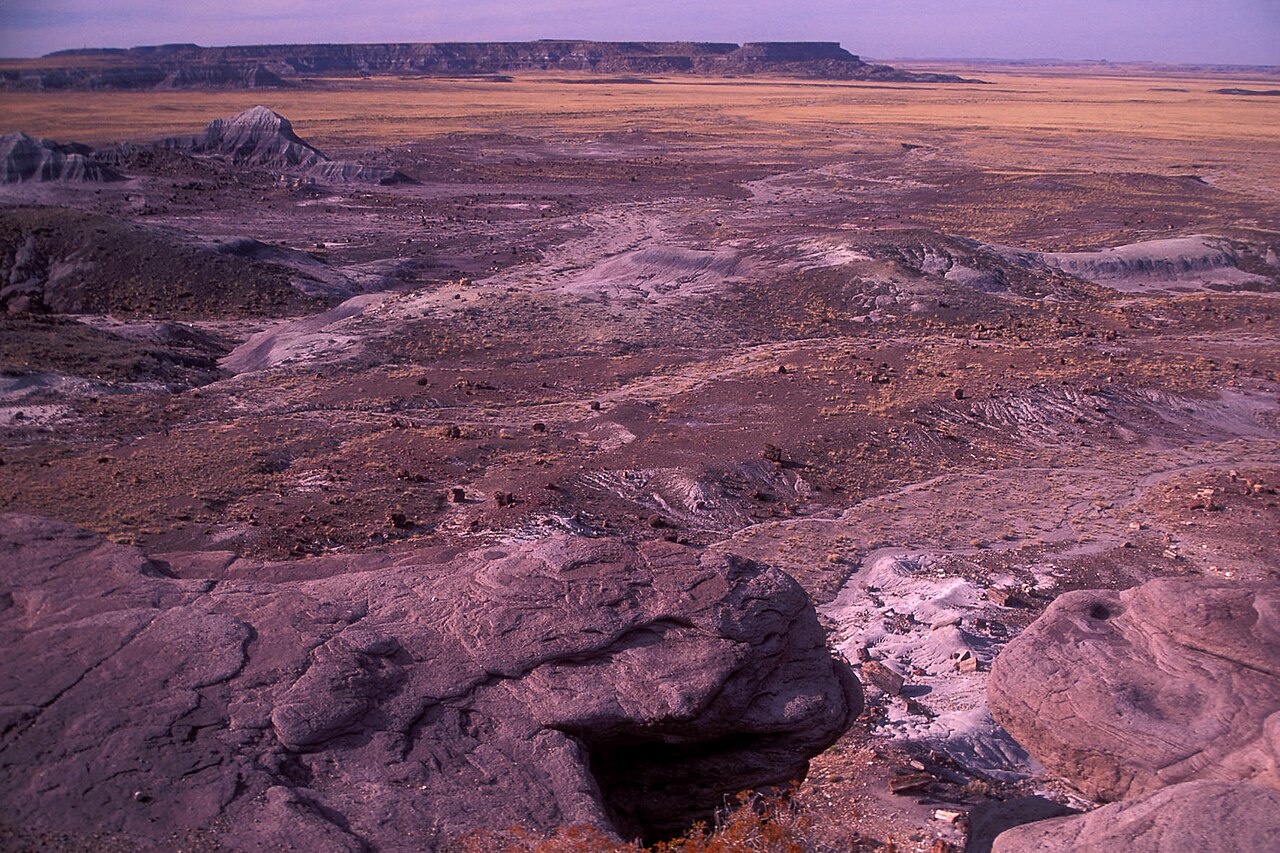
The northern section of the park is dedicated to the vast, sweeping views of the Painted Desert. The park road skirts the rim of this colorful basin, offering numerous pullouts such as Tiponi, Tawa, and Kachina Points. Each overlook provides a different perspective on the banded layers of siltstone, mudstone, and shale that glow in shades of red, orange, and lavender.
For a deeper look, visit the Painted Desert Inn National Historic Landmark. Originally built in the 1920s with petrified wood and later renovated by the CCC in the Pueblo Revival style, the building now serves as a museum. Its large windows frame the desert like a living painting. On a rainy day, this is the perfect spot to take shelter while still enjoying the scenery. The innâs interior features murals by Hopi artist Fred Kabotie, which depict traditional life and beliefs. The combination of historic architecture and natural grandeur makes the northern drive a highlight of the park, especially during the late afternoon when the shadows lengthen and the colors intensify.
Family Adventures and Wildlife Spotting
Petrified Forest is an exceptionally family-friendly park because many of its best features are located just a short walk from the car. Children can participate in the Junior Ranger program, which includes activities that teach them about paleontology and desert ecology. While the park may look barren at first glance, it is home to a surprising variety of wildlife. Keep an eye out for pronghorn antelope grazing in the grasslands, or collared lizards sunning themselves on the rocks.
Birdwatchers can spot ravens, hawks, and even the occasional golden eagle soaring above the mesas. For a fun family photo, stop at the 1932 Studebaker located at the spot where the historic Route 66 once crossed through the park. It is a quirky reminder of the 'Mother Road' history that is so central to this part of Arizona. Even if you only have a few hours, the combination of easy trails, fascinating fossils, and historic landmarks ensures that every member of the family will find something to capture their imagination.