
Timing your trip to Northeastern Arizona is essential for a comfortable experience in this high-desert environment. The park sits at an elevation of about 5,400 feet, which means it faces more dramatic temperature swings than the lower desert regions near Phoenix. Choosing the right season allows you to explore the colorful badlands and ancient wood deposits without the interference of extreme heat or sudden winter road closures. Most visitors find that the shoulder seasons offer the most reliable conditions for hiking and photography.
Springtime Blooms and Mild Winds
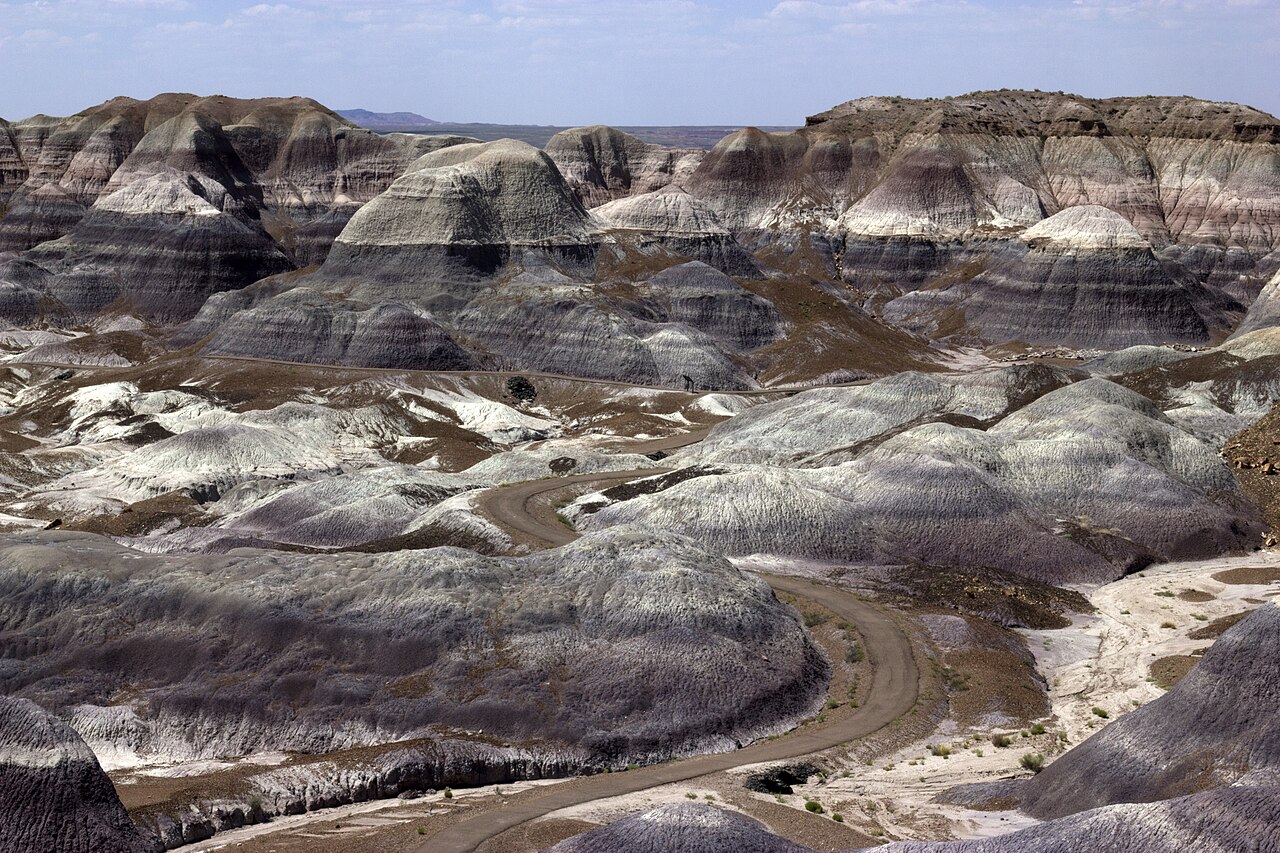
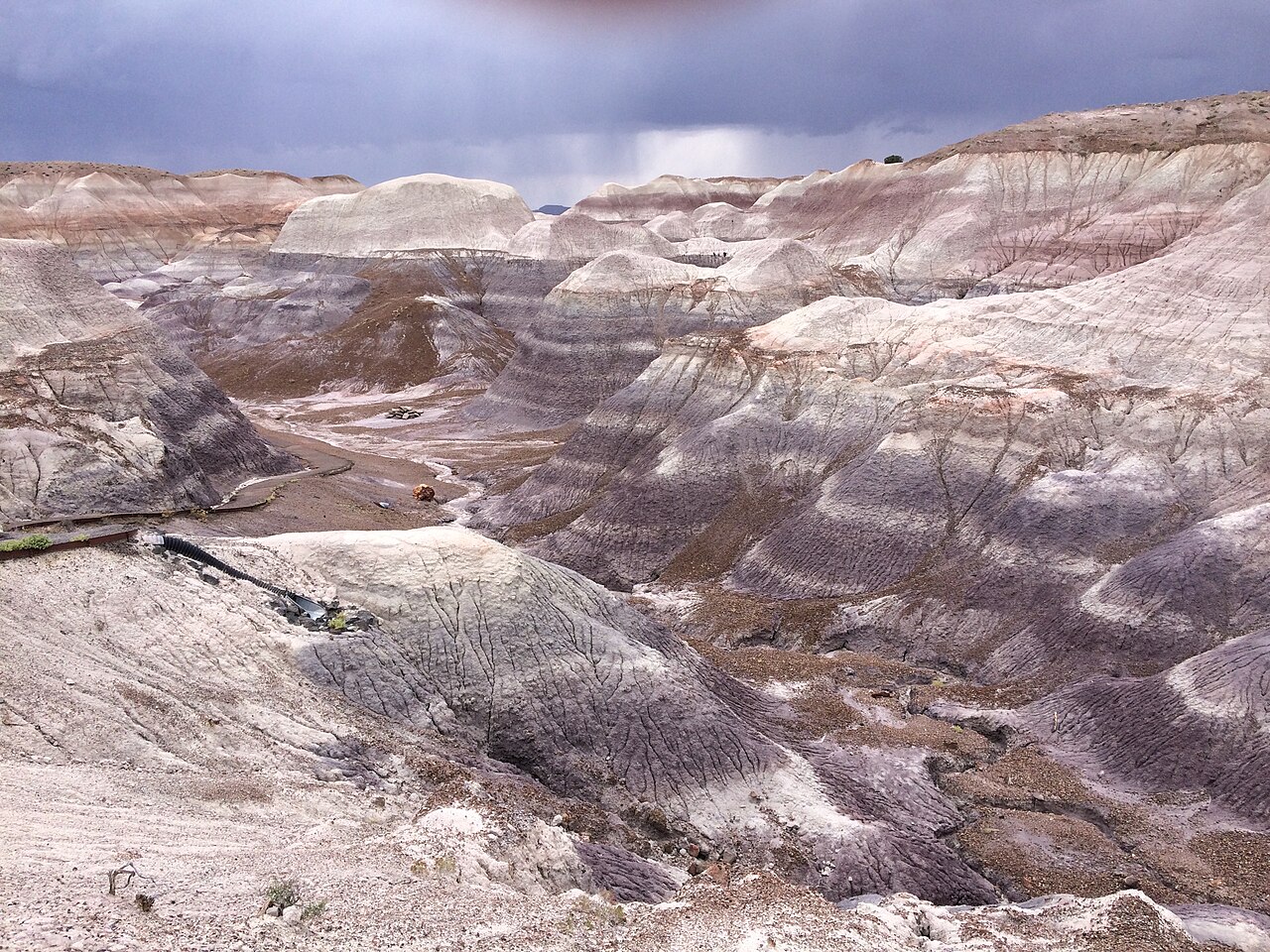
Spring, specifically from March through May, is widely considered the best time to visit Petrified Forest for those who want to see the desert come alive. During these months, daytime temperatures usually hover in the 60s and 70s, which is perfect for tackling longer trails like the Blue Mesa or the Giant Logs loop. You will likely see desert wildflowers beginning to bloom against the stark, colorful clays of the Painted Desert.
However, spring in Northern Arizona is also known for its wind. Gusts can be quite strong, occasionally kicking up dust across the open plains. If you plan to visit during this window, it is wise to bring layers and eye protection for the windier afternoons. While the park does not typically see overwhelming crowds compared to the Grand Canyon, spring break weeks in late March can bring a noticeable uptick in traffic near the Rainbow Forest Museum and the main visitor centers.
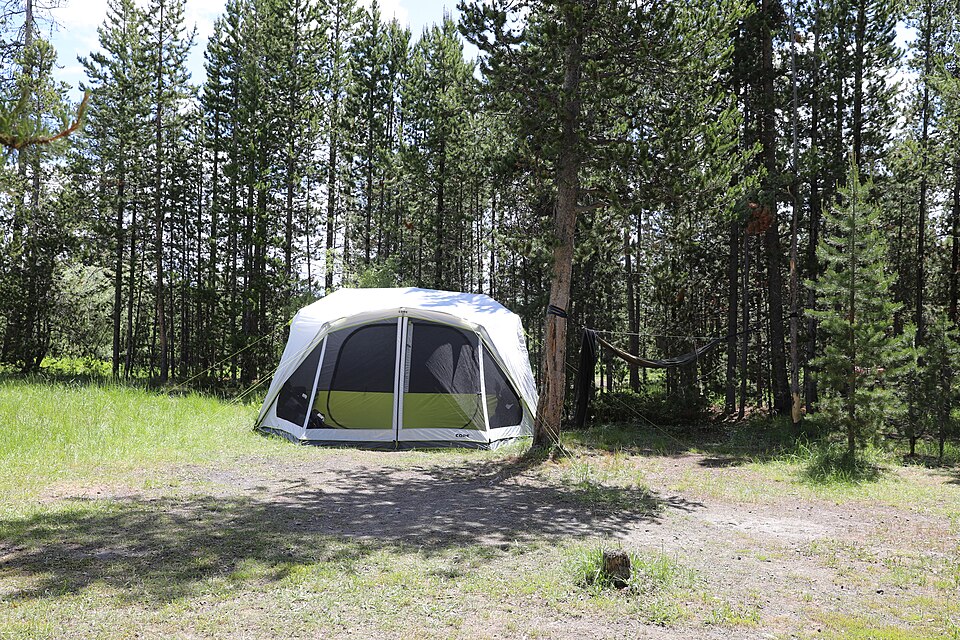
Lock in a stay for this season
RV parks near Petrified Forest National Park on RoverPass
Partner link · RoverPass
Autumn's Golden Light and Clear Skies
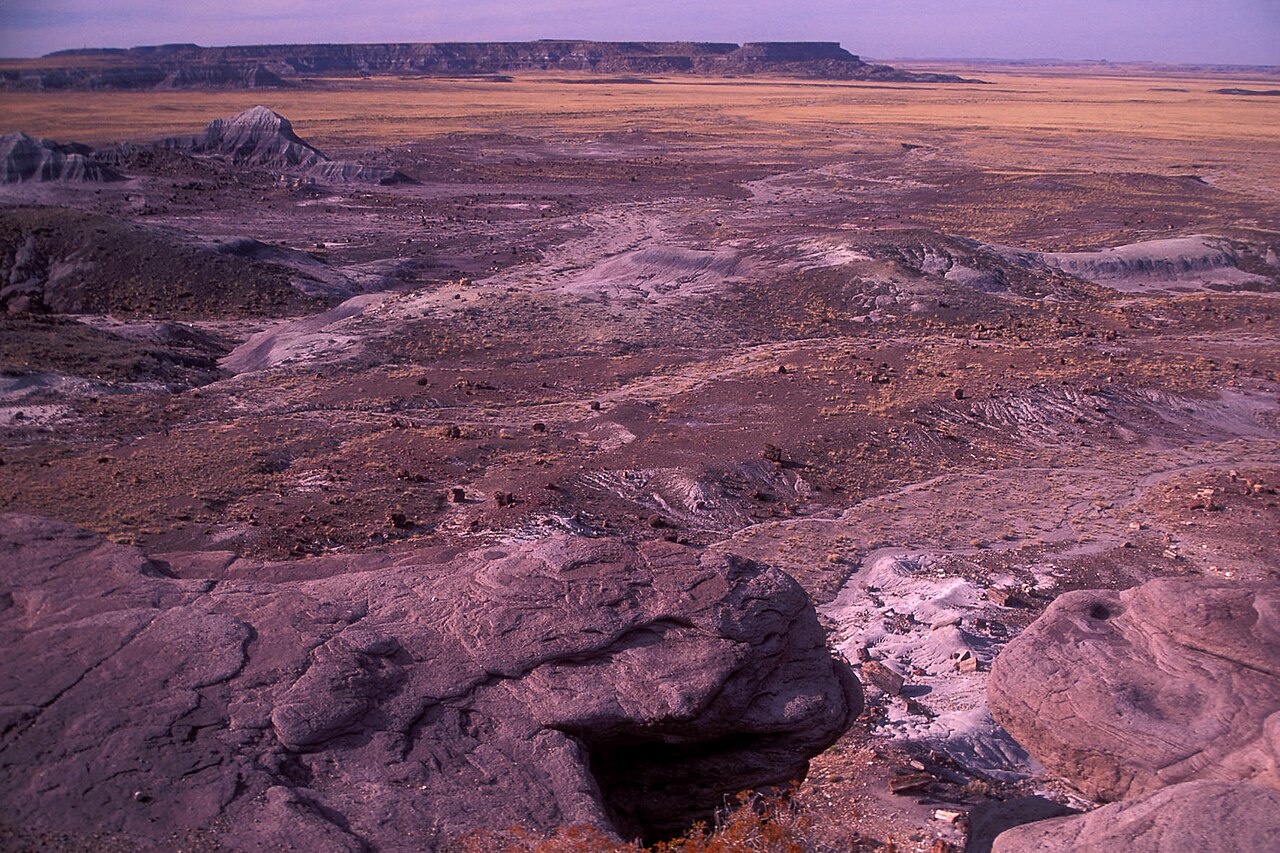
September and October represent another peak window for travelers. The intense heat of the Arizona summer begins to fade, replaced by crisp mornings and warm, sunny afternoons. This is often the most stable time of year for weather, with fewer storms than the summer monsoon season. The lighting during the fall is particularly spectacular for photographers; the low angle of the sun emphasizes the deep purples, reds, and oranges of the Chinle Formation badlands.
Visiting in the fall also means you are likely to encounter fewer families than in the summer months, leading to a quieter experience at the Puerco Pueblo ruins and the various overlooks along the 28-mile park road. Because the park is a popular stop on Route 66 road trips, the atmosphere remains lively but manageable. Be prepared for chilly evenings, as temperatures drop rapidly once the sun sets over the horizon, requiring a heavy jacket if you stay until the park gates close at dusk.
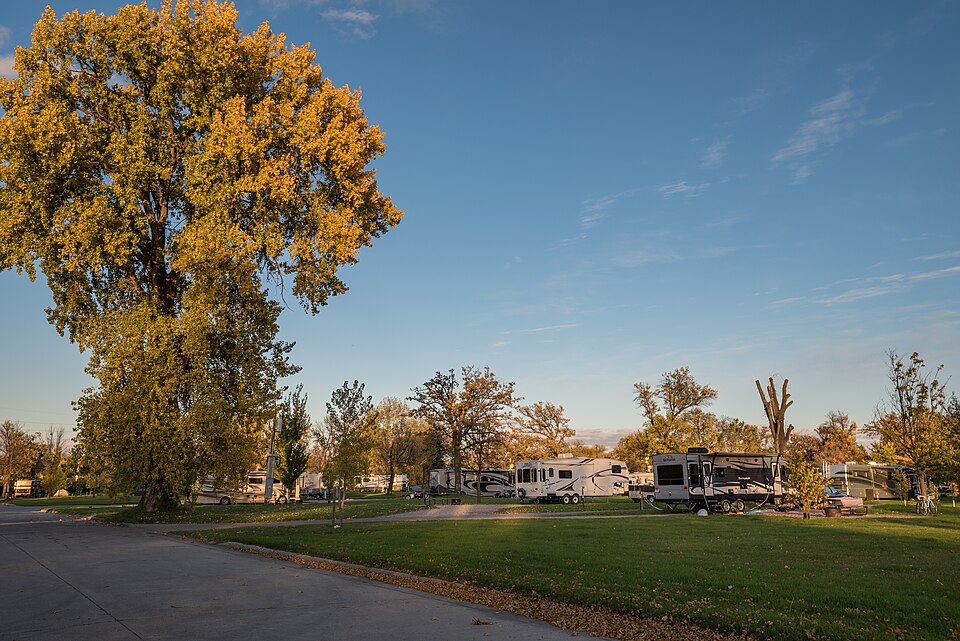
Lock in a stay for this season
Campsites near Petrified Forest National Park on Campspot
Partner link · Campspot
Summer Heat and Monsoon Storms
Summer, from June through August, brings the highest temperatures, often exceeding 90 degrees Fahrenheit. Because there is very little natural shade in the park, hiking during the midday sun can be strenuous and potentially dangerous if you are not prepared with ample water. This is also the season of the North American Monsoon, which brings sudden, violent thunderstorms in the afternoons. While these storms can provide a dramatic backdrop of lightning and dark clouds over the Painted Desert, they also create flash flood risks in washes.
If you visit in summer, plan your outdoor activities for the early morning hours and use the hotter afternoons to explore the indoor exhibits at the Painted Desert Inn or the Long Logs museum. The upside to summer travel is the long daylight hours, giving you more time to complete the full driving route from one end of the park to the other. Always check the official park site for weather alerts regarding lightning safety during these months.
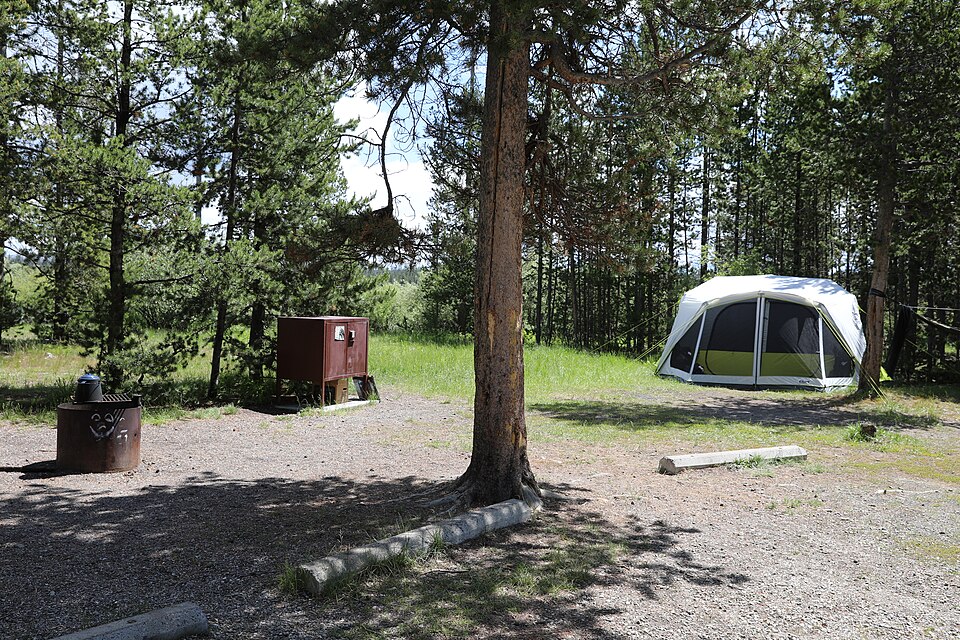
Lock in a stay for this season
Harvest Hosts stays on the way to Petrified Forest National Park
Partner link · Harvest Hosts
Winter Solitude and Snowy Vistas
Winter in Northeastern Arizona is underrated but requires careful preparation. From November through February, daytime highs can struggle to reach 40 degrees, and overnight lows frequently dip well below freezing. Snow is not uncommon and can transform the red and purple landscape into a stunning white-dusted wonderland. Seeing the petrified wood sections partially covered in snow offers a unique perspective that few tourists ever witness.
Crowds are at their absolute lowest during the winter, meaning you might have entire overlooks to yourself. However, be aware that winter storms can lead to temporary road closures or icy conditions on the steep paved paths of the Blue Mesa. Services in nearby gateway cities like Holbrook may be slightly reduced, and the visitor center hours might be shorter. If you enjoy solitude and don't mind the cold, winter provides a peaceful, meditative way to experience the ancient geology of the region without the bustle of peak season travelers.
Reservations and Peak Travel Timing
Unlike some of the high-demand parks in Utah or California, Petrified Forest National Park does not currently require a timed-entry reservation system. This makes it an excellent choice for a spontaneous addition to an Arizona road trip. However, you should still plan for peak hours. The park gates generally open in the morning and close at sunset; checking the official NPS site for current operating hours is vital, as they change seasonally.
If you are planning to stay in Holbrook or Winslow, booking your lodging a few months in advance for the spring and fall seasons is recommended. While the park itself is a day-use area for most, those wishing to backpack into the wilderness areas must obtain a free permit at the visitor center on the day of their hike. For the best experience, aim to arrive at the entrance as soon as the gates open to enjoy the soft morning light and beat the midday wind that often picks up by noon.
More ways to book Petrified Forest National Park
 Illustrative · Dexter Perkins
Giant Logs Trail
One of the classic ways to experience Petrified Forest.
Varies (estimate)
Partner link · Viator