
Palm Springs glamping offers the perfect middle ground for travelers who want to immerse themselves in the stark beauty of the California desert without sacrificing modern comforts. Instead of pitching a tent in the sand, glamping in this region often means staying in beautifully restored vintage Airstreams, luxury canvas tents with real mattresses, or even eco-friendly yurts. It is a way to experience the legendary desert starlight and the howling of coyotes while still enjoying a hot shower and a plush duvet.
The Glamping Experience in the Coachella Valley
Glamping near Palm Springs is defined by its connection to the landscape. Many sites are located on the outskirts of the city, in areas like Desert Hot Springs or near the entrance to Joshua Tree National Park. These locations provide the necessary distance from city lights to see the Milky Way, yet remain close enough for a quick drive into town for a gourmet dinner. You can expect amenities that range from private fire pits and outdoor kitchenettes to communal soaking tubs filled with natural mineral water.
Unlike traditional camping, where you carry all your gear, glamping setups are usually 'turn-key.' You arrive to a fully furnished space that often incorporates the mid-century aesthetic the region is known for. It is an ideal choice for a romantic weekend or a unique group getaway where the goal is to disconnect from technology and reconnect with nature. The focus here is on the 'outdoor room'âcreating a space where the boundary between the rugged desert and your living quarters is beautifully blurred.
Glamping vs. Traditional Camping and RVs
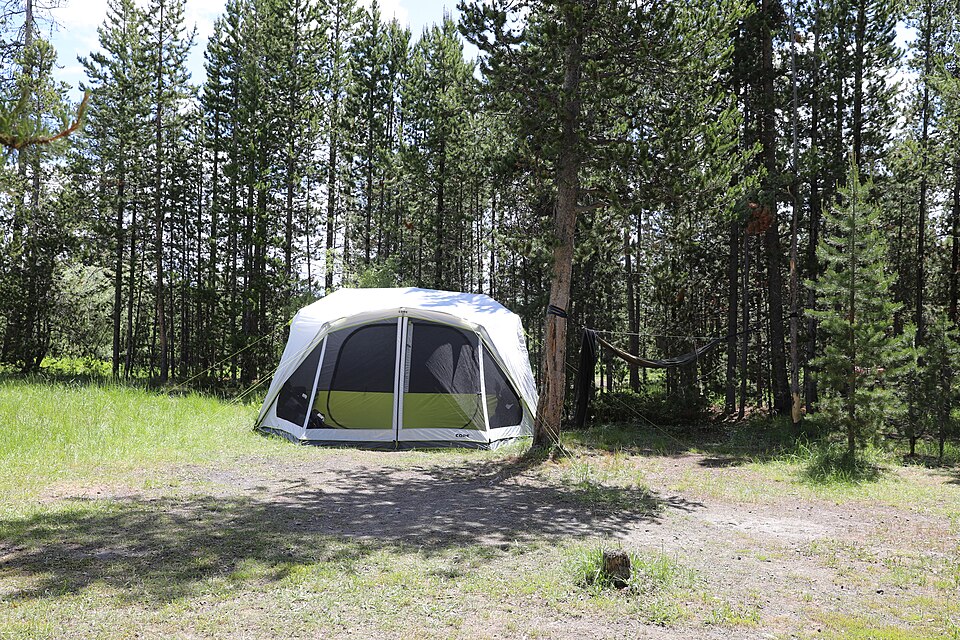
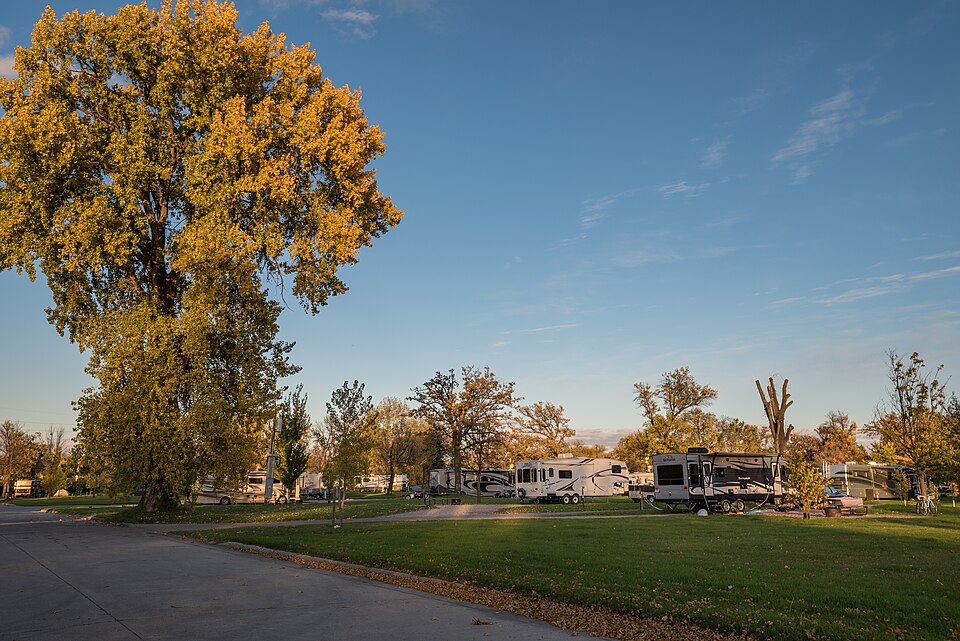
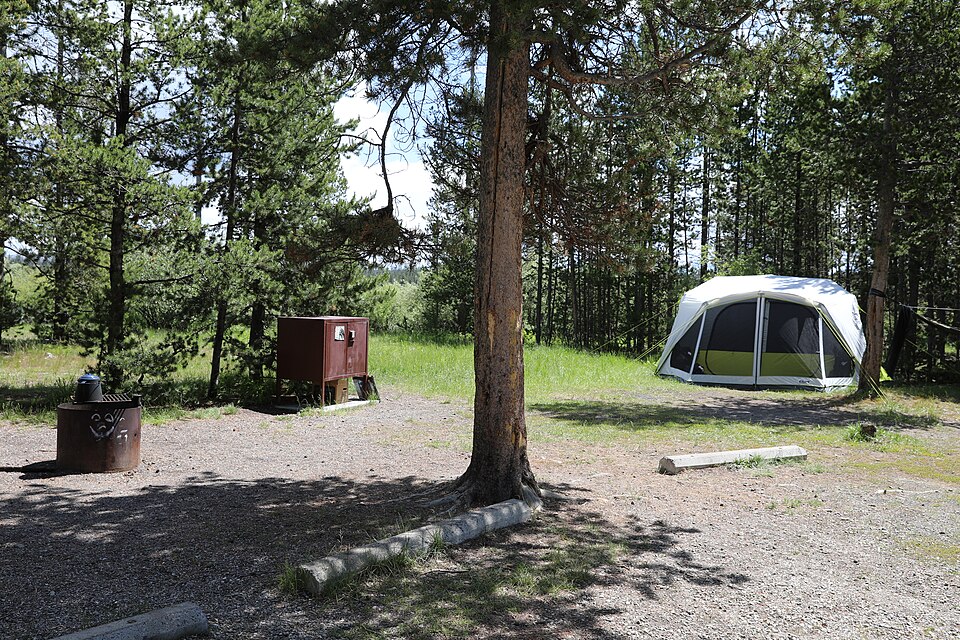
In the Palm Springs area, the choice between glamping, traditional camping, and RVing depends on your desired level of autonomy. Traditional camping is available in Mount San Jacinto State Park and Joshua Tree, offering a raw, back-to-basics experience that requires significant preparation and gear. RVing is also incredibly popular, with numerous high-end motorcoach resorts in the valley offering full hookups and extensive amenities like golf courses and pickleball courts.
Glamping sits in a unique niche. It provides the immersion of camping without the logistical burden of hauling gear. While an RV provides a mobile home, a glamping site is an architectural extension of the desert itself. Glamping is often more stationary and curated than an RV park, focusing on aesthetics and a 'boutique' feel. For those who want the sound of the wind through the sagebrush but don't want to sleep on the ground or drive a large vehicle, glamping is the superior option. It offers a sense of place that a standard hotel room or a generic RV park often lacks.
Top Locations for Desert Glamping
When looking for glamping sites, focus your search on the gateway areas surrounding Palm Springs. The High Desert, including towns like Yucca Valley and Flamingo Heights, is a hotspot for creative glamping outposts. Here, the elevation is slightly higher, meaning temperatures are a few degrees cooler than the valley floor. These areas are famous for their wide-open spaces and iconic Joshua trees, providing a dramatic backdrop for a luxury tent or a converted shipping container.
Another excellent area is Desert Hot Springs, located just north of Palm Springs. This area is known for its natural aquifers, and several glamping sites here feature access to mineral pools. If you prefer to be closer to the action, there are 'urban glamping' options within Palm Springs city limits that feature vintage trailers tucked into the back of boutique hotel properties. This allows you to enjoy the quirky fun of a trailer stay while having full access to resort-style pools and concierge services. Each location offers a different vibe, from total seclusion to social poolside atmospheres.
Best Seasons for a Desert Stay
Timing is everything when it comes to glamping in the desert. Because you will be spending a significant amount of time in a structure that is less insulated than a traditional building, the weather plays a major role in your comfort. Late autumn (October and November) and spring (March and April) are the goldilocks periods. During these months, daytime temperatures are mild, and nighttime temperatures are cool but not freezing, making it comfortable to sit outside by a fire.
Winter glamping can be magical, but it requires preparation. Desert nights in January can drop below freezing, so ensure your glamping site provides adequate heating, such as wood stoves or electric blankets. Summer glamping is generally not recommended unless the unit is equipped with heavy-duty air conditioning. The desert sun can turn a canvas tent into a sauna by 9:00 AM. Always check the forecasted lows and highs for your specific dates, and don't hesitate to ask your host about the specific heating and cooling setups available at the site.
Preparing for Your Glamping Adventure
Even though glamping is luxurious, you are still in a wild environment. Pack as if you are going on a light hike: bring sturdy shoes for walking around the dusty site, plenty of sunscreen, and a wide-brimmed hat. The desert is home to various wildlife, including coyotes, jackrabbits, and the occasional rattlesnake, so it is important to be mindful of your surroundings and keep your food stored properly to avoid attracting unwanted guests.
Most glamping sites provide basic toiletries and linens, but you might want to bring your own favorite campfire snacks or a bottle of local California wine to enjoy at sunset. Lighting can be dim in remote desert areas, so a small headlamp or flashlight is helpful for navigating between your tent and the communal areas at night. Finally, always check the official park websites if your glamping site is near Joshua Tree or a state park, as fire restrictions are common in the dry desert and must be strictly followed to prevent wildfires. With a little preparation, glamping offers an unforgettable way to experience the soul of the Southern California desert.