
Choosing the best time to visit Palm Springs depends heavily on your tolerance for the desert sun and your desire for social events. While the city remains a year-round destination, the window between late autumn and early spring offers the most comfortable temperatures for exploring the rugged San Jacinto Mountains. During these months, the intense heat of the Mojave and Colorado deserts retreats, leaving behind mild afternoons and cool, crisp nights that are perfect for outdoor dining and mid-century modern architecture tours.
Springtime Bloom and Festival Energy
Spring is widely considered the absolute peak season in the Coachella Valley. From March through April, the desert often transforms with vibrant wildflower blooms, especially after a rainy winter. The temperatures typically hover in the pleasant 70s and 80s, making it the ideal climate for hiking the Indian Canyons or riding the Aerial Tramway.
However, this is also the busiest time of year due to major music festivals and tennis tournaments held in nearby Indio and Indian Wells. If you plan to visit during the spring, you should expect significant crowds at popular trailheads and high demand for local accommodations. Reservations for popular restaurants and attractions often need to be made weeks or even months in advance. The energy is high, the sun is shining, and the landscape is at its most colorful, but be prepared for the premium costs associated with the high season.
Winter Sun and Mild Desert Days
Winter serves as a sanctuary for those looking to escape colder northern climates. From December through February, Palm Springs experiences daytime highs in the mid-60s to low 70s, providing a perfect environment for golf, tennis, and leisurely walks through the historic tennis club neighborhood. While the sun is bright, the nights can get surprisingly chilly, often dropping into the 40s, so packing layers is essential for evening patio fires.
This season is popular with 'snowbirds' who arrive for extended stays, meaning the city feels lively but slightly more relaxed than the frantic spring festival weeks. It is a fantastic time for photography, as the low winter sun casts long, dramatic shadows across the jagged mountain peaks. Do keep in mind that holiday weeks like Christmas and New Year's will see a spike in visitors, so checking the official NPS site for Joshua Tree conditions is wise if you plan to day-trip.
Fall Transitions and Desert Calm
October and November represent a beautiful transition period in the desert. As the summer heat finally breaks, the valley begins to wake up again. The swimming pools remain warm enough for afternoon dips, but the air becomes dry and crisp enough for strenuous hikes into the higher elevations of Mount San Jacinto State Park.
Fall is often overlooked compared to spring, which can be a benefit for travelers seeking a quieter experience. You will find that the local pace is slower, and snagging a table at a downtown bistro is much easier than in the spring. The light in the fall is particularly golden, illuminating the fan palms and rocky canyons in a way that feels unique to the late year. It is a prime time for those who want the full desert experience without the maximum crowd levels, though you should still book a few weeks out to ensure your preferred choice of boutique lodging.
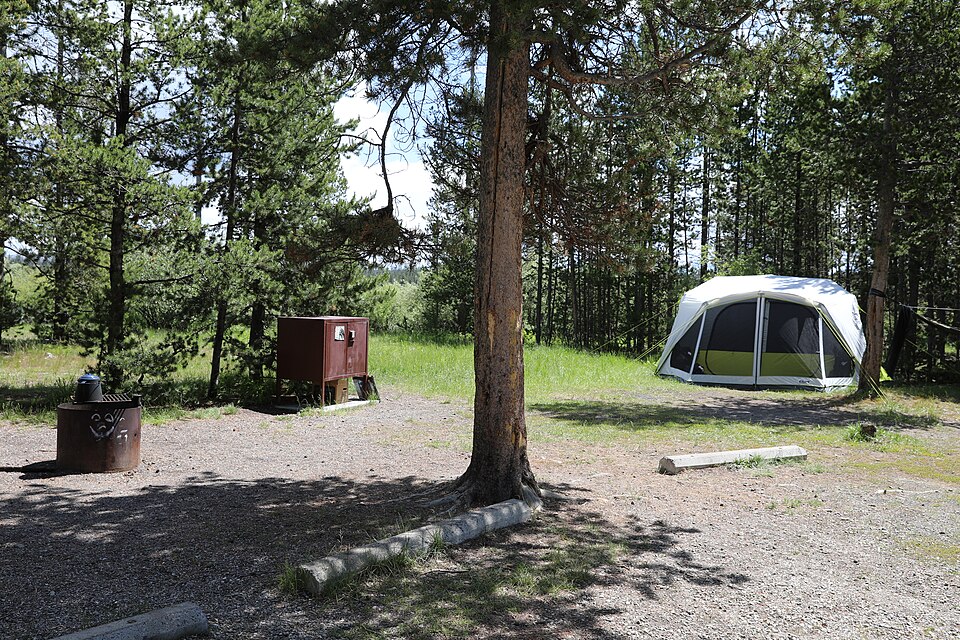
Lock in a stay for this season
Harvest Hosts stays on the way to Palm Springs
Partner link · Harvest Hosts
Navigating the Intense Summer Heat
Visiting during the summer months of June through September is a choice for the heat-tolerant. Temperatures regularly soar above 100 degrees Fahrenheit, and sometimes even push past 110. During this time, the city shifts its schedule; outdoor activity is generally restricted to the very early morning hours before 8:00 AM. Many visitors spend the bulk of their day in the water or enjoying the powerful air conditioning of the Palm Springs Art Museum.
While the heat is extreme, the summer offers the lowest rates for luxury resorts and a much quieter, more private atmosphere. If you choose to visit now, hydration is your primary concern. Always carry more water than you think you need, even for short walks. The high desert floor radiates heat, so if you must hike, head to the top of the Aerial Tramway where temperatures are often 30 degrees cooler than the valley floor, offering a forested refuge from the sunshine.
Managing Reservations and Logistics
Regardless of the season, timing your reservations is key to a successful trip. For the peak winter and spring months, boutique hotels and popular vacation rentals often fill up six months in advance. If your heart is set on a specific mid-century modern estate, early planning is non-negotiable. For those looking for more spontaneous trips, the 'shoulder' months of May and September offer a gamble on weather but much better availability.
Always monitor the official National Park Service websites if you intend to visit Joshua Tree National Park, as entrance gates can experience long wait times during holiday weekends and spring break. Also, be aware of local events like Modernism Week in February, which draws design enthusiasts from around the globe. Planning around these major events can either be the highlight of your trip or a logistical hurdle, depending on your interests. By checking the local visitor bureau calendars, you can align your visit with your preferred balance of activity and tranquility.
More ways to book Palm Springs
 Illustrative · Giorgio Galeotti
Living Desert Zoo and Gardens
One of the classic ways to experience Palm Springs.
Varies (estimate)
Partner link · Viator