
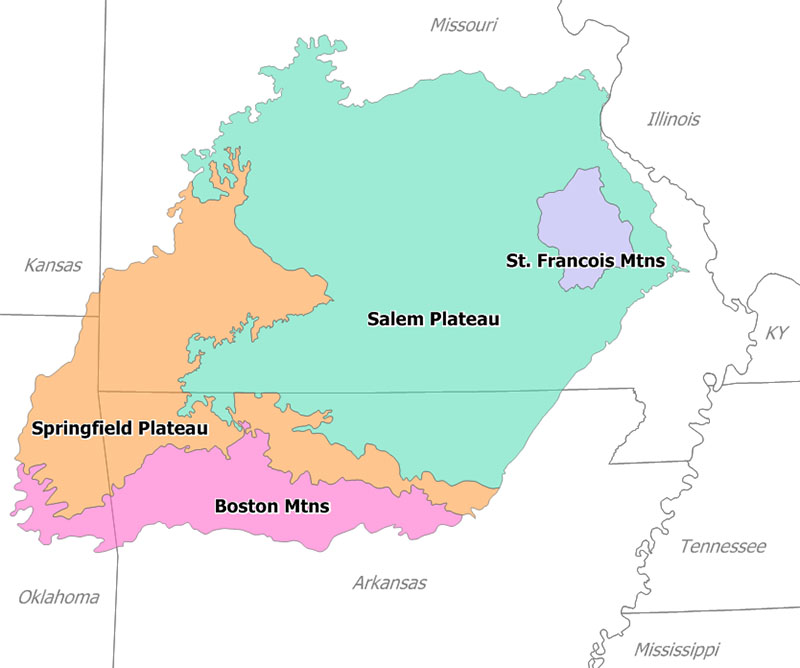
The Missouri Ozarks reward a trip built around a few connected places rather than a long checklist across the whole region. You can float clear rivers, walk through rugged granite landscapes, explore spring-fed valleys, or camp near a lake. For three to five days, choose either the eastern river and mountain country or the southwestern lake country as your main base, then add nearby outings.
Float the Current or Jacks Fork River
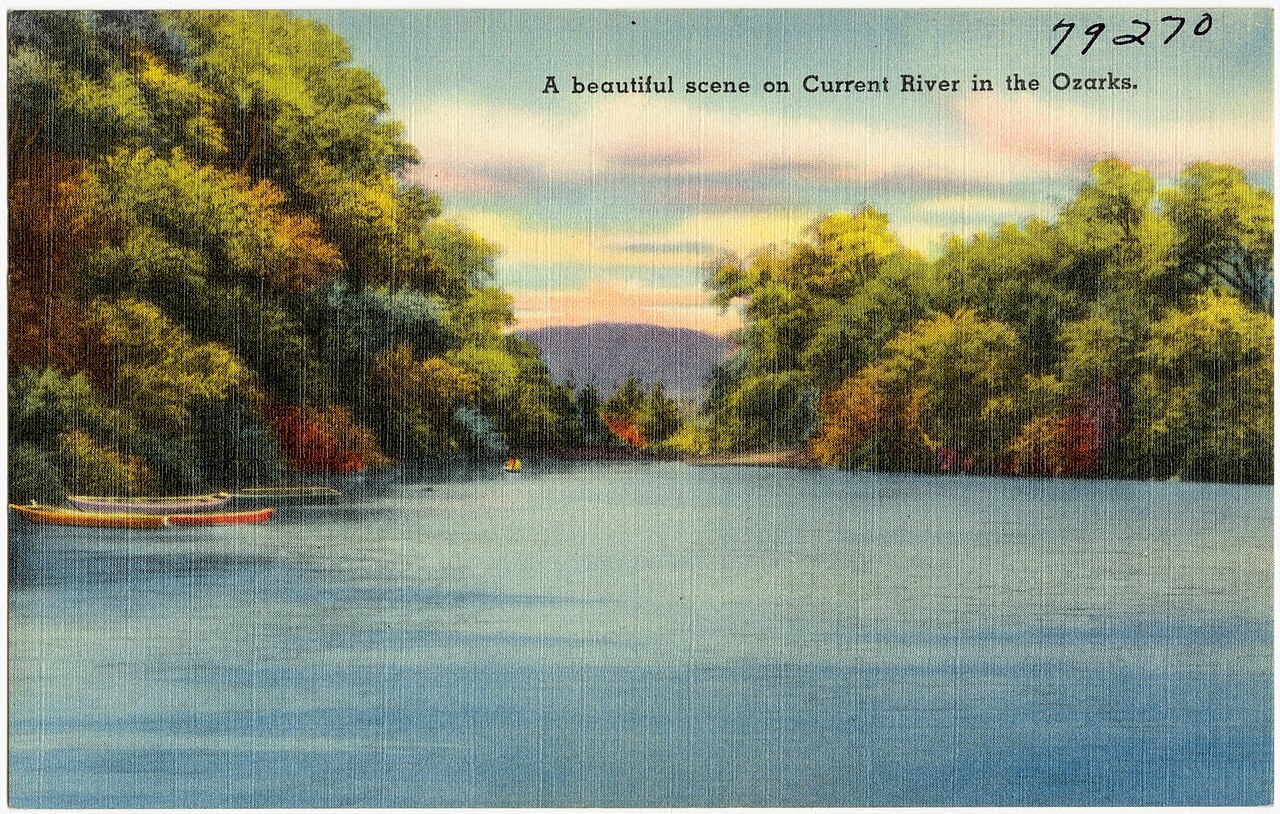
A float through Ozark National Scenic Riverways is one of the region’s defining outdoor experiences. The Current and Jacks Fork rivers pass wooded banks, gravel bars, and limestone bluffs, with springs contributing to their flow. Eminence and Van Buren are useful planning bases, depending on the river section you choose. Arrange a rental and shuttle through an established outfitter rather than assuming your lodging handles transportation.
Choose your route by paddling experience, river level, weather, and available daylight, not simply by mileage. Moving water and access conditions change, and a section that suits one group may not suit another. Wear a properly fitted life jacket, secure belongings, and carry drinking water and sun protection. For a less involved day, visit an established river access for scenery and a picnic. Check NPS river conditions and any access restrictions before heading out.
Hike Rocky Trails and Link Scenic Drives
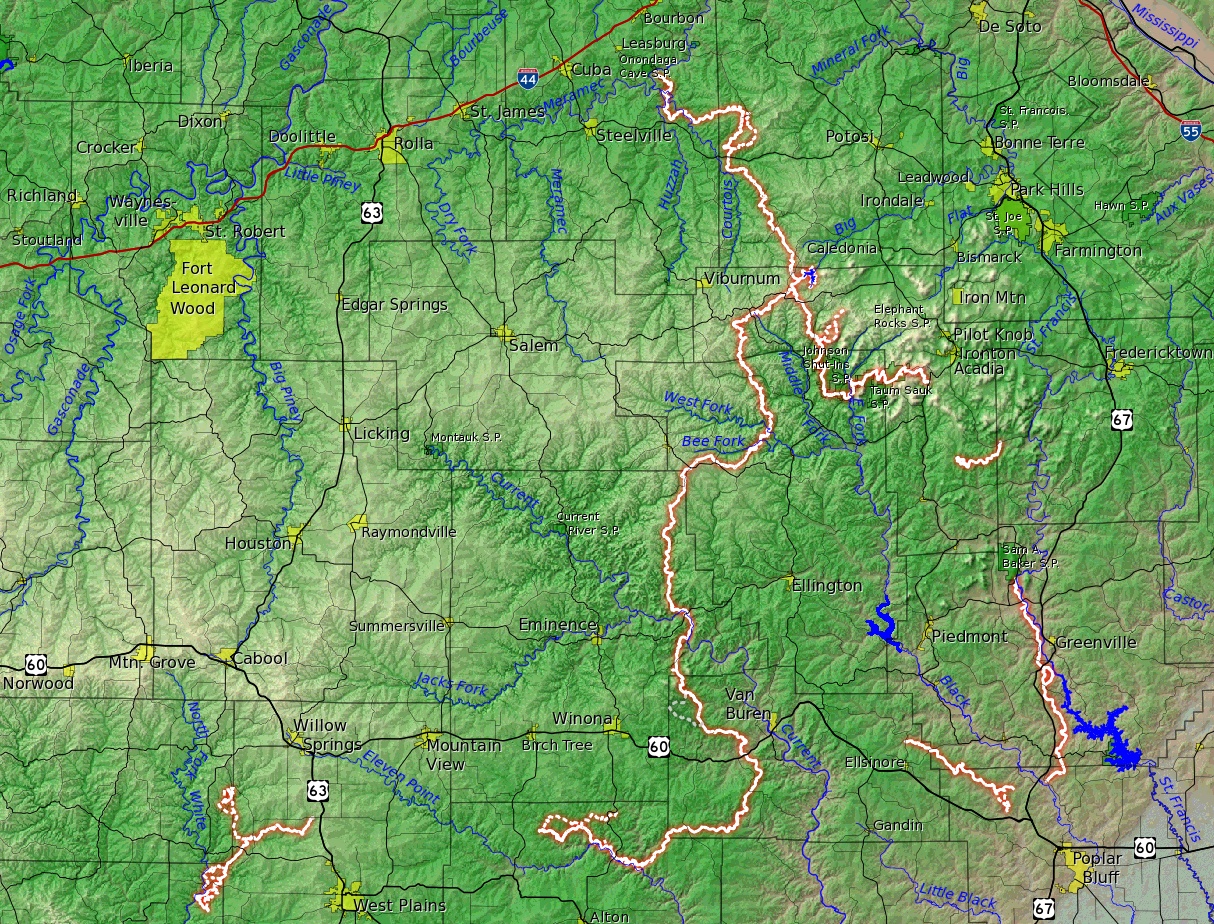
For distinctive terrain, combine Elephant Rocks State Park, Johnson’s Shut-Ins State Park, and Taum Sauk Mountain State Park in the eastern Ozarks. Elephant Rocks is known for its enormous granite boulders and interpretive Braille Trail. Johnson’s Shut-Ins showcases a rocky stream channel, while Taum Sauk includes Missouri’s highest point and access to the more demanding Mina Sauk Falls trail. These stops offer different experiences despite their proximity within the broader mountain area.
Do not treat every park walk as equally easy. Check trail length, surface, elevation change, and current closures before choosing an outing. For scenery between walks, use park approaches and regional roads such as Highway 21, allowing extra time for curves. In the southwestern Ozarks, the Table Rock Lake area offers a separate set of lake views and wooded walks. Avoid combining both clusters into one rushed day.
Visit Springs and Watch for Wildlife
Big Spring near Van Buren and Alley Spring near Eminence are memorable stops even if you never launch a boat. Their vivid water, wooded settings, and interpretive areas help explain how groundwater shapes the Ozarks. At Alley Spring, the historic red mill adds a cultural stop to the landscape. Follow designated paths and posted rules; spring pools are not interchangeable with river swimming areas.
Bring binoculars for birds along riparian woods and forest edges. Early morning and quieter periods often make wildlife observation more rewarding, though sightings are never assured. Peck Ranch Conservation Area is associated with Missouri’s restored elk population, but access rules and viewing opportunities require checking with the Missouri Department of Conservation. Give all animals space, keep pets controlled where allowed, and avoid stopping in travel lanes for photographs. A slow, observant morning can be more satisfying than chasing a specific sighting.
Keep Family Days Short and Varied
With kids, build each day around one main outing and one optional stop. Elephant Rocks can turn geology into something tangible, with enormous boulders and a developed interpretive route. Stay on designated routes and supervise children around uneven rock and drop-offs. Alley Spring pairs a relatively compact sightseeing visit with the historic mill setting, making it useful when a long hike would be too much.
Near Branson, Table Rock Lake offers a different family rhythm: a short lakeside walk, a picnic, and time at a designated recreation area. Confirm swimming facilities and seasonal services before promising a beach afternoon. Bring snacks, spare clothing, and a backup plan for heat or thunderstorms. For river trips, ask outfitters about route suitability and equipment sizing for each child. Shorter commitments leave time for curiosity without turning the return trip into an endurance exercise.
Plan for Rain Without Forcing Outdoor Activities
Rainy days are a good reason to explore the region’s underground geology or local history, but choose options near your base. Meramec State Park’s Fisher Cave and Onondaga Cave State Park provide established cave-tour possibilities in the broader eastern Ozarks. Tours depend on current schedules, reservations, and operating conditions, so confirm details through Missouri State Parks before driving. Bring a layer for the cool cave environment and check walking requirements.
If you are based near Branson, museums and other indoor attractions provide more alternatives than you will find in remote river country. Do not make a cross-region drive simply to escape a shower. During thunderstorms or flooding concerns, avoid using exposed trails, riverbanks, or unofficial caves as substitutes. Keep a book, games, and a covered lodging option in your plan. Official visitor centers can also help with interpretation and revised outdoor plans when open.