
Glamping in the Missouri Ozarks usually means trading campsite setup for a furnished outdoor stay, but the level of comfort varies widely. A listing might describe a canvas tent, a small cabin, or another unusual rental, with bathrooms and climate control handled very differently. For a three- to five-day visit, choose the part of the Ozarks you want to explore first, then compare the actual amenities.
What an Ozarks Glamping Stay Can Include
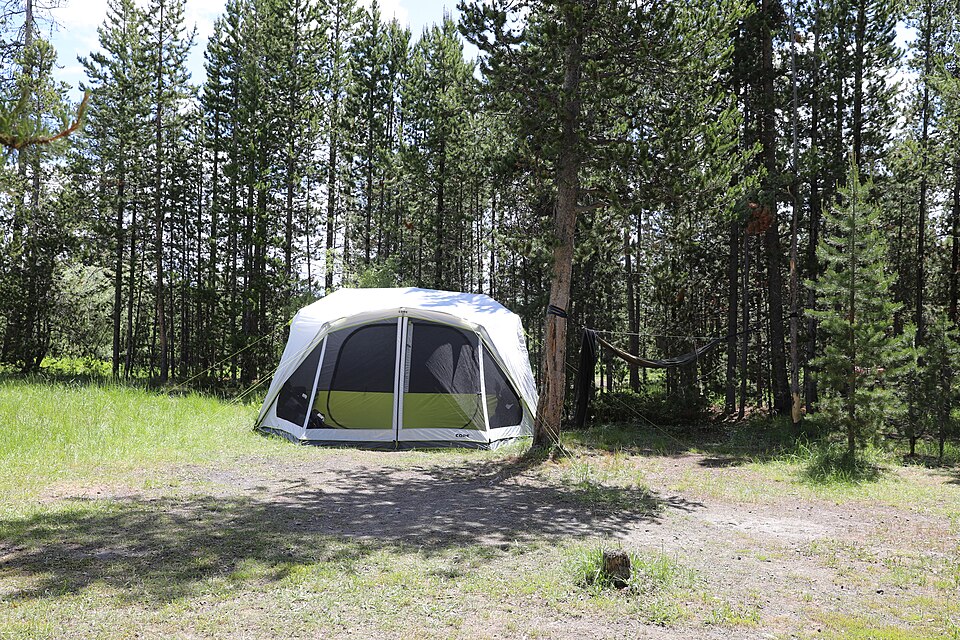
Think of glamping as a range of lodging styles rather than a standardized category. Around the Missouri Ozarks, you may encounter furnished tents, compact cabins, and specialty rentals marketed toward outdoor travelers. Some provide a real bed, electricity, a private bathroom, and a kitchen; others offer little beyond bedding and a roof. Read the detailed amenity list instead of relying on photographs or the word luxury.
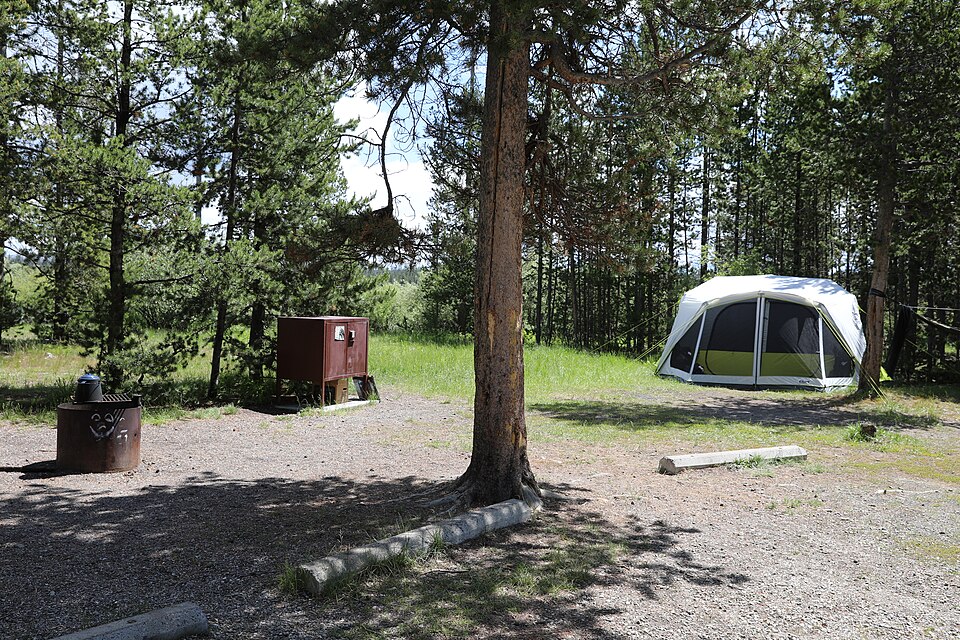
Ask whether bathrooms are private, shared, or a walk away, and whether hot water is available inside the unit. Confirm heating and cooling, drinking-water access, cooking equipment, and what linens are supplied. A fire pit does not necessarily mean firewood is included or fires are currently allowed. For a rainy stay, covered cooking or sitting space matters. Also check parking distance, stairs, and the walking surface between your vehicle and the sleeping area.
Choose Between Lake Country and River Country
The Branson and Table Rock Lake area suits travelers who want outdoor scenery with groceries, dining, and indoor backup activities relatively close at hand. Compare locations around Branson West and Kimberling City as well as Branson itself. Lake-area addresses can cover very different settings, so check the route to your preferred recreation access rather than assuming that a lake view includes swimming or shoreline access.
For a river-focused trip, look around Eminence and Van Buren, which connect naturally with Ozark National Scenic Riverways outings. Eminence works well for Alley Spring and nearby river planning; Van Buren is a useful base for Big Spring and the Current River. In either area, verify the distance to your outfitter’s meeting point. A listing described as near the river may still require driving, and private waterfront does not automatically provide an appropriate boat launch.
Stay Near the St. Francois Mountains for Hiking
For a hiking-led getaway, consider the broader Arcadia Valley area, including Ironton, Arcadia, and Pilot Knob. This base places your trip in the eastern Ozarks near Elephant Rocks, Taum Sauk Mountain, and Johnson’s Shut-Ins state parks. Search for cabins and furnished outdoor stays across the area rather than expecting every town to have the same lodging selection. Check actual road routes to the parks you plan to visit.
This cluster works especially well when you want to return to the same bed after different day hikes. Prioritize a place with space to dry wet gear, dependable cooking facilities, and a comfortable covered area for stormy afternoons. A remote wooded setting can be appealing, but it may also mean a longer grocery run and limited mobile reception. Download directions, confirm the arrival procedure, and ask about driveway conditions before booking a secluded property.
Where to sleep
Harvest Hosts stays on the way to Ozark Mountains Missouri
Partner link · Harvest Hosts
Match the Season to the Shelter
Spring and fall are appealing for glamping because hiking often takes center stage, but cool nights can expose the limits of an unheated tent. Ask exactly what heating is installed and whether the unit is intended for the season you are booking. In spring, covered walkways and well-drained access matter during rainy periods. Fall foliage weekends can increase demand for comfortable wooded stays, so reserve once your plans are firm.
Summer brings heat, humidity, insects, and thunderstorms. Screens, ventilation, shade, and clearly described cooling can make a substantial difference to comfort. Do not assume a portable fan will feel like air conditioning. For winter, a properly equipped cabin is generally a more straightforward choice than a seasonal canvas unit. Confirm that water and bathrooms remain operational. Before any stay, check official park or NPS conditions and local fire restrictions affecting your planned outings and campfire use.
Glamping Versus Tent Camping and RV Travel
Tent camping offers the most direct connection to the landscape and is often the lower-cost lodging choice if you already own equipment. You also handle setup, bedding, cooking, and weather protection yourself. Glamping reduces that workload, but furnished stays can cost considerably more, particularly when cleaning charges, minimum stays, and extra-person fees apply. Compare the full stay total and treat general budget figures as rough estimates, not promises.
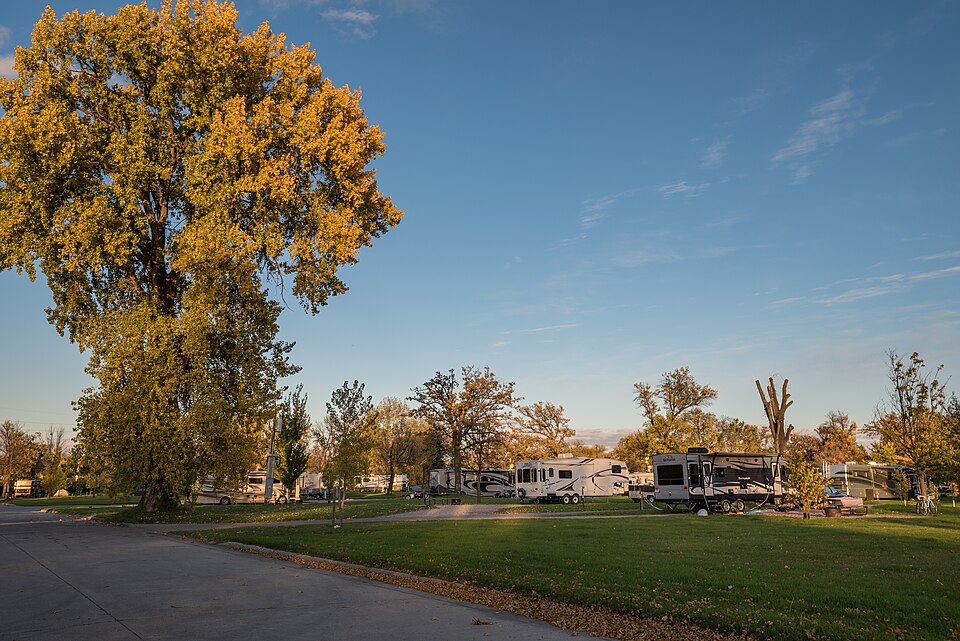
RV travel provides a familiar sleeping and cooking setup, though renting a rig, buying fuel, and reserving suitable sites can add complexity. Verify campsite length, hookups, dump-station access, and road suitability before reserving. Glamping is often the simpler choice for a short fly-and-drive trip; tent camping may suit travelers bringing their own gear. Whatever you choose, check official campground reservation pages and lodging cancellation terms, and confirm pet rules rather than assuming outdoor-oriented accommodation welcomes every animal.