
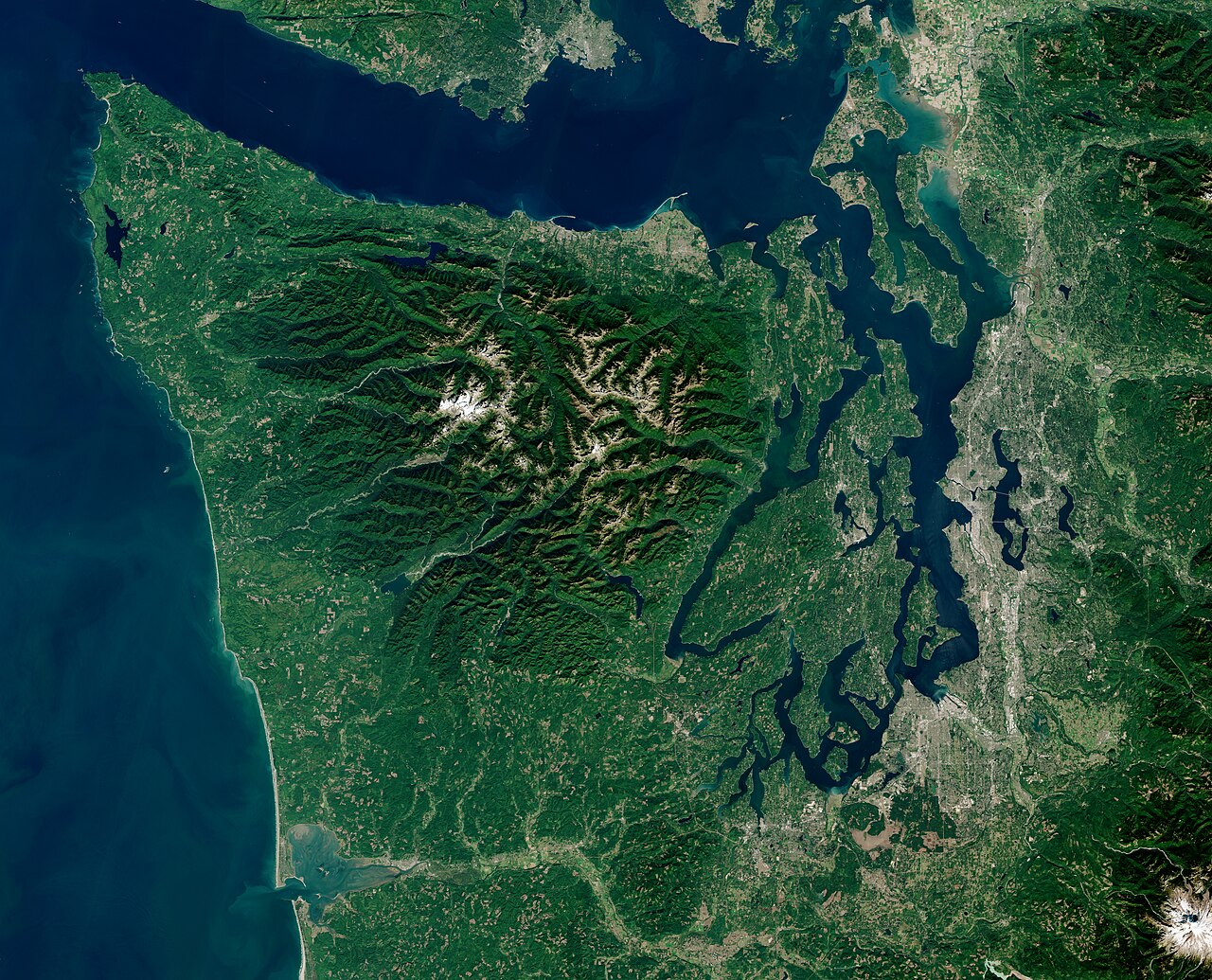
The Olympic Peninsula packs mountain viewpoints, temperate rainforest, and rugged Pacific beaches into one road trip, but the distances between them deserve respect. Plan three to five days around a few substantial stops instead of treating every viewpoint as a quick detour. Port Angeles works well for the northern side, Forks for the western coast and Hoh area, and Quinault for a quieter southern forest base.
Take in Hurricane Ridge and the mountain landscape
Hurricane Ridge provides one of the peninsula's most accessible introductions to the Olympic Mountains when the road is open. The drive climbs from Port Angeles into a dramatically different environment, trading lowland forest for broad mountain views. On a clear day, even a short walk near the developed area can be worthwhile; longer routes require attention to snow, weather, and current trail conditions.
Treat this as a flexible weather-window outing rather than a guaranteed first stop. Cloud can obscure the views, and mountain conditions may change quickly. Pack layers even when Port Angeles feels mild, carry food and water, and do not count on every visitor service being available. Check the official Olympic National Park website for road status and facilities before heading uphill. If conditions are poor, redirect the day toward Lake Crescent rather than waiting indefinitely for a view.
Book this experience
Hoh Rain Forest Hall of Mosses Hike
Varies (estimate) · Partner link · Viator
Walk the Hoh rainforest and explore Quinault
The Hoh Rain Forest is a signature Olympic experience: big trees, hanging moss, ferns, and a river valley shaped by abundant moisture. The Hall of Mosses and Spruce Nature Trail offer short introductions, while the Hoh River Trail lets hikers extend their outing without immediately heading into alpine terrain. Confirm current access and trail conditions before building your day around a specific route.
Farther south, the Quinault area offers another compelling combination of rainforest, lake scenery, and forest walks. It can be a practical alternative when your route already follows the southwestern peninsula, although it is not a quick substitute for the Hoh. Both areas reward slow observation rather than distance alone. Look for nurse logs, layered vegetation, and the contrast between river gravel bars and dense woods. Stay on established trails and give wildlife plenty of room.
Explore wild beaches and tide pools
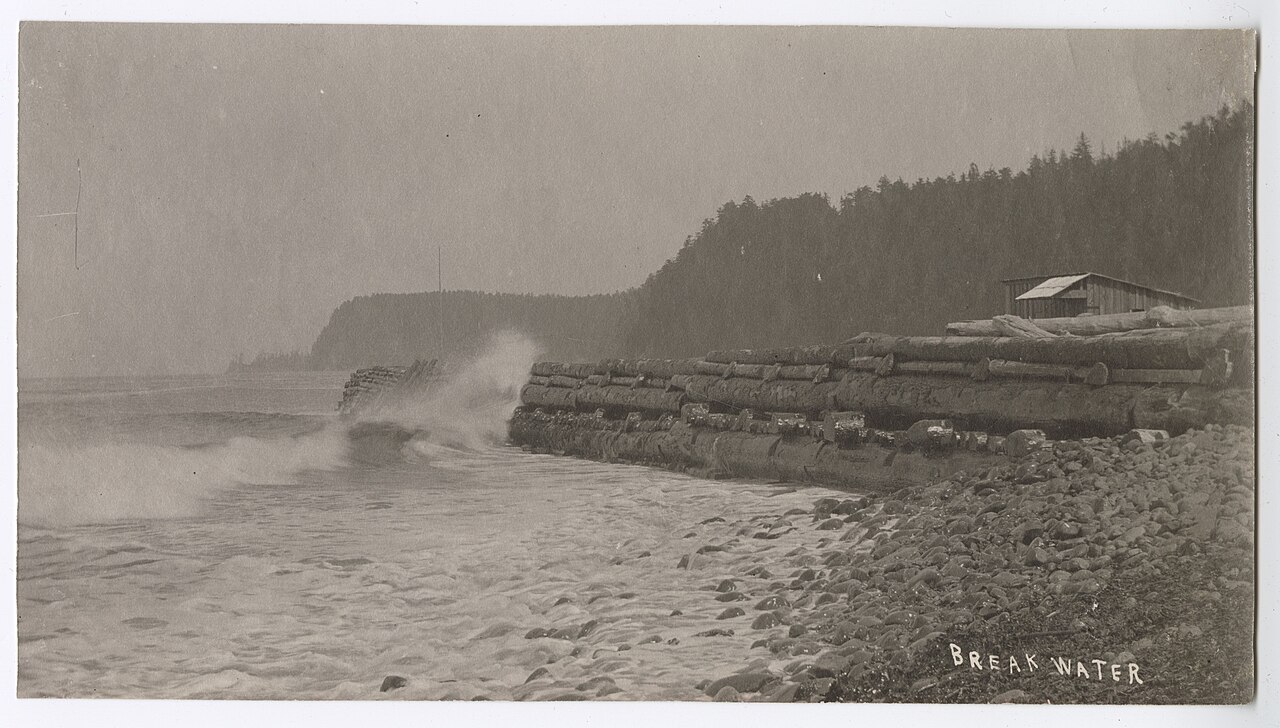
Rialto Beach and Ruby Beach introduce the peninsula's Pacific coast through sea stacks, driftwood, and wide views that change with the tide. You do not need an ambitious hike to appreciate either place. Beach surfaces can be uneven, access paths vary, and moving along the shoreline may become difficult when water reaches logs, rocks, or headlands.
If tide pools are a priority, choose a suitable low tide and check local conditions before leaving your lodging. The route toward Hole-in-the-Wall from Rialto requires careful tide planning; it should not be treated as an anytime stroll. Watch marine life without touching or removing it, and avoid stepping on living organisms. Some coastal destinations lie on tribal lands and have separate permits or access rules. Check the relevant tribal authority as well as the official park website, and never assume nearby beaches share the same requirements.
Make Lake Crescent a family-friendly day
Lake Crescent is an easy place to slow down after several driving-heavy days. Combine lakeshore time with a forest walk, such as the route toward Marymere Falls when open, and leave room for a picnic rather than stacking several distant attractions. The waterfall trail includes steps and uneven ground, so it is not interchangeable with a stroller-friendly lakeside stop.
For children, simple observation challenges often work better than a mileage goal: find a nurse log, notice different fern shapes, or watch for birds near the water. Ask about the park's Junior Ranger program at an open visitor contact point. If you plan to paddle or swim, remember that the lake is cold and conditions can change; use appropriate flotation and supervise children closely. Bring your own food, water, and spare layers so the outing does not depend on seasonal services.
Use rainy days for towns, short walks, and local context
A rainy day does not automatically rule out the rainforest, but strong wind, flooding, or road closures can make indoor time the better choice. Port Angeles offers waterfront wandering between showers and museums or galleries that add context to the region. Port Townsend, on the northeastern peninsula, pairs historic streets with a maritime setting and can make a worthwhile stop if it fits your route.
Neah Bay offers opportunities to learn about Makah history and culture, but it is a substantial detour rather than a convenient backup from every base. Check the tribe's official information for current museum and recreation access before going. For wildlife viewing elsewhere, use binoculars and patience: elk, deer, and coastal birds are possibilities, not promises. Keep your distance, never feed animals, and avoid stopping in travel lanes when something appears beside the road.