
Olympic Peninsula glamping works best when you choose the location first and the photogenic accommodation second. A furnished tent, yurt, or small cabin can make a comfortable base for coast and forest days, but heating, bathrooms, and cooking facilities vary widely between properties. For a three- to five-day trip, consider splitting your stay between the northern peninsula and the western or southern side instead of driving back to one distant base every night.
What glamping looks like on the peninsula
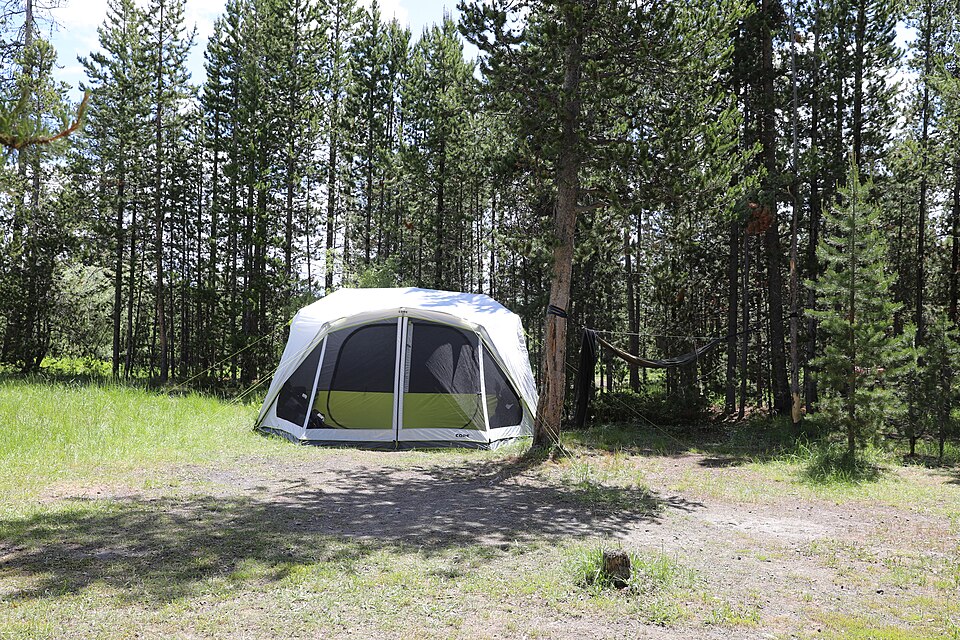
Glamping is not a standardized lodging category, so read the actual amenity list rather than relying on the label. Around the peninsula, the accommodation you want may be described as a furnished tent, yurt, cabin, or tiny house. Some places emphasize an outdoor setting with a real bed; others are closer to conventional lodging with a kitchenette and private bathroom.
Before booking, confirm whether bedding is included, whether the bathroom is private or shared, and how far you must walk to reach it. Ask about heat, electrical outlets, potable water, cooking equipment, parking, and wet-weather storage. A covered porch and a place to dry jackets can matter more here than decorative extras. Also check whether the property is open in your travel season. Do not assume a listing near Olympic National Park sits inside the park or includes park entry.
Port Angeles, Sequim, and the northern gateways
Look around Port Angeles when Hurricane Ridge and Lake Crescent are your main priorities. Staying near town makes groceries, restaurants, and itinerary changes easier, while a more rural property may offer a quieter setting at the cost of extra driving. Review the property's precise location rather than judging convenience from a broad Olympic Peninsula address.
Sequim lies farther east in the peninsula's relatively dry northeastern zone and can suit travelers who value town access and a gentler start to the trip. It is not a shortcut to the western rainforests or Pacific beaches, however. A Port Townsend stay works better for maritime history and the northeastern peninsula than for repeated Hoh outings. For all three areas, map your intended trailheads before booking. A charming cabin can become an inconvenient base if every day begins and ends with a long cross-peninsula transfer.
Forks, the western coast, and Quinault
The Forks area is a practical place to search for a comfortable outdoor-oriented stay when your plans center on Rialto Beach, the Hoh Rain Forest, and the western side of the park. Properties outside town may offer more forest atmosphere, but access roads, cell reception, and the distance to groceries deserve a close look. Stock up before heading to a secluded accommodation.
Farther south, the Kalaloch vicinity and Quinault area suit travelers moving along US 101 toward the southern peninsula. Quinault especially works for a lake-and-rainforest pace rather than daily trips back to Hurricane Ridge. Verify the actual accommodation type available for your dates instead of expecting furnished tents everywhere. Coastal and tribal areas can have different land managers and rules; confirm guest access, beach permissions, and any separate recreation permits with the property and relevant official authority.
Choose a season and budget for the full stay
Summer generally offers the easiest conditions for tent-based glamping, with longer daylight and a drier overall pattern. Even then, coastal evenings can be cool and damp, so confirm bedding and heating arrangements. Spring and fall can be appealing for forest-focused stays, but enclosed lodging with dependable heat and room to dry gear is usually more practical than an unheated canvas setup.
Winter calls for extra scrutiny of access roads, storm policies, and year-round operation. Ask how the host handles power outages and weather-related access problems without assuming a refund is automatic. Costs vary substantially by season, location, and amenities; as a rough comparison, furnished accommodation usually costs more than a basic campsite and may overlap with hotel pricing. Compare the total for your stay, including cleaning charges, taxes, pet fees, and cooking arrangements. Book popular summer weekends well ahead.
Glamping versus camping or an RV
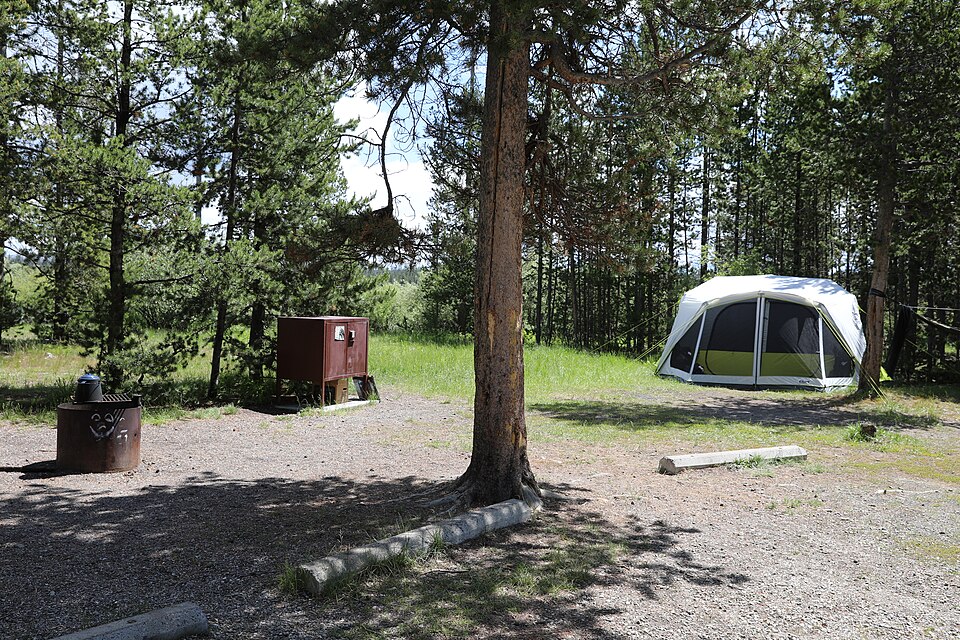
Choose glamping if you want a bed and less equipment to pack, especially when flying into Washington. It can simplify arrival, but shared bathrooms or limited cooking space may still require a campground mindset. Traditional camping usually has a lower lodging cost, though renting or buying gear changes the overall budget and wet-weather comfort depends heavily on your setup.
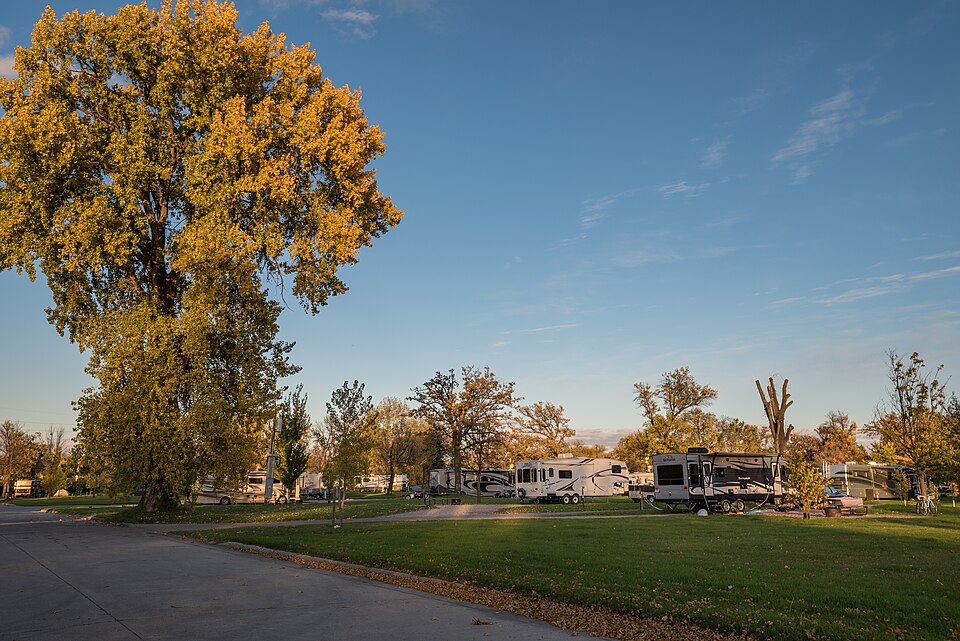
An RV provides shelter and carries your kitchen between bases, but adds rental or ownership costs, fuel use, parking constraints, and campsite-size considerations. Hookups are not universal, and a larger vehicle can complicate sightseeing stops. Whatever style you choose, reserve the actual overnight site rather than assuming park admission secures accommodation. Check the official Olympic National Park website for campground reservations, vehicle restrictions, fire rules, and current conditions. At private properties, follow host rules for food storage, cooking, pets, and quiet hours.