
This 3-day Ocala National Forest itinerary is designed to take you from the bustling coast into the heart of Floridaâs wilderness. Starting from Daytona Beach International Airport, you will quickly leave the beach behind for a landscape of ancient pines and turquoise springs. This plan balances active adventure on the water with relaxing moments in nature, ensuring you see the forest's most famous landmarks while finding a few quiet corners of your own.
Arrival and the Gateway to the Springs
After landing at Daytona Beach International Airport (DAB), pick up your rental carâan SUV is recommended if you plan on exploring some of the unpaved forest roads. The drive to the forestâs eastern edge takes about 82 minutes, covering roughly 55 miles. Your first stop should be the Salt Springs Recreation Area. This is a perfect introduction to the region, as the springs here are unique for their slight salinity and mineral content. Spend your first afternoon soaking in the 72-degree waters and getting settled into your campsite or local lodging.
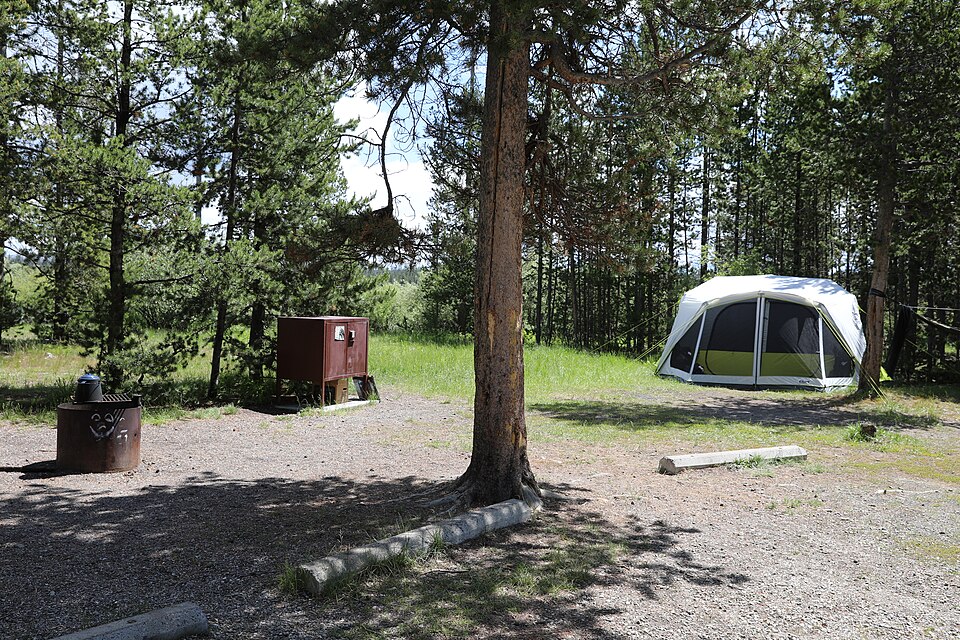
As the sun begins to set, take a short drive to the nearby Lake George pier to watch the colors change over the water. This is a prime time for birdwatching, as herons and egrets are active along the shoreline. For dinner, explore the small-town charm of the surrounding gateway communities, or enjoy a campfire meal if you are camping. Remember to secure all food in bear-proof containers or your vehicle, as the forest is active bear territory. This first day is about slowing down and adjusting to the relaxed pace of the Florida scrub.
Day 2: Paddling the Juniper Run
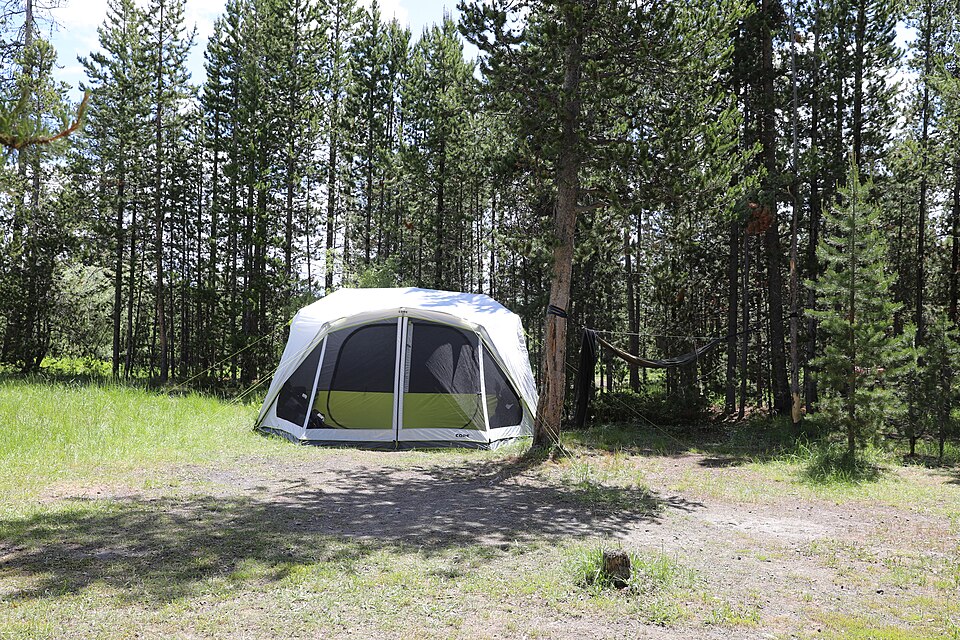
Start your second day early to beat the crowds at Juniper Springs. This is your day for the iconic Juniper Run, a seven-mile paddle that is the quintessential Ocala experience. Pack a waterproof bag with lunch, plenty of water, and sunscreen. The run takes between four to five hours depending on the water level and your pace. Because it is a protected wilderness area, you won't see any houses or motorized boatsâjust pure, untouched Florida nature. You will navigate through tight canopy tunnels and past bubbling boils where water rises from the earth.
After completing the run and taking the shuttle back to your car, spend the late afternoon exploring the Juniper Springs Nature Trail. It is a shorter, easier walk that takes you past the historic mill house and through lush fern gullies. If you still have energy, the nearby Yearling Trail offers a historical perspective of the forest. By evening, you will likely be tired from the paddle, so it is a great time to find a local spot in Eustis or Ocala for a hearty meal before heading back to your base for a quiet night under the stars.
Day 3: Hiking and Hidden Gems
On your final day, head to Alexander Springs on the southern side of the forest. This spring is much wider and offers a beautiful beach-like area, making it a great place to relax after the previous day's workout. Before the heat of the day sets in, hike a portion of the Florida National Scenic Trail that intersects near the park. The sandy paths will lead you through various ecosystems, from hardwood hammocks to pine flatwoods. Keep a sharp eye out for gopher tortoises, which often burrow near the trails.
In the afternoon, make your way toward Silver Glen Springs. This is often considered the most beautiful spring in the forest due to its vibrant blue color. It is a popular spot for manatee sightings during the winter months. Before you begin your drive back toward Daytona Beach for your departure, take one last scenic drive along State Road 40, the heart of the Florida Black Bear Scenic Byway. This route provides a final, sweeping view of the vast sand pine forest that makes Ocala so special. If time permits, a quick stop in the town of Silver Springs can provide some last-minute souvenirs and a final taste of Central Florida hospitality.
Where to sleep
Harvest Hosts stays on the way to Ocala National Forest
Partner link · Harvest Hosts
Pro Tips for Your Trip
To make the most of this itinerary, you must be prepared for the realities of the Florida wilderness. Always check the official Forest Service website for current alerts, as certain spring runs can close due to fallen trees or high water levels. Reservations for the most popular recreation areas like Salt Springs or Juniper Springs are highly recommended, especially if you are visiting between October and April. Without a reservation, you may find yourself turned away at the gate on busy weekends.
Cell service can be spotty once you deep-dive into the forest, so download your maps for offline use before you leave the gateway cities. Water is your most important resource; even in the cooler months, the humidity can lead to dehydration quickly. Finally, respect the wildlife. While it is exciting to see a black bear or an alligator, always maintain a safe distance and never feed any animals. Following âLeave No Traceâ principles ensures that the forest remains a pristine destination for those who follow in your footsteps.
Budgeting and Costs
While there is no single entrance fee for the entire Ocala National Forest, many of the individual recreation areas and springs require a day-use fee. These are generally modest, usually ranging from five to fifteen dollars per person. If you plan on visiting multiple springs, look into a multi-site pass if available during your visit. For a three-day trip, an average daily budget of $140 per person should comfortably cover a mid-range rental car, campsite or modest lodge fees, food, and gear rentals like canoes.
Equipment rentals for paddling are typically the largest variable cost, so if you have your own kayak and a way to transport it, you can save a significant amount. However, many find the convenience of the on-site shuttle services well worth the price. Dining in the gateway cities like Ocala or Eustis offers a range of options from budget-friendly diners to more established restaurants. By planning ahead and packing some of your own meals, you can easily keep your costs on the lower end while still enjoying all the premier experiences the forest has to offer.

More ways to book Ocala National Forest
 Illustrative · Diego Angel
Sprinter Adventure Van
Small enough to park at the trailhead, comfy enough to sleep in.
$189/day (estimate)
Direct link · RVshare