
Choosing the best time to visit Ocala National Forest depends largely on how much you enjoy the Florida humidity and whether you aim to swim or hike. While the forest remains open year-round, the subtropical climate creates distinct seasonal shifts that dictate the flow of visitors and the behavior of local wildlife. Most travelers find the cooler months provide the most comfortable balance for exploring the scrub and pine flatwoods.
Fall: The Return of Cooler Breezes
As October arrives, the oppressive heat of the Florida summer begins to fade, ushering in what many consider the start of the ideal travel window. Fall brings lower humidity and a significant drop in rainfall, making the forest's extensive trail systems, like the Yearling Trail, much more enjoyable for long-distance trekking. You will notice the morning air feels crisp, though afternoons often remain warm enough for a dip in the artesian springs.
Migratory birds begin to appear in the canopy during this transition, and the local black bears become more active as they forage for acorns and saw palmetto berries. Because this is a shoulder season, you can often enjoy the popular recreation areas without the intense crowds seen during spring break or major holidays. It is an excellent time for photographers to capture the soft light filtering through the ancient sand pines and oaks draped in Spanish moss.
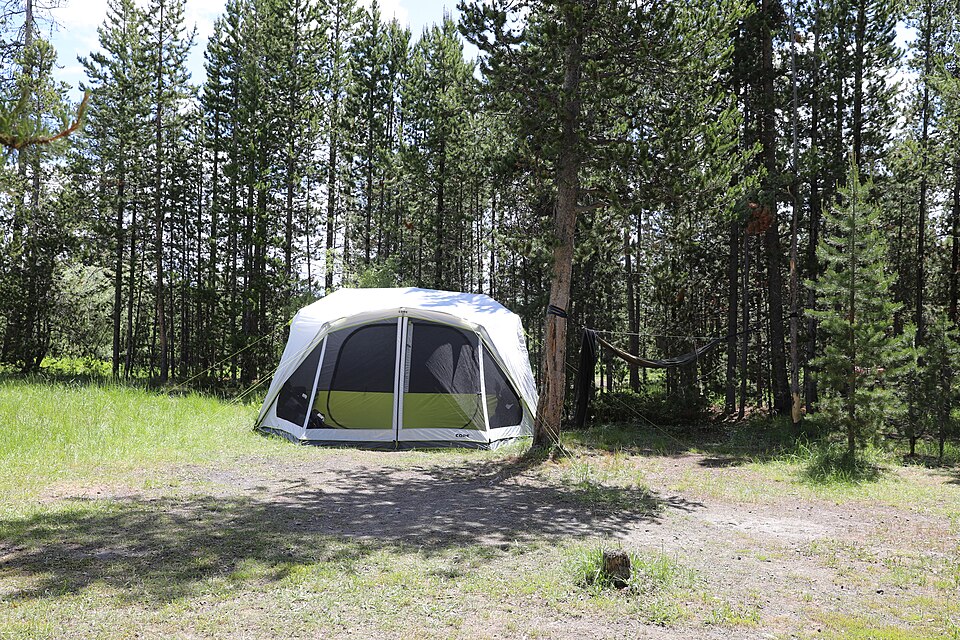
Lock in a stay for this season
RV parks near Ocala National Forest on RoverPass
Partner link · RoverPass
Winter: Peak Hiking and Camping Season
Winter is arguably the best time to visit Ocala National Forest for those interested in backcountry camping and long-distance hiking. From December through February, daytime temperatures typically hover in the comfortable sixties and seventies, while nights can drop into the chilly forty-degree range. This dry season ensures that trails are firm and mosquitoes are at their most dormant, providing a bug-free experience that is rare in Florida.
Because the weather is so pleasant, this is also the busiest time for the forest's developed campgrounds. RV travelers and winter residents often fill the spots at sites like Juniper Springs and Alexander Springs weeks in advance. If you plan to visit during this peak window, checking the official Forest Service website for reservation availability is essential. While the air is cool, the springs remain a constant 72 degrees, offering a unique opportunity to swim in steam-shrouded waters on a cold morning.
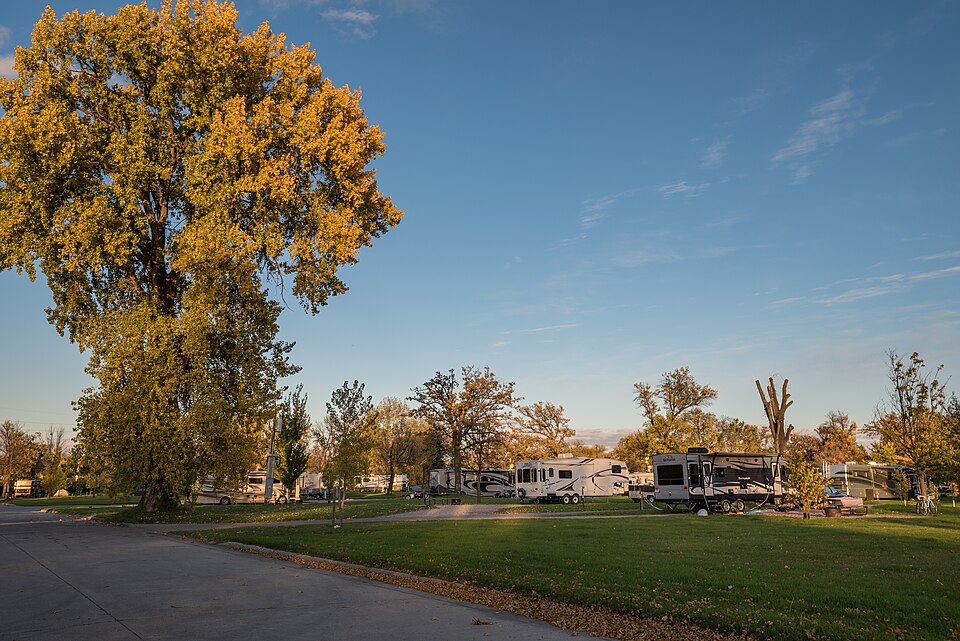
Lock in a stay for this season
Campsites near Ocala National Forest on Campspot
Partner link · Campspot
Spring: Crystal Clear Waters and Wildlife
Springtime in Central Florida is a brief but beautiful window where the forest floor comes alive with wildflowers and the weather remains relatively dry. By March and April, the temperatures begin to climb back into the eighties, making the cool spring waters even more inviting for snorkelers and kayakers. This is the period when manatees may still be lingering in the spring runs before they head back out to the coast as the ocean temperatures rise.
However, spring also coincides with school vacations, which means the most popular swimming holes can reach capacity by mid-morning. If you are visiting during a spring weekend, it is wise to arrive at the gates early to ensure entry. The forest canopy provides decent shade, but you should prepare for the sun to feel much stronger than it did in the winter. It is a prime time for spotting gopher tortoises and various reptiles sunning themselves along the sandy banks of the forest's many lakes.
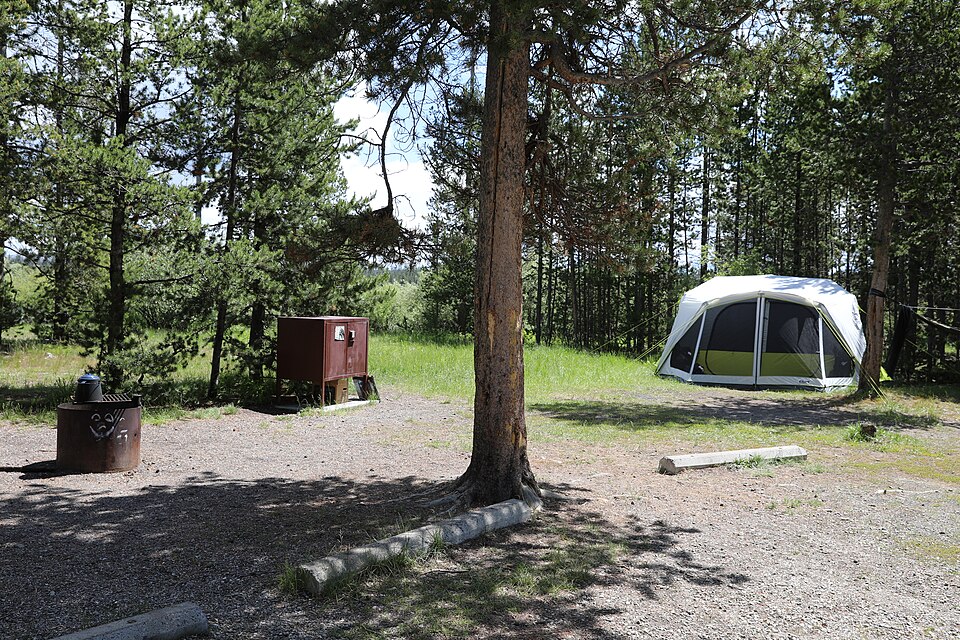
Lock in a stay for this season
Harvest Hosts stays on the way to Ocala National Forest
Partner link · Harvest Hosts
Summer: Navigating the Heat and Rain
Summer in Ocala is defined by high temperatures, intense humidity, and the famous Florida afternoon thunderstorms. While this might seem like a deterrent, summer is actually a popular time for locals to flock to the springs to cool off. The water remains a steady temperature year-round, providing a refreshing escape from the ninety-degree heat. If you visit during the summer months, plan your outdoor activities for the early morning and prepare to be indoors or under cover by 2:00 PM when the daily rains typically arrive.
Rain can make some of the unpaved forest roads muddy and difficult for smaller vehicles to navigate. Additionally, biting insects are at their peak during this time, so heavy-duty repellent is a necessity. While hiking is less popular due to the heat, the shaded canopy of the Juniper Run remains a favorite for paddlers who want to spend the day on the water under the protection of the dense forest overhang.
Crowds and Reservation Timing
To have the best experience, you must consider the timing of your reservations alongside the weather. For the popular winter season, campsites should be booked several months out through the official federal reservation portals. Holiday weekends like Labor Day or Memorial Day see massive influxes of visitors, often leading to temporary closures of the most popular springs once they reach maximum capacity.
Mid-week visits are always recommended if you are looking for solitude, regardless of the season. If you are interested in the more remote experiences, such as the various wilderness areas within the forest, you will find fewer crowds even during peak months. Always check the official NPS or Forest Service site before heading out to verify if any prescribed burns are scheduled, as these can occasionally impact air quality and trail access during the drier winter and spring months.
More ways to book Ocala National Forest
 Illustrative · Xrzt
Florida Trail Hiking
One of the classic ways to experience Ocala National Forest.
Varies (estimate)
Partner link · Viator