
North Conway makes a useful base for exploring the eastern White Mountains without spending every day on a demanding hike. You can pair a morning beside a waterfall with a village afternoon, devote a day to the Kancamagus Highway, or build a winter visit around nearby ski areas. For a three- to five-day trip, choose a few anchor experiences and leave enough flexibility to match your plans to weather, energy, and parking availability.
Start with the Village and Cathedral Ledge
Begin in North Conway village to get oriented before driving deeper into the mountains. The historic railroad station, independent shops, and surrounding streets make a manageable first outing after travel. The Conway Scenic Railroad offers excursions that can add a different perspective on the region; routes and schedules vary, so choose an operating departure rather than assuming every trip runs daily.
For mountain scenery close to town, consider Cathedral Ledge. Its outlook takes in the valley and surrounding hills, and the access road is seasonal. Confirm whether you can drive up or need to adjust your plan before leaving town. Stay well back from exposed edges, and keep children close. Nearby Echo Lake State Park adds lakeside time and walking options when open. These stops fit together geographically, but parking and day-use reservations may affect the order. Check official state park information before setting out.
Walk to Waterfalls or Drive the Kancamagus
Diana’s Baths is one of the area’s familiar waterfall walks, with a relatively short approach through the woods. Its popularity makes an early start worthwhile, especially on summer and fall weekends. Treat the cascades as scenery rather than a climbing playground: wet rock is slippery, and water levels can change the character of the site. Follow posted parking and recreation-fee instructions at the trailhead.
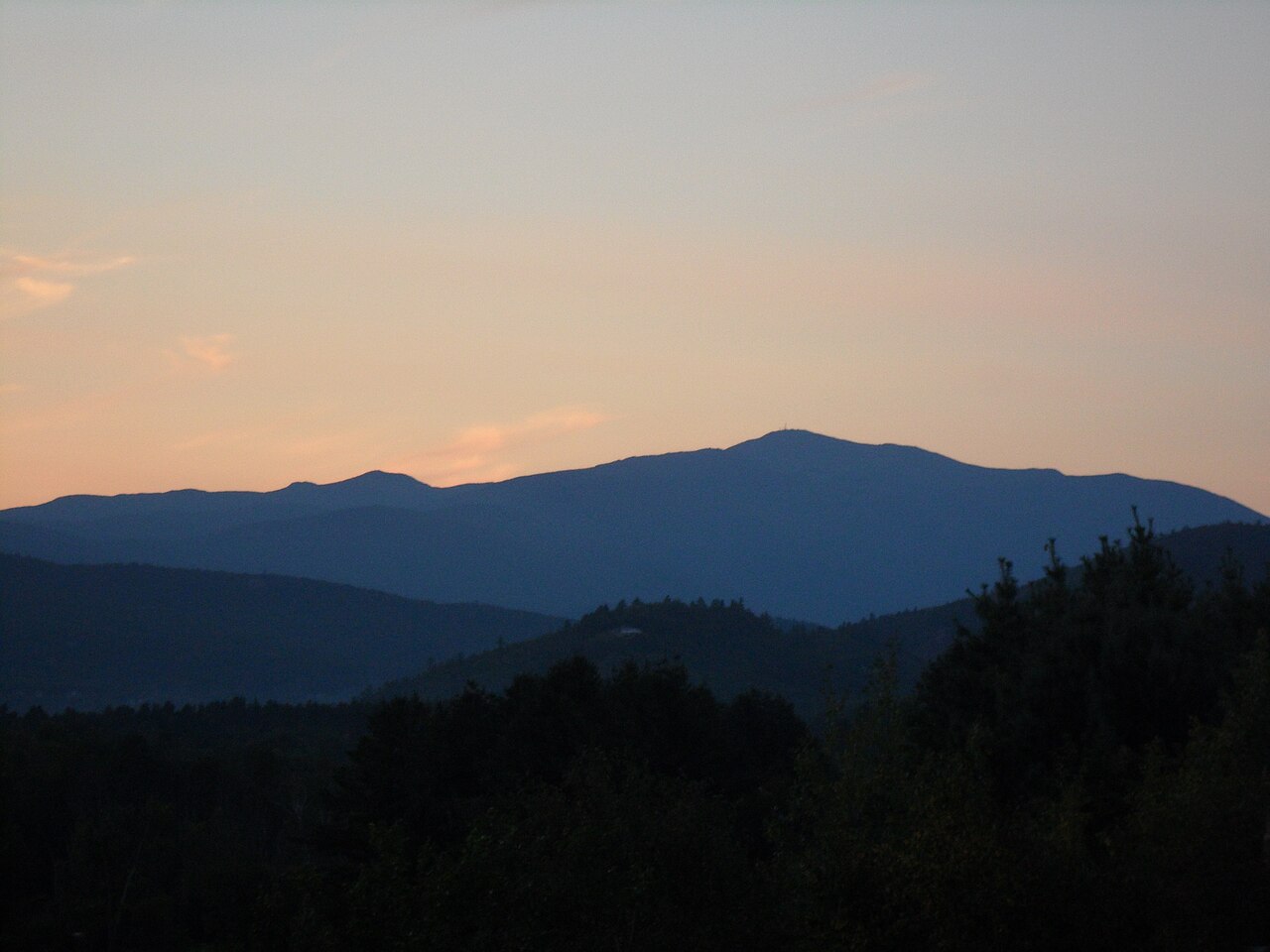
For a longer outing, drive the Kancamagus Highway west from Conway. The route crosses White Mountain National Forest and provides access to overlooks, riverside stops, and trails, including the approach to Sabbaday Falls. Fill your fuel tank and bring food before heading onto the scenic stretch, where services are limited. Pick two or three stops instead of trying to visit every pullout. Check current forest alerts for closures, storm damage, or trail work, and download directions before losing reliable reception.
Spend Time on the Saco River
The Saco River offers another way to experience the valley, whether you prefer a planned paddle or a quiet stop at an authorized public access point. Water level, current, temperature, and weather all matter more than how calm the river looks from a bridge. If you lack local paddling knowledge, consider an established outfitter that can explain the route and arrange transportation between the launch and takeout.
Wear an appropriate life jacket, protect your phone and essentials from water, and ask about current conditions before departing. Do not assume every sandy bank allows public access or camping. Keep river stops low-impact and carry out all trash. Wildlife watching is best treated as a possibility rather than a scheduled attraction: birds and other animals may appear around forest edges and waterways. Observe from a distance, never feed wildlife, and avoid approaching animals for photographs.
Choose Family Outings or a Winter Ski Day
With children, plan around one substantial outing each day and make the second stop optional. Echo Lake State Park can combine scenery, a picnic, and seasonal swimming access, while a railroad excursion offers a break from driving. Story Land in nearby Glen is another established family option, but it operates seasonally and requires checking current admission and scheduling details. Leave room for meals and downtime rather than linking every attraction into one long circuit.
In winter, skiing becomes a natural focus. Cranmore is convenient to North Conway, and Attitash is nearby in Bartlett. Compare terrain, lessons, rentals, and travel logistics based on your group’s experience rather than choosing only by proximity. Reserve instruction ahead during busy periods. Non-skiers can build a separate village-based day, but confirm winter operation for any attraction. For snowshoeing or winter walks, use appropriate equipment and seek current information about ice, snow coverage, and route suitability.
Keep a Realistic Rainy-Day Plan
A wet day does not have to become a long, low-visibility mountain drive. Stay closer to North Conway for bookstores, shops, cafes, and outlet shopping along the commercial corridor. The Mount Washington Observatory’s Weather Discovery Center is a place to check for weather-focused exhibits and current visitor access. Verify its official information before making it the centerpiece of your afternoon, since programming and public access can change.
An operating scenic railroad excursion may also work in rain, though clouds can limit distant views. Choose it for the train experience rather than expecting clear mountain panoramas. If you want a brief outdoor break, select a sheltered, low-elevation walk and avoid swollen streams or exposed ledges. Rain in the valley can coincide with colder, harsher weather above. Use the afternoon to review official forest and state park updates, dry your gear, and move your longer hike to a better weather window.