
North Conway glamping is best approached as a search across the surrounding Mount Washington Valley, not just the village itself. Depending on current listings, your options may include furnished tents, yurts, rustic cabins, or other ready-to-use outdoor lodging, with very different levels of comfort. For a three- to five-day trip, focus on the location and amenities you actually need rather than assuming that every stay labeled glamping includes a private bathroom, heat, or cooking equipment.
What Glamping Looks Like Around North Conway
Around North Conway, the practical appeal of glamping is sleeping close to the outdoors without transporting a full campsite. A furnished tent might provide a bed and covered sitting space but use shared bathrooms. A small cabin may offer solid walls and electricity yet still lack running water. A yurt or similar structure can fall anywhere between those arrangements. Read the actual amenity list rather than relying on the accommodation label.
Before booking, confirm bedding, towels, drinking water, bathroom distance, and whether the cooking setup includes cookware or only a fire ring. Ask whether the site has vehicle access or requires carrying luggage along a path. Electricity, charging outlets, Wi-Fi, and cell reception should also be verified individually. For a hiking-focused trip, drying space and reliable hot showers may matter more than decorative features. Photos can help, but written descriptions should explain what is private, shared, seasonal, or unavailable.
Where to Search: Conway, Bartlett, Glen, and Jackson
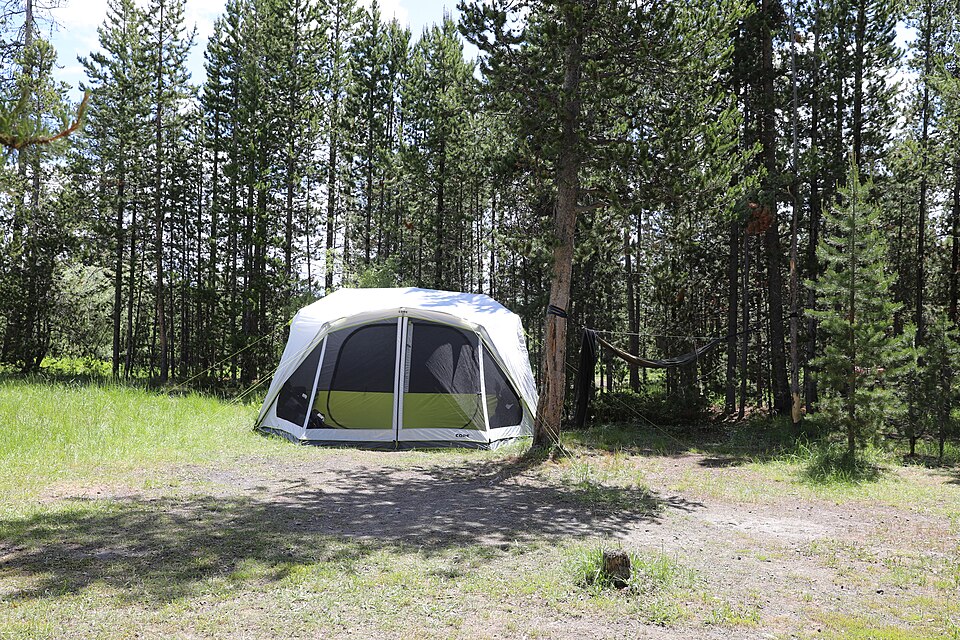
Search beyond North Conway’s center to compare settings around Conway, Bartlett, Glen, and Jackson. Staying near North Conway or Conway can simplify groceries, restaurants, and access toward the eastern end of the Kancamagus Highway. Bartlett and Glen place you along the approach toward Crawford Notch and near several established family and mountain attractions. Jackson offers another village base within the wider valley, though each property’s actual road location matters more than its mailing address.
Do not assume a woodland listing is remote or a riverside listing includes legal swimming access. Check the map for nearby roads, neighboring sites, and the distance to supplies. Ask about road surfaces and whether your vehicle is suitable, particularly during mud season or winter. For a short stay, avoiding repeated drives across the valley may be more valuable than choosing the most secluded-looking photograph. Build your lodging search around the outings you expect to repeat.
Choose the Season to Match the Shelter
Summer is the most straightforward season for tent-style glamping, but warm afternoons do not eliminate cool nights or heavy rain. Look for ventilation, insect screening, a weather-resistant shelter, and a place to keep bags off damp ground. Spring and early summer can bring biting insects, while wet conditions may affect paths and outdoor cooking areas. Ask how the property handles extended rain before relying entirely on an outdoor setup.
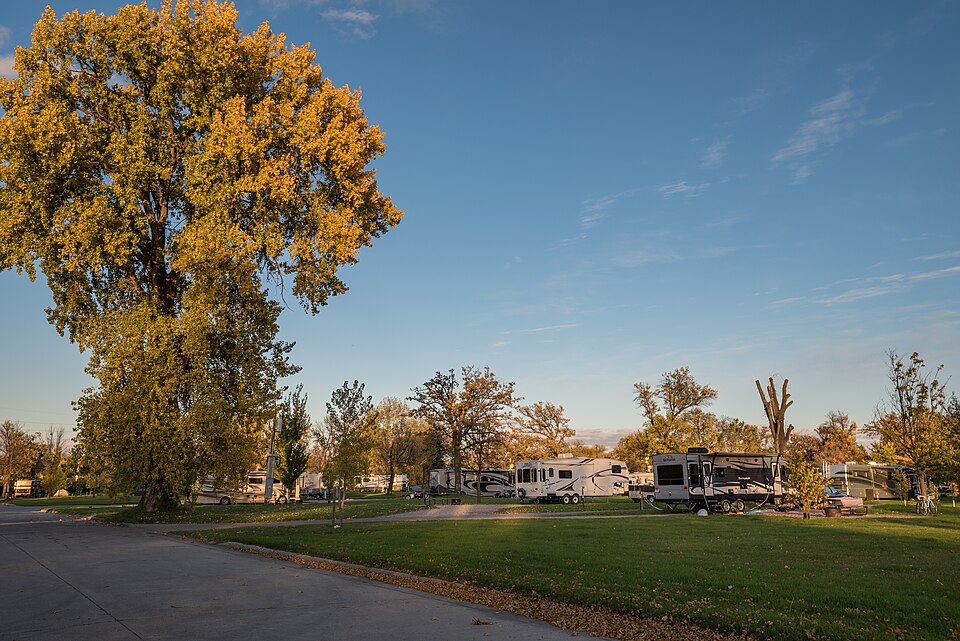
Fall combines crisp evenings with foliage outings, making insulation and bedding especially important. Popular autumn weekends merit advance reservations, and an open-sided or unheated structure may feel very different after sunset. Winter stays require explicit confirmation that the unit operates in cold weather, has appropriate heat, and retains usable water and bathroom access. Also verify plowing and parking arrangements. Never bring a camp stove or outdoor heater inside a shelter, and follow the property’s instructions for any installed heating equipment.
Glamping Versus Tent Camping and RV Stays
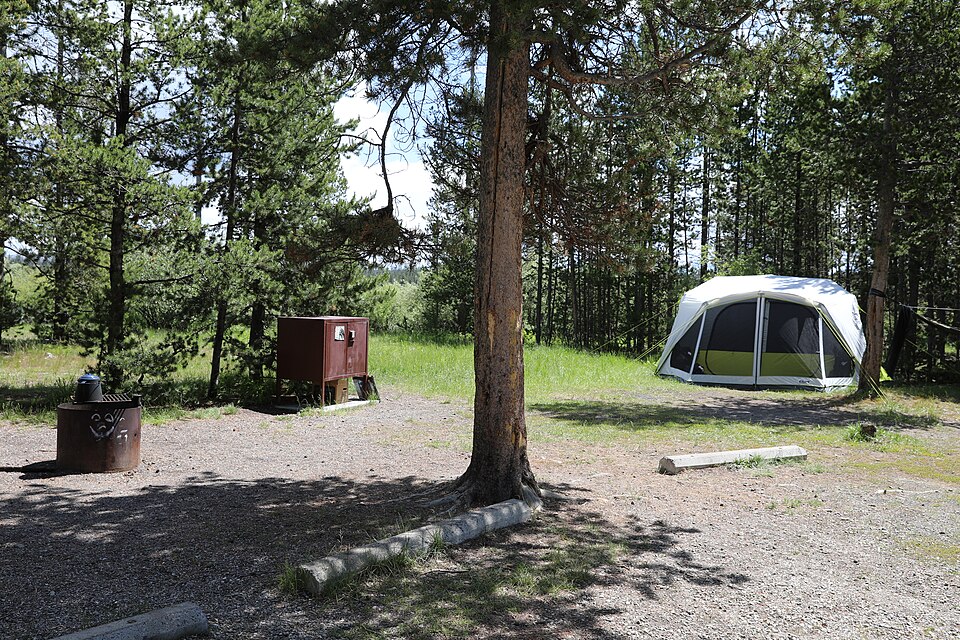
Glamping makes sense when you want a ready-made sleeping setup and do not own camping gear, but it usually costs more than a basic tent campsite. Treat that as a rough comparison, not a rule: seasonal demand, cleaning charges, and included amenities can change the total considerably. Compare the full stay cost, including required fees, rather than the nightly headline alone. A simple cabin may offer better practical value for your needs than an elaborate tent.
Traditional camping gives you more control over equipment and can reduce lodging expenses if you already have suitable gear. The tradeoff is setup time, packing, and managing wet weather. An RV adds a different set of considerations, including rental expense, fuel, site dimensions, hookups, and waste disposal. Not every campground supports every vehicle or service. Glamping generally suits travelers who want outdoor atmosphere without handling those systems, but verify exactly which comforts the booking provides.
Booking, Food Storage, and Daily Logistics
Reserve early for summer weekends, foliage periods, and holiday travel, especially if you need a private bathroom or accommodation for a larger family. Confirm minimum stays, cancellation terms, pet rules, and whether children can use all sleeping areas. Ask about cooking restrictions and current fire rules; a listed fire pit does not mean fires are always permitted. Bring simple meals that remain workable if outdoor cooking is unavailable.
The White Mountains are wildlife habitat, including black bears, so follow the property’s food-storage rules and keep food, trash, and scented items out of sleeping areas as directed. Never leave snacks outside overnight. Pack a headlamp, layers, rain protection, and footwear suited to unpaved paths. Before each outing, check White Mountain National Forest and New Hampshire State Parks websites for current conditions and reservations. A comfortable lodging setup reduces packing, but it does not replace preparation for mountain weather or changing trail access.