
Embarking on a Natchez Trace itinerary is a journey through time and nature. This 444-mile scenic drive connects the musical heart of Nashville with the historic river bluffs of Natchez, Mississippi. To truly appreciate the slow pace and the wealth of historic stops, we recommend a 3 to 5-day trip. This allows ample time for hiking, exploring ancient mounds, and enjoying the small-town charm of the gateway communities along the way. While you can drive the length in a single long day, the magic of the Trace lies in the frequent stops and the absence of commercial pressure.
Day 1: Nashville to Northwest Alabama
Begin your journey at the northern terminus near Nashville, Tennessee. After picking up your rental car at the airport or starting from the city, head to the iconic Natchez Trace Parkway Bridge at Milepost 438. This double-arched concrete bridge offers breathtaking views of the valley below. Your first major stop should be the Garrison Creek area for a morning hike or a quick horse trail viewing. As you head south, stop at the Meriwether Lewis site (Milepost 385.9) to see the monument and explore the historic forest.
Continue into the northwest corner of Alabama. If you are flying into the region, Northwest Alabama Regional Airport (MSL) is a convenient starting point just about 45 minutes from the Parkway. Spend your late afternoon at Colbert Ferry (Milepost 327.3), where travelers once crossed the Tennessee River. The area is perfect for a riverside picnic. For your first night, consider staying in the Florence or Muscle Shoals area, known for its rich musical heritage and Southern hospitality. This first leg introduces you to the rugged, hilly terrain of the Tennessee Valley before the landscape flattens into the Mississippi plains.
Day 2: Crossing into Mississippi
On your second day, cross the state line into Mississippi. The landscape begins to transition into pine forests and open fields. Make your first stop at the Pharr Mounds (Milepost 286.7), a massive 90-acre site containing eight ancient burial mounds. It is a place of quiet reflection and impressive scale. Continue south to Tupelo, the headquarters of the Natchez Trace Parkway. The Visitor Center here is a must-visit for its excellent film on the history of the Trace and its helpful park rangers who can provide the latest trail conditions.
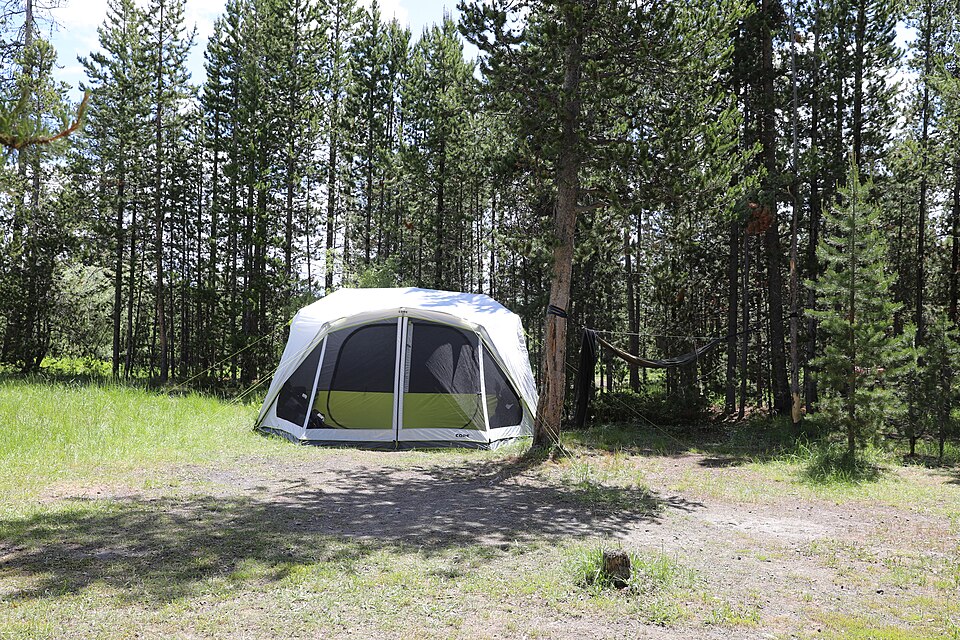
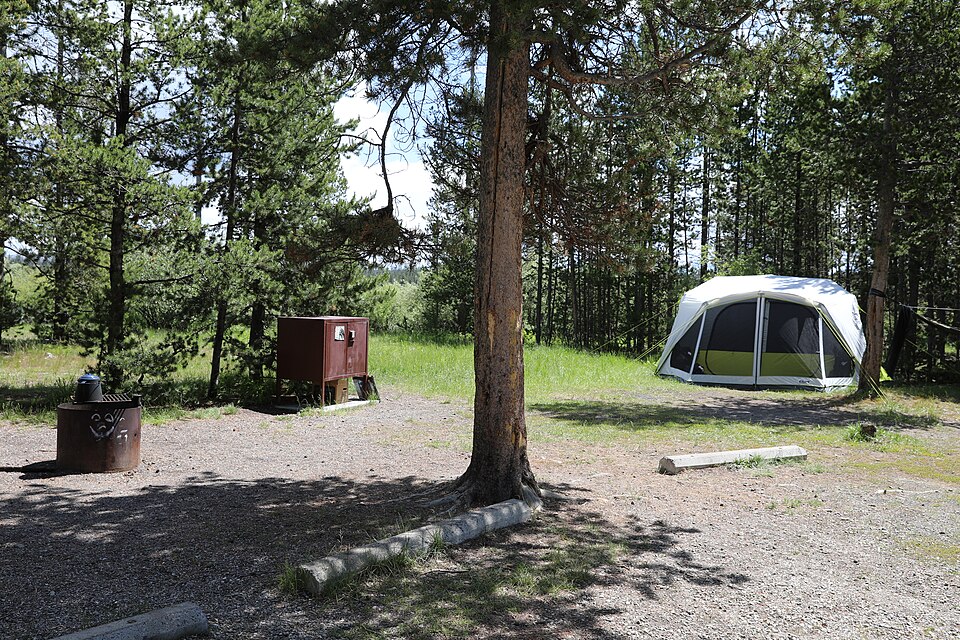
While in Tupelo, you might take a short detour into town to visit local historic sites before returning to the Parkway. Further south, stop at the Confederate Gravesites (Milepost 269.4) for a short walk to see the resting places of unknown soldiers. For the evening, head toward Jeff Busby Park (Milepost 193.1). This site features a campground and an overlook at Little Mountain, one of the highest elevations in the state. Watching the sunset from this vantage point is a highlight of the central section of the Trace. The air here is often cooler, providing a pleasant end to a day of exploration.
Day 3: Through the Heart of Mississippi
Day three takes you deeper into the lush, green heart of Mississippi. Start your morning at the Cypress Swamp (Milepost 122). The boardwalk here takes you over dark, still waters filled with ancient cypress trees and water tupelos. It is one of the most photographed spots on the Parkway and a great place to see local wildlife. As you continue toward Jackson, the state capital, the road passes through the Yockanookany River basin, a region of dense wetlands and hardwood forests.
Near Milepost 105.6, visit the Reservoir Overlook, which offers views of the massive Ross Barnett Reservoir. This is a popular spot for locals and travelers alike to enjoy the water. After passing through the Jackson area, stop at the Rocky Springs site (Milepost 54.8). Once a thriving town, all that remains today is a historic church and a few rusted safes and cisterns. The haunting beauty of the abandoned town site and the nearby waterfall makes for a memorable stop. You can camp here or continue toward your final destination. The transition from the modern outskirts of Jackson back into the deep woods of the Trace is a striking reminder of the Parkway's role as a preserved corridor.
Day 4: Ancient Mounds and the Historic Finish
Your final full day focuses on the southernmost stretch of the Trace. Begin with a visit to the Sunken Trace at Milepost 41.5. This is one of the best-preserved sections of the original trail where you can walk deep within the eroded banks. The scale of the erosion over hundreds of years is truly impressive. Next, make the short drive to Emerald Mound (Milepost 10.3), the second-largest ceremonial earthwork in the United States. Climbing to the top provides a commanding view of the surrounding forest and a sense of the Mississippian culture that once dominated this region.
End your journey in Natchez, Mississippi, the southern terminus of the Parkway. This historic city sits on a bluff overlooking the Mississippi River and is famous for its well-preserved antebellum architecture and Southern charm. Spend your afternoon exploring the Natchez Under-the-Hill area, which was once a rowdy port for boatmen and is now a peaceful spot to watch the river flow by. Celebrating the completion of the 444-mile journey with a sunset over the Mississippi River is the perfect conclusion to your Natchez Trace itinerary. The city offers a range of historic inns and modern dining, allowing you to transition slowly back from the wilderness to civilization.
Practical Tips for the Road
To make the most of your Natchez Trace itinerary, there are several practical considerations to keep in mind. First, remember that there are no commercial services directly on the Parkway. You must exit at designated points to find fuel, food, and lodging. It is helpful to carry a paper map or download offline maps, as cell service can be spotty in the more remote sections. The speed limit is strictly enforced at 50 mph, encouraging a leisurely pace that is essential for spotting wildlife and enjoying the scenery.
Budgeting for your trip should account for approximately $140 per day, covering mid-range dining, fuel, and lodging in gateway cities. While there are no entrance fees for the Parkway, you may want to contribute to the local economy by visiting museums and shops in the nearby towns. Always check the official National Park Service website for current alerts, as road maintenance or weather events can cause temporary detours. Finally, be mindful of cyclists; the Trace is a designated bicycle route, and you will frequently share the road with long-distance riders. Patience and awareness ensure a safe and enjoyable trip for everyone on this historic American road.

More ways to book Natchez Trace
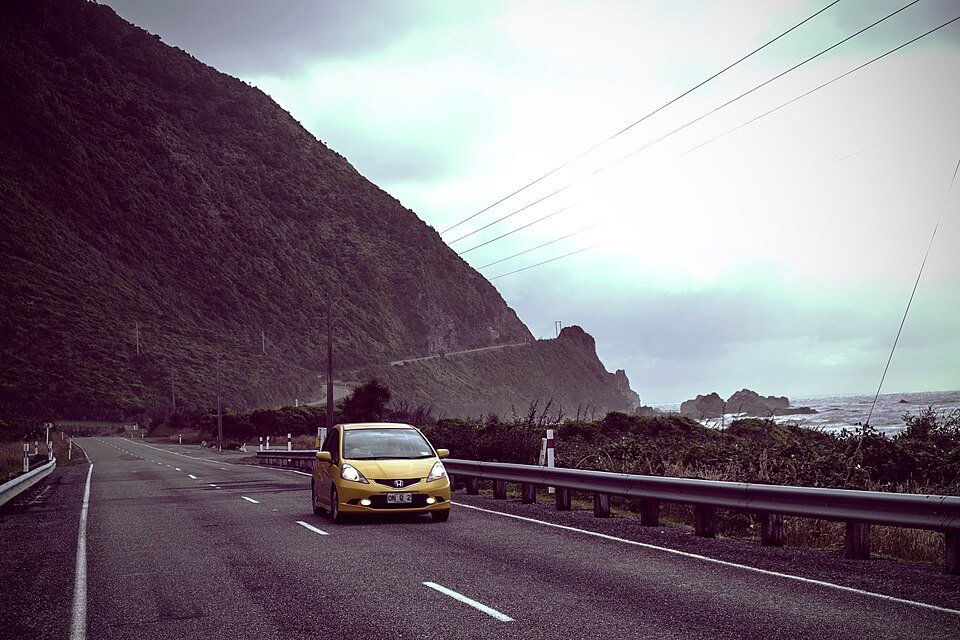 Illustrative · Diego Angel
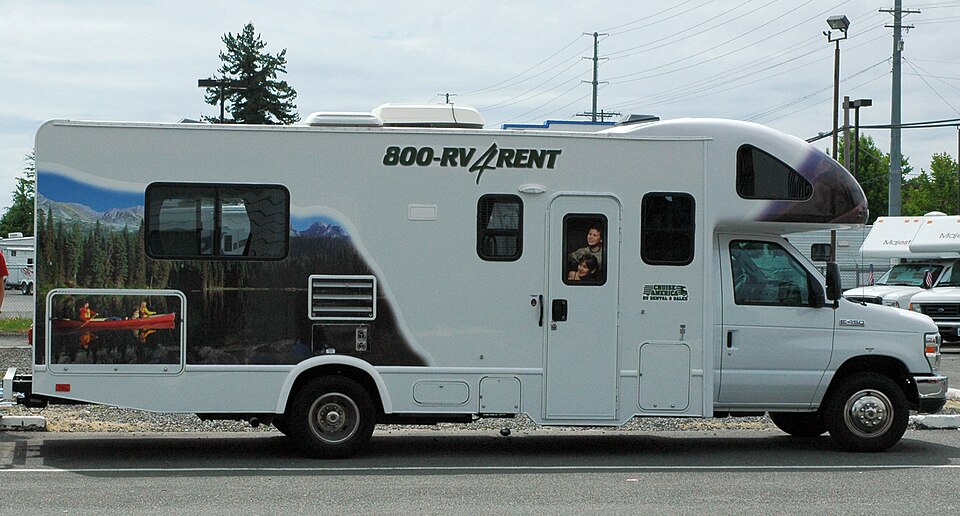
Sprinter Adventure Van
Small enough to park at the trailhead, comfy enough to sleep in.
$189/day (estimate)
Direct link · RVshare