
Choosing the best time to visit Natchez Trace depends on whether you prefer the emerald canopy of the Southern spring or the crisp, fiery hues of a Tennessee autumn. As a 444-mile linear parkway stretching from the Mississippi River to the Appalachian foothills, the weather varies significantly between the southern terminus in Natchez and the northern end near Nashville. While the road is open year-round, timing your journey ensures you catch the most comfortable temperatures for hiking ancient forest trails and exploring historic sites.
Spring Blooms and Wildflowers
Spring is widely considered the best time to visit Natchez Trace for those who enjoy vibrant natural beauty. Starting in late March and continuing through May, the parkway transforms into a corridor of color. In the southern sections near Jackson and Natchez, azaleas and dogwoods lead the way, followed by a wave of wildflowers that moves northward as the weeks progress. The temperatures during this window are generally mild, typically ranging from the mid-60s to the low 80s Fahrenheit.
This is an ideal season for cyclists and hikers who want to avoid the intense humidity that arrives later in the year. The verdant greenery is at its peak, and the migratory birds are returning to the hardwood forests, making it a prime time for birdwatching. Be aware that spring can bring occasional heavy rain showers and thunderstorms, so it is wise to monitor the National Weather Service and the official National Park Service alerts for any road closures or downed trees that might affect your travel plans.
Autumn Foliage and Crisp Air
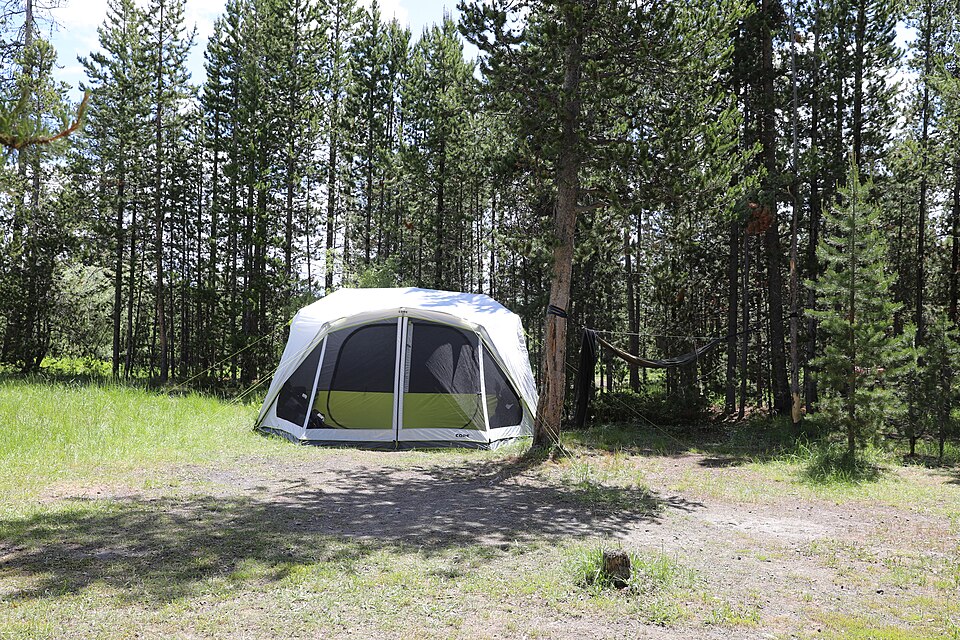
October and November offer a spectacular display of fall colors, particularly in the northern reaches of the parkway in Tennessee and Alabama. The maples, oaks, and hickories create a tunnel of gold and crimson that makes for a world-class scenic drive. During this period, the air turns crisp and dry, providing perfect conditions for overnight camping at the parkway's developed campgrounds. Daytime highs often hover in the 60s, while nights can drop into the 40s, requiring layered clothing for those exploring the Sunken Trace or the Meriwether Lewis site.
Fall is also one of the busiest times on the Trace, as travelers flock to see the foliage. While the road rarely feels congested due to the absence of commercial traffic, popular stops and overlooks may have more visitors than usual. If you plan on staying in gateway cities like Nashville or Natchez during the peak leaf-peeping weeks, it is recommended to book your accommodations well in advance to ensure availability near the parkway entrances.
Summer Humidity and Lush Canopy
Summer on the Natchez Trace, spanning June through August, is characterized by high heat and significant humidity, especially in the Mississippi segments. While the dense forest canopy provides ample shade over much of the roadway, outdoor activities like long-distance hiking can be strenuous. Afternoon thunderstorms are common, often providing a brief reprieve from the heat before the sun returns. Despite the humidity, summer is a popular time for families on road trips who enjoy the lush, jungle-like atmosphere of the southern swamps and the cooler waters of the Buffalo River near the Tennessee line.
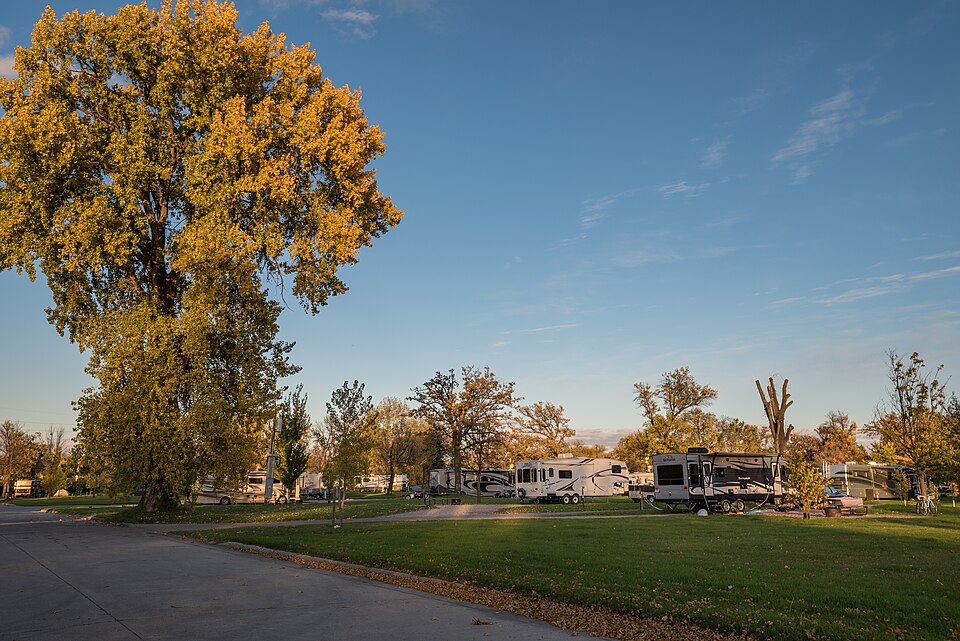
Wildlife is highly active during these months, though you may need to look closely through the thick undergrowth. Insects, including mosquitoes and ticks, are also at their peak, so travelers should come prepared with appropriate repellents and long clothing for trail walks. If you are traveling by RV, summer is a great time to take advantage of the shaded picnic areas, but remember that the parkway's campgrounds do not offer hookups, so be prepared for a primitive or self-contained camping experience.
Lock in a stay for this season
Harvest Hosts stays on the way to Natchez Trace
Partner link · Harvest Hosts
Winter Quiet and Clear Vistas
Winter is the quietest season on the Trace, offering a sense of solitude that is hard to find at other times of the year. From December through February, the deciduous trees drop their leaves, opening up vistas and views of the surrounding landscape that are hidden during the summer. The lack of foliage makes it easier to spot historic structures, ancient mounds, and geological features like the rocky outcrops in Alabama. While snow is rare in the southern half, the Tennessee section can experience occasional ice or light snow, which may lead to temporary road closures for safety.
Temperatures fluctuate significantly in winter; one day might be a sunny 60 degrees, while the next could see a sharp freeze. For those who enjoy photography, the low winter sun creates long shadows and beautiful lighting on the cypress swamps. Most facilities, including restrooms and visitor centers, remain open, but it is always best to check the official NPS site for seasonal hours or maintenance projects. The absence of crowds makes this an excellent time for a meditative drive through the historic corridor.
Planning for Crowds and Reservations
While the Natchez Trace Parkway does not require an entrance fee or permits for general travel, planning for crowds is essential during the peak seasons of spring and fall. Weekends in October, in particular, see the highest volume of traffic. If you are seeking a truly solitary experience, consider traveling mid-week. The three National Park Service campgroundsâRocky Springs, Jeff Busby, and Meriwether Lewisâare available on a first-come, first-served basis. During the height of the fall color season, these spots can fill up by early afternoon.
For those not camping, the gateway cities provide a wide range of lodging. From historic bed and breakfasts in Natchez to modern hotels in Jackson and Nashville, there are plenty of options, but they do fill up during regional festivals or peak foliage weeks. Always check the park's official website for current alerts regarding construction or detours, as the Parkway is a historic road that requires regular maintenance. Budgeting for your trip should include fuel and food, as there are no commercial services directly on the Parkway; you will need to exit into nearby towns for these necessities.
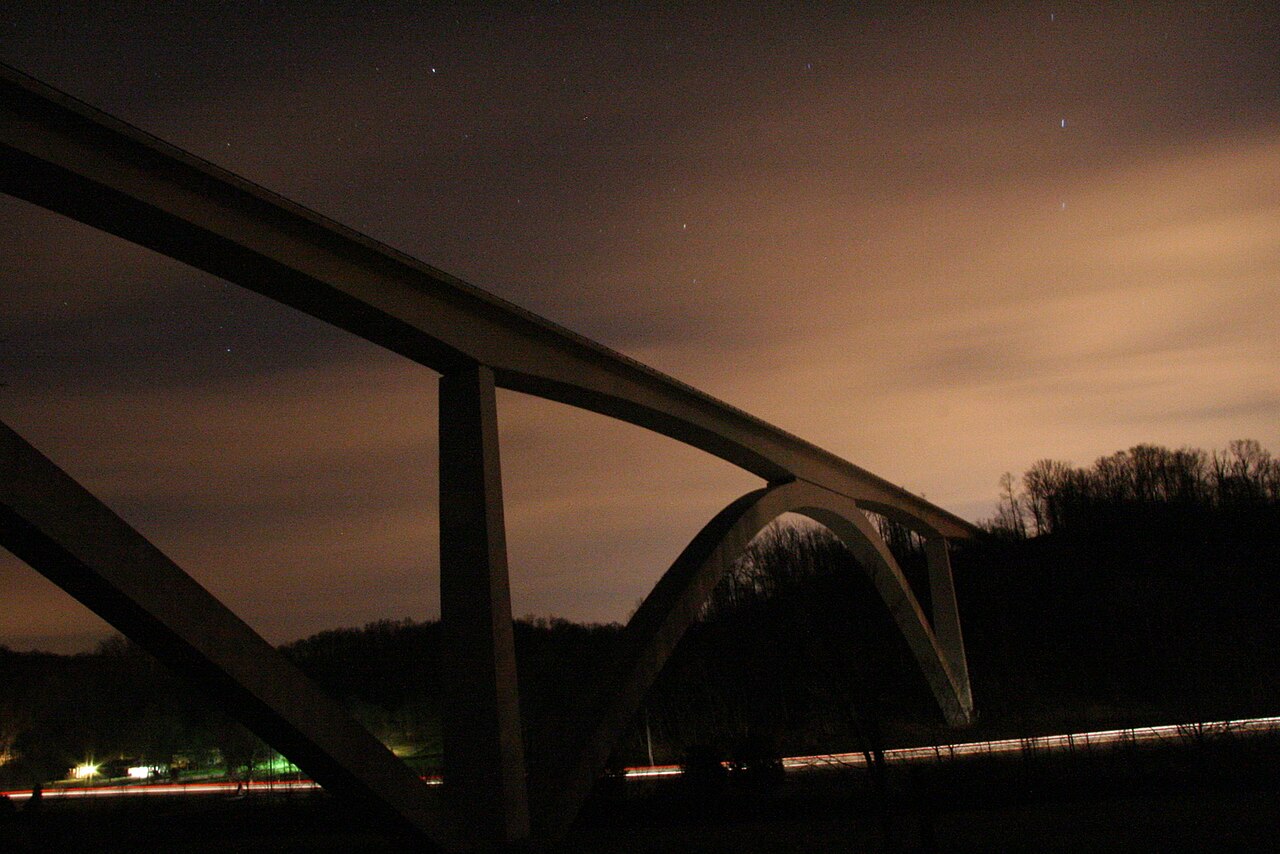
More ways to book Natchez Trace
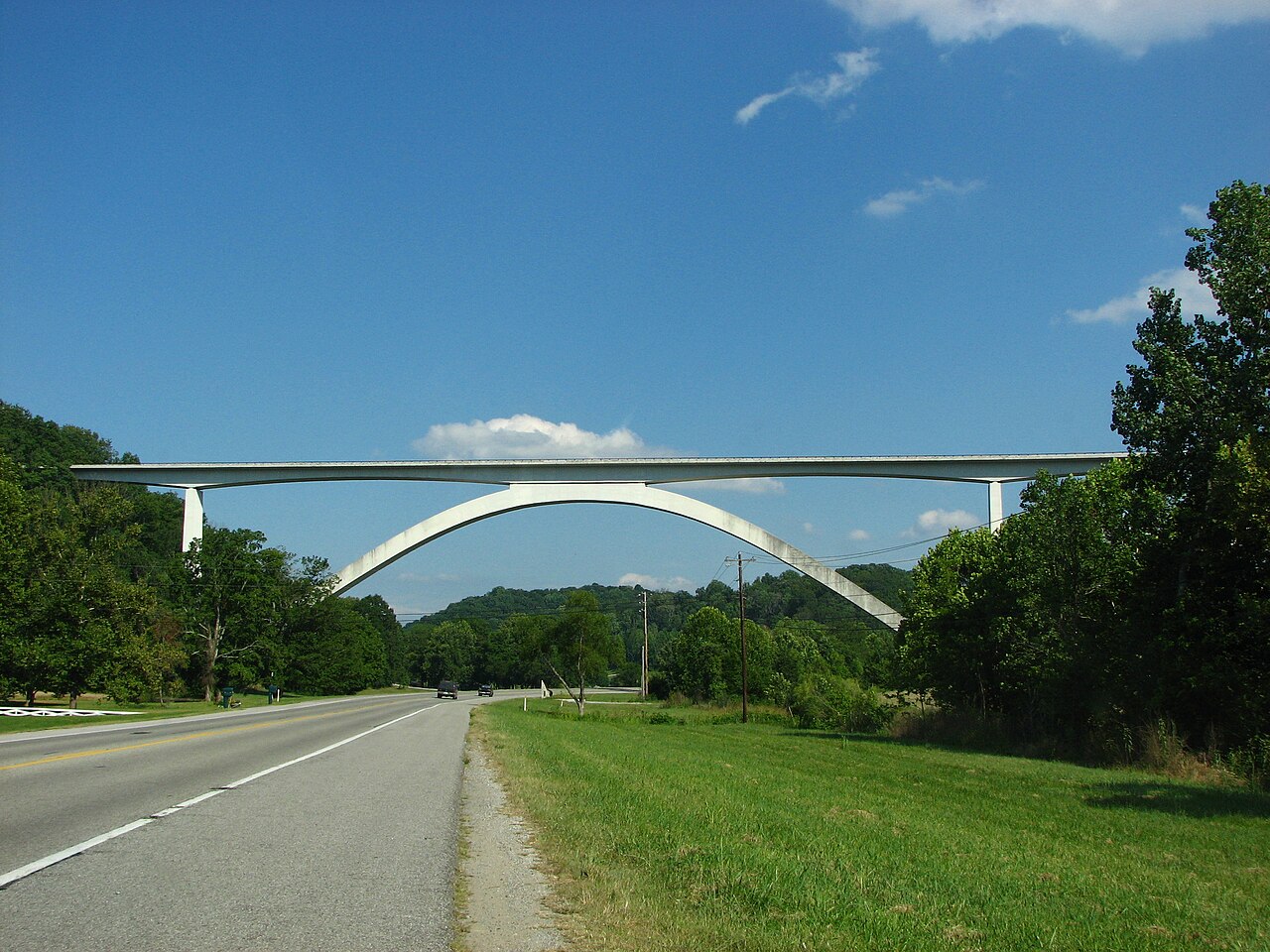 Illustrative · Matthew Nichols
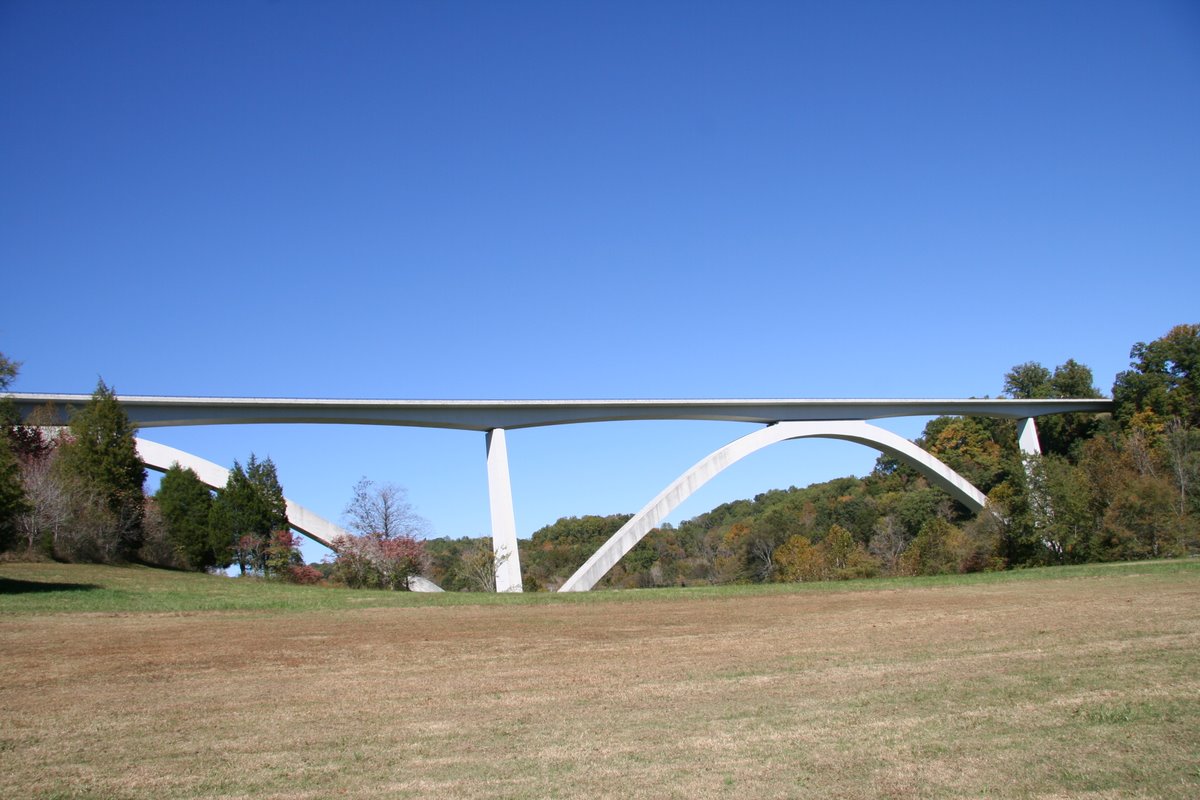
Natchez Trace Parkway Bridge
One of the classic ways to experience Natchez Trace.
Varies (estimate)
Partner link · Viator