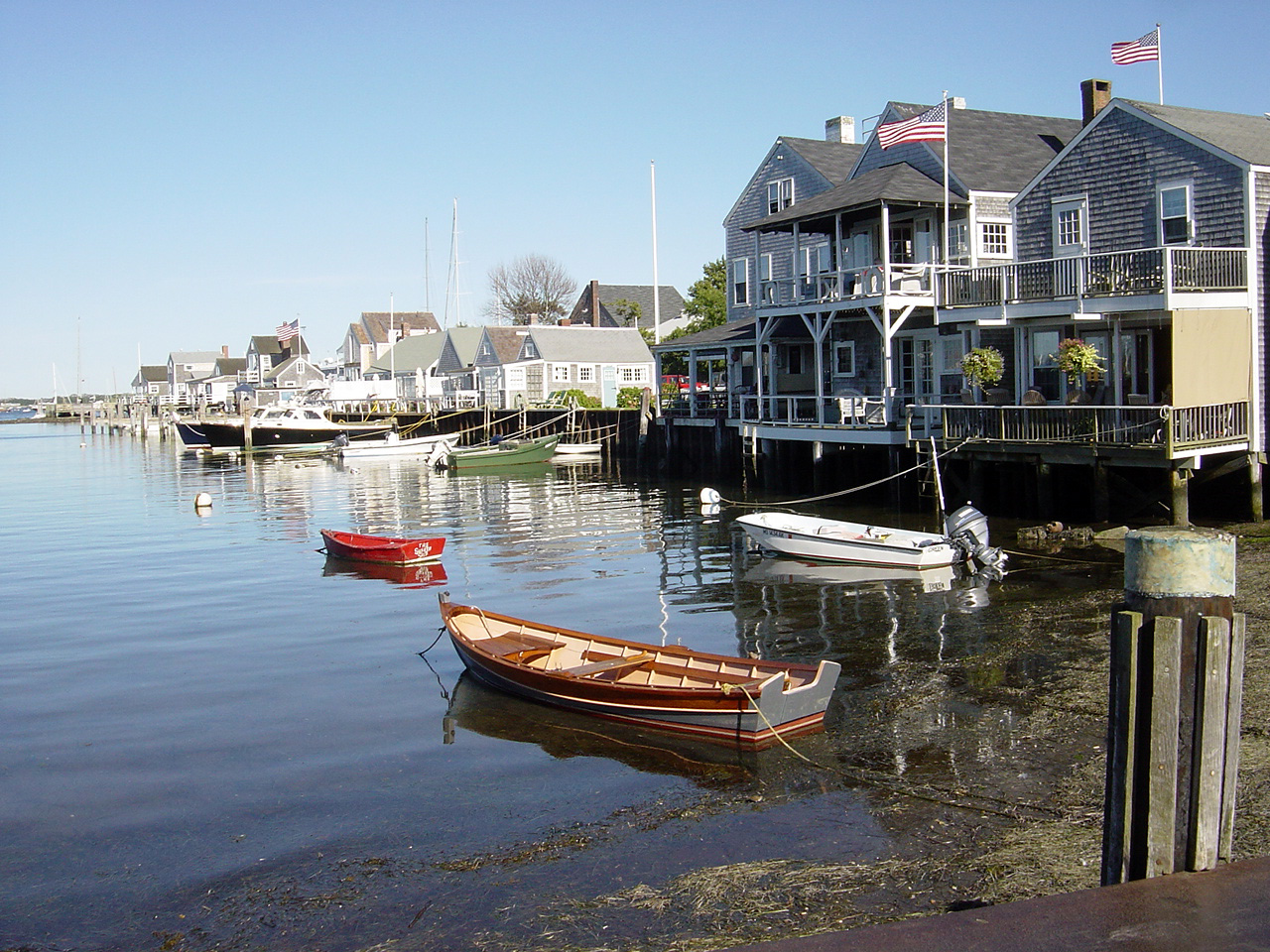
Glamping on and near Nantucket offers a unique way to experience the rugged Atlantic coast without sacrificing the comforts of a high-end getaway. While the island itself is famous for its historic inns and luxury hotels, the surrounding Massachusetts coast and nearby islands have embraced the glamping trend, providing stylish tents and converted cottages. This approach to travel allows you to wake up to the sound of the ocean and the smell of salt air while enjoying a comfortable bed and curated amenities.
The Glamping Experience on the Island
On Nantucket, glamping tends toward the upscale and refined. You won't find traditional, rugged campgrounds with rows of tents; instead, the island offers 'glamorous camping' in the form of luxury tented sites or eco-friendly yurts located near the moors and quieter beach areas. These accommodations often feature high-thread-count linens, private decks, and sometimes even en-suite bathrooms. The goal is to provide an immersive nature experience that mirrors the islandâs sophisticated aesthetic.
Staying in a glamping site on the island allows for unparalleled access to the stars and the sound of the surf. Many sites are positioned to take advantage of the island's dark skies, making for incredible stargazing opportunities away from the light pollution of the downtown district. This is a far cry from roughing it; it is a intentional choice to trade four walls for canvas while still enjoying the premium service Nantucket is known for. Because these spots are limited, they are highly sought after and often book up as quickly as the most popular historic inns.
Gateway Glamping: Hyannis and New Bedford
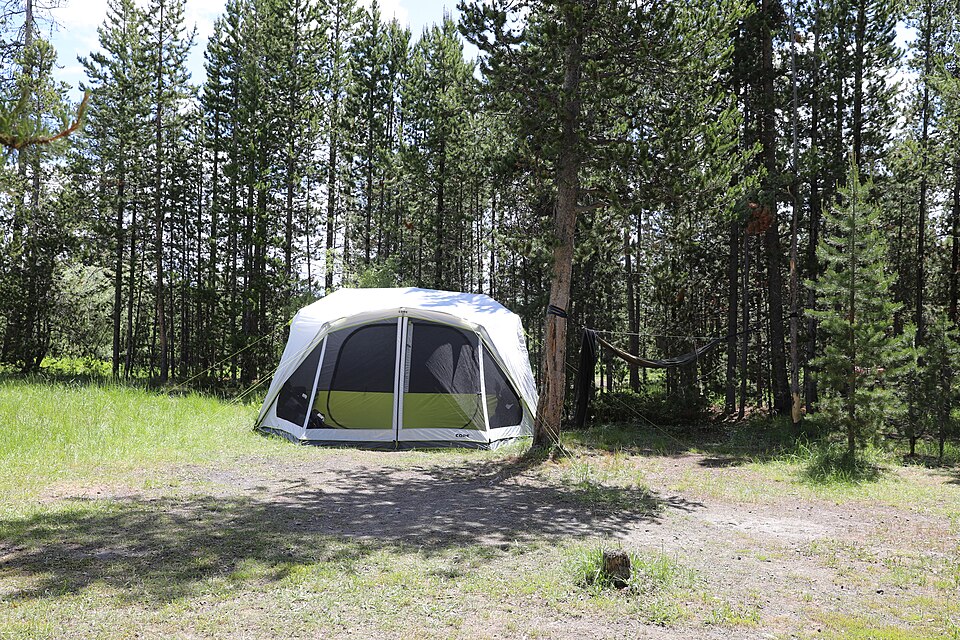
If you are looking for a glamping experience before or after your ferry ride, the gateway cities of Hyannis and New Bedford offer several options. The Cape Cod area, in particular, has a variety of luxury outdoor stays, ranging from vintage Airstream trailers to high-end safari tents. These locations serve as an excellent basecamp for exploring the broader Massachusetts coast before heading across the sound to Nantucket. They often provide more communal amenities, such as shared fire pits, swimming pools, and organized outdoor activities.
Glamping in these gateway areas is generally more accessible than on the island itself. It provides a nice transition from the mainland's faster pace to the island's relaxed atmosphere. You can spend a day exploring the shops and museums of Hyannis, then retreat to a luxury tent under the pines. This is also a practical option for those who want the outdoor experience but prefer to be closer to the major transportation hubs and larger grocery stores found on the mainland.
Glamping vs. Traditional Camping and RVs
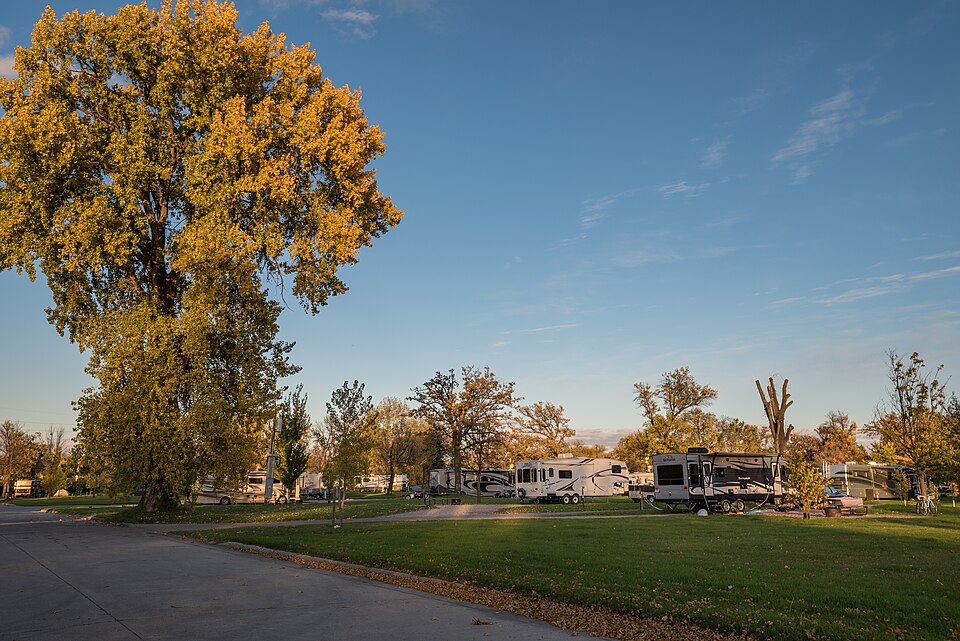
It is important to note that traditional tent camping and RV stays are very limited on Nantucket. The islandâs zoning and preservation laws mean there are no large-scale commercial campgrounds or RV parks. This makes glamping the primary way to experience the islandâs outdoors overnight. Unlike traditional camping, you won't need to pack a stove, sleeping bag, or tent. Glamping providers handle all the logistics, allowing you to arrive with just a suitcase and a sense of adventure.
For those used to RV travel, the island can be challenging. Bringing a large vehicle over on the ferry is expensive and navigating the narrow, cobblestone streets of the historic district is nearly impossible. Glamping offers a similar sense of freedom and connection to the landscape as an RV, but in a format that is much better suited to the islandâs unique infrastructure. It provides a fixed, comfortable home base from which you can explore via bicycle or the local shuttle system, preserving the island's quiet and historic character.
Seasonality and Weather Considerations
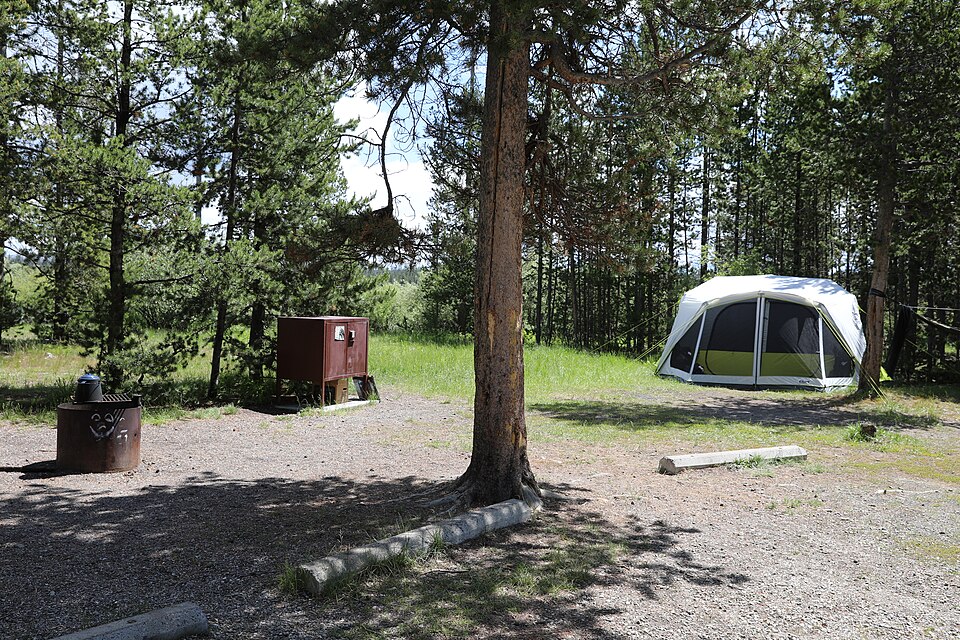
The glamping season on Nantucket and the surrounding coast is strictly seasonal, typically running from late May through September. Because the accommodations are canvas-based or minimally insulated, they are not suitable for the harsh Atlantic winters. Even in the height of summer, the 'Gray Lady' fog can roll in, bringing dampness and cooler temperatures. Most glamping sites provide heaters or extra blankets, but travelers should still pack layers to stay comfortable during the shifting coastal weather.
June and September are arguably the best months for glamping. In June, the island is lush and the days are long, while September offers the warmest ocean temperatures and fewer insects. If you choose to glamp in July or August, be prepared for higher humidity and more active local wildlife. Always check the weather forecast before your trip, as high wind warnings can occasionally affect ferry travel to and from your glamping destination. A flexible attitude is part of the charm of staying so close to the elements.
Planning and Booking Your Coastal Escape
When planning your Nantucket glamping trip, start your search early. Because this is a niche market with limited inventory, the best sites are often claimed months in advance. Look for sites that offer easy access to the bike paths, as this will significantly enhance your experience and allow you to explore the island without needing a car. Many glamping providers also offer add-ons like picnic baskets, bike rentals, or guided nature tours, which can simplify your planning process.
Before you book, verify the specific amenities offered. Some sites are more 'rustic' than others, while some are true luxury resorts under canvas. Check the official park or local tourism websites for the most current information on permits and regulations for outdoor stays. Whether you are looking for a romantic retreat or a unique family adventure, glamping near Nantucket provides a memorable way to connect with the maritime spirit of the Massachusetts coast. It is an experience that prioritizes the beauty of the landscape while maintaining the high standards of a classic island vacation.