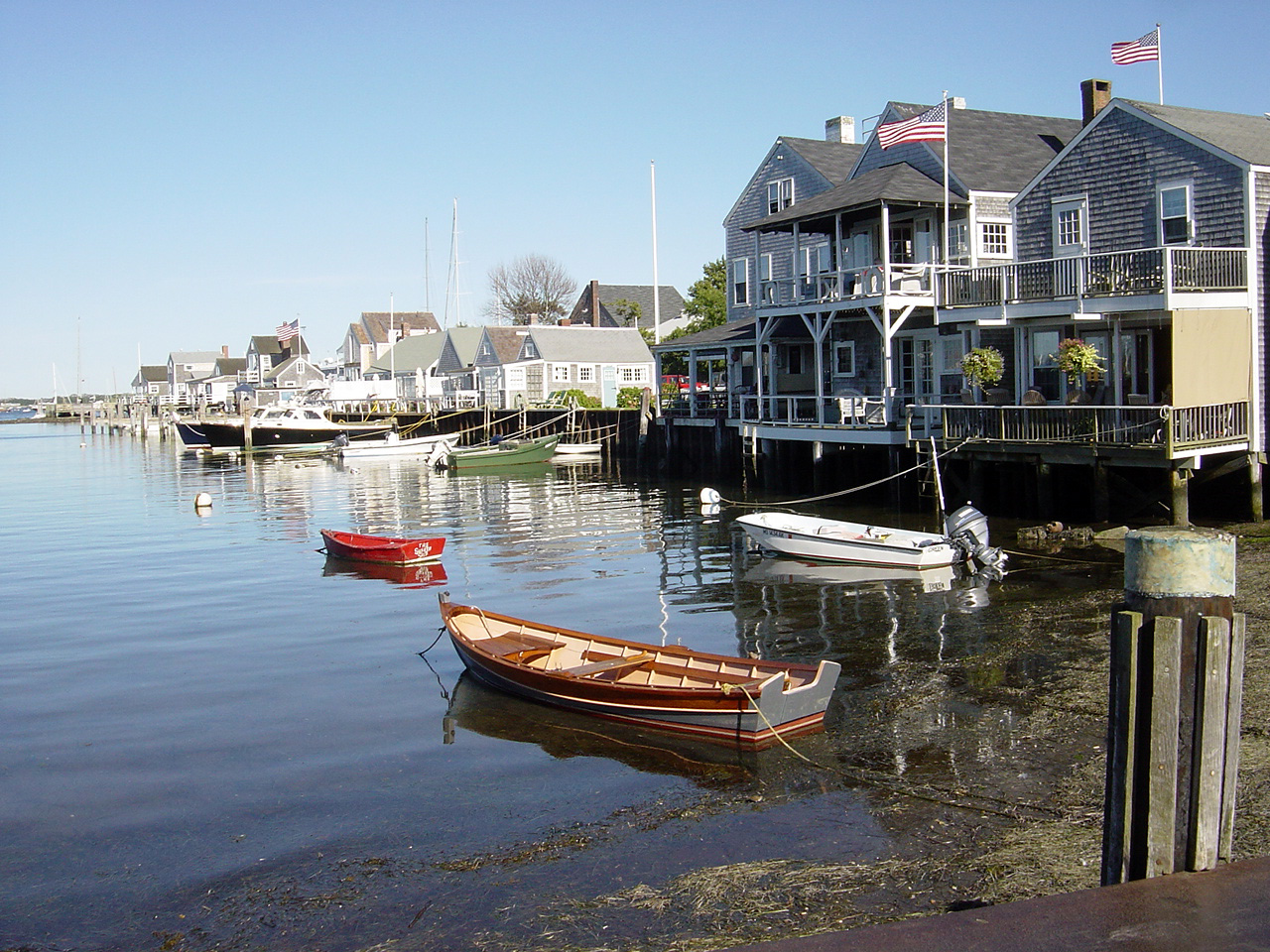
Choosing the best time to visit Nantucket depends entirely on whether you seek the high-energy social scene of the summer months or the contemplative, windswept beauty of the off-season. This Massachusetts island transforms significantly with the calendar, shifting from a bustling maritime hub to a quiet, fog-shrouded village. While summer offers the classic beach experience, the shoulder seasons provide a unique perspective on this historic whaling port without the dense crowds that occupy the cobblestone streets.
Summer High Season: June through August
Summer is undeniably the most popular window for travelers, characterized by warm Atlantic breezes and the iconic blooming of blue hydrangeas against gray-shingled cottages. During these months, the island is fully operational, with all seasonal ferries running at high frequency from Hyannis and New Bedford. Daytime temperatures typically hover in the mid-70s, perfect for long afternoons at Surfside or Jetties Beach. However, this is also when the island is most crowded, and logistics require significant forethought.
Because of the high demand, you should look into ferry and accommodation reservations several months in advance. The social calendar is packed during this time, featuring harbor festivals and open-air concerts. While the atmosphere is vibrant, expect higher daily costs and a lively, busy pace at the town docks. If you enjoy people-watching, warm ocean swims, and a town that never sleeps, summer is the ideal time for your visit.

The Golden Autumn: September and October
Many locals consider the period immediately following Labor Day to be the true best time to visit Nantucket. The Atlantic water remains warm enough for swimming well into September, but the frantic energy of the summer crowd dissipates quickly. The weather stays mild, with crisp mornings leading into sunny, temperate afternoons. This is a fantastic time for cycling the island's extensive bike path network or exploring the cranberry bogs as they turn a deep, vibrant crimson.
In October, the foliage adds a layer of gold and orange to the scrub oaks and moorlands. While some seasonal businesses begin to wind down by late October, most restaurants in the historic district remain open. The cost of visiting begins to dip slightly during these months, though the island remains a premium destination. You will find it much easier to secure a table at popular eateries, and the light for photography across the harbor is arguably at its most beautiful during the autumn equinox.

Quiet Winter and The Stroll: November to March
Winter on Nantucket is a season of solitude and raw coastal beauty. The weather can be harsh, with heavy fog, biting salt air, and occasional snow dusting the cobblestones of Main Street. Much of the island goes into hibernation, with many shops and hotels closing for the season. However, early December features a famous annual holiday stroll that briefly brings the town back to life with festive decorations and community spirit. It is a magical time to see the historic district dressed in greenery and lights.
Outside of the holiday events, winter is for those who appreciate long walks on empty, frozen beaches and the sound of the wind against the shutters of historic captains' houses. Transportation options are more limited, as high seas can occasionally cancel ferry departures. If you choose a winter escape, focus on the interior comforts of a historic inn with a fireplace. It is the most affordable time to visit, though you must be prepared for the limited availability of services and the unpredictable Atlantic weather.

Lock in a stay for this season
Harvest Hosts stays on the way to Nantucket
Partner link · Harvest Hosts
Spring Awakening: April and May
Spring is a period of transition where the island slowly shakes off the winter chill. April is famous for the Daffodil Festival, which marks the unofficial start of the visitor season. Millions of daffodils bloom along the roadsides and in private gardens, creating a bright yellow contrast against the gray sky. The weather is notoriously fickle in spring; one day might feel like early summer, while the next brings a cold, damp mist known locally as 'the gray lady.'
By May, the island begins to green up significantly. This is an excellent time for birdwatching and hiking through the Milestone Cranberry Bog or the Sanford Farm trails. The crowds are still thin, making it a peaceful time to explore the Whaling Museum or take a quiet walk through the Old North Cemetery. Reservations for the upcoming summer season are usually finalized now, so visiting in spring allows you to get a head start on scouting your favorite island spots.
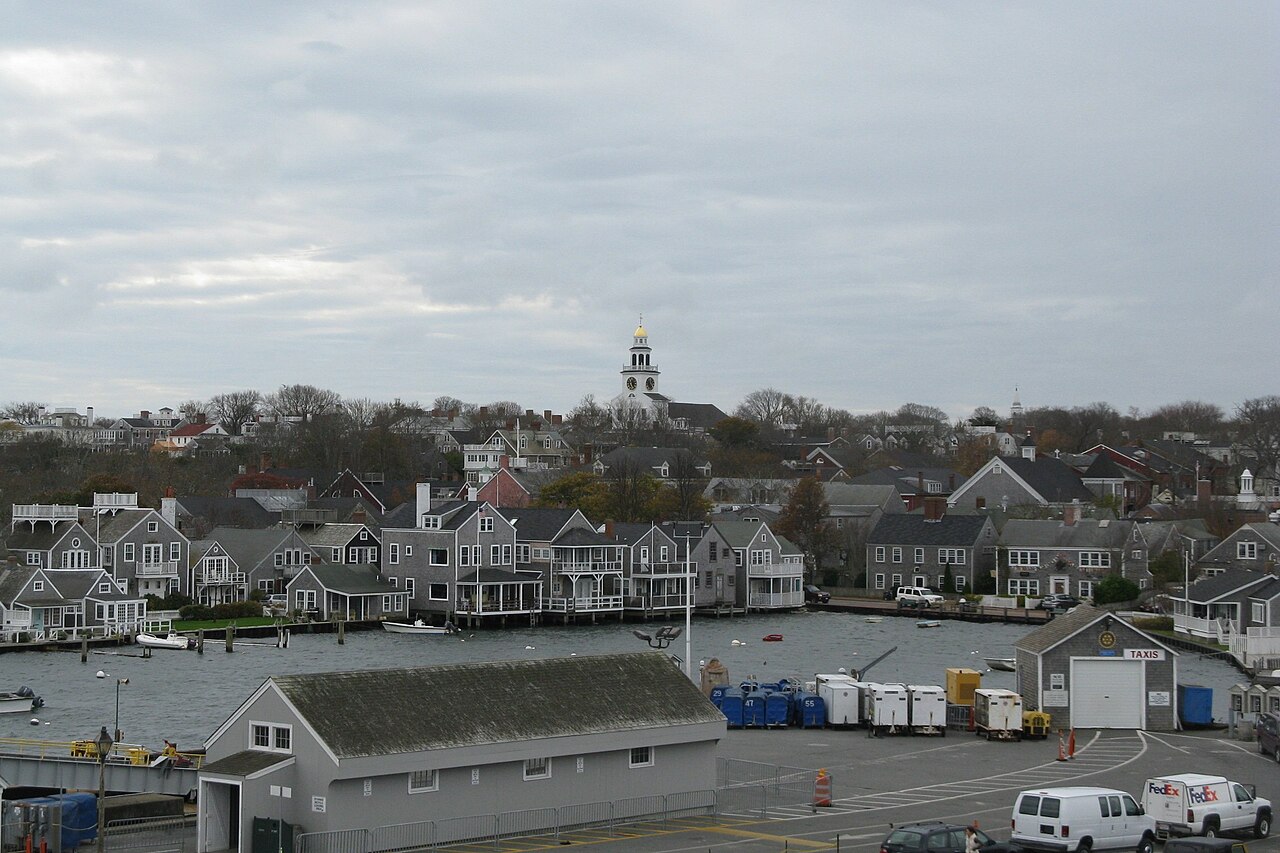
Planning Your Reservations and Logistics
Regardless of when you visit, Nantucket requires more logistical planning than a mainland destination. The ferry systems are the lifeblood of the island, and vehicle slots on the traditional ferries often sell out months in advance for the summer season. If you are traveling without a car, the high-speed passenger ferries provide more flexibility, but booking at least a few weeks ahead is still highly recommended during peak weekends. Always check the official Steamship Authority or private carrier websites for the most current schedules and weather alerts.
Accommodations range from historic bed and breakfasts to luxury resorts, all of which tend to fill up rapidly for June through September. If your heart is set on a specific historic inn, consider booking six to nine months out. For those looking for a more spontaneous trip, mid-week visits in the shoulder seasons of May or September offer the best chance of finding last-minute availability. Always leave a buffer in your schedule for potential weather delays, especially if you are flying into Nantucket Memorial Airport during the foggy months.
More ways to book Nantucket
 Illustrative · Swampyank
Cisco Beach
One of the classic ways to experience Nantucket.
Varies (estimate)
Partner link · Viator