
Nantahala National Forest glamping usually means staying at a private property near the forest rather than finding a furnished tent inside a Forest Service campground. Depending on current availability, the surrounding mountain communities may offer furnished tents, yurts, small cabins, or other comfort-focused stays. The key is matching your base to your planned river trips and hikes, then checking exactly what shelter, bathrooms, and cooking facilities are included.
What Glamping Looks Like in This Mountain Region
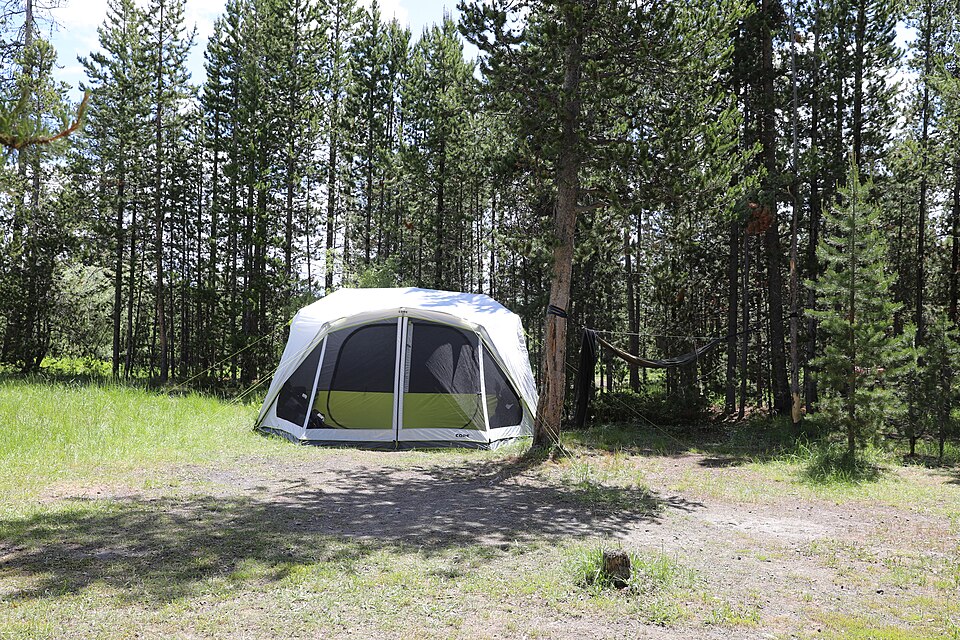
Around Nantahala, glamping is a broad lodging label rather than a standard set of amenities. A furnished canvas tent might provide a real bed but share a bathhouse, while a small cabin may have indoor plumbing and a kitchen. A visually striking shelter is not necessarily insulated, heated, or convenient for preparing meals.
Read the property description for electricity, climate control, bedding, drinking water, bathroom location, and weather protection. Ask whether the bathroom is private or shared and whether reaching it requires an outdoor walk. Check how food should be stored in bear country, especially if the unit lacks a fully enclosed kitchen.
Access matters as much as décor. A steep gravel driveway, stairs from parking, or a long walk with luggage can change the experience. Confirm vehicle requirements and accessibility directly, and remember that private glamping reservations are separate from Forest Service campground bookings.
Choose a Gateway Area That Matches Your Trip
For a rafting-centered visit, start your lodging search around Nantahala Gorge, Bryson City, or Andrews. These areas position you for the river corridor, but the precise address still matters. Properties marketed with the forest's name can be scattered across different valleys, so map the route to your rafting meeting point before reserving.
Robbinsville and the Lake Santeetlah area suit travelers drawn to Joyce Kilmer Memorial Forest, lake recreation, and the Cherohala Skyway. Franklin works well for exploring the forest's southeastern side, while Highlands and nearby Cashiers are useful search areas for waterfall outings and Whiteside Mountain.
Do not expect one base to make every attraction close. For two nights, stay in a single activity cluster. For a longer visit, a split stay may reduce backtracking, but weigh that benefit against packing up and losing part of a day to check-in logistics.
Match the Shelter to the Season
Spring and fall can be excellent glamping seasons if your shelter handles cool nights and wet weather. Ask whether heat is installed and included, rather than assuming blankets or a small portable unit will meet your expectations. Higher-elevation properties may feel much colder than the town where you stopped for dinner.
Summer brings longer days for river and lake outings, but a tent can still feel warm or humid. Check ventilation, insect screening, and whether air conditioning is actually available in your booked unit. Covered seating is useful during showers, though thunderstorms may require a more substantial shelter and a change of plans.
For winter stays, favor clearly described insulation, reliable heating, and maintained access roads. Verify that water and bathroom facilities remain available. In every season, read weather-related cancellation terms and ask the host how heavy rain, freezing conditions, or power outages affect the property.
Where to sleep
Harvest Hosts stays on the way to Nantahala National Forest
Partner link · Harvest Hosts
Glamping vs. Tent Camping vs. an RV Stay
Choose glamping if you want less setup and a real bed while keeping an outdoor atmosphere. It can suit a short visit or a group without camping gear, but it does not automatically provide privacy, quiet, or a bathroom inside the unit. Compare the full amenity list rather than the lodging category alone.
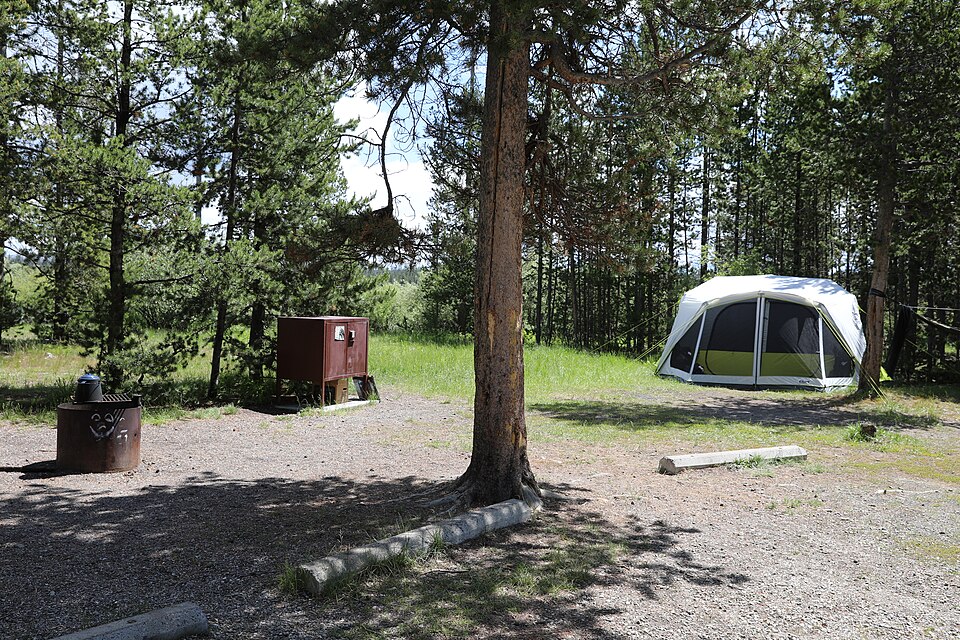
Traditional tent camping is often the simpler choice for travelers who already own suitable gear and want to spend most of their time outside. Developed Forest Service campgrounds vary in facilities, and dispersed camping has different rules and fewer services. Neither should be treated as an overflow option without checking local restrictions.
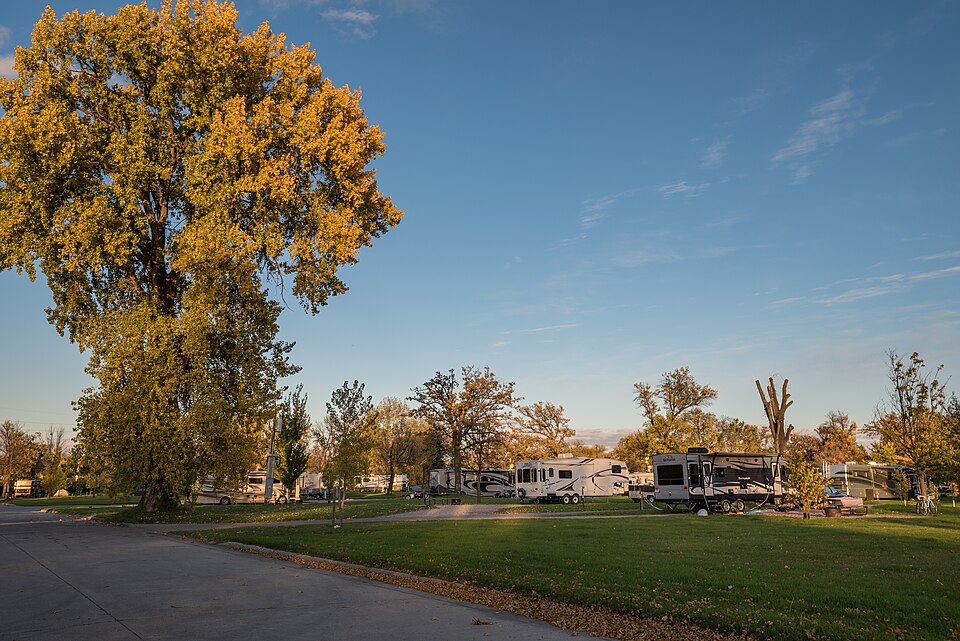
An RV adds enclosed sleeping and cooking space, but site length, hookups, road access, and waste disposal need advance planning. Narrow or winding mountain roads can complicate towing. Compare rough total costs, including rental equipment, fuel, site charges, and cleaning fees, rather than assuming one style always costs less.
What to Check Before Booking and Packing
Before booking, confirm the exact unit, sleeping arrangement, parking situation, bathroom setup, and cooking equipment. Ask about potable water, refrigeration, trash disposal, and rules for fires, pets, and visitors. Photos of a shared kitchen or scenic deck do not necessarily mean those features belong to the unit you are reserving.
Pack layers, rainwear, sturdy shoes, a flashlight or headlamp, and offline maps even when the stay includes linens and furniture. Bring groceries suited to the actual cooking setup, and follow food-storage instructions rather than leaving snacks on a porch. Check whether toiletries, towels, and dishwashing supplies are provided.
Reserve early for summer holidays and popular fall weekends once your plans are firm, without assuming a universal booking window. Review cancellation terms and rough total costs before paying. Separately, check the official U.S. Forest Service website for Nantahala National Forest conditions, recreation closures, fire restrictions, and any campground reservations needed for your broader trip.