
The best time to visit Nantahala National Forest depends on whether you want river days, quiet trails, or fall color along mountain roads. Spring, summer, and fall all work well for a two- to four-day trip, but elevation changes can make nearby destinations feel surprisingly different. Choose your season around your main activity, then keep a flexible backup plan for rain, chilly mornings, and changing road conditions.
Spring: Waterfalls, Wildflowers, and Changeable Weather
Spring is a rewarding time to explore waterfall country around Franklin and Highlands. New leaves brighten the valleys, wildflowers emerge at different elevations, and waterfalls such as Dry Falls can be especially impressive after wet weather. The trade-off is variability: a comfortable afternoon in town does not mean a warm morning on a high ridge.
Pack layers and a waterproof shell, and choose shorter walks when rain has left trails muddy. Waterfall spray can make steps and rock surfaces slick, so stay on designated routes rather than scrambling closer for a photograph. Some seasonal recreation facilities may not yet be open.
Spring weekdays generally offer more breathing room than summer weekends or peak fall-color periods. Check the official U.S. Forest Service website for Nantahala National Forest before departure, especially for campground opening dates, road closures, and trail alerts.
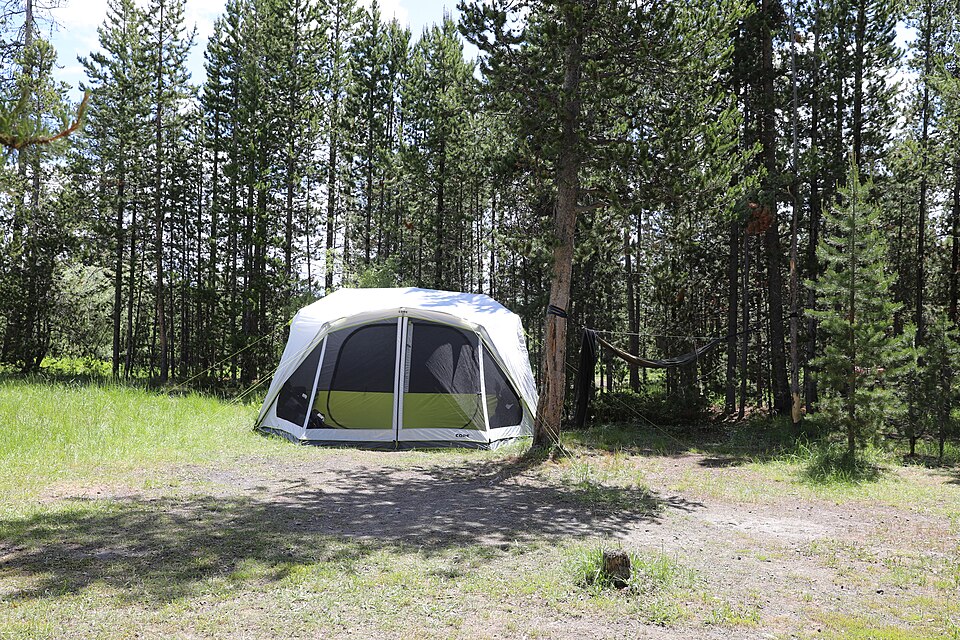
Lock in a stay for this season
RV parks near Nantahala National Forest on RoverPass
Partner link · RoverPass
Summer: River Trips and Longer Outdoor Days
Summer suits travelers who want rafting, kayaking, camping, and time around Nantahala Lake. The Nantahala River gorge stays shaded in many places, and the river's cold water can feel strikingly different from warm air temperatures. Guided rafting is a practical introduction; whitewater kayaking calls for appropriate skills, equipment, and knowledge of the section you plan to paddle.
Longer daylight gives you room for a morning hike and a separate afternoon activity, but mountain thunderstorms can interrupt that plan. Start exposed hikes early, watch forecasts, and be ready to leave the water or shorten an outing when conditions change. Do not assume every lake access has a developed beach or lifeguards.
Summer weekends and holidays draw campers and river visitors. Reserve developed campsites and organized river trips ahead when possible, and verify dam-release schedules and trip requirements with the operator.
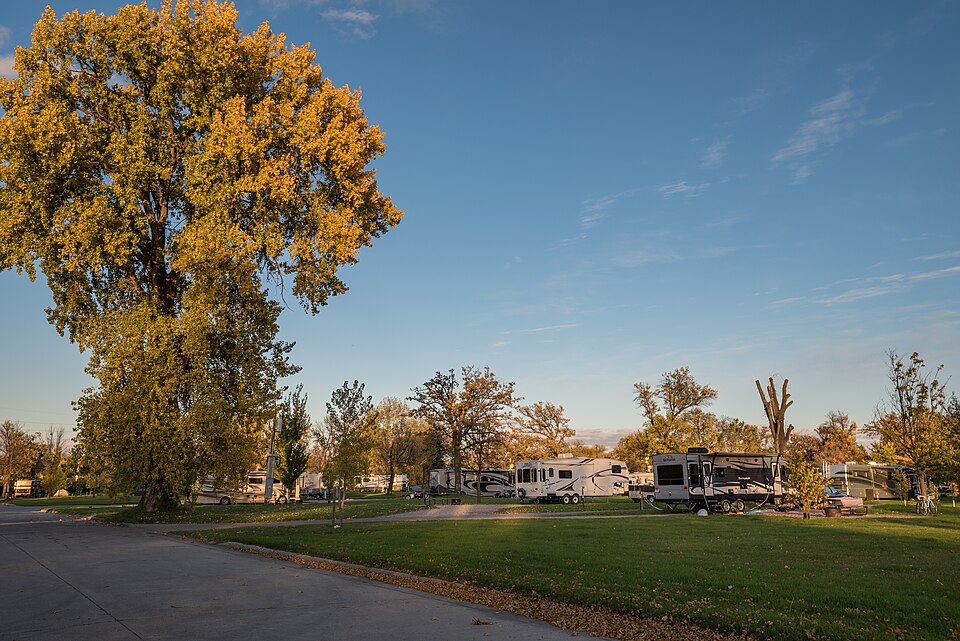
Lock in a stay for this season
Campsites near Nantahala National Forest on Campspot
Partner link · Campspot
Fall: Color Across a Wide Range of Elevations
Fall is a strong choice for scenic drives, ridge walks, and camping in cooler weather. Because Nantahala spans valleys and high mountains, leaf color does not arrive everywhere at once. Higher elevations generally change earlier, while lower valleys can extend the season; weather determines the actual timing each year.
The Cherohala Skyway offers sweeping mountain scenery between the Robbinsville area and Tennessee. Around Highlands and Franklin, the Mountain Waters Scenic Byway pairs forest scenery with waterfall stops. Build time for overlooks rather than treating either route as a fast connection between towns.
Expect popular autumn weekends to bring fuller parking areas and greater lodging demand. Reserve as soon as your dates are settled, especially if you need a particular campsite or cabin layout. Bring warm sleep layers, plan hikes around shorter daylight, and check the forecast for both your overnight base and your highest planned stop.
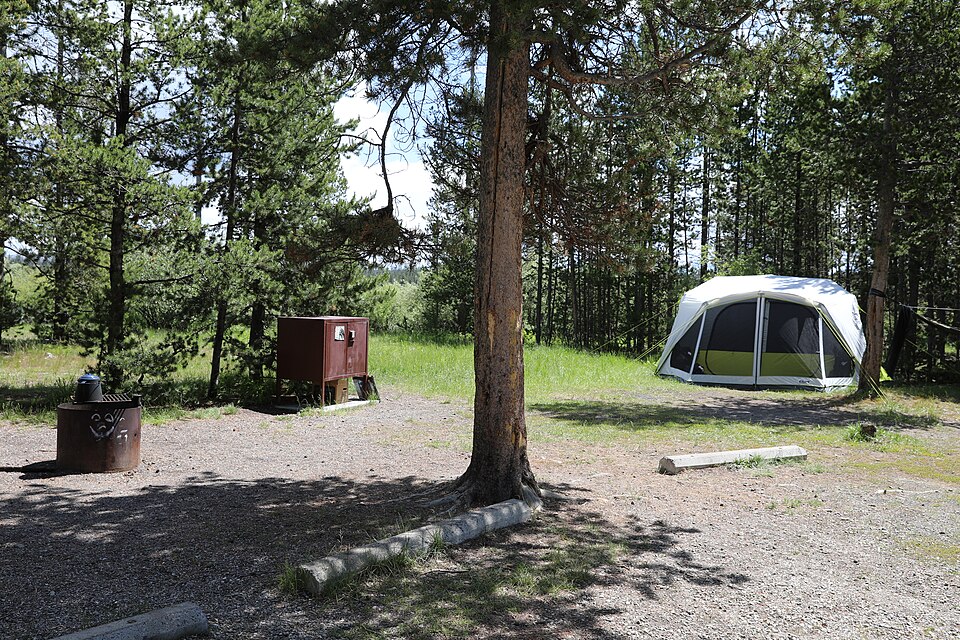
Lock in a stay for this season
Harvest Hosts stays on the way to Nantahala National Forest
Partner link · Harvest Hosts
Winter: A Quieter Trip With More Limitations
Winter can work for a low-key visit centered on a town base, short walks, and flexible sightseeing. Bare trees open some views that summer foliage hides, and many recreation areas feel quieter outside holidays. However, a quiet forecast in a valley does not rule out freezing conditions, snow, or ice higher up.
This is not the season to assume that every campground, restroom, forest road, or high-elevation access will be available. Check specific destinations before driving out, and avoid building an entire day around a single mountain road. Waterfall approaches can also become icy from spray even when nearby pavement looks clear.
A heated cabin or other established lodging usually makes a more forgiving base than a lightly equipped tent setup. Keep food, fuel, and daylight margins generous, download maps, and choose a lower-elevation alternative when weather makes your original plan impractical.
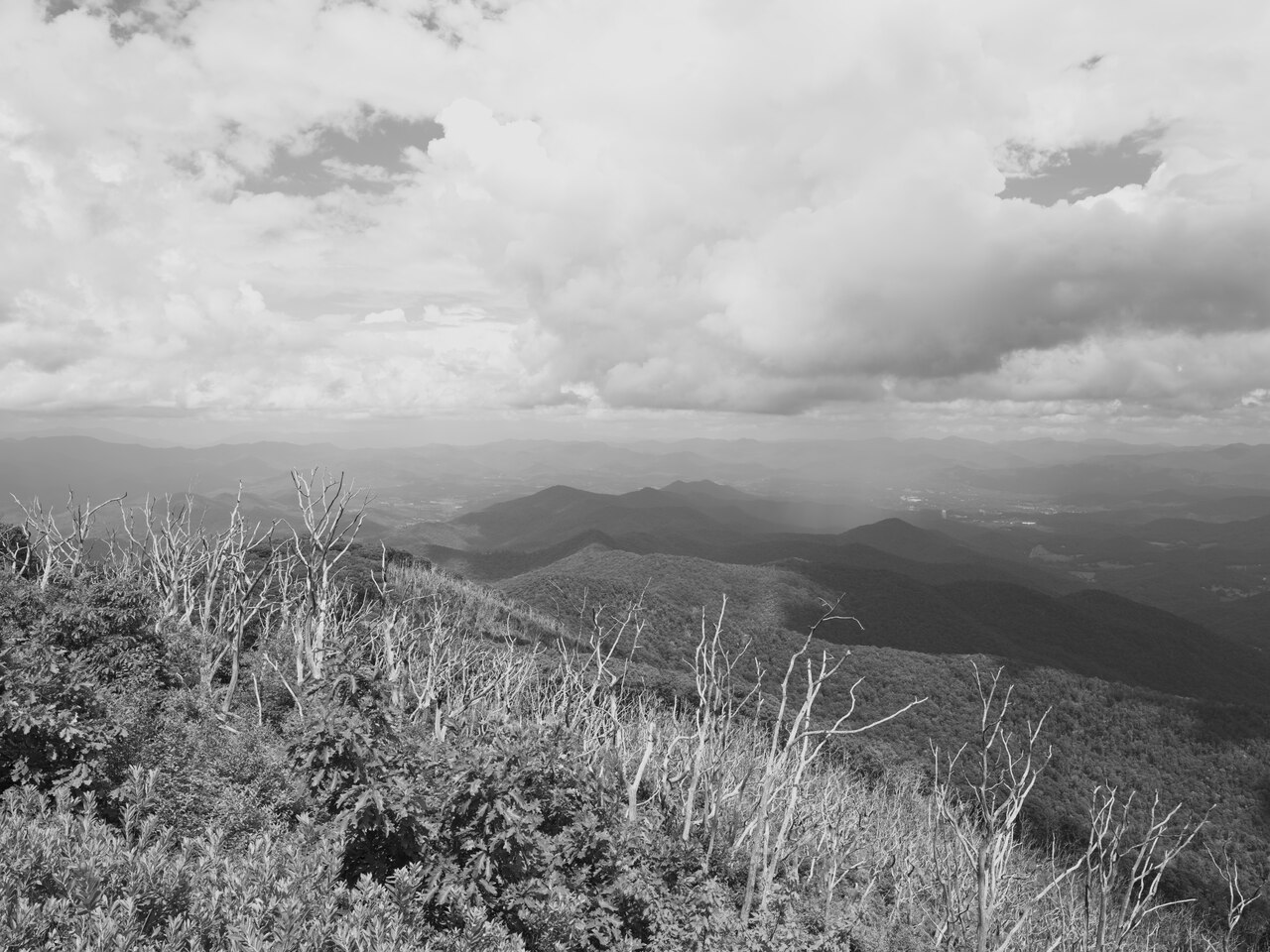
Book this experience
Nantahala River Whitewater Paddling
Varies (estimate) · Partner link · Viator
How to Time Reservations and Avoid the Busiest Periods
For the broadest balance of access and manageable crowds, consider spring or fall weekdays outside major holiday periods. Summer weekdays can also work well if river time is your priority. No season guarantees solitude: well-known waterfalls, river access points, and small trailhead lots can fill even when the surrounding forest feels quiet.
Book lodging and reservable campsites once your dates are firm, then arrange any guided rafting around those nights. Reservation windows vary by facility, and some camping options operate differently from developed reservable campgrounds. Use the official Forest Service recreation pages and Recreation.gov where linked rather than assuming one booking rule applies everywhere.
Recheck conditions shortly before leaving. Look for closures, fire restrictions, campground notices, and river information. For a two- to four-day visit, one advance reservation per day is usually easier to manage than several tightly timed activities separated by winding mountain roads.
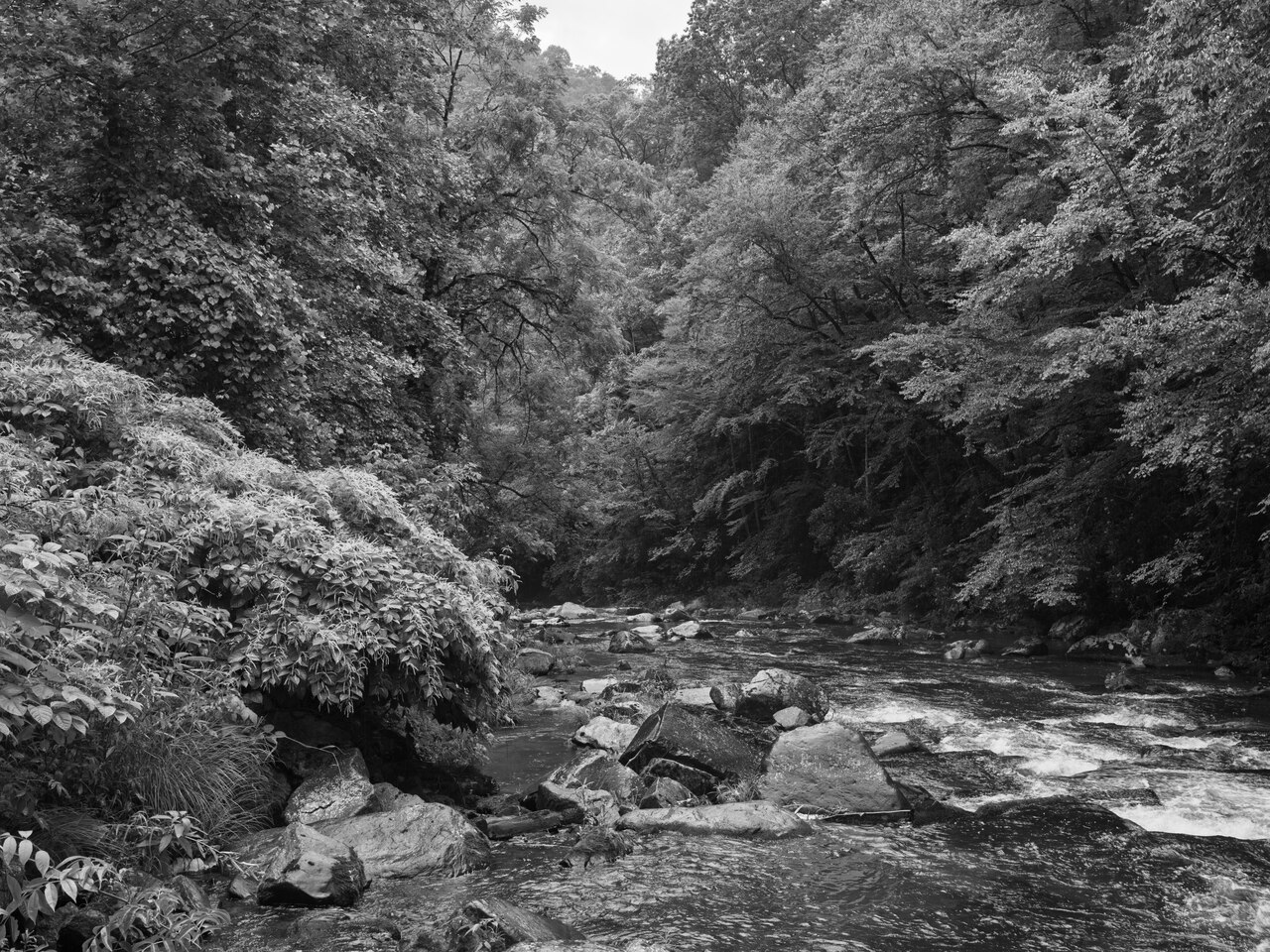
More ways to book Nantahala National Forest
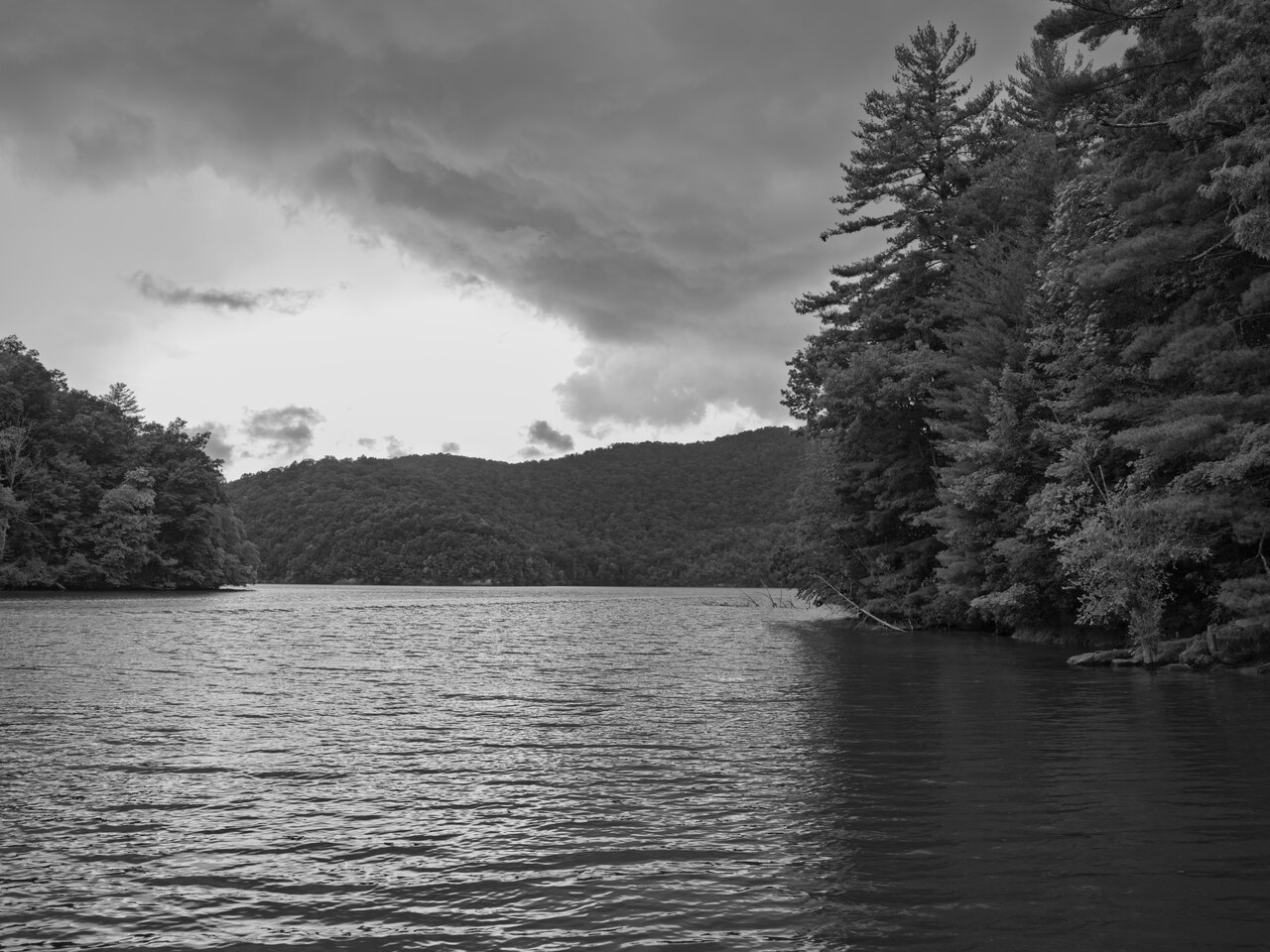 Illustrative · Public Lands Institute
Tsali Mountain Biking
One of the classic ways to experience Nantahala National Forest.
Varies (estimate)
Partner link · Viator