
Mount Rushmore is compact enough for a focused visit, but the surrounding Black Hills can fill several rewarding days. Start with the memorial's viewpoints and interpretation, then branch out to granite-lined roads, pine forest trails, and Custer State Park. For a family trip, mix one major outing with one flexible stop each day instead of trying to combine every cave, lake, and scenic drive into a single loop.
See the Sculpture and Understand Its Story
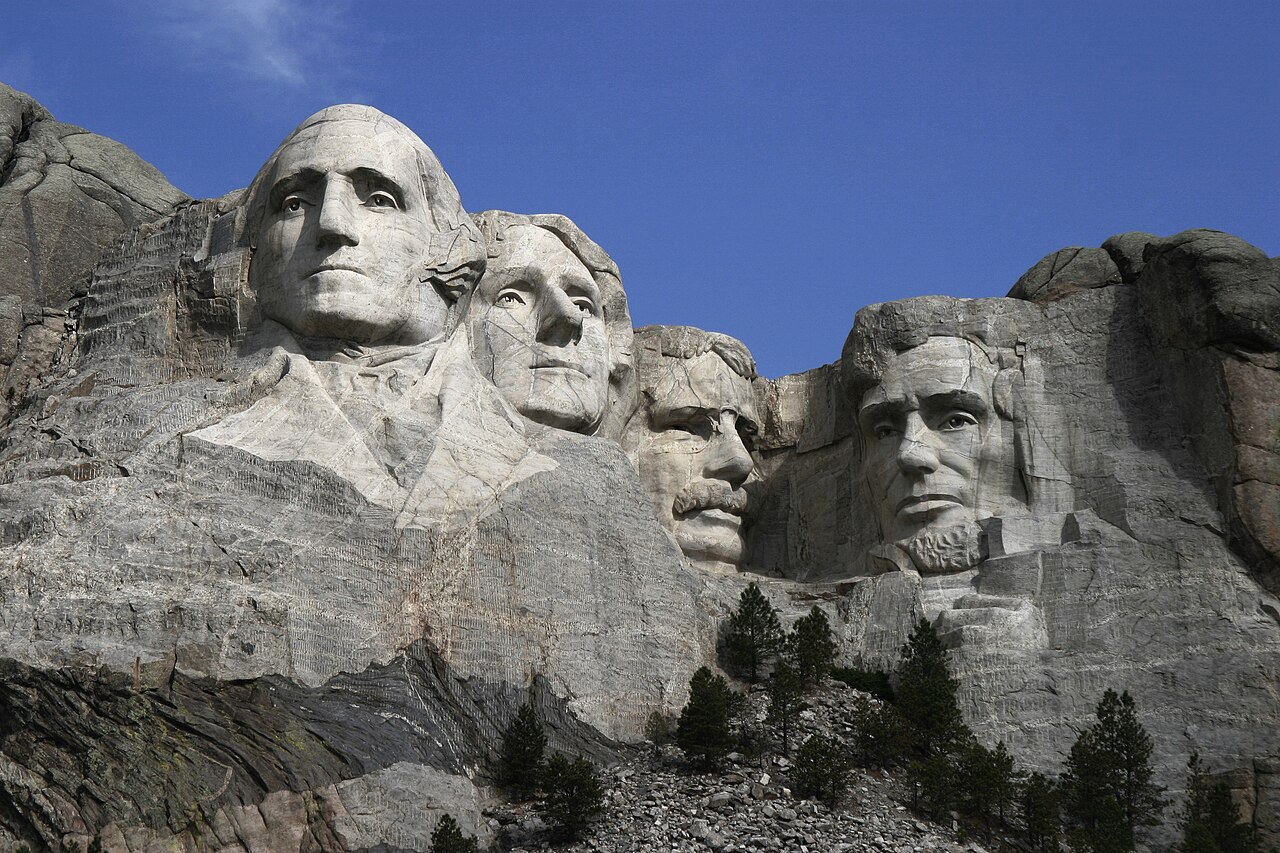
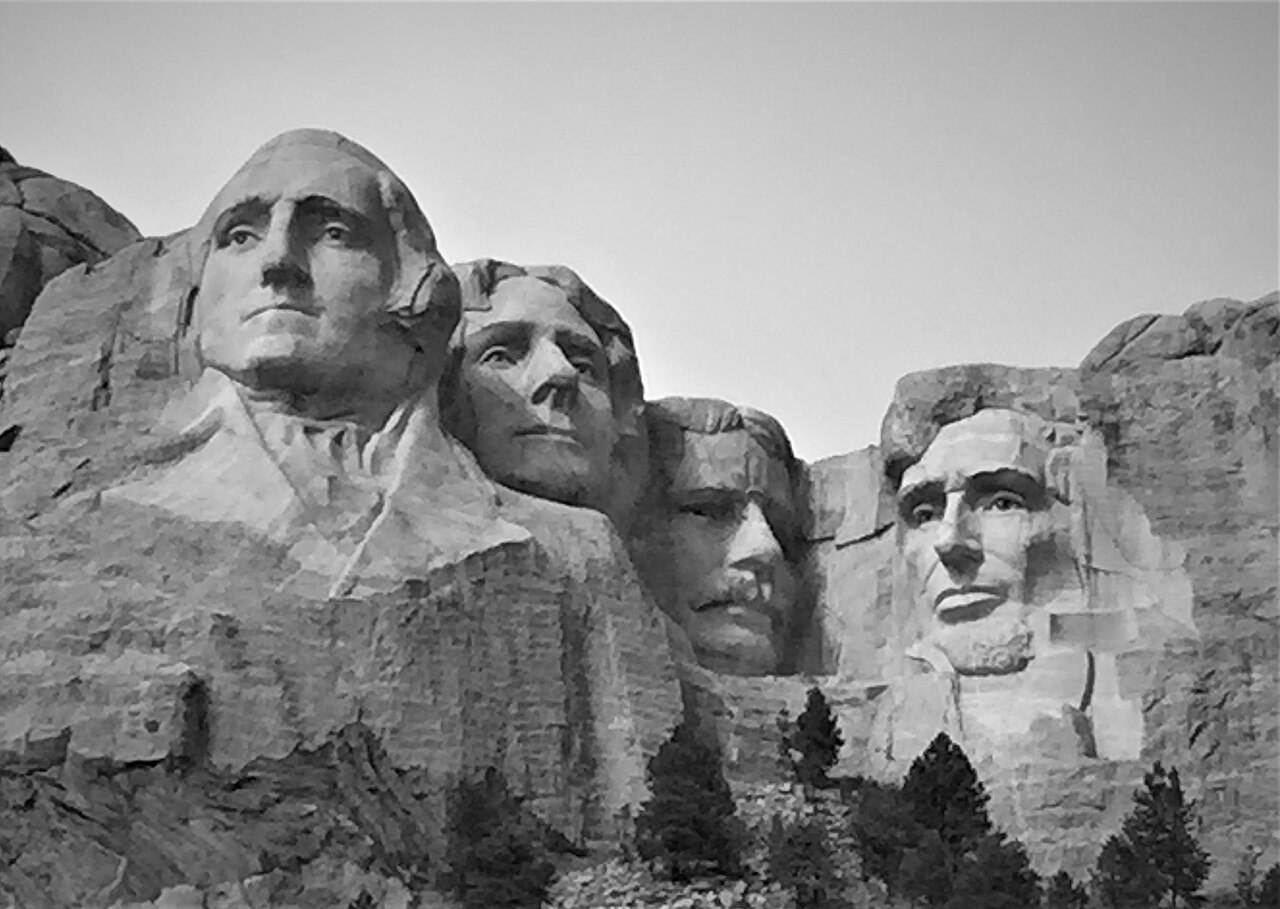
Begin on the Avenue of Flags, which leads toward the Grand View Terrace and its direct view of the four presidents. This is the simplest place to get your bearings, take a family photograph, and appreciate how the sculpture sits within the granite mountain. Spend time with the exhibits rather than treating the memorial as only a photo stop.
The Lincoln Borglum Visitor Center explains the carving project, its engineering challenges, and the people involved. When open, the Sculptor's Studio adds another perspective through the sculptor's model and interpretation. The memorial also sits in the Black Hills, a landscape sacred to Lakota people and central to continuing disputes over land and history. Approach the visit with room for that broader context. Check the official NPS schedule for ranger talks and seasonal evening programming before deciding whether to make a second visit later in the day.
Walk the Presidential Trail and Drive the Granite Roads
The Presidential Trail offers changing angles on the sculpture and a closer look at the forest beneath it. The full loop is about half a mile and includes many stairs, so it is not equivalent to a level promenade. If someone in your group uses a wheelchair, pushes a stroller, or prefers to avoid steps, ask about the currently accessible portion and use the main terrace as your anchor.
For a broader landscape experience, consider Iron Mountain Road, known for tunnels that frame Mount Rushmore and for its winding design. Needles Highway features narrow tunnels and tall granite formations in Custer State Park. Neither road is a shortcut. Allow time for pullouts, watch posted vehicle dimensions, and check seasonal closures before starting. Larger RVs and trailers require particular care in route planning; a road that looks convenient on a map may be unsuitable for your vehicle.

Look for Wildlife and Spend Time Beside the Water
Custer State Park is a natural extension of a Mount Rushmore visit, especially for families hoping to see bison. Wildlife Loop Road passes through open grassland and wooded terrain, but animals move freely and sightings are never guaranteed. Use designated pullouts when possible, keep your distance, and never approach or feed wildlife. Bison can appear calm while still posing a serious risk at close range.
For a different pace, choose a lake stop. Sylvan Lake pairs dramatic granite scenery with walking opportunities, while other park lakes offer additional places for shoreline breaks and seasonal recreation. Check current swimming advisories, boating rules, and rental availability through the park before promising a particular activity. A picnic and a short walk can be enough after a busy morning. Keep the wildlife drive and lake outing flexible rather than scheduling them tightly between reservations.
Make the Memorial Engaging for Kids
Ask about the Junior Ranger program early in your visit so children can work on activities while exploring. It gives the memorial a purpose beyond standing still for photographs and encourages questions about the carving, the presidents, and the surrounding environment. Program materials and availability can change, so confirm details with the NPS or visitor center staff.
Build the day around short, distinct experiences: walk the Avenue of Flags, find a favorite viewing angle, explore an exhibit, and take a snack break. The Presidential Trail's stairs can tire younger children, so do not make the full loop a requirement. Keystone is a convenient nearby place to regroup, while Hill City and Custer work well as bases for a longer stay. If you plan to attend evening programming, leave a substantial afternoon break rather than expecting children to stay engaged from breakfast until darkness.
Keep a Rainy-Day Plan That Does Not Depend on Trails
Light rain may simply change your clothing choices, but thunderstorms are a reason to reconsider exposed viewpoints, lake activities, and longer walks. At the memorial, indoor interpretation can fill part of a wet morning when facilities are open. Do not assume the sculpture will remain clearly visible through low cloud or fog; leave room to return if seeing the faces is your main priority.
For a longer indoor outing, Rapid City offers museums, including the Journey Museum, with regional history and geology among its themes. Nearby Jewel Cave National Monument and Wind Cave National Park are other possibilities, but cave access depends on tour schedules, reservations, and current operations. They are not guaranteed last-minute backups. Tours can involve stairs, cool temperatures, and other physical requirements. Check official descriptions before booking, and remember that reaching a cave still requires driving in the day's surface weather.