
Mount Rushmore glamping usually means staying outside the memorial in the surrounding Black Hills, where furnished tents, cabins, and other outdoor-oriented lodging can put you closer to the landscape. The important differences are practical: private versus shared bathrooms, heating, cooking access, and the drive to your planned outings. For a two- to four-day family trip, choose your location and essential comforts before getting distracted by photographs of decks and forest views.
What Glamping Near Mount Rushmore Actually Looks Like
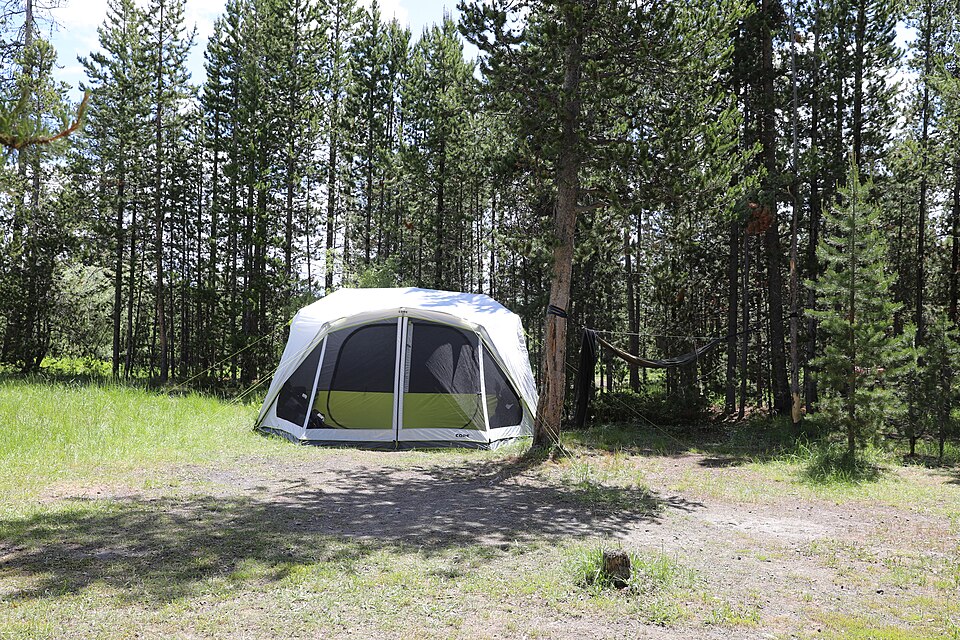
Glamping is not a standardized lodging category. Around the Black Hills, the label can describe a canvas tent with a real bed, a simple cabin, or a more fully equipped outdoor retreat. Some stays retain much of the camping experience, including shared bathrooms and limited electricity. Others function more like cabins or hotel rooms in a wooded setting. Read the actual amenity list rather than relying on the word luxury.
For families, confirm bed sizes, maximum occupancy, and whether children need separate bedding. Ask how far the bathroom is from the sleeping area and whether the route is lit. Check for heat, ventilation, potable water, outlets, and somewhere sheltered to sit during rain. A beautiful tent can still feel cramped through a wet afternoon. Mount Rushmore itself does not have an overnight campground, so plan on driving from your lodging to the memorial.
Choose Between Keystone, Hill City, and Custer
Keystone is a useful starting point if repeated visits to Mount Rushmore are central to your trip, particularly when you want to see the sculpture by day and attend seasonal evening programming. Lodging outside town may feel more secluded, but check the actual road access and driving route. A location described as near the memorial may still involve winding roads rather than a quick straight drive.
Hill City works well for travelers splitting their time among the memorial, forest scenery, and other central Black Hills stops. Custer is especially practical for trips emphasizing Custer State Park, lakes, and outings farther south. The outskirts of Rapid City offer another base if airport access and city services matter more than staying deep in the hills. Compare locations against your whole itinerary, not just a map pin for Mount Rushmore, and avoid assuming remote lodging has nearby groceries or restaurants.
Pick a Season That Matches Your Comfort Level
Summer generally offers the widest selection of outdoor lodging and the easiest fit for families who want long days outside. Even then, evenings can feel cool, and thunderstorms can change dinner or campfire plans. Confirm what shelter is available beyond your sleeping space. A covered dining area, indoor common room, or nearby town can make a meaningful difference during an extended stretch of rain.
Late spring and early fall can be appealing for quieter stays, but heating becomes an important booking detail rather than a minor extra. Ask whether a heater is provided, whether it is included, and how the property handles cold weather. Some tent accommodations operate only seasonally. Winter requires a much more careful look at insulation, plumbing, and access; a year-round cabin is not equivalent to a seasonal canvas tent. Check current NPS conditions and your property's policies before committing to shoulder-season dates.
Glamping Versus Tent Camping and RV Travel
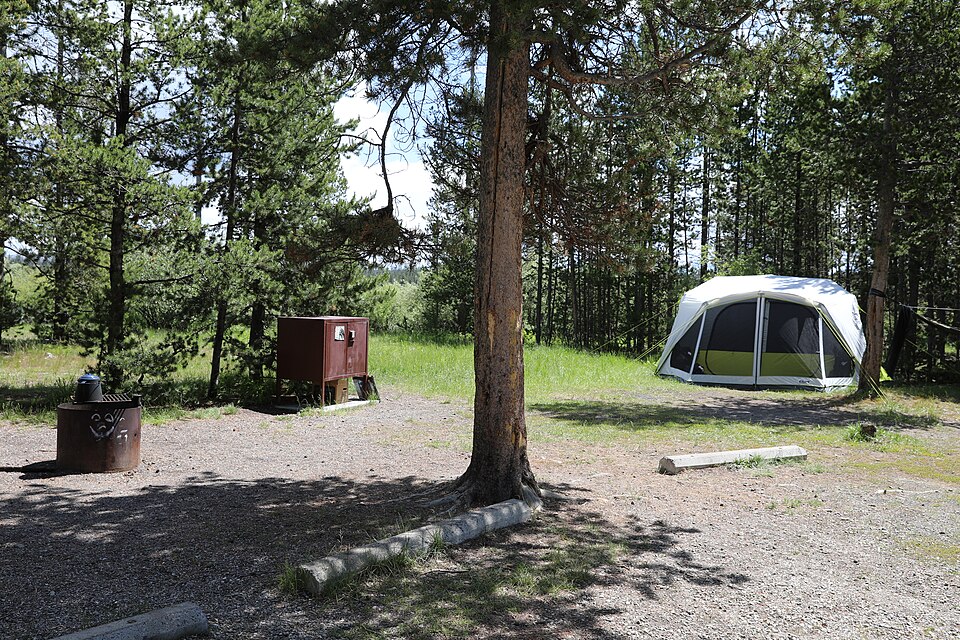
Choose glamping if you want an outdoor setting without transporting a full sleep system and camping kitchen. The tradeoff is usually a higher lodging cost than a basic campsite, although rates vary with season, amenities, and occupancy. Treat any comparison as a rough estimate, and compare the total booking cost, including cleaning charges, extra-person charges, bedding, and meals you may need to buy elsewhere.
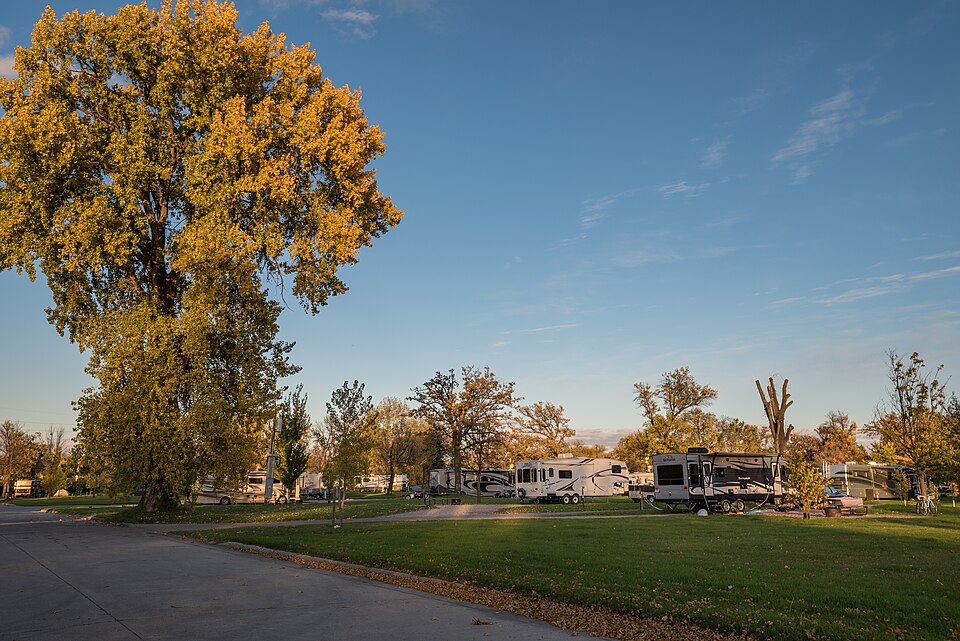
Traditional tent camping offers more control over gear and can suit travelers who already own suitable equipment. It also means handling setup, weather protection, and food storage yourself. RV travel provides another kind of comfort, but requires a compatible campsite, attention to hookups, and careful route planning. Narrow tunnels on scenic Black Hills roads may restrict larger vehicles. Glamping can simplify arrival after a flight into Rapid City, while camping or RV travel may fit better within a longer road trip.
Book for the Details You Will Use Every Day
Before reserving, make a short nonnegotiable list: bathroom type, heating, beds, cooking facilities, accessibility, and pet policy if relevant. Ask whether parking is beside the unit or requires carrying bags uphill or along a path. Check cancellation terms and arrival procedures, especially if your flight or long drive may put you there after staffed check-in. Reserve well ahead for summer weekends and busy regional events, without assuming every property follows the same booking calendar.
Plan food and evenings as carefully as sightseeing. Verify refrigeration and permitted cooking equipment, and follow property rules for food storage and wildlife. Campfires depend on current restrictions and property policy, so do not make them essential to the experience. Bring layers, a flashlight, and footwear for uneven ground. Finally, check the official Mount Rushmore NPS site for current conditions and programming, plus official reservation requirements for any park activities you plan nearby.