
Monument Valley glamping can mean a furnished tent, a simple cabin-style retreat, or another outdoor-focused stay with more comfort than a basic campsite. The label is not standardized, and nearby options vary in plumbing, electricity, weather protection, and road access. Choose by location and practical amenities first, then by the view, remembering that the surrounding Navajo Nation is a living landscape where overnight access requires permission.
What Glamping Looks Like in This Desert Setting
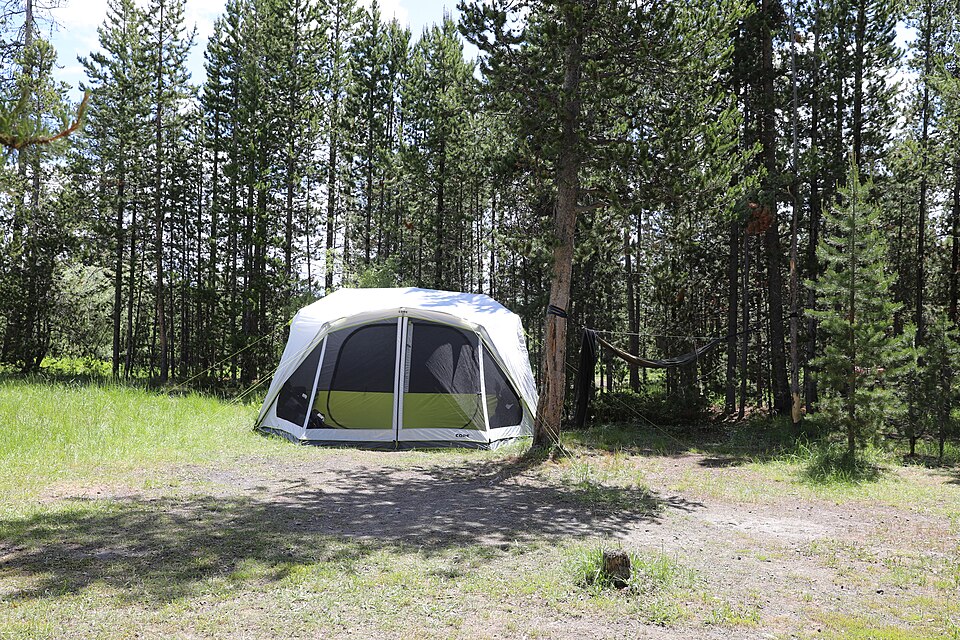
Around Monument Valley, the appeal is waking close to open desert scenery without carrying a complete camping setup. A furnished stay may provide a real bed, linens, seating, and some lighting, but that does not necessarily mean an attached bathroom, air conditioning, or a kitchen. Read the amenity list carefully rather than relying on photographs or the word luxury.
Ask how the structure handles wind, cold nights, and afternoon heat. Canvas and lightweight walls respond differently from an insulated building. Confirm whether any heater or cooling system is appropriate for the space and supplied by the host; do not improvise with a cooking stove indoors.
Also check the basics: drinking water, showers, charging outlets, parking distance, and meal arrangements. A beautiful view loses some appeal if the bathroom is farther away than expected or your dinner plan depends on services that are not nearby.
Choose Between the Valley, Kayenta, and Mexican Hat
Start your search near Monument Valley and the tribal park approach if your priority is minimizing travel to guided tours and overlooks. Verify the exact location: a listing described as near Monument Valley may still require a substantial drive. Ask whether the advertised view is visible from your unit or only from a shared area.
Kayenta, Arizona, is a practical service base south of the valley, with lodging and provisions useful for a road trip. Mexican Hat, Utah, offers another base north of Monument Valley, especially if you are continuing toward the San Juan River country. These areas are search zones, not promises of a particular glamping inventory.
Do not assume an empty-looking patch of desert permits camping. Much of the surrounding landscape is Navajo Nation land, and overnight stays require an authorized site or explicit permission. Confirm that your accommodation is legitimately hosted and accessible.
Pick a Season for Comfort, Not Just the Photograph
Spring and fall are usually the most comfortable seasons for an outdoor-focused stay, but both can bring cold nights and sharp temperature changes. In spring, wind can rattle canvas and carry dust into open spaces. Ask about secure closures, extra bedding, and sheltered places to sit when the weather is less inviting than the listing photos suggest.
Summer requires close attention to shade and cooling. A tent can become uncomfortable during the afternoon even if nights are pleasant. Verify whether you will have somewhere suitable to rest during the hottest part of the day, and ask how thunderstorms affect the access road.
Winter is a different proposition. Some outdoor accommodations may operate seasonally, and an unheated unit can be very cold. Confirm opening dates, heating arrangements, bathroom winterization, and cancellation terms before booking a stay built around stargazing or snowy desert scenery.
Glamping Versus Tent Camping and RV Travel
Glamping suits travelers who want an outdoor atmosphere without packing sleeping equipment or setting up camp after a long drive. It generally carries a higher nightly cost than a basic campsite, though rates and included amenities vary widely. Treat price comparisons as rough estimates until you have checked cleaning charges, taxes, bedding, and other extras.
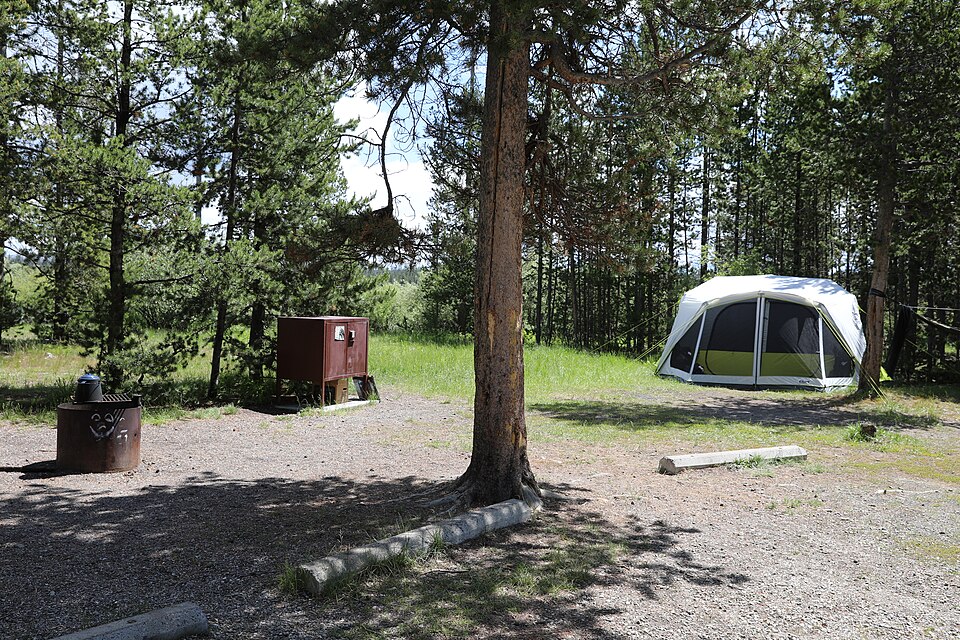
Tent camping gives you more control over your equipment and can reduce accommodation costs, but you supply the weather protection, sleep system, and cooking setup. You still need an authorized campsite and must follow local rules for fires, waste, and water use.
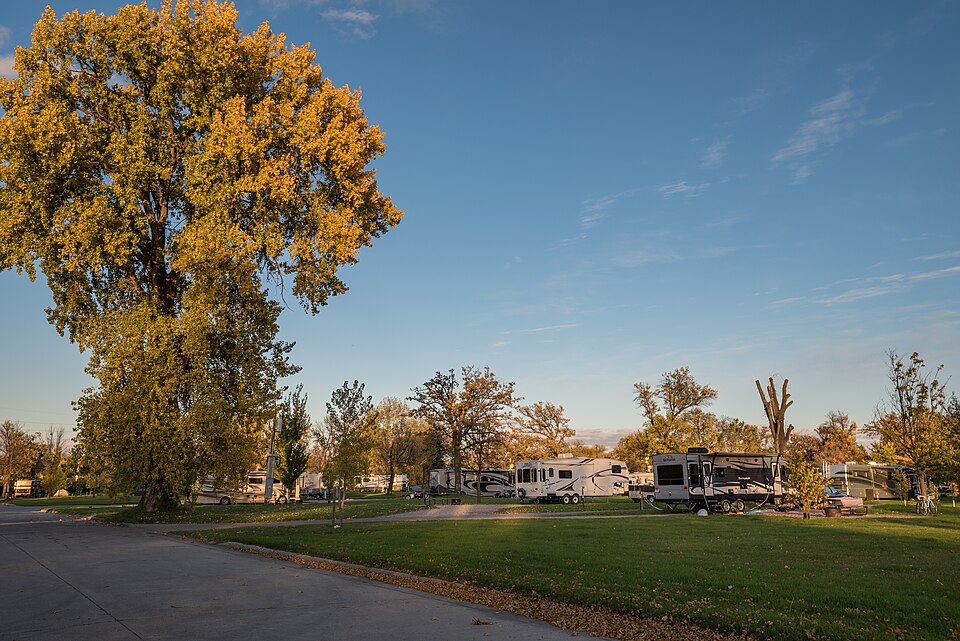
An RV provides an enclosed living space, but it adds vehicle-size constraints and may need hookups or a suitable dump station. Do not assume the tribal park’s unpaved scenic loop is appropriate for your rig. Leave it at an approved site and consider a guided valley tour.
Book Carefully and Arrive Prepared
Before reserving, request clear answers about road surface, vehicle clearance, bathroom type, drinking water, electricity, and check-in arrangements. Ask what happens if rain makes the approach difficult. A remote stay should have directions you can save offline, and arriving before dark makes it easier to identify turns and understand the site layout.
Pack layers, a flashlight or headlamp, sun protection, and refillable water containers. Bring food appropriate to the available facilities; a fire pit does not guarantee permission to have a fire. Follow current restrictions, keep food secured as instructed, and pack out waste when required by your host.
Reserve lodging and park activities separately unless the booking clearly includes both. Check the official Monument Valley Navajo Tribal Park website for current conditions, access, and tour information. Confirm local time with your host and guide, especially when traveling from areas of Arizona that do not observe daylight saving time.