
The best time to visit Monument Valley is usually spring or fall, when cooler temperatures make viewpoints, guided outings, and short walks easier to enjoy. Summer brings longer days but stronger heat and possible thunderstorms, while winter offers a quieter, colder experience. Set along the Arizona–Utah border within the Navajo Nation, this desert landscape rewards flexible plans, especially when wind, rain, or snow changes road conditions.
Spring: Comfortable Days, Windy Possibilities
Spring is a strong choice if you want to combine the valley’s overlooks with time outside your vehicle. March can still feel wintry at sunrise, while April and May generally bring warmer afternoons. Carry layers rather than dressing only for the daytime forecast: open overlooks offer little shelter from the wind, and shade can feel noticeably cooler than direct sun.
Blowing dust is an important spring consideration. Protect cameras, keep water handy, and leave room in your schedule to move a walk or tour if conditions become unpleasant. Wildflowers sometimes appear after favorable moisture, but blooms are not dependable enough to build a trip around.
Spring break periods can increase demand for lodging and guided tours. Once your dates are firm, reserve a place to stay and any must-do outing, particularly if you want sunrise or sunset photography.
Lock in a stay for this season
RV parks near Monument Valley on RoverPass
Partner link · RoverPass
Summer: Long Days and Strong Desert Heat
Summer works best for travelers willing to structure their days around the weather. Start outdoor activities early, take a substantial midday break, and return to viewpoints when the light softens. The exposed desert has limited shade, so a short walk can feel much more demanding than its mileage suggests. Bring drinking water, sun protection, and enough supplies to avoid relying on a last-minute stop.
Summer thunderstorms can produce lightning, muddy roads, and localized flash flooding. A dramatic sky is not a reason to continue onto a questionable dirt road or into a wash. Follow closures and your guide’s instructions, and keep an indoor or lodging-based alternative available.
School vacations make summer popular despite the heat. Book family rooms and guided outings ahead, and ask operators how weather-related changes are handled before committing to a tightly scheduled visit.
Lock in a stay for this season
Campsites near Monument Valley on Campspot
Partner link · Campspot
Fall: Favorable Walking and Photography Weather
Fall often offers the most balanced conditions for a first visit. September can retain summer heat, while October typically brings cooler days and increasingly chilly evenings. By November, cold mornings and shorter daylight become more important planning factors. Choose your month based on whether you value warmer evenings or more comfortable daytime walking.
The lower seasonal sun can bring out texture in the sandstone formations, making this a rewarding period for photography. Allow time to remain at an accessible viewpoint rather than racing between distant stops. Sunrise and sunset outings need advance coordination because access rules and tour schedules determine where you can be.
Fall is not an undiscovered shoulder season here. Popular lodging and sought-after guided tours can fill, especially around weekends. Reserve those essentials first, then leave the rest of each day flexible for changing light and weather.
Lock in a stay for this season
Harvest Hosts stays on the way to Monument Valley
Partner link · Harvest Hosts
Winter: Quiet Views with Cold-Weather Tradeoffs
Winter can suit travelers who prioritize quieter viewpoints over long days of outdoor activity. Snow occasionally dusts the red sandstone, creating striking contrasts, but it is never guaranteed. Freezing temperatures, icy patches, and storms can also complicate access. Plan for a cold desert visit, not simply a cooler version of summer.
A shorter itinerary may work well if your goal is the main overlook and a guided outing, provided conditions cooperate. Keep extra time between Monument Valley and your next overnight stop so a weather delay does not force a difficult drive. Confirm that your lodging and chosen tour are operating on your dates.
Warm layers, gloves, and footwear with reliable traction matter at exposed viewpoints. Avoid assuming the scenic loop will be suitable for your vehicle after precipitation. Check the official Navajo tribal park information before departure and again near arrival.
Match Reservations and Arrival Times to Your Priorities
There is no single booking deadline that fits every Monument Valley trip. Reserve lodging and specialized guided experiences as soon as your travel dates settle, particularly for spring, fall, school holidays, or a small group needing several rooms. If you have flexibility, compare weekday availability with weekends rather than assuming one season will always cost less.
Crowds often concentrate around the main overlook and the scenic drive’s accessible stops. An early start can make the day feel less rushed, but do not assume the park opens before sunrise or permits independent access after sunset. A guided tour may be necessary for the experience you want.
Check the official Monument Valley Navajo Tribal Park website for current conditions, entry details, trail access, and reservations. Confirm tour meeting times carefully: the Navajo Nation observes daylight saving time, unlike most of Arizona, which can confuse travel schedules.
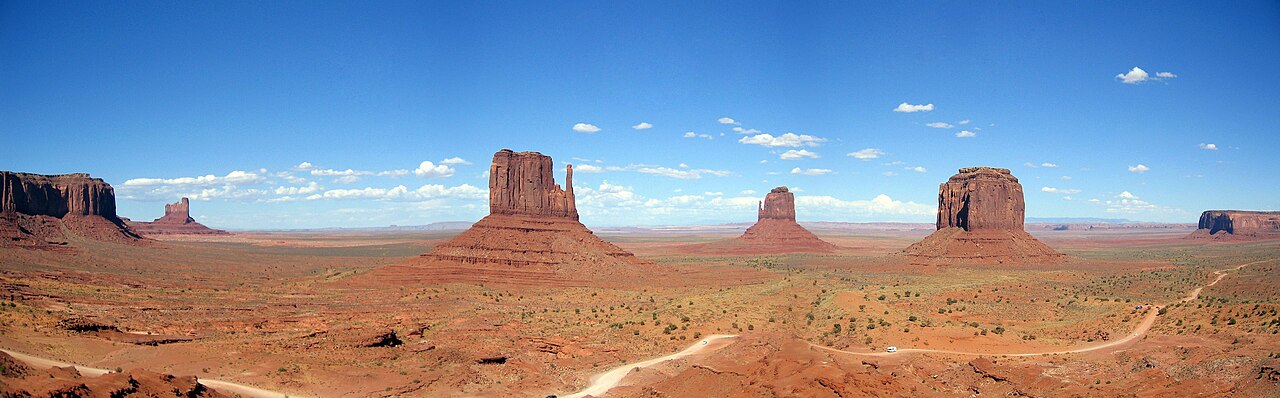
More ways to book Monument Valley
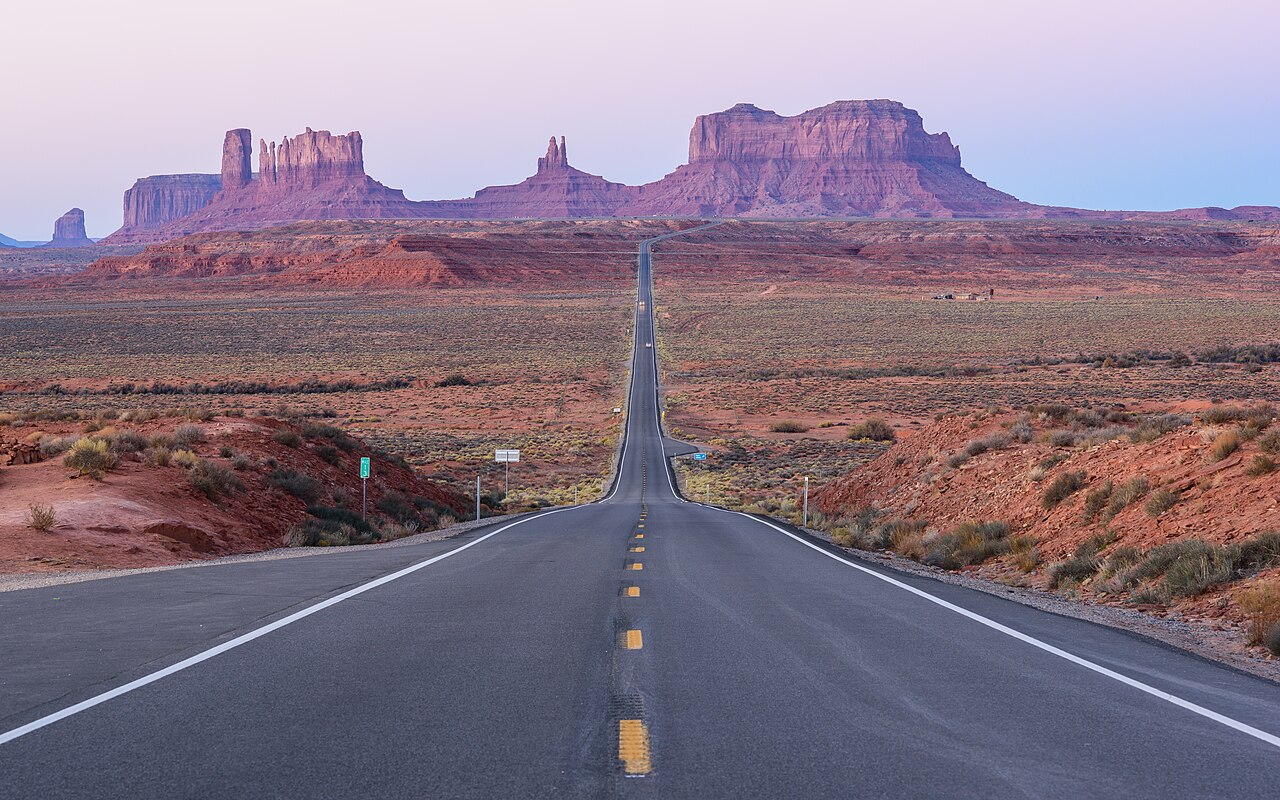
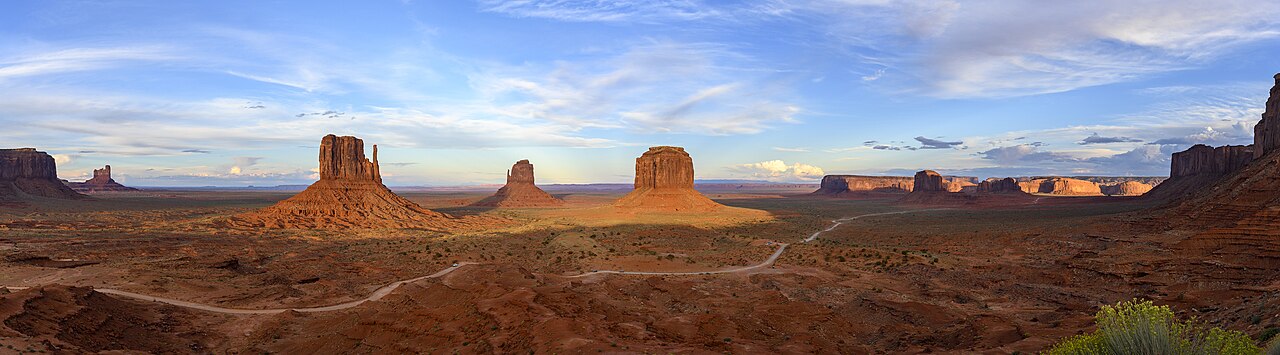 Illustrative · Mgimelfarb
Navajo-Guided Backcountry Tour
One of the classic ways to experience Monument Valley.
Varies (estimate)
Partner link · Viator