
Welcome to Missoula, the 'Garden City' of Montana. This three-day itinerary is designed to immerse you in the natural beauty and vibrant local culture of this mountain crossroads. From the moment you land at the Missoula Montana Airport (MSO), located just about 5.6 miles and a short 12-minute drive from the heart of downtown, you will feel the pull of the surrounding peaks. This guide balances active adventure with the relaxed pace of life that makes Western Montana so special.
Day 1: Arrival and Mountain Vistas
After arriving at MSO and picking up your rental vehicle, head straight into downtown Missoula to get your bearings. Start your first afternoon with a classic Montana experience by hiking the 'M' Trail on Mount Sentinel. The trailhead is located near the university campus and provides a steep but rewarding climb. Once you reach the 'M', take a moment to soak in the views of the Clark Fork River winding through the valley. It is the perfect vantage point to plan your next few days of exploration.
After descending, wander through the historic downtown district. The streets are lined with locally owned shops, outdoor gear retailers, and inviting eateries. For dinner, explore the local food scene which emphasizes Montana-grown ingredients. If you have any energy left, take a sunset stroll along the Riverfront Trail, a paved path that follows the river through the center of town. This gentle introduction to the area allows you to adjust to the altitudeâroughly 3,200 feetâwhile enjoying the crisp mountain air. Be sure to check the local weather forecast, as evening temperatures can drop quickly even in the height of summer.
Day 2: River Life and Canyon Trails
On your second day, it is time to get on the water. Depending on the season and your comfort level, you can rent an inner tube for a lazy float through downtown or book a guided fly-fishing trip on the Blackfoot River, made famous by regional literature. The Blackfoot offers stunning limestone canyons and crystal-clear water, providing a quintessential Montana experience. If you prefer to stay dry, consider a scenic drive toward the gateway city of Lolo, just south of Missoula, where you can explore the Lolo National Forest.
In the afternoon, head to Pattee Canyon for a hike or mountain bike ride through the towering larch and ponderosa pines. The trail network here is extensive and offers varying levels of difficulty. It is a great place to experience the quiet of the forest without traveling far from town. As evening approaches, head back to Missoula to sample the offerings of one of the many local craft breweries. The brewing culture here is a point of pride, and the taprooms serve as communal hubs for hikers, anglers, and locals alike. Remember to stay hydrated throughout the day, as the dry mountain air can be dehydrating during physical activity.
Day 3: Wildlife, History, and Valleys
For your final day, head north toward the Evaro or Frenchtown areas to see a different side of the Missoula valley. This region offers wide-open landscapes and the chance for more wildlife sightings. Visit the nearby historical sites to learn about the Glacial Lake Missoula, which shaped this entire region thousands of years ago during a series of massive prehistoric floods. Understanding the geology of the area adds a layer of depth to every mountain and valley you see.
Spend your final afternoon at the Lee Metcalf National Wildlife Refuge or exploring the trails along the Bitterroot River. These areas are fantastic for birdwatching and photography, offering a peaceful conclusion to your trip. Before you head back to the airport, grab some local huckleberry treatsâa Montana stapleâto take home. The drive back to MSO is quick, but give yourself enough time to return your gear and check in. This itinerary provides a broad overview of what makes Missoula special, but there is always more to discover in the surrounding wilderness. Always check official park or forest service websites before heading out to ensure you have the most current information on trail access and conditions.
Gateway Cities and Day Trip Options
While Missoula is the hub, the surrounding gateway cities like Lolo, Frenchtown, and Clinton offer their own unique charms and access points to the wild. Lolo is the gateway to the Bitterroot Valley and the scenic Highway 12, which winds through rugged mountain passes toward Idaho. Frenchtown offers a more pastoral look at Montana life, with rolling hills and agricultural lands. Clinton, to the east, provides easy access to the upper reaches of the Clark Fork River and the expansive Rock Creek area, famous for its blue-ribbon trout fishing.
Exploring these nearby communities allows you to see the diversity of the Western Montana landscape. Each gateway town serves as a jumping-off point for different types of terrain, from deep river canyons to high alpine meadows. If you have an extra day, a drive to any of these areas will reward you with fewer crowds and a more intimate connection with the local environment. Just keep an eye on your fuel gauge, as services can become sparse once you leave the main highway corridors. Planning your route ahead of time using official maps is always recommended for safety and navigation in the backcountry.
Travel Tips and Logistics
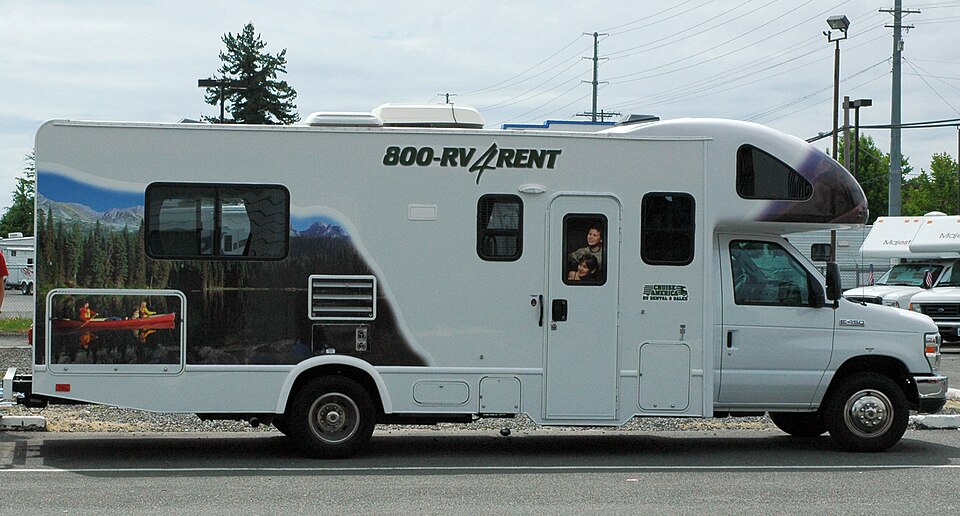
Navigating Missoula is relatively straightforward, but there are a few things to keep in mind to make your trip seamless. Public transportation is available within the city, but having a rental car is highly recommended for reaching the best trailheads and river access points. When budgeting, expect to spend an average of one hundred and eighty-five dollars per day on food, lodging, and activities. This estimate can vary based on your choice of dining and whether you opt for guided excursions.
Safety in the outdoors is paramount. Always carry plenty of water, wear sturdy footwear, and be aware of your surroundings. While no specific medical or safety guarantees can be made, being prepared for changing weather and knowing your own physical limits will go a long way in ensuring a positive experience. Finally, the local community takes great pride in their natural surroundings. Be sure to follow all 'Leave No Trace' guidelines by packing out your trash and respecting wildlife. For the most up-to-date information on fire restrictions, permit requirements, and seasonal closures, the official Missoula and National Forest websites are your best resources. Enjoy your time in this vibrant mountain town!
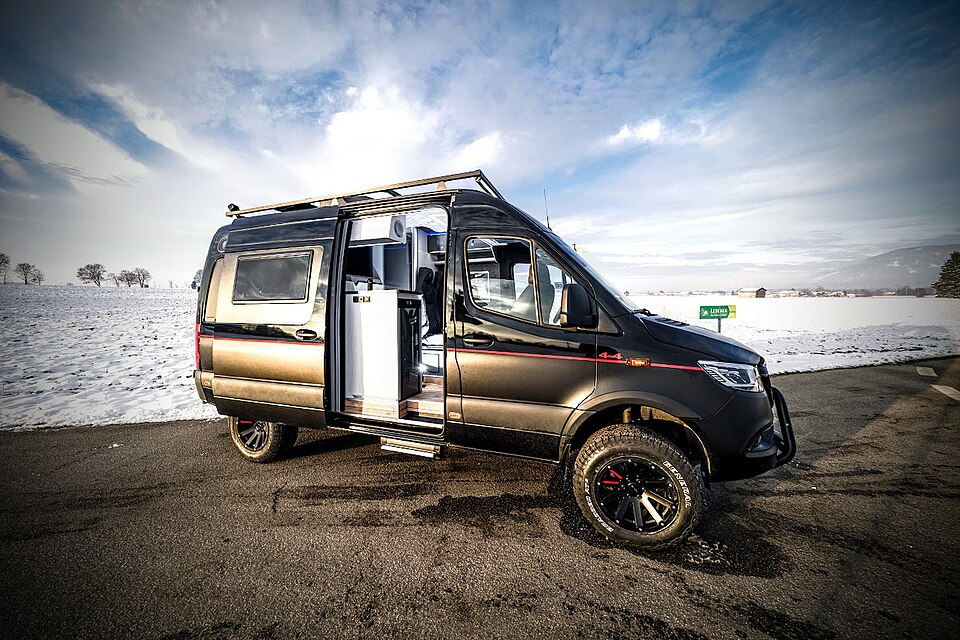
More ways to book Missoula
 Illustrative · Diego Angel
Sprinter Adventure Van
Small enough to park at the trailhead, comfy enough to sleep in.
$189/day (estimate)
Direct link · RVshare