
Missoula is a rare mountain town that shines in every season, though your ideal visit depends entirely on your passion for the outdoors. Tucked at the confluence of three rivers, this valley experiences the full spectrum of Montana weather, from the crisp bluebird days of a snowy January to the golden, sun-drenched afternoons of a high-country July. Understanding the shift in seasons is key to securing the right permits and gear for your journey into the Northern Rockies.
Summer Solstice and River Days
Summer is widely considered the best time to visit Missoula for those looking to maximize their daylight hours and access high-altitude trails. From late June through August, the valley enjoys temperatures that typically hover in the eighties, providing perfect conditions for floating the Clark Fork River or hiking the steep switchbacks of Mount Jumbo. This is the peak of the wildcrafting season, where local markets overflow with regional produce and the downtown area hums with energy.
Because this is the busiest time of year, it is vital to check the official National Park Service sites or local forest service bulletins for trail closures or wildfire smoke updates. While the weather is generally stable and warm, high-mountain storms can roll in quickly during the late afternoon. You will find that popular trailheads fill up early in the morning, so starting your day at dawn is the best way to secure a parking spot and enjoy the quiet stillness of the Montana wilderness before the midday heat settles in.
Golden Larch and Fall Foliage
September and October represent a magical transition in Western Montana. The summer crowds begin to dissipate as the air takes on a sharp, clean chill, and the surrounding hillsides transform into a mosaic of gold and burnt orange. This is arguably the best time for photographers and hikers who prefer cooler temperatures. The western larch trees, unique conifers that turn yellow before dropping their needles, create glowing patches on the mountainsides that are truly spectacular to witness in person.
Wildlife activity also increases during these months. You are more likely to spot elk or deer moving through the lower meadows as they prepare for the coming winter. While the days remain pleasantly mild, nights can drop below freezing, so packing layers is essential. Many river outfitters continue their operations through September, offering a more peaceful experience on the water compared to the bustling activity of July. Always verify seasonal road closures if you plan to drive into the higher elevations of the Bitterroot or Lolo National Forests, as early snow can occasionally dust the peaks.
Winter Sports and Snowy Solitude
Winter in Missoula is a playground for those who embrace the cold. From December through March, the region is blanketed in snow, turning the surrounding peaks into prime terrain for downhill skiing and snowshoeing. The proximity of several local ski hills means you can be on the slopes within thirty minutes of leaving a downtown coffee shop. The town itself maintains a cozy, festive atmosphere, with local breweries and theaters providing a warm refuge from the frosty air.
Weather conditions can vary significantly, ranging from clear, sunny days to deep inversions where the valley is tucked under a silver cloud layer. Driving in Western Montana during the winter requires caution and a vehicle equipped with proper snow tires or four-wheel drive. If you are planning to explore the backcountry, it is mandatory to check local avalanche forecasts and carry the necessary safety equipment. While the crowds are much thinner than in the summer, holiday weekends still see a surge in visitors, so booking your lodging well in advance is recommended for any winter excursion.
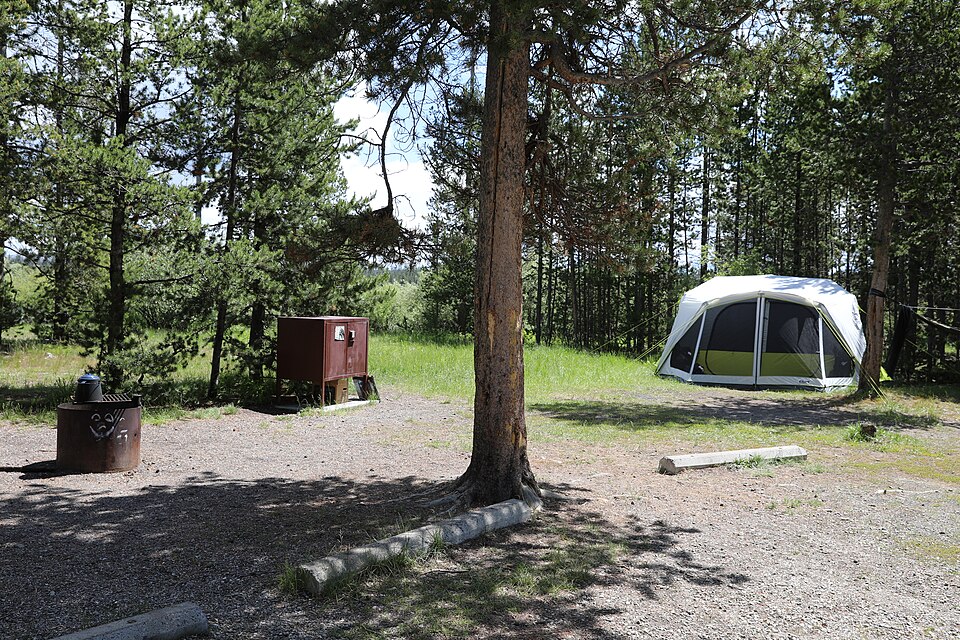
Lock in a stay for this season
Harvest Hosts stays on the way to Missoula
Partner link · Harvest Hosts
Spring Awakening and Green Valleys
Spring is a season of dramatic change in the Missoula valley. From April through May, the snow begins to melt, feeding the creeks and rivers until they run high and fast. The foothills turn a vibrant, electric green, and wildflowers like the bitterroot and balsamroot begin to bloom across the open slopes. This is a time of renewal, but it is also the most unpredictable season for weather. One day might feel like a warm summer afternoon, while the next brings a sudden spring squall.
For those interested in watching the landscape wake up, spring offers incredible birdwatching and the chance to see newborn wildlife. However, many high-country trails remain impassable due to deep snow and mud until well into June. Low-elevation hiking along the river corridors is the best way to spend your time. It is a quieter season for tourism, which often means more availability at local guest houses. Just be sure to bring high-quality waterproof gear, as spring rains are frequent and necessary for the lush summer growth that Montana is famous for.
Reservations and Planning Logic
Planning your trip to Missoula requires a bit of foresight, especially regarding the timing of popular events and seasonal shifts. If your heart is set on a summer rafting trip or a fall hunting expedition, you should begin your research at least six months prior. Summer weekends often coincide with local festivals and university events, which can make central accommodations harder to find. It is always wise to consult official government land management websites for the most current information on camping permits, fire restrictions, and trail conditions.
Budgeting for your trip should account for the moderate costs associated with mountain town life. While outdoor access is largely free, daily expenses for food, transportation, and gear rentals can average around one hundred and eighty-five dollars per person. Keeping a flexible schedule allows you to adapt to the weather, ensuring that whether you face a rainy spring morning or a scorching August afternoon, you can still find a way to enjoy the rugged beauty of Western Montana. Always remember to practice Leave No Trace principles to keep these wild spaces pristine for the next season's visitors.
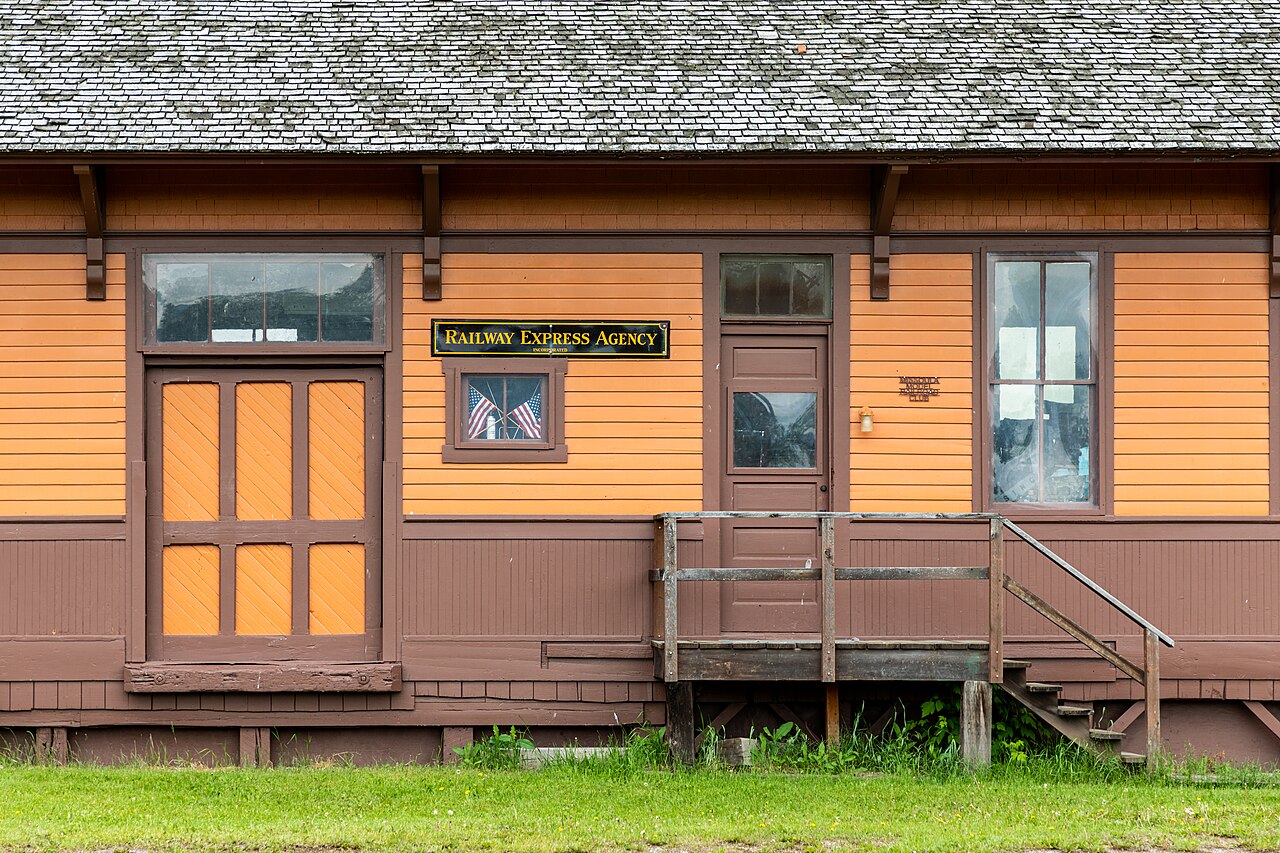
More ways to book Missoula
 Illustrative · Dietmar Rabich
Rattlesnake Recreation Area Hiking
One of the classic ways to experience Missoula.
Varies (estimate)
Partner link · Viator