
Mesa Verde National Park offers a profound look into the lives of the Ancestral Puebloan people who lived in the region for over 700 years. From massive cliff-side villages to ancient petroglyphs and high-desert vistas, the variety of things to do in Mesa Verde caters to history buffs, outdoor enthusiasts, and families alike. The park is a massive archaeological preserve where you can walk through the very rooms and plazas where a vibrant civilization once thrived on the Colorado Plateau.
Touring Iconic Cliff Dwellings
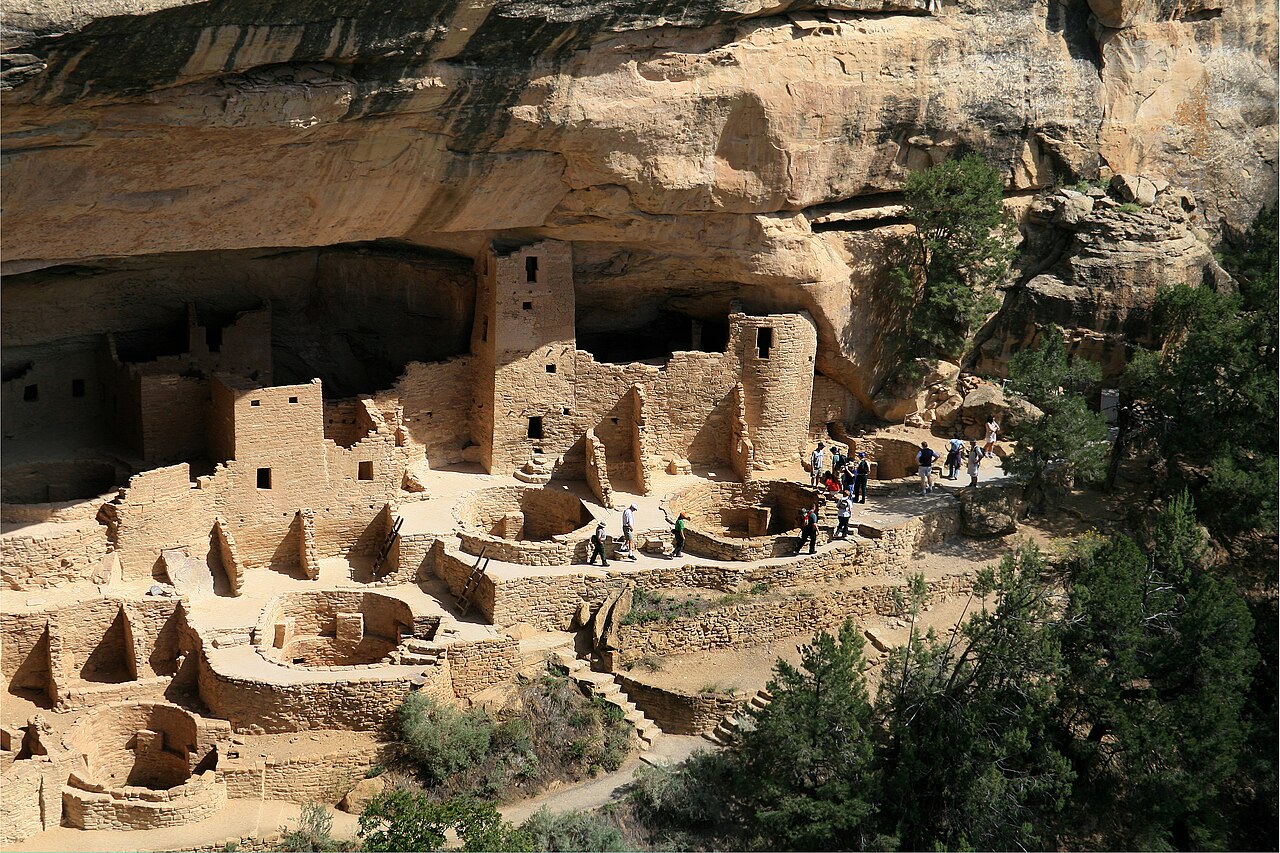
The absolute highlight of any visit is taking a ranger-led tour of the cliff dwellings. Cliff Palace is the most famous, boasting over 150 rooms and 23 kivas, making it the largest cliff dwelling in North America. For those seeking adventure, Balcony House offers a more physical experience, involving climbing tall wooden ladders and crawling through a narrow stone tunnel. These tours provide an unparalleled perspective on the architectural ingenuity of the Ancestral Puebloans, who built these structures into the natural alcoves of the canyon walls.
Long House, located on Wetherill Mesa, is another spectacular site that feels slightly more remote and less crowded. Each site tells a different story about community life, storage, and defense. Because these structures are fragile and sacred, you can only enter them with a guide during the operational season. These tours require moderate physical effort, so be prepared for steep steps and elevation changes. Always check the official NPS site for current tour availability and to book your tickets in advance.
Scenic Drives and Overlooks
For those who prefer to see the park by car, the Mesa Top Loop Road is a must-see. This six-mile driving tour features paved paths and overlooks that chronologically trace the development of Ancestral Puebloan architecture, from early pithouses to the sophisticated multi-story cliff dwellings. Sun Temple and Square Tower House are two of the most impressive stops along this route. The overlooks provide excellent photo opportunities, especially in the late afternoon when the sun illuminates the canyon walls.
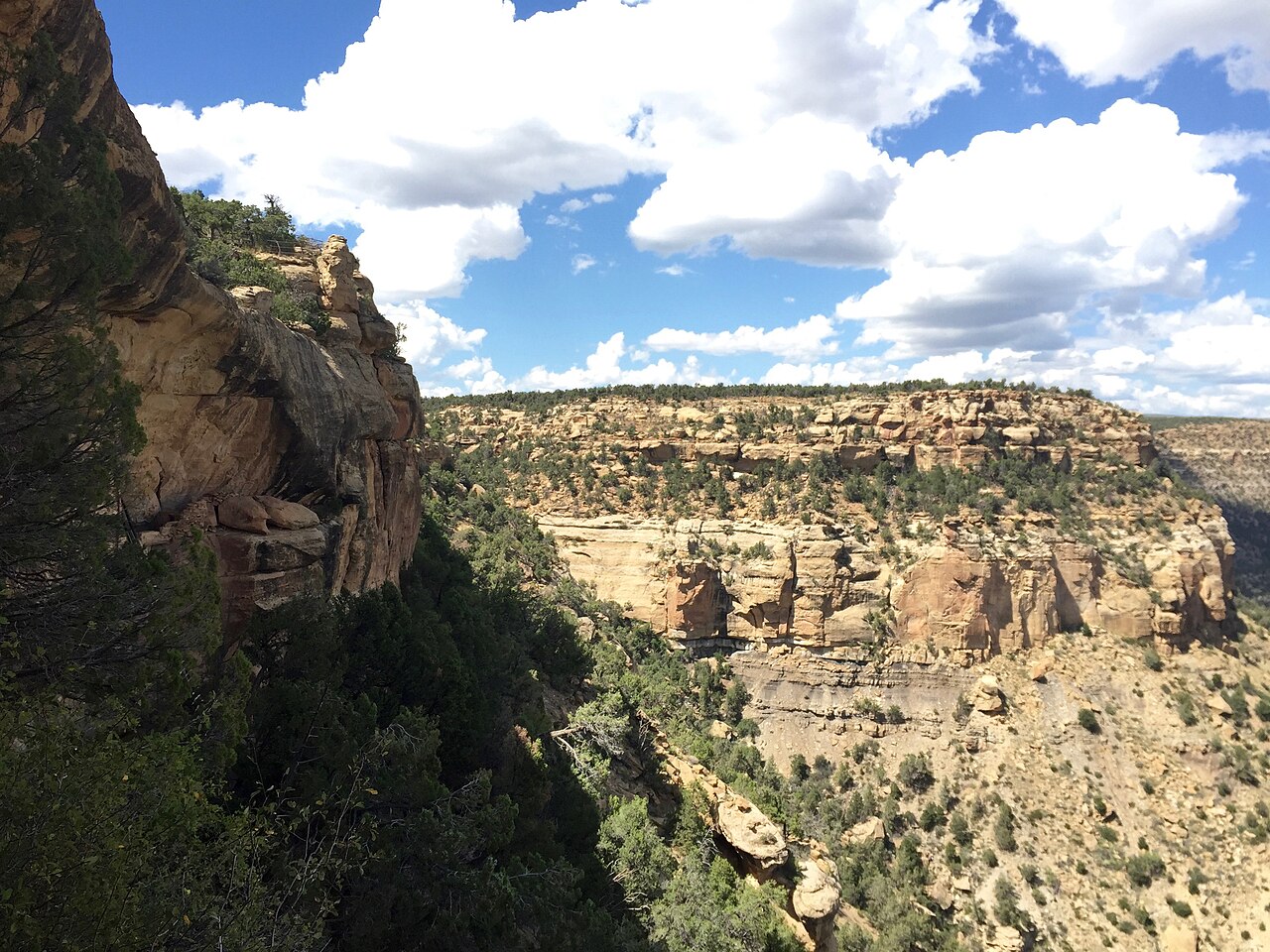
Another essential drive is the road to Wetherill Mesa. This 12-mile winding road is open seasonally and offers a quieter experience than the main Chapin Mesa area. Along this route, you can stop at the Park Point Overlook, the highest point in the park. From here, you have a 360-degree view that extends into the Four Corners region, including New Mexico and Utah. It is a fantastic spot to appreciate the sheer scale of the Colorado Plateau and the rugged geography that defined the lives of the ancient inhabitants.
Hiking the Mesa Trails
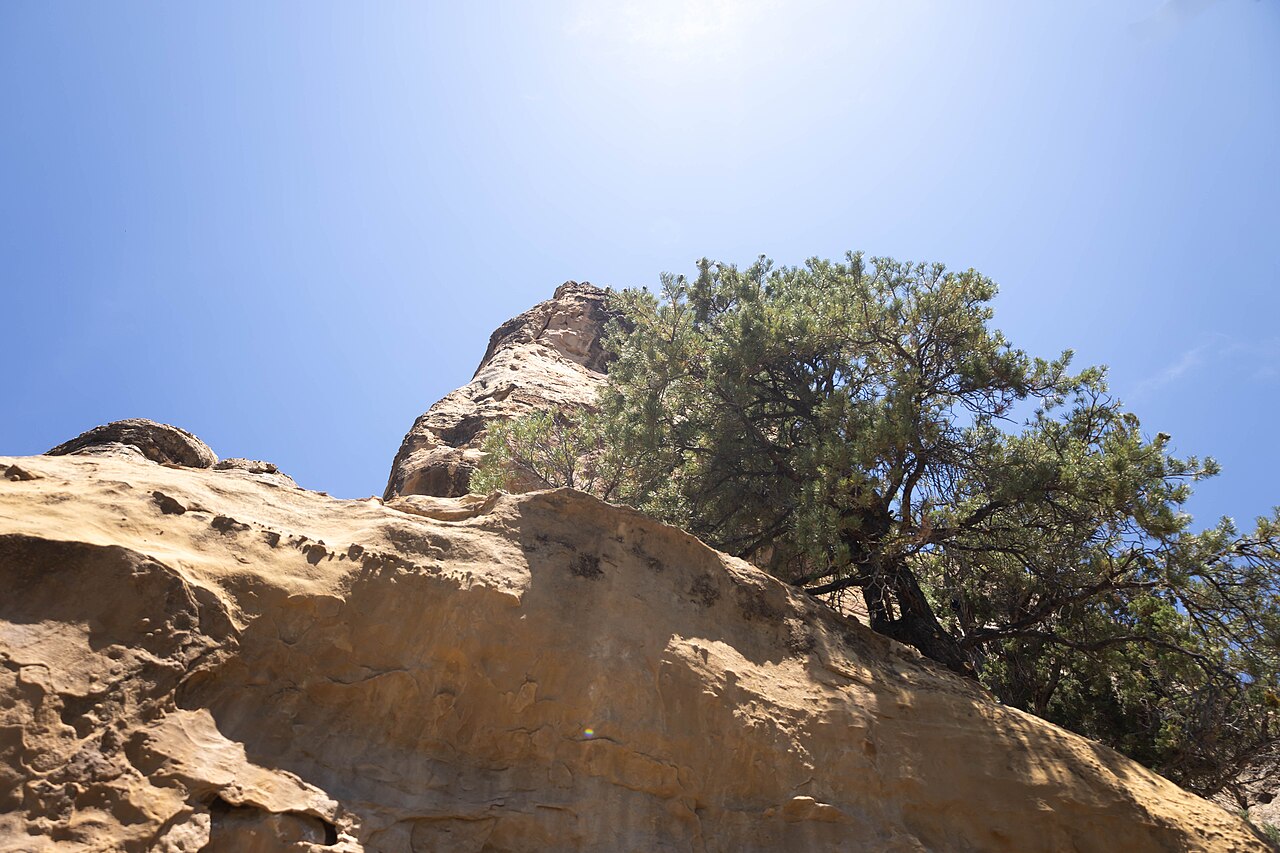
Hiking in Mesa Verde allows you to experience the natural beauty of the high desert up close. The Petroglyph Point Trail is a favorite, a 2.4-mile loop that leads to a large panel of ancient rock art. The trail involves some narrow ledges and rocky scrambles, offering a bit of excitement along with its cultural rewards. For a more leisurely stroll, the Spruce Canyon Trail winds through the bottom of the canyon, offering a different perspective of the flora and fauna that supported the Ancestral Puebloans, such as Douglas fir and pinyon-juniper forests.
If you are looking for views, the Knife Edge Trail follows the old entrance road along the base of the Montezuma Valley. It is relatively flat and provides some of the best sunset views in the park. Remember that hiking at these altitudes can be strenuous if you are not acclimated. Stay on designated paths to protect the fragile desert crust and the archaeological remains that are scattered throughout the park. Always carry a map and plenty of water, even on shorter treks.
Family-Friendly Exploration
Mesa Verde is an exceptional classroom for children. The Junior Ranger program is highly recommended, encouraging kids to complete activities that teach them about archaeology and conservation. The Chapin Mesa Archeological Museum is another great stop for families, featuring dioramas that illustrate how the Ancestral Puebloan people lived, farmed, and created pottery. Seeing the actual tools and artifacts helps bring the stone ruins to life for younger visitors who might find the history abstract.
For a fun family activity, take the self-guided walk to Step House on Wetherill Mesa. Unlike the managed tours, you can explore this site at your own pace, and it features both a pithouse and a cliff dwelling in the same alcove. The trails are well-marked and provide enough space for children to move while staying safe. Be sure to stop by the visitor center at the park entrance to pick up activity packets and get advice from rangers on which hikes are most suitable for your childrenâs ages and energy levels.
Rainy Day Activities
While Mesa Verde is primarily an outdoor destination, there are excellent ways to spend a rainy afternoon. The Mesa Verde Visitor and Research Center, located right at the park entrance, features modern exhibits and a wealth of information about the parkâs history and ongoing research. You can spend an hour or two here learning about the indigenous cultures that still maintain connections to this land today. The architecture of the building itself is sustainably designed and worth seeing.
If the rain is persistent, the museum at Chapin Mesa offers extensive indoor galleries. It is one of the oldest museums in the National Park System and houses an impressive collection of pottery, woven baskets, and stone tools. Watching the parkâs orientation film is another great way to wait out a storm while gaining a deeper understanding of the sites you are about to see. Once the rain clears, the canyons often take on a misty, ethereal quality, and the smells of wet sagebrush and juniper are an unforgettable part of the high-desert experience.