
Choosing the best time to visit Mesa Verde is essential because the parkâs primary attractions, the cliff dwellings, are subject to strict seasonal availability. Situated high on the Colorado Plateau, the park experiences distinct seasons that affect road access, tour schedules, and hiking conditions. While the landscapes are stunning year-round, most travelers aim for the window between late spring and early autumn to ensure they can step inside the ancient Ancestral Puebloan structures that make this region famous.
Summer Peak Season
Summer, particularly June through August, is the busiest time at Mesa Verde and generally considered the best time to visit Mesa Verde for those wanting full access to all guided tours. During these months, the park is fully operational, meaning sites like Cliff Palace, Balcony House, and Long House are open for ranger-led explorations. The weather is typically warm, with daytime temperatures often reaching the 80s or 90s, though the high elevation provides some relief compared to lower desert regions.
However, summer visitors should be prepared for afternoon monsoons. In July and August, sudden thunderstorms are common, bringing heavy rain and lightning that can temporarily halt outdoor activities. Despite the heat and potential rain, this is the only time to experience the full breadth of the park's archaeological offerings. Because demand is high, checking the official NPS site for tour reservation windows is mandatory, as tickets often sell out weeks in advance.
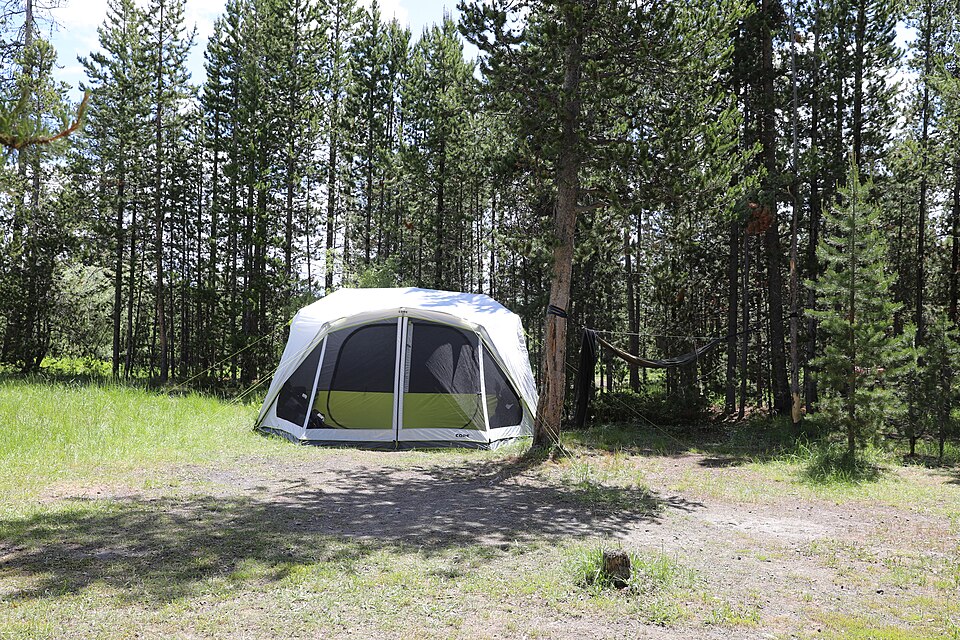
Lock in a stay for this season
RV parks near Mesa Verde National Park on RoverPass
Partner link · RoverPass
Spring and Autumn Transitions
The shoulder seasons of May and September offer a perfect balance of mild weather and fewer crowds. In May, the park begins to wake up from winter, with wildflowers blooming along the mesa tops. The air is crisp, and the sun is less intense than in mid-summer, making it an ideal time for longer hikes like the Petroglyph Point Trail. By September, the summer heat fades into pleasant, cool afternoons, and the changing scrub oak adds splashes of orange and gold to the landscape.
Be aware that early spring can still see snow at higher elevations, and some roads or trails may remain closed until late May. Similarly, by late September, ranger-led tours begin to scale back. If your priority is comfortable hiking and photography without the summer bustle, these months are fantastic. You will still need to plan ahead for lodging and any available tours, as the park remains a popular destination for regional travelers during these picturesque transitions.
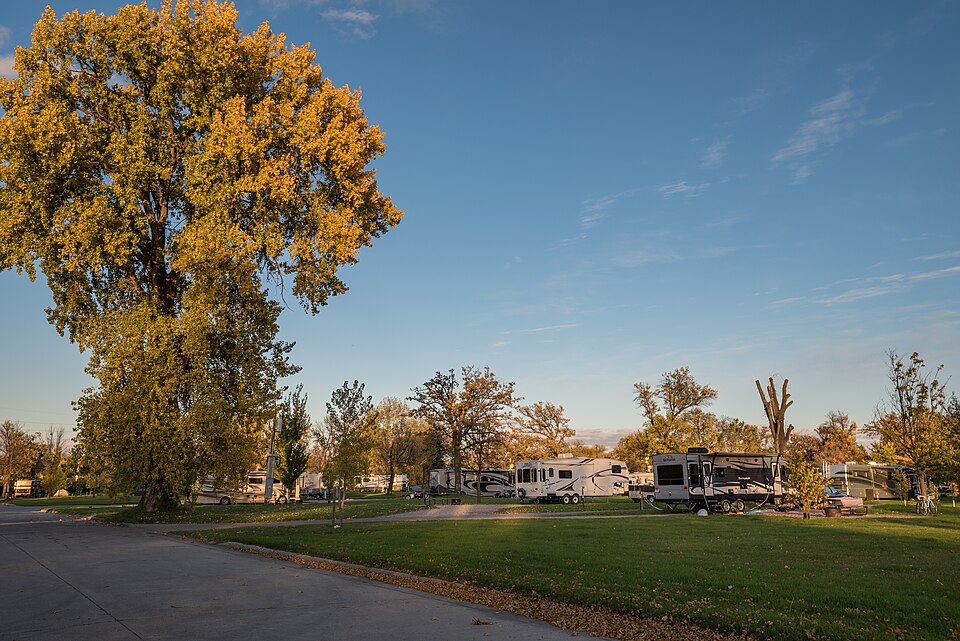
Lock in a stay for this season
Campsites near Mesa Verde National Park on Campspot
Partner link · Campspot
Winter at the Mesa
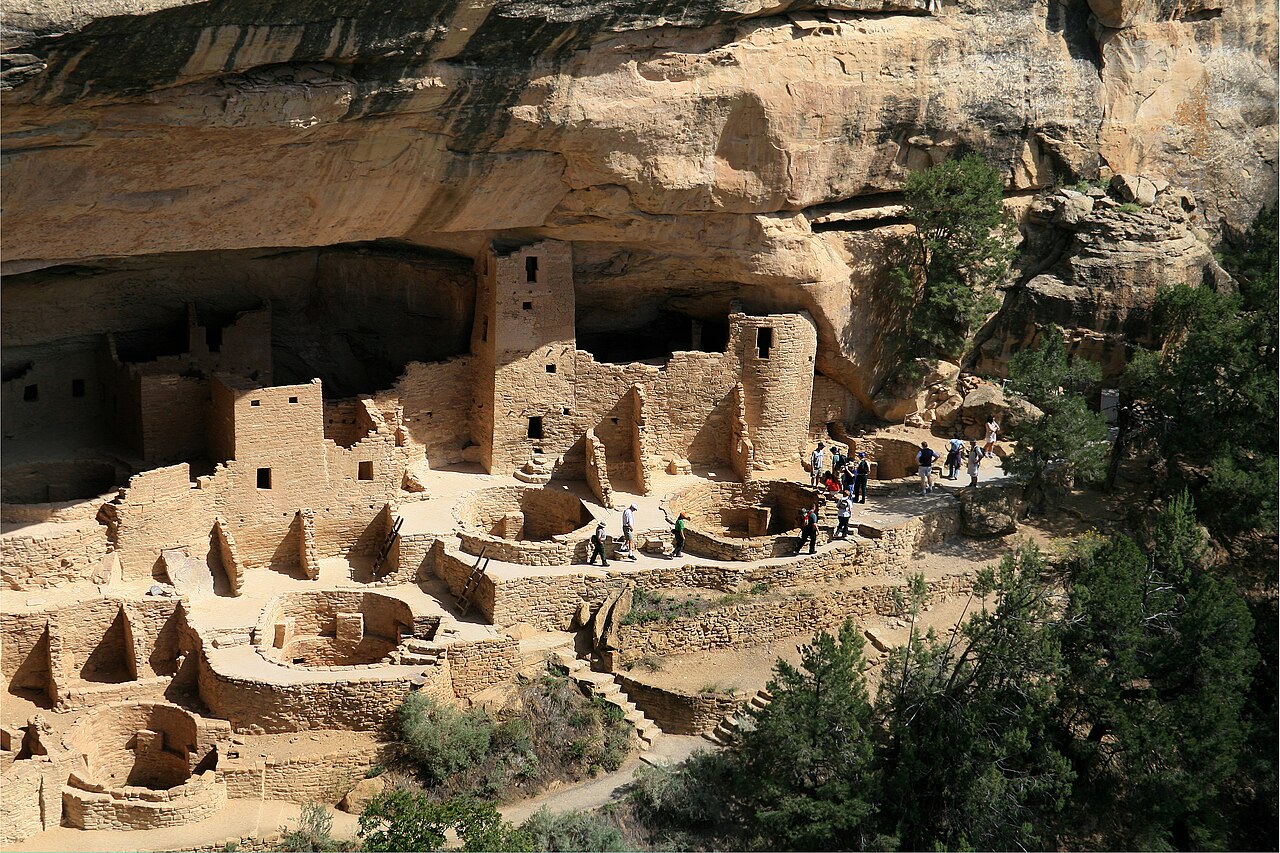
Winter in Mesa Verde is a quiet, contemplative experience that few travelers get to witness. From November through March, the park is often covered in a blanket of snow, creating a stunning contrast against the red rock and ancient stone masonry. While the cliff dwelling tours are closed for the season, the park remains open for self-guided viewing from overlooks. Driving the Mesa Top Loop Road provides sweeping views of the dwellings from above, often framed by icicles and frosted pinyon pines.
Winter visitors must be prepared for mountain driving conditions. The park entrance road climbs sharply, and snow can lead to temporary closures. If you visit now, you will find peace and solitude that is impossible to find in July. Activities are limited to cross-country skiing or snowshoeing on designated trails when snowpack is sufficient. While you cannot enter the dwellings, the visitor center and museum usually offer indoor exhibits that provide deep historical context without the crowds.
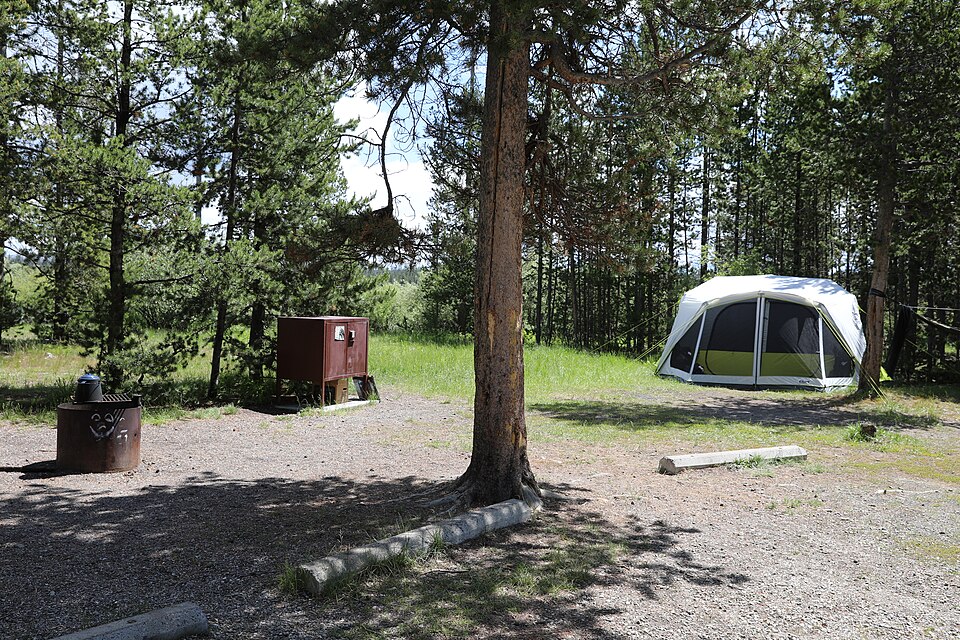
Lock in a stay for this season
Harvest Hosts stays on the way to Mesa Verde National Park
Partner link · Harvest Hosts
Managing the Crowds
Mesa Verde does not feel as congested as some of the other iconic western parks, but the limited capacity of the cliff dwelling tours creates a sense of scarcity. To avoid the busiest times, try to arrive at the park entrance early in the morning, especially if you need to navigate the winding drive to Chapin Mesa. Mid-week visits are generally quieter than weekends, and visiting in early June or late August can help you skip the peak family travel rush of July.
Crowd management at Mesa Verde is largely handled through the reservation system. Unlike parks where you can wander freely, the most famous ruins require you to be part of a scheduled group. This actually keeps the experience intimate once you are at the site. To ensure you don't miss out, monitor the official NPS website for the exact date and time tour tickets are released for your travel window. Having your tickets secured before arrival is the best way to guarantee a stress-off visit.
Weather and Packing Essentials
The weather at Mesa Verde is highly variable due to its elevation, which ranges from 7,000 to over 8,500 feet. Even in the height of summer, mornings can be surprisingly chilly, requiring a light jacket. By midday, the sun is intense, and the lack of shade on the mesa tops can lead to quick sunburns and dehydration. Sturdy hiking boots with good traction are a must, as many trails involve uneven stone steps and dirt paths that can become slippery after a rainstorm.
If visiting during the monsoon season, a high-quality rain shell is essential. For winter visits, heavy layers, gloves, and insulated boots are required, as temperatures frequently drop well below freezing overnight. Always carry more water than you think you need; the dry air at high altitudes wicks moisture from your body quickly. Regardless of the season, check the current weather forecast and park alerts on the NPS site before heading up the mesa, as conditions can change rapidly in the high desert.
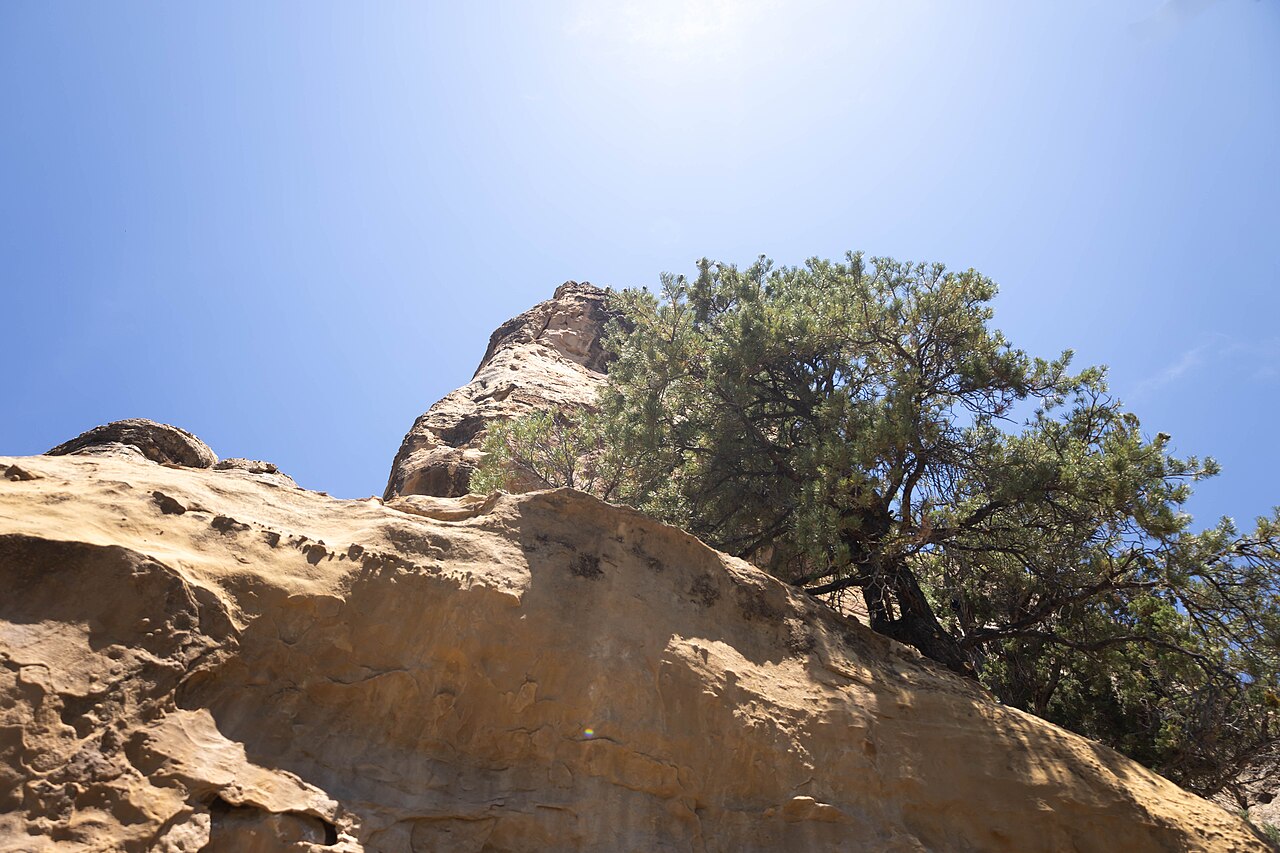
More ways to book Mesa Verde National Park
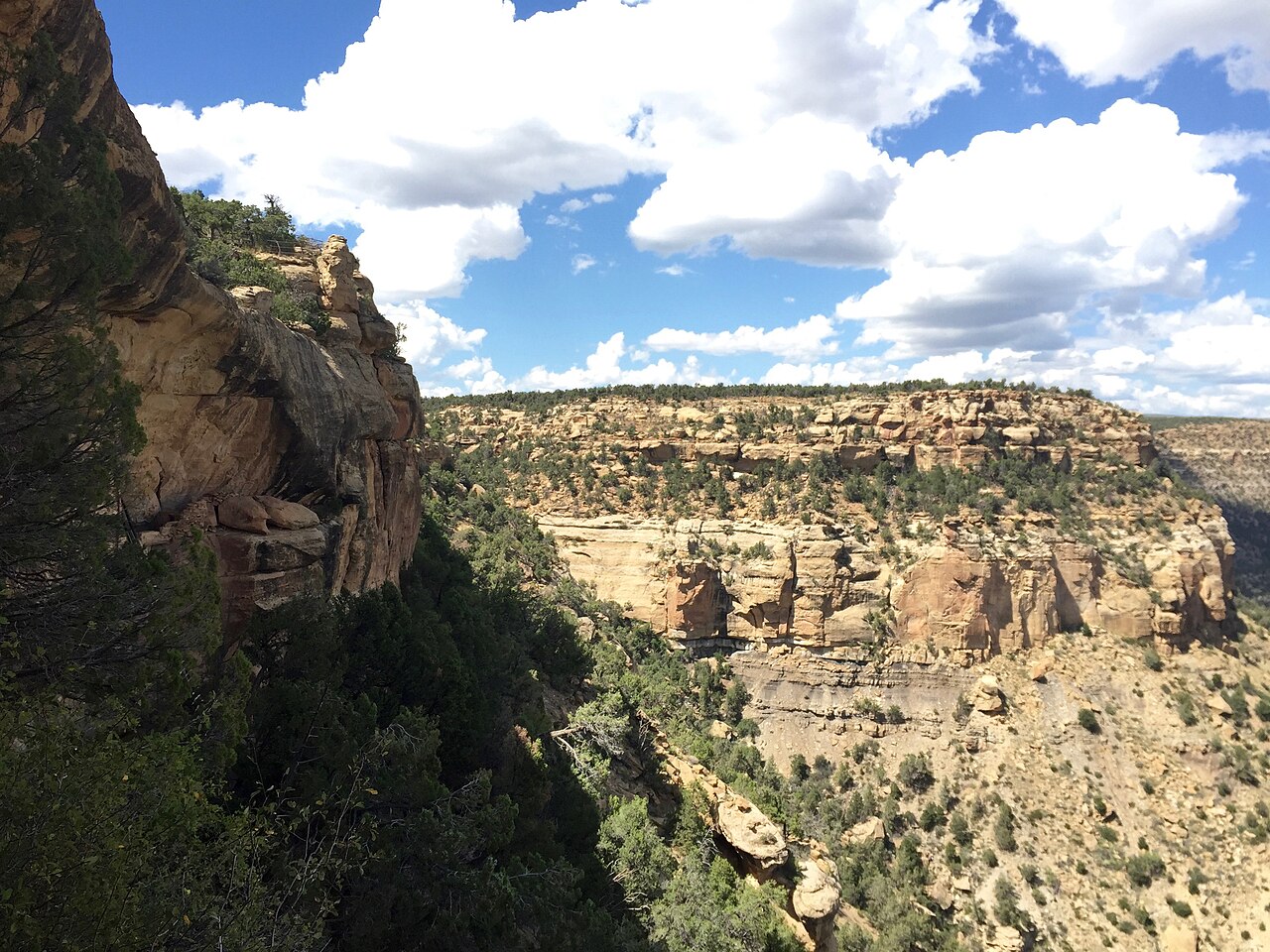 Illustrative · w_lemay
Mesa Top Loop Drive
One of the classic ways to experience Mesa Verde.
Varies (estimate)
Partner link · Viator