
The Mark Twain National Forest is a sprawling playground for outdoor enthusiasts, offering everything from rugged backcountry treks to relaxing afternoons by the water. With over 1.5 million acres to explore, the variety of things to do in Mark Twain National Forest reflects the diverse topography of the Southern Missouri Ozarks. Whether you are seeking a high-adrenaline mountain bike ride, a quiet fishing spot, or a scenic drive through the rolling hills, this national treasure provides a wealth of opportunities to connect with the natural world.
Hiking and Backpacking the Ozark Trail
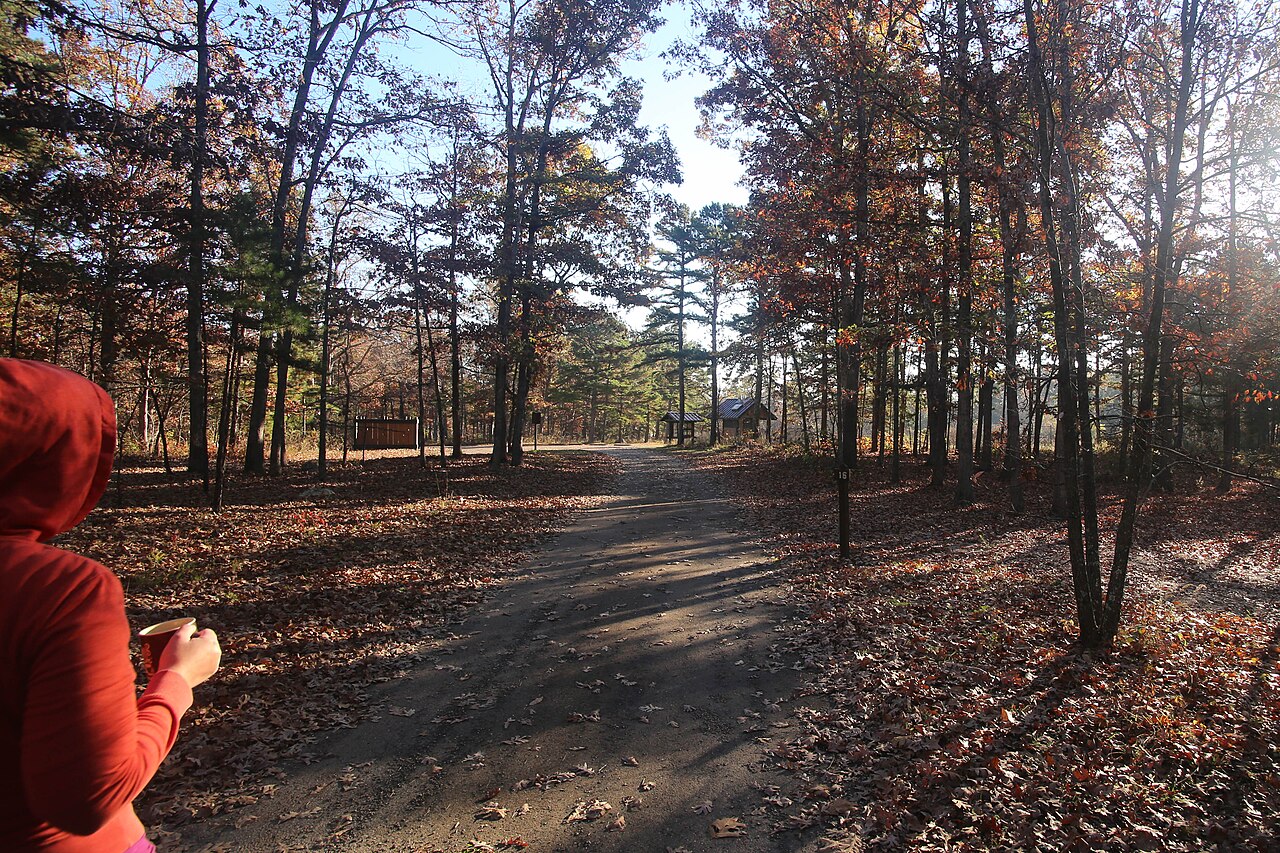
Hiking is undoubtedly one of the premier things to do in Mark Twain National Forest. The legendary Ozark Trail winds through large sections of the forest, providing hikers with a chance to see the true heart of the Missouri wilderness. The trail crosses diverse terrain, ranging from steep limestone bluffs to gentle creek bottoms shaded by giant sycamore trees. Short day hikes are accessible from numerous trailheads, while experienced backpackers can plan multi-day excursions deep into the backcountry.
The forest also features unique geological sites like the Greer Spring Trail, which leads visitors to the second-largest spring in Missouri. The sight of turquoise water rushing from a cave mouth at the bottom of a steep ravine is a highlight for any hiker. When planning your route, be sure to check the official forest maps, as the trail network is extensive and some sections are more rugged than others. Sturdy boots and plenty of water are essential, as the rocky Ozark terrain can be taxing on the feet and legs.
Floating and Fishing the Crystal Rivers
The rivers of the Mark Twain National Forest are its lifeblood, drawing thousands of visitors each year for floating and fishing. The Eleven Point River, a designated National Wild and Scenic River, offers some of the best canoeing and kayaking in the region. The water remains cool throughout the summer, fed by massive underground springs that bubble up from the limestone bedrock. Drifting down these rivers allows you to see the forest from a unique perspective, passing under towering cliffs and through dense stands of hardwoods.
For anglers, the forest is a paradise. The cold-water streams are home to rainbow and brown trout, while the warmer sections of the rivers and the forest's many lakes are stocked with smallmouth bass, crappie, and sunfish. Fly fishing is particularly popular in the spring-fed branches. Always check local fishing regulations and ensure you have the proper permits before heading out. Whether you are navigating a kayak through gentle rapids or casting a line into a deep pool, the water is a central part of the forest experience.
Scenic Drives and Wildlife Viewing
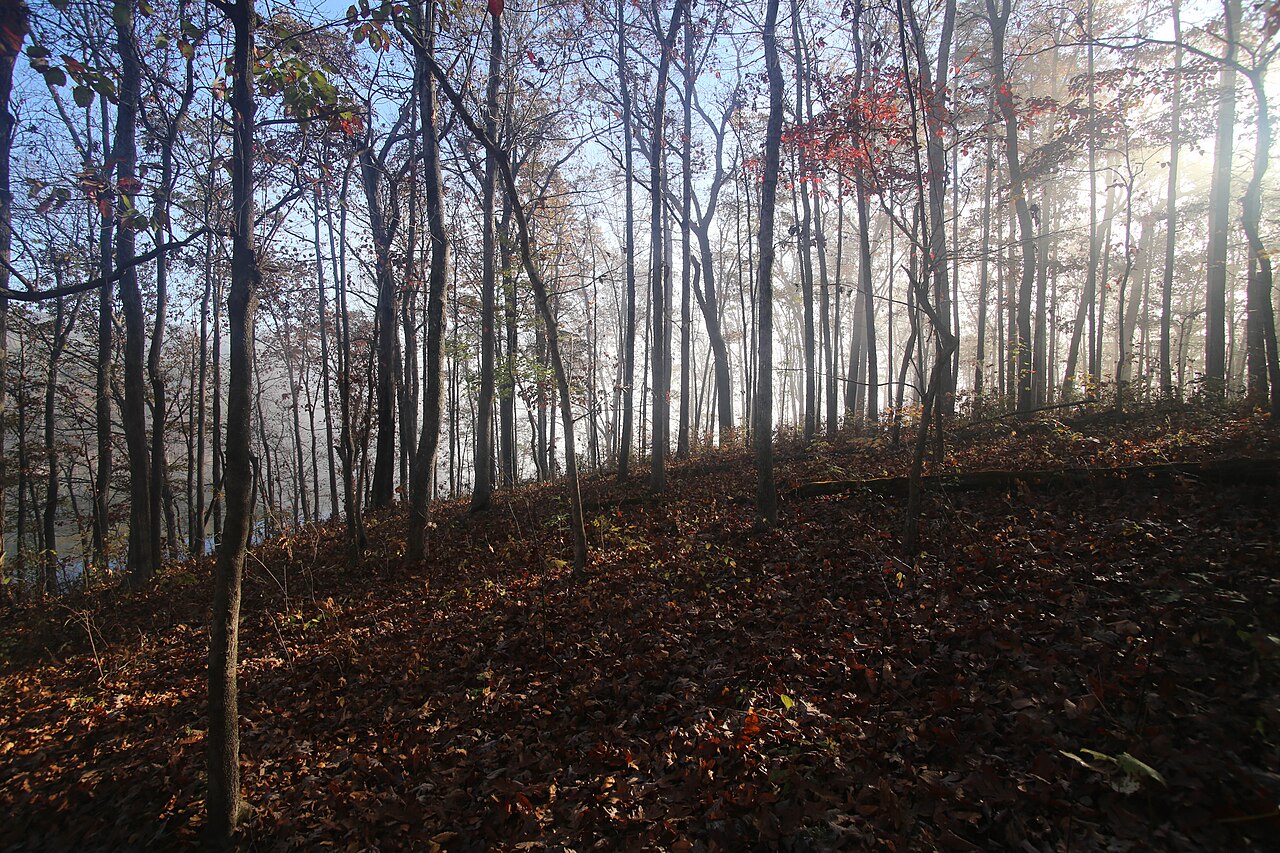
If you prefer to see the forest from the comfort of your vehicle, the Mark Twain National Forest offers several stunning scenic drives. The Glade Top Trail is Missouriâs only National Forest Scenic Byway, following a series of narrow ridges that offer panoramic views of the surrounding countryside. From these high points, you can see for miles over the rolling hills and deep hollows of the Ozarks. The route is particularly beautiful in the fall when the colors are changing, or in the spring when the wildflowers cover the rocky glades.
Wildlife viewing is a natural byproduct of these drives. The forest is home to white-tailed deer, wild turkeys, and a variety of birds of prey. In the more remote sections, lucky visitors might even spot a black bear or an elk. Bringing a pair of binoculars and a camera is highly recommended. The forest's diverse habitatsâfrom open glades to dense pine standsâensure that there is always something interesting to see if you move slowly and keep a watchful eye on the landscape.
Family-Friendly Adventures and Recreation Areas
Families will find plenty of accessible things to do in Mark Twain National Forest. Many of the forestâs recreation areas are designed with families in mind, offering picnic tables, swimming beaches, and easy walking paths. Locations near Rolla and Salem provide excellent spots for a day trip, where children can splash in the clear water of a creek or explore the edges of a shaded forest trail. The many caves and rock formations throughout the area provide a sense of wonder for younger explorers, though it is important to follow all forest guidelines regarding cave entry to protect sensitive bat populations.
For a more structured family outing, consider visiting the forest's developed campgrounds, which often have interpretive signs explaining the local ecology and history. Educational opportunities abound, from learning about the unique karst topography to identifying the different species of oak trees. Packing a picnic and spending a day at one of the forest lakes, such as Council Bluff Lake, offers a perfect balance of activity and relaxation for visitors of all ages.
Rainy Day Activities and Small Town Charm
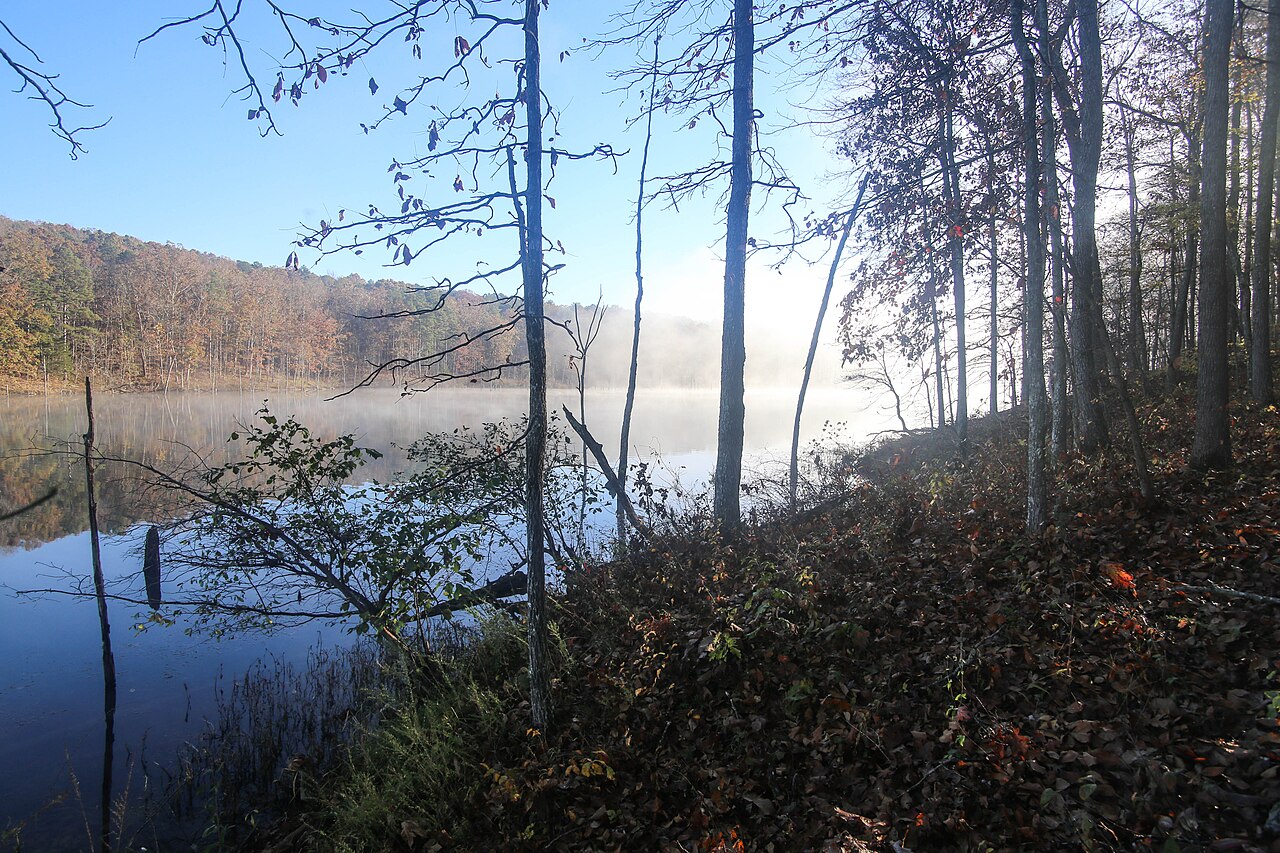
While the forest is best enjoyed in the sunshine, there are still ways to enjoy the region on a rainy day. The gateway cities like Rolla and Salem offer local museums and shops that reflect the culture of the Ozarks. You can spend a few hours learning about the mineral history of the region or browsing for local crafts and antiques. Driving the scenic routes in the rain can also be a beautiful experience, as the mist settles into the valleys and the colors of the forest become more saturated.
Some of the forest's natural features, like the larger springs, are actually quite impressive in the rain as the water levels rise and the sound of the rushing water intensifies. If you are prepared with good rain gear, a short walk to a scenic overlook can be incredibly peaceful without the usual crowds. Always monitor the weather and avoid low-water crossings during heavy downpours, as flash flooding can occur in the steep Ozark terrain. Checking the official Forest Service social media pages or website for weather alerts is a good practice for any rainy day outing.