
The Mark Twain National Forest spans a massive portion of the Missouri Ozarks, offering a diverse landscape that shifts dramatically with the turning of the calendar. Deciding on the best time to visit Mark Twain National Forest depends largely on whether you prefer the lush, humid greenery of a Missouri summer or the crisp, clear air of the autumn harvest season. While the forest is technically open year-round, the sweet spots for outdoor recreation are found during the shoulder seasons when the temperatures are mild and the natural colors of the hardwood canopy are at their most vibrant.
Spring Blooms and Rushing Waters
Spring is widely considered the best time to visit Mark Twain National Forest for those who enjoy the awakening of the forest floor. Starting in April, the dogwoods and redbuds begin to bloom, painting the limestone bluffs with splashes of white and pink. This is a prime season for hikers who want to see the forest before the summer canopy becomes too dense, allowing for long-range views through the trees.
Rainfall during the spring months also ensures that the regionâs famous springs and rivers, such as the Eleven Point River, are flowing at their peak. It is the ideal window for birdwatching as migratory species return to the Ozarks. However, visitors should be prepared for muddy trails and variable weather, as spring storms can move in quickly. Packing waterproof gear and checking the National Park Service or Forest Service websites for trail conditions is essential during these months to ensure safe passage through lower-lying river crossings.
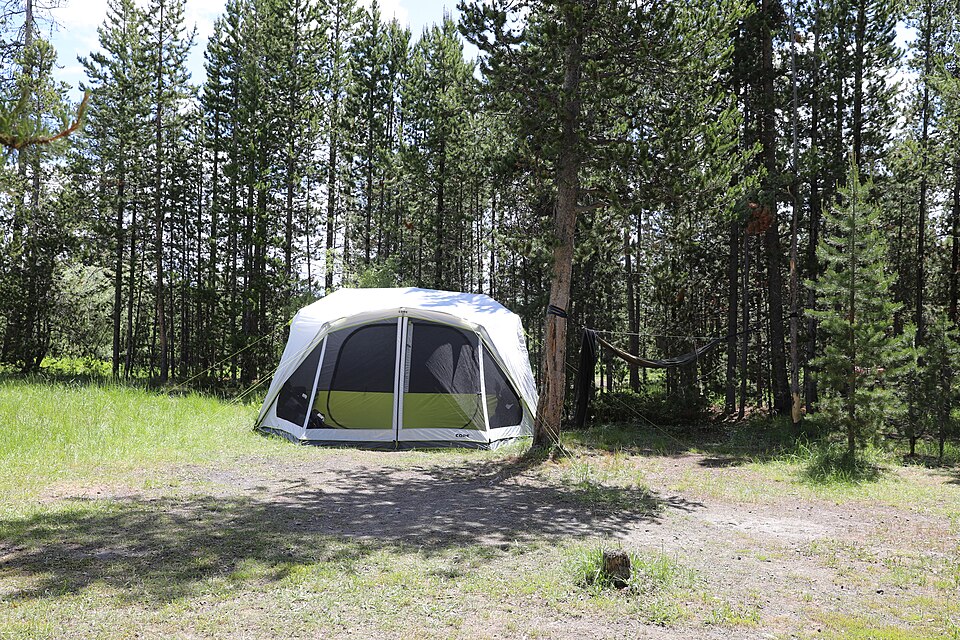
Lock in a stay for this season
RV parks near Mark Twain National Forest on RoverPass
Partner link · RoverPass
Autumn Foliage and Crisp Air
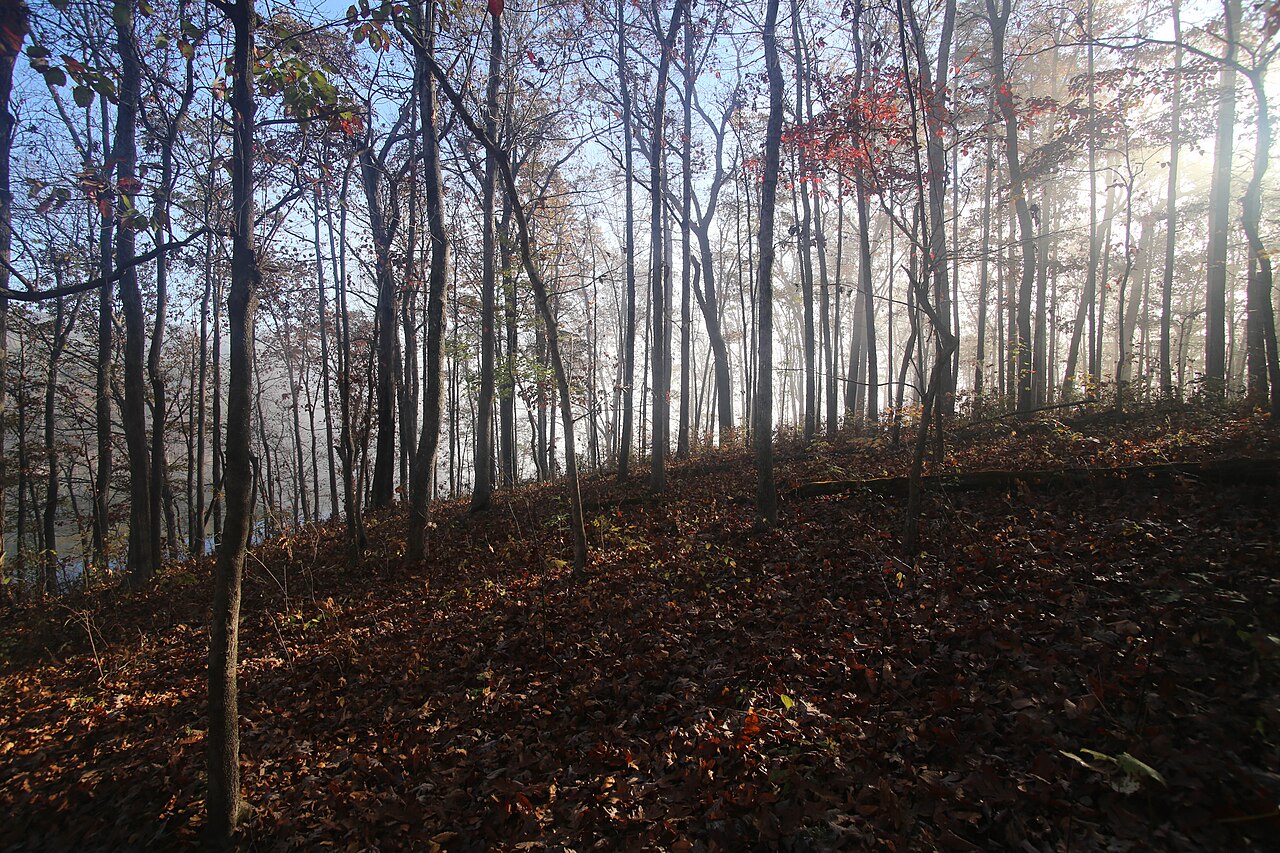
Many locals argue that the fall months of October and November provide the most scenic backdrop for an Ozark adventure. As the oak and hickory trees begin to turn, the hillsides transform into a mosaic of gold, orange, and deep crimson. The humidity of the Missouri summer dissipates, replaced by cool mornings and comfortably warm afternoons that are perfect for long-distance backpacking on the Ozark Trail.
During this time, the insect population drops significantly, making dispersed camping much more enjoyable for those who prefer to stay deep in the woods. The clear fall skies also provide some of the best stargazing opportunities in the Midwest, away from the light pollution of major cities. Because this is a popular time for photography and leaf-peeping, you may find that developed campgrounds near the most popular trailheads fill up faster than usual, so arriving early in the week is a smart strategy for those seeking solitude.
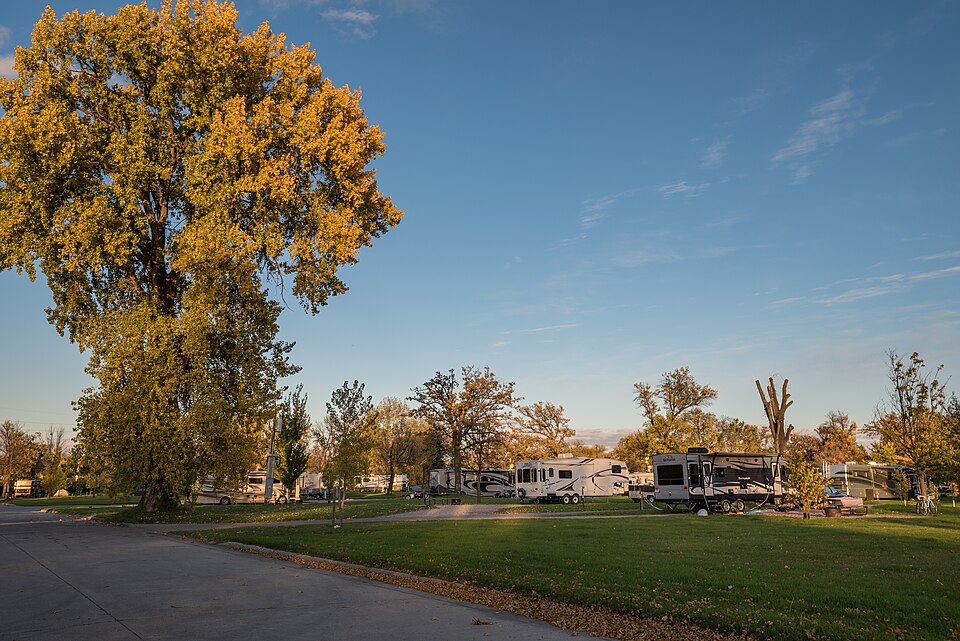
Lock in a stay for this season
Campsites near Mark Twain National Forest on Campspot
Partner link · Campspot
Summer Recreation and River Life
Summer in the Mark Twain National Forest is defined by the heat and the water. While temperatures can soar into the nineties with high humidity, the forest offers refuge in its many cold-water springs and shaded river corridors. Floating the rivers in a canoe or kayak is the quintessential Missouri summer activity. The thick forest canopy provides a natural umbrella, keeping the interior of the woods several degrees cooler than the surrounding open farmland.
However, summer is also the peak season for biting insects and ticks, so visitors must come prepared with appropriate repellents and clothing. The undergrowth becomes very dense, which can make off-trail exploring difficult. Despite the heat, this is the most popular time for families to visit the recreation areas and swimming holes. If you plan to visit during a summer weekend, expect more company at the popular sites and consider exploring the more remote sections of the 1.5 million acres to find your own quiet corner of the wilderness.
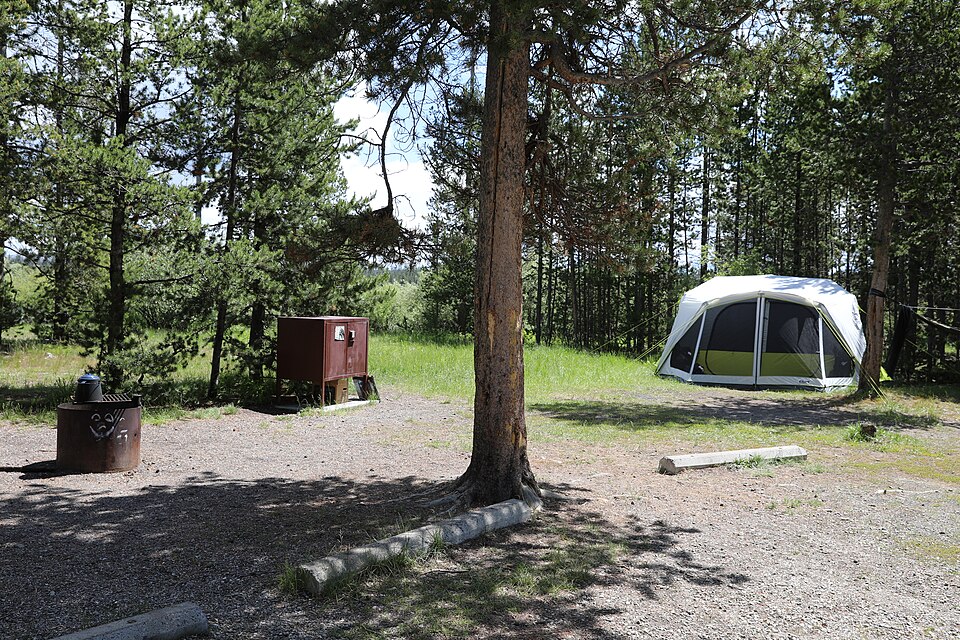
Lock in a stay for this season
Harvest Hosts stays on the way to Mark Twain National Forest
Partner link · Harvest Hosts
Winter Solitude and Clear Vistas
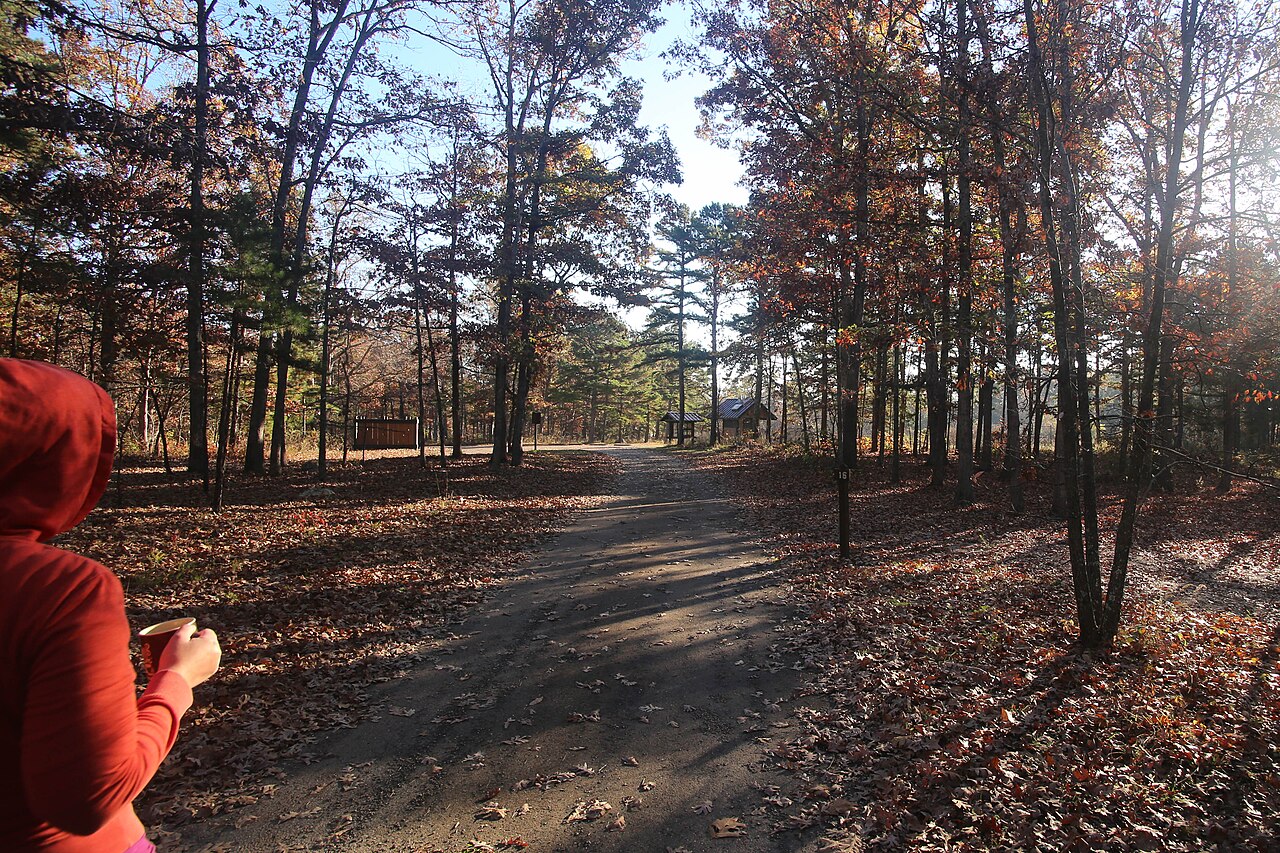
Winter offers a completely different perspective on the Ozark landscape. Once the leaves have fallen, the unique geological features of the regionâthe rugged limestone outcroppings, sinkholes, and hidden cavesâbecome much more visible. The forest is quiet, and the trails are largely empty, providing a sense of true wilderness that is hard to find during the busier months. While snow is not constant, the forest does see occasional dustings that turn the rolling hills into a serene white landscape.
Temperatures can drop well below freezing, so winter visitors need to be self-sufficient and well-prepared with cold-weather gear. Many of the developed water systems in campgrounds are turned off during the winter to prevent pipe bursts, so checking the official Forest Service site for current facility status is vital. For the prepared traveler, a winter hike offers crisp air, unobstructed views of the river valleys, and the peaceful sound of the wind through the pines.
Crowds and Reservation Timing
Navigating the crowds in such a massive forest requires a bit of planning. The most popular areas, like the Greer Spring or the trails near the Current River, see the highest traffic during holiday weekends in the summer and peak foliage weekends in October. If you are looking for a quiet experience, midweek visits are always recommended. Most of the forest does not require permits for day use or dispersed camping, but developed campgrounds with electrical hookups for RVs often operate on a first-come, first-served basis or through a centralized reservation system.
For those planning a trip during the peak spring or fall seasons, it is wise to secure your lodging or campsite several weeks in advance. If you find the main areas crowded, remember that the Mark Twain National Forest is divided into several non-contiguous units; moving to a less-visited section like the Cedar Creek or Cassville units can provide a much more secluded experience even during the busiest times of the year.
More ways to book Mark Twain National Forest
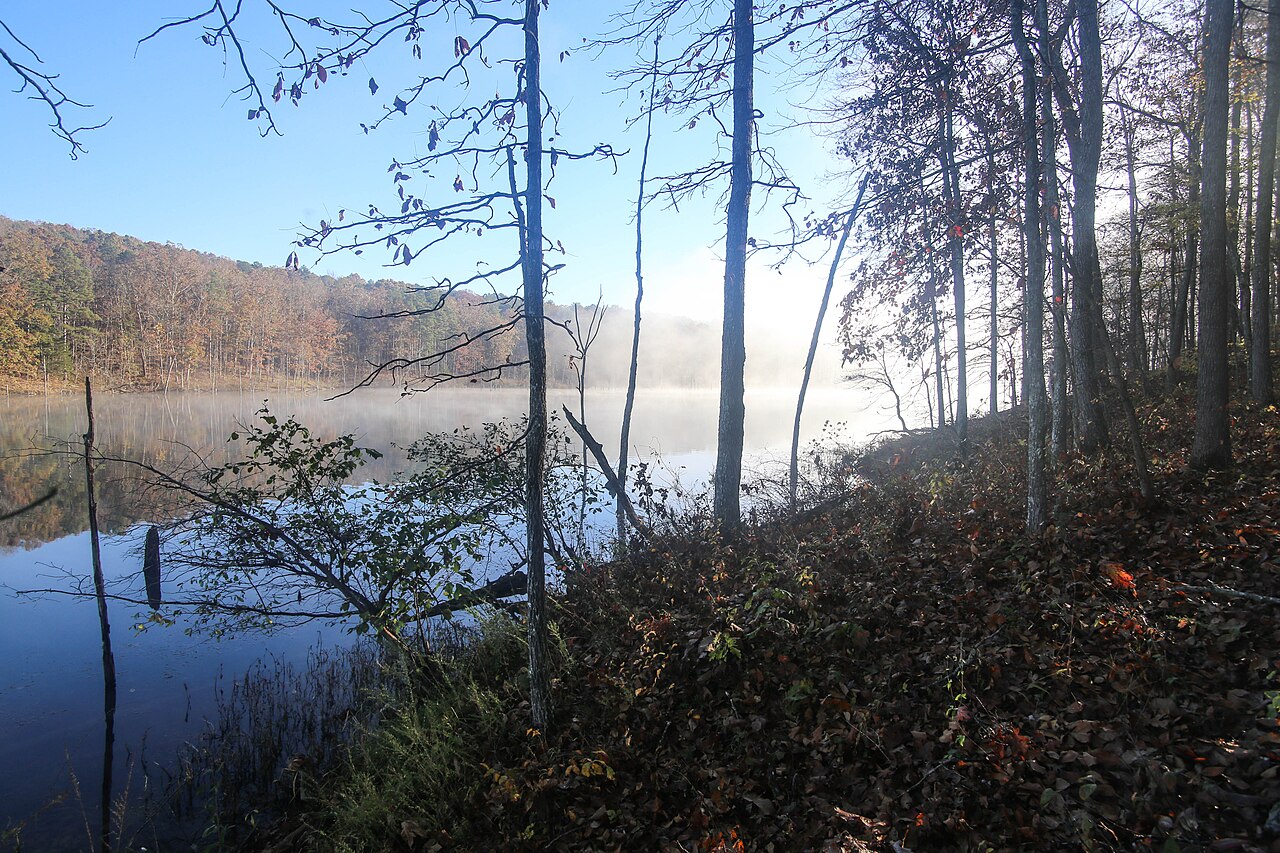 Illustrative · Paul Sableman
Berryman Trail Biking
One of the classic ways to experience Mark Twain National Forest.
Varies (estimate)
Partner link · Viator