
Mammoth Lakes glamping is less about one standard accommodation type and more about finding the right balance of outdoor setting and everyday comfort. Your options may include furnished tent-style stays, cabins, or equipped trailers in the broader eastern Sierra, depending on current availability. Look closely at the location and amenities: a bed near the mountains does not automatically come with heat, a private bathroom, or easy winter access.
Know What a Glamping Listing Actually Includes
Around Mammoth Lakes, the word glamping can describe very different stays. A furnished tent may provide a real mattress but shared campground bathrooms, while a cabin may have solid walls, heating, and a kitchenette. An equipped trailer can offer another middle ground, though water, power, and bathroom arrangements depend on the site. Search by essential features rather than relying on the label alone.
Before booking, verify bedding, towels, heat, electrical outlets, drinking water, cooking equipment, and the distance to toilets and showers. Ask whether the bathroom is private, shared, or outside, and whether those facilities operate throughout your dates. Photos may not reveal how close neighboring sites are or whether parking is beside the unit. Review food-storage instructions, too: tent fabric and a convenient porch are not substitutes for the storage methods required in bear country.
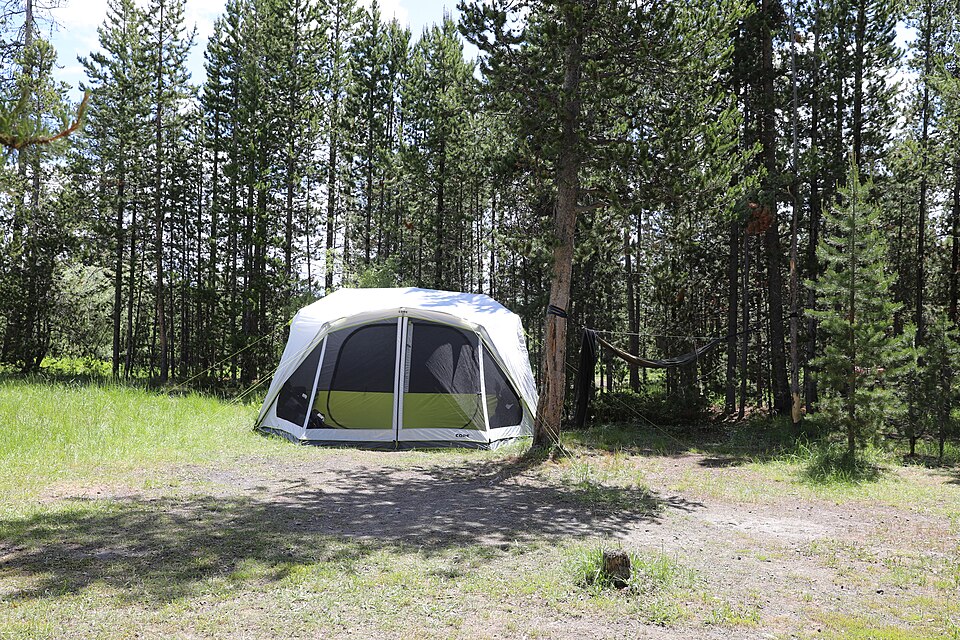
Choose Between Mammoth, June Lake, and Lower Elevations
Start with Mammoth Lakes if your priority is access to town services, the Lakes Basin, or mountain activities. Properties described as near Mammoth may sit outside town, so map the exact address against your planned outings. A wooded setting can be appealing, but it may also mean colder nights, seasonal access, or a longer trip for groceries than you expected.
June Lake and the surrounding US 395 corridor offer another base for lake scenery and eastern Sierra exploring. Farther south, the Bishop area can suit travelers who want lower-elevation surroundings and a broader road-trip base, though it adds driving to Mammoth activities. Do not assume every area has furnished tents or the same accommodation selection. Compare actual listings, road access, and amenities, and remember that a lower-elevation stay can have much warmer summer afternoons than the mountain lakes.
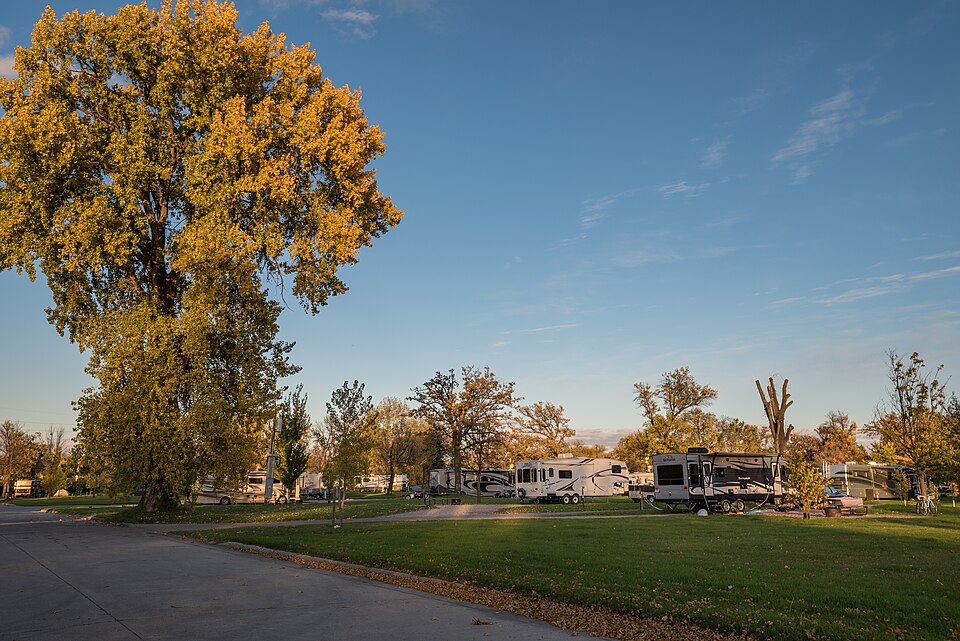
Match Your Stay to the Season
Summer is usually the simplest season for a tent-style stay near Mammoth Lakes, with broader recreation access and more seasonal facilities operating. Even then, nights can feel cold, and afternoon storms may bring rain and wind. Ask about extra blankets, weatherproofing, and where you can sit or cook when the weather turns. A covered outdoor area is useful but is not the same as an enclosed room.
Early fall can be appealing for quieter evenings and foliage outings, but freezing temperatures become a more important consideration. Spring may bring lingering snow, muddy grounds, and delayed openings. For winter, prioritize accommodations explicitly operated for winter use, with reliable heating, maintained access, and clear parking instructions. Confirm whether plumbing and bathrooms remain available during freezing weather. Check official forest conditions and road updates before departure, even if your accommodation itself remains open.
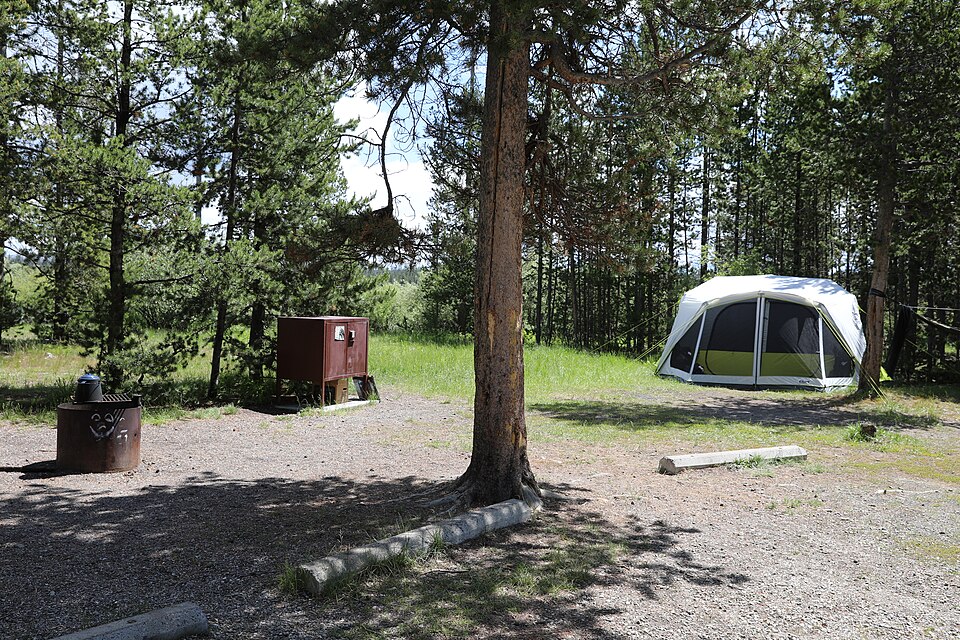
Compare Glamping, Traditional Camping, and RV Stays
Glamping makes sense when you want an outdoor setting without transporting a full sleeping setup. It can simplify arrival, but furnished units often cost more than a basic campsite; that is a rough planning expectation, not a rule for every property or date. Compare the total quote, including cleaning charges, bedding, parking, and any required extras, rather than only the advertised nightly amount.
Traditional camping offers more control over gear and may reduce lodging costs if you already own equipment. It also means setting up shelter, managing cold nights, and bringing cooking supplies. RV travel provides enclosed living space, but requires checking vehicle access, site length, hookups, dumping arrangements, and rental logistics. Not every campsite has utility connections. For any option, compare the bathroom setup and food-storage requirements carefully. Comfort depends more on those practical details than on the accommodation's marketing category.
Book Carefully and Plan Your Outdoor Routine
Book early once dates are firm for summer weekends and holidays, especially if you need a private bathroom, pet-friendly rules, or space for a family. Read cancellation terms and ask what happens if nearby roads close or smoke affects recreation; policies vary, and an outdoor trip does not automatically qualify for a refund. For public campgrounds, use official forest information and linked reservation systems.
Build a simple routine around your stay: breakfast at camp if cooking is permitted, an early outing, and a return before darkness makes an unfamiliar site harder to navigate. Bring a headlamp, warm layers, and footwear suitable for uneven ground even when bedding is supplied. Follow current fire restrictions rather than assuming a fire ring permits a campfire. Check the Inyo National Forest and relevant NPS websites for conditions, recreation rules, and reservations before setting out.