
The best time to visit Mammoth Lakes depends on whether you want open hiking trails, autumn color, or snow on the mountain. Summer is the most straightforward choice for lakes and high-country walks, while fall brings cooler outings and winter centers on skiing. Spring can offer a useful mix of snow sports and lower-elevation exploring, but access changes considerably with the snowpack.
Spring: Snow Sports and a Slow Mountain Thaw
Spring in Mammoth Lakes is a transition, not an automatic start to hiking season. Mammoth Mountain often keeps skiing into spring, while shaded trails and the Lakes Basin can remain snowy. Lower elevations around the eastern Sierra may offer more accessible walks, but conditions vary sharply with elevation and the previous winter's snowfall. Pack layers for cold mornings and stronger afternoon sun.
For a flexible visit, pair a ski day with scenic stops along US 395 rather than building every day around alpine trail access. Roads into higher recreation areas may still be closed, and a trail shown on a map is not necessarily walkable without winter equipment. Spring break periods can bring busy slopes and lodging demand. Check Mammoth Mountain's official operating information and the Inyo National Forest website before choosing dates or committing to a trail.
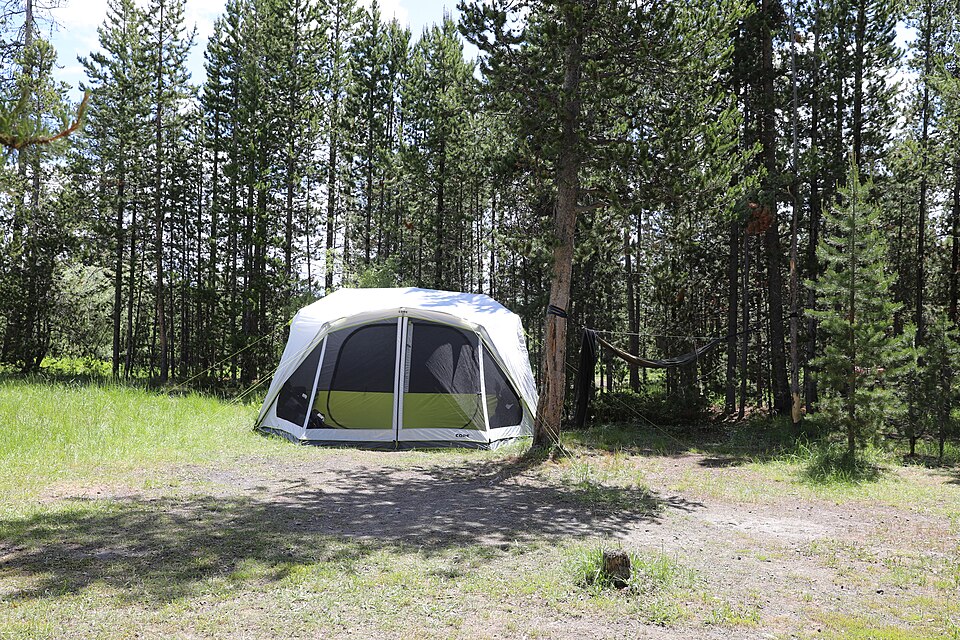
Summer: The Easiest Season for Lakes and Hiking
Summer generally offers the broadest access to Mammoth Lakes' classic outdoor experiences: the Lakes Basin, forest trails, and excursions toward Devils Postpile and Reds Meadow. Higher trails can retain snow into early summer, especially after a heavy winter. By midsummer, visitors usually have more hiking choices, although afternoon thunderstorms, wildfire smoke, and temporary closures can still alter plans.
Start longer hikes early, carry rain protection, and leave room to turn around rather than chasing a fixed mileage target. Lake Mary, Lake George, and Twin Lakes make useful anchors for shorter outings and picnic stops. Summer weekends and holiday periods are popular, so reserve lodging or campsites once your dates are firm. For Devils Postpile, check the official NPS site for current road access, shuttle requirements, operating dates, and closures; these details can change between seasons.
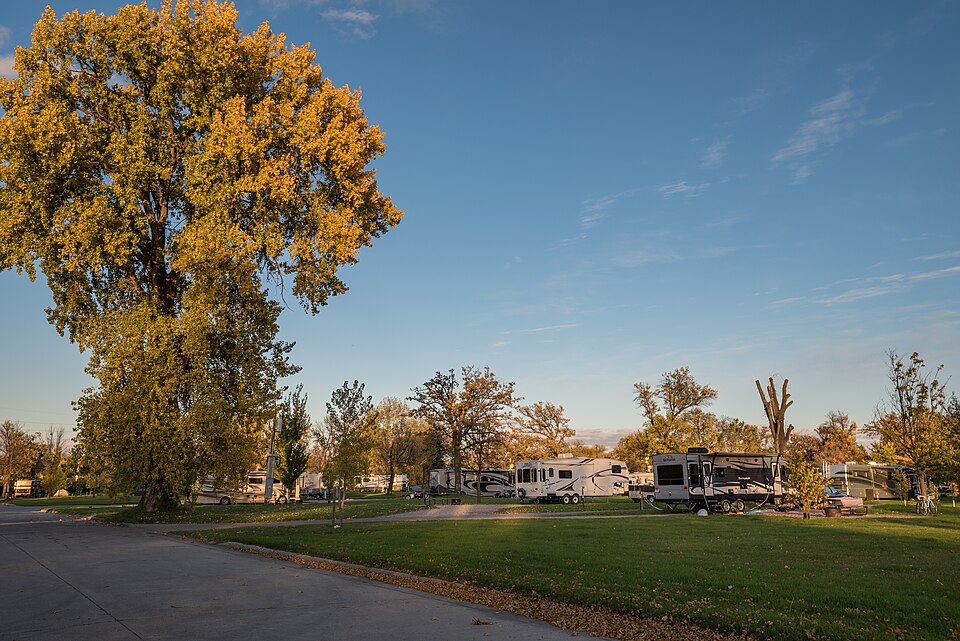
Fall: Aspen Color and Cooler Trail Days
Fall suits travelers who value crisp mornings, quieter weekdays, and walks framed by yellow aspens. Color typically develops during September and October across the eastern Sierra, but elevation and weather determine where it looks strongest on any particular day. Mammoth Lakes, nearby June Lake Loop, and the routes toward Convict Lake offer varied settings without requiring an ambitious backcountry hike.
Early fall can preserve much of summer's trail access, while later trips need a stronger backup plan for snow, freezing nights, and seasonal road closures. Daylight also shortens, so a route that felt comfortable in July may require an earlier start. Book ahead for popular fall weekends, especially if foliage is the main reason for traveling. Check current forest conditions before heading out, and avoid assuming that boat rentals, campgrounds, or mountain attractions will maintain summer operations.
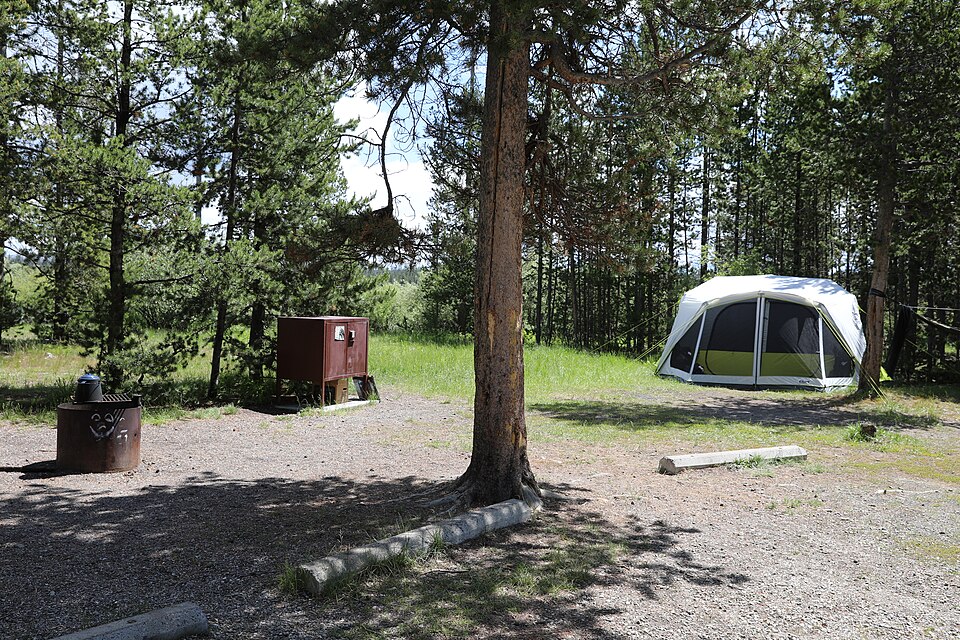
Lock in a stay for this season
Harvest Hosts stays on the way to Mammoth Lakes
Partner link · Harvest Hosts
Winter: Plan Around Skiing and Storms
Winter is the right season if skiing or snowboarding is the priority. Mammoth Mountain is the area's major draw, and town becomes a base for slope days, snowy scenery, and quieter evenings indoors. Snowshoeing and cross-country skiing can broaden a trip, but use designated routes and current local guidance rather than treating summer hiking trails as ready-made winter walks.
Storms can affect US 395 and local roads, with chain controls or closures disrupting arrival plans. Carry the equipment required for your vehicle and check Caltrans road information before driving. Holiday periods and winter weekends draw substantial demand, so arrange lodging and any lessons well ahead. Choose accommodations with clear winter parking instructions and convenient access to transportation. A weather buffer is especially valuable before an important flight; mountain travel times are estimates, not promises.
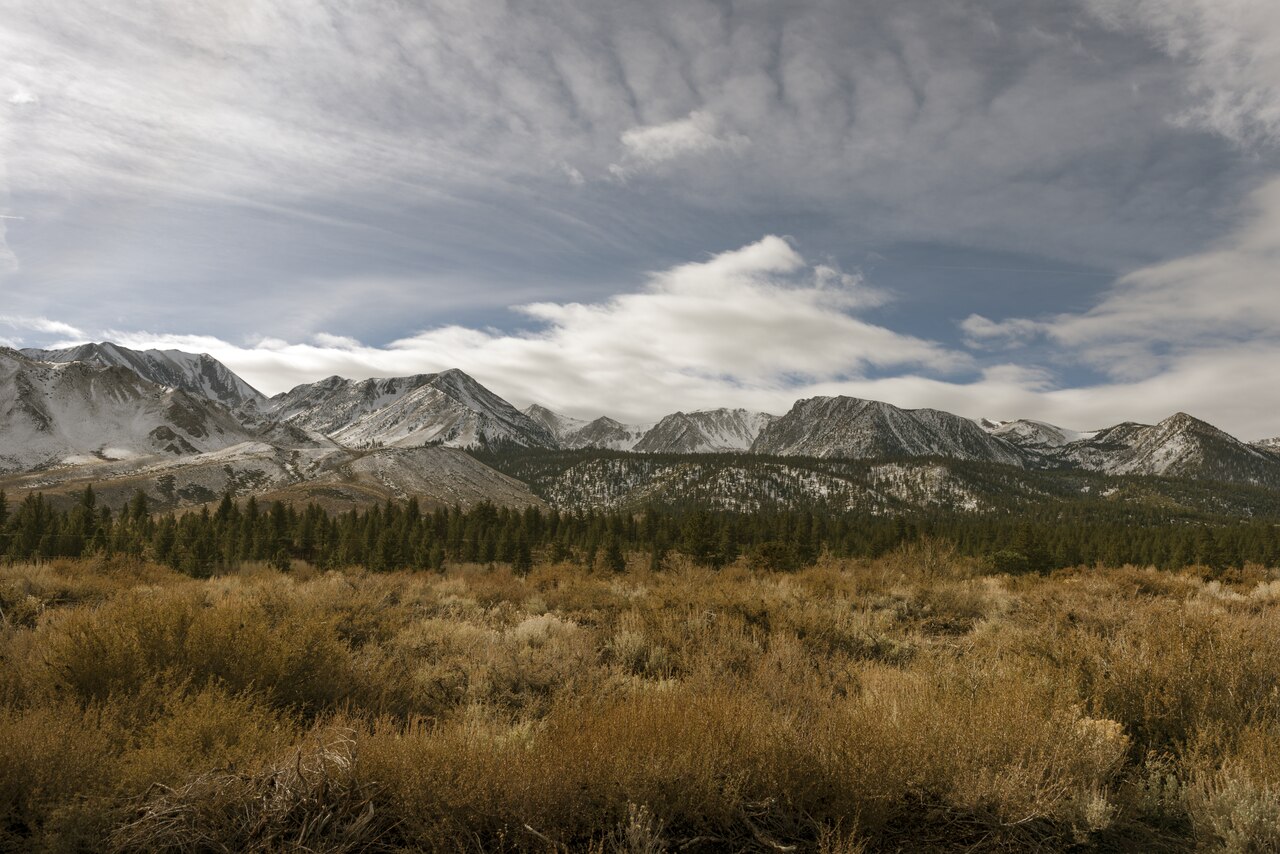
When to Book and How to Choose Your Dates
For a first visit focused on hiking and lakes, aim for summer or early fall, then refine the choice around snow conditions and your tolerance for crowds. Midweek stays often feel less hectic than weekends, but popular trailheads can still fill early. If skiing matters more than trail access, choose winter or spring and accept that mountain operations depend on weather.
Reserve lodging when dates become firm, particularly for holiday periods, summer weekends, and peak ski trips. Campsites and wilderness permits follow their own release schedules; consult the official Inyo National Forest and Recreation.gov listings instead of relying on a generic booking window. Most ordinary day outings do not require an overnight wilderness permit, but individual routes and activities can have separate rules. Before departure, review official forest, park, road, and resort updates, and keep one lower-elevation alternative available.
More ways to book Mammoth Lakes
 Illustrative · Carol M. Highsmith
Devils Postpile Hike
One of the classic ways to experience Mammoth Lakes.
Varies (estimate)
Partner link · Viator