
Malibu is a place where you can truly escape the city bustle and immerse yourself in the natural beauty of the California coast. Located just 40 minutes from Los Angeles International Airport (LAX), it is an accessible yet transformative destination for a long weekend. This itinerary balances the thrill of mountain hiking with the relaxation of pristine beaches, ensuring you experience the full breadth of what this iconic region has to offer. Pack your hiking boots and your swimsuit, as youâll be needing both.
Day 1: Arrival and Iconic Coastal Views
After landing at LAX, pick up your rental car and head north through Santa Monica onto the Pacific Coast Highway. The roughly 23-mile drive is your introduction to the coast. Your first stop should be the Santa Monica Mountains National Recreation Area. Begin with an afternoon hike at Solstice Canyon. This trail is perfect for shaking off jet lag, offering a shaded path that leads to the remains of a historic home and a small waterfall. Itâs an easy-to-moderate walk that highlights the areaâs unique flora.
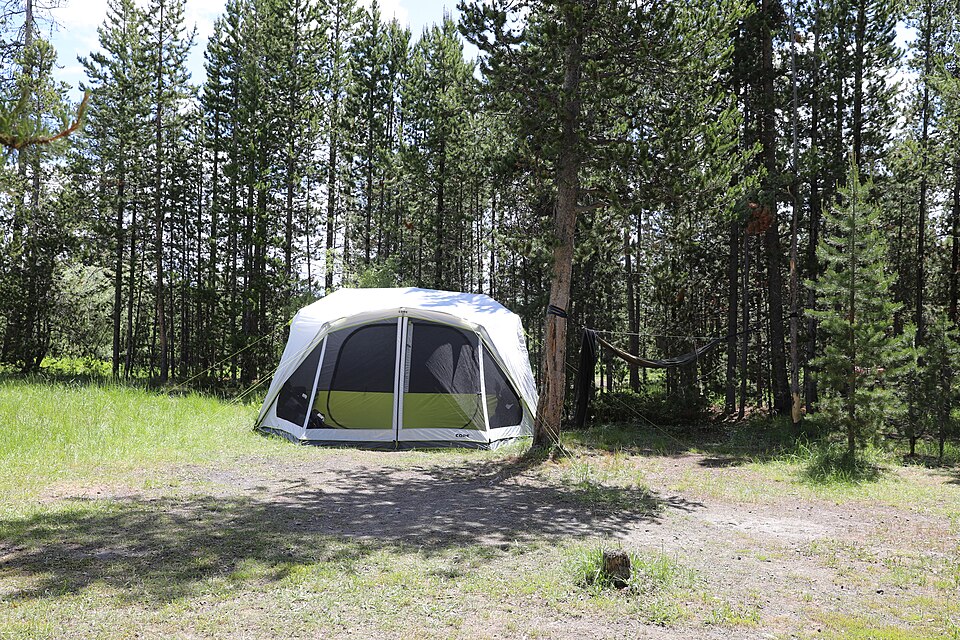
For sunset, head to the Malibu Pier. Walk to the end of the wooden planks to watch the surfers at Surfrider Beach as the sky turns shades of pink and orange. For dinner, explore the nearby area for local seafood or fresh coastal fare. If you are camping, make your way to Malibu Creek State Park or Leo Carrillo to set up camp under the stars. The first day is all about acclimating to the salt air and the slower pace of life along the water.
Day 2: Canyons, Peaks, and Secluded Sands
Start your second day early to beat the heat and the crowds. Head inland to the Mishe Mokwa Trailhead for a hike to Sandstone Peak. As the highest point in the Santa Monica Mountains, it offers unparalleled views of the coastline and the interior valleys. The loop trail takes about three to four hours, so bring plenty of water and snacks. The rocky terrain and chaparral landscape provide a stark, beautiful contrast to the beach scenery you saw on Day 1.
After your hike, drive back down to the coast for a well-deserved afternoon of relaxation at El Matador State Beach. This is one of the most photographed beaches in California, known for its dramatic sea stacks, arches, and hidden caves. It requires a walk down a steep staircase, but the scenery is worth every step. Spend the rest of the day exploring the tide pools or simply lounging on the sand. In the evening, consider a scenic drive further north toward the Ventura County line, where the coastline becomes even more rugged and undeveloped.
Day 3: Marine Life and Historic Sites
On your final day, focus on the unique marine environment of the region. Start your morning at Point Dume State Beach. Take the bluff-top trail for a chance to spot dolphins or, if you are visiting between December and April, migrating Gray Whales. The view from the top of the cliff looking back toward Santa Monica is one of the best in the state. If you're feeling adventurous, you can descend to the beach below for some final sunbathing or a quick dip in the Pacific.
Before heading back toward the airport, stop by the Malibu Lagoon State Beach. This area is a critical habitat for migratory birds and offers a peaceful boardwalk through the wetlands. Itâs a great place for some quiet reflection before re-entering the bustle of Los Angeles. If you have time, visit the Adamson House and Malibu Lagoon Museum to learn about the area's rich history, including its famous tile industry. As you drive back south through Santa Monica toward LAX, you'll carry the spirit of the Pacific with you.
Travel Tips for a Smooth Trip
To make the most of your Malibu itinerary, transportation and timing are everything. While ride-sharing services are available, having your own vehicle is highly recommended as public transit is limited and many trailheads are located deep in the canyons. Be mindful of the "PCH" traffic; the highway is a major artery, and peak commute hours can significantly add to your travel time. Always aim to travel during off-peak hours to maximize your time in nature.
Budgeting for your trip is also important. While beach access is generally free, many state parks and beach lots require a daily parking fee. These fees contribute to the maintenance of the trails and facilities, so consider them a contribution to conservation. A rough daily budget of $350 covers moderate dining, fuel, and site fees, though this can vary based on your choice of accommodation. Lastly, cell service can be spotty in the deep canyons, so download your maps and trail guides for offline use before you leave the main highway.
Safety and Environmental Stewardship
When exploring Malibu's outdoor spaces, safety should be your top priority. The Santa Monica Mountains are prone to high temperatures, so heat exhaustion is a real risk. Always carry more water than you think you need and wear sun protection. Be aware of your surroundings; rattlesnakes are native to the area and are often found sunning themselves on trails during the warmer months. Simply give them a wide berth and they will usually move on.
Practicing "Leave No Trace" principles is essential to keeping Malibu beautiful for future visitors. Stay on marked trails to prevent erosion and protect sensitive plant life. Pack out all trash, including organic waste like fruit peels. The coastline is a protected marine area, so avoid disturbing wildlife or removing shells and rocks from the beaches. By respecting the natural environment and checking the official NPS or California State Parks websites for the latest alerts and closures, you ensure a positive experience for yourself and the ecosystem.

More ways to book Malibu
 Illustrative · Diego Angel
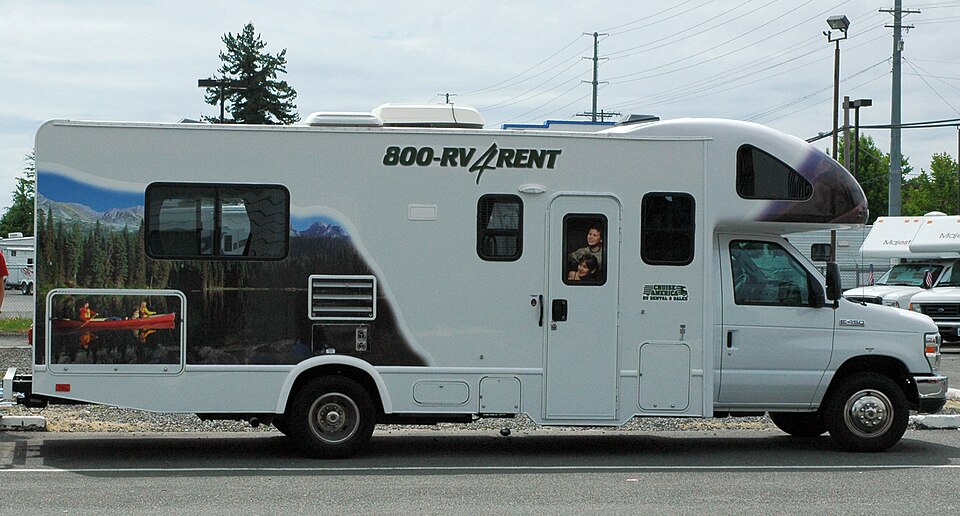
Sprinter Adventure Van
Small enough to park at the trailhead, comfy enough to sleep in.
$189/day (estimate)
Direct link · RVshare