
Choosing the best time to visit Malibu depends entirely on whether you are coming for the legendary surf, the wildflower-laden canyon trails, or simply to enjoy the golden Southern California sunshine. While the region is famous for its year-round Mediterranean climate, seasonal shifts bring unique experiences, from the crisp air of early spring to the warm, lingering sunsets of the fall. Visitors should prepare for microclimates where the coast remains cool and misty while the inland canyons heat up rapidly under the bright Pacific sun.
Spring Blooms and Coastal Breezes
Spring, particularly from March through May, is arguably the most beautiful season in Malibu. As the winter rains taper off, the Santa Monica Mountains transform into a vibrant green landscape dotted with purple lupine and bright orange California poppies. This is an ideal time for hikers to hit trails like Solstice Canyon or the Mishe Mokwa Trail to Sandstone Peak, as temperatures are mild, typically hovering in the high 60s to low 70s.
The ocean water remains quite chilly during these months, so swimmers will likely want a wetsuit. However, the air is refreshing, and the heavy summer crowds have yet to arrive, making it easier to find parking at popular trailheads. You may encounter the occasional "May Gray" marine layer, where clouds sit low over the Pacific until midday, but this often keeps hiking temperatures comfortable before the sun breaks through in the afternoon. It is a season of renewal and quiet beauty before the summer rush begins.
Summer Sun and Beach Culture
Summer is the peak season for Malibu, drawing visitors from across the globe to iconic stretches like Zuma Beach and Point Dume. From June through August, the weather is reliably warm and dry, with temperatures often reaching the 80s. This is the prime time for sunbathing, beach volleyball, and long days spent by the water. The famous "June Gloom" can occasionally persist into July, bringing foggy mornings that burn off by lunch, but once the sun is out, the coastline is spectacular.
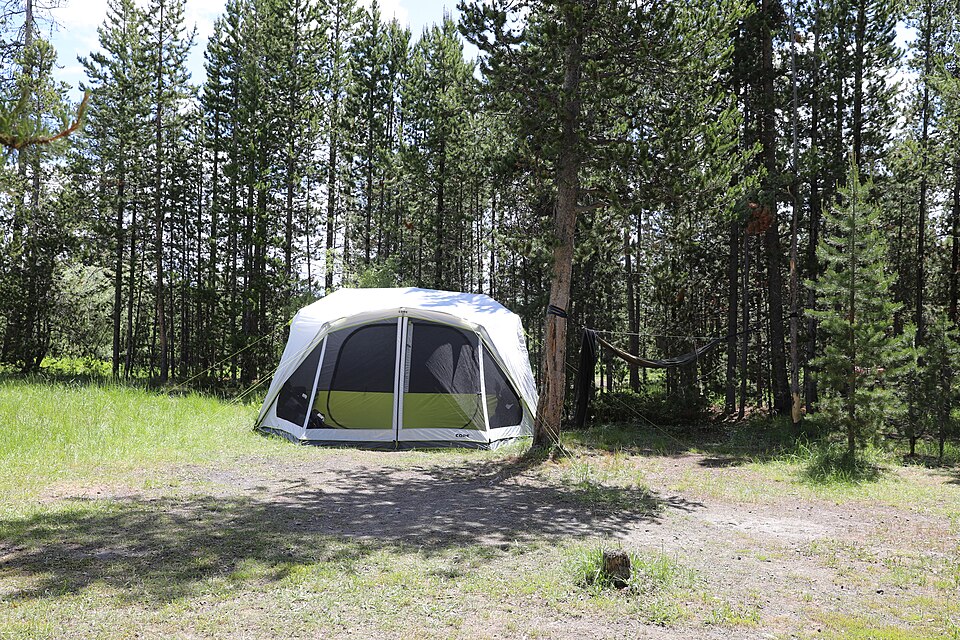
Because this is the most popular time to visit, planning is essential. Parking lots at major beaches fill up early in the morning, and the Pacific Coast Highway experiences significant traffic, especially on weekends. If you plan to camp at places like Leo Carrillo or Malibu Creek State Park, reservations should be made months in advance through the official state park system. Despite the crowds, the energy of a Malibu summer is unmatched, offering that classic California atmosphere of surfboards, salt air, and vibrant sunset bonfires.
Fall: The Local's Favorite Season
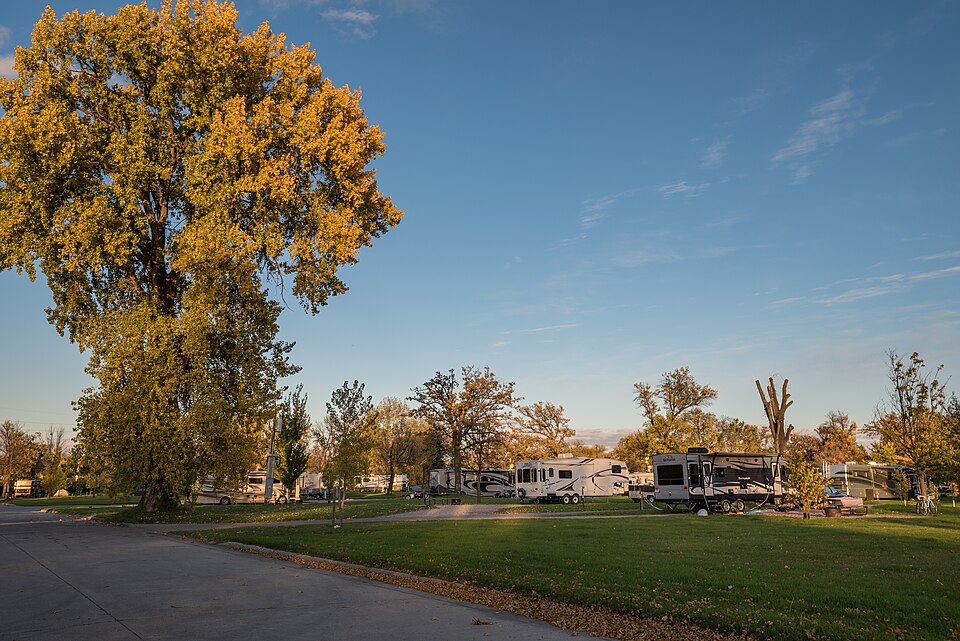
Many locals consider September and October the best time to visit Malibu. The intense summer crowds dissipate as schools return to session, yet the weather often remains warmer than in mid-summer due to the Santa Ana winds. The ocean water has had all summer to warm up, making it the most comfortable time for swimming and surfing without a heavy wetsuit. The clarity of the air during the fall also provides the most stunning views of the Channel Islands on the horizon.
Fall is also excellent for road trips along the Pacific Coast Highway. With less traffic, the drive from Santa Monica toward the Ventura County line is much more relaxing. However, be aware that this is also the start of the dry season; hikers should check for fire restrictions or occasional trail closures due to high wind events. Overall, the combination of warm water, clear skies, and a quieter pace makes autumn a premium window for an outdoor-focused trip to the California coast.
Lock in a stay for this season
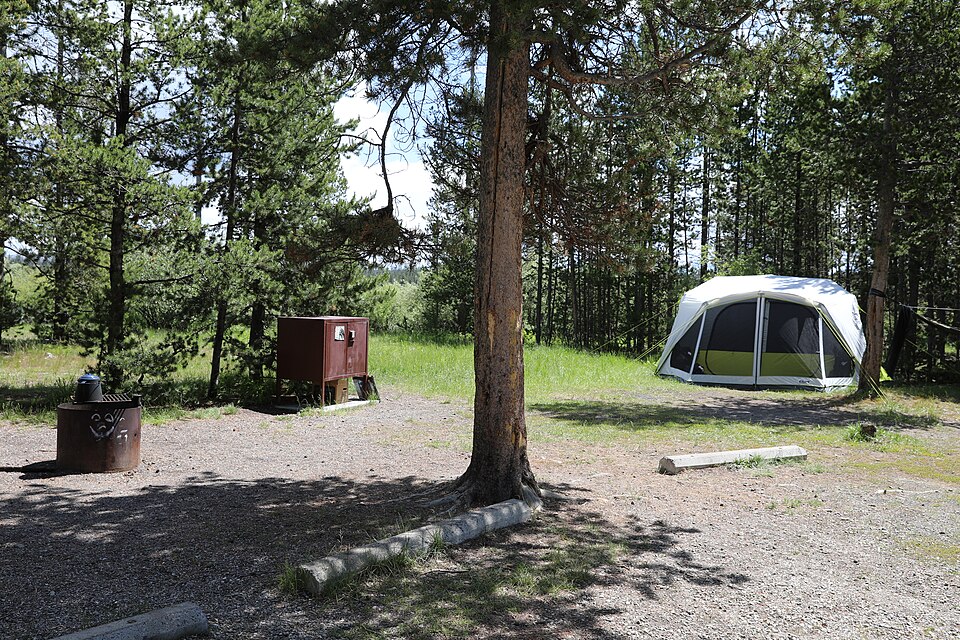
Harvest Hosts stays on the way to Malibu
Partner link · Harvest Hosts
Winter Whale Watching and Quiet Canyons
Winter in Malibu, spanning December through February, brings a different kind of magic. While it is the rainiest time of year, storms are usually brief and followed by exceptionally clear blue skies. Daytime temperatures usually sit in the mid-60s, which is perfect for vigorous hiking without the risk of overheating. One of the primary draws of winter is the Pacific Gray Whale migration. From high vantage points like Point Dume State Beach, visitors can often spot whales breaching as they travel south to Baja California.
The beaches are at their quietest during these months, offering a sense of solitude that is hard to find during the rest of the year. While the water is too cold for most swimmers, the winter swells bring out experienced surfers looking for larger waves. Accommodations and campsites are generally easier to book, though you should always monitor the weather, as heavy rains can occasionally lead to mudslides in the canyons. For those who prefer brisk air and dramatic coastal scenery, winter is a hidden gem.
Navigating Crowds and Reservations
Regardless of when you choose to visit, timing your daily activities is key to avoiding the heaviest congestion. During the late spring and summer, arriving at popular outdoor spots before 8:00 AM is highly recommended to secure a parking spot and enjoy the trails before the midday heat. Weekend traffic on the Pacific Coast Highway can be intense, so if your schedule allows, a mid-week visit will offer a much more serene experience.
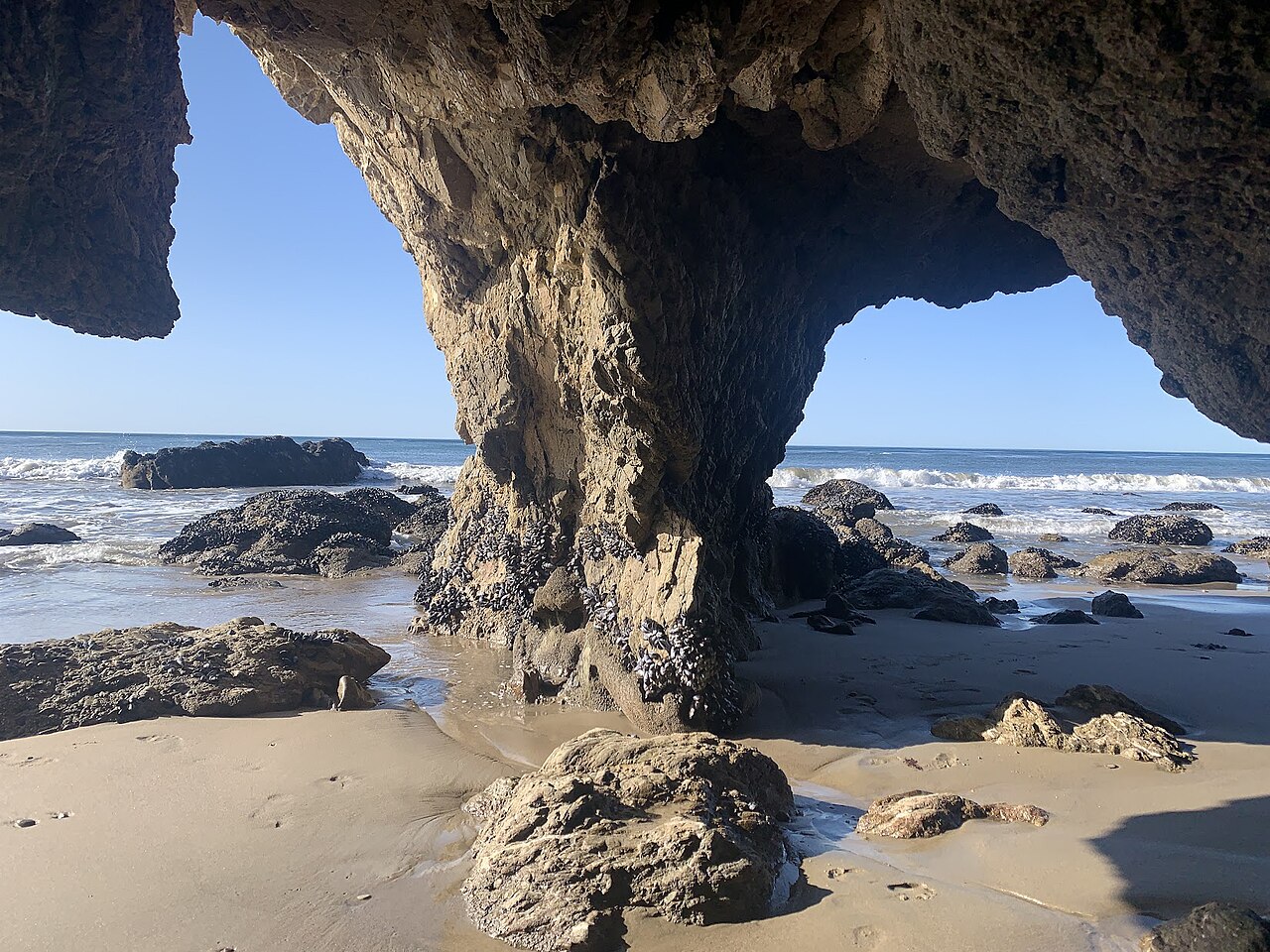
For those looking to stay overnight, Malibuâs proximity to Los Angeles means that campgrounds and specialized outdoor lodging fill up extremely fast. Always check the California State Parks website or the National Park Service portal for the Santa Monica Mountains National Recreation Area to book your spots well in advance. Keep in mind that permit requirements for certain backcountry areas or group sites can change, so staying informed via official channels ensures your trip remains stress-free and environmentally responsible. Planning around the tides is also wise, as some tide pools are only accessible during low tide windows.
More ways to book Malibu
 Illustrative · JohnSweeney85
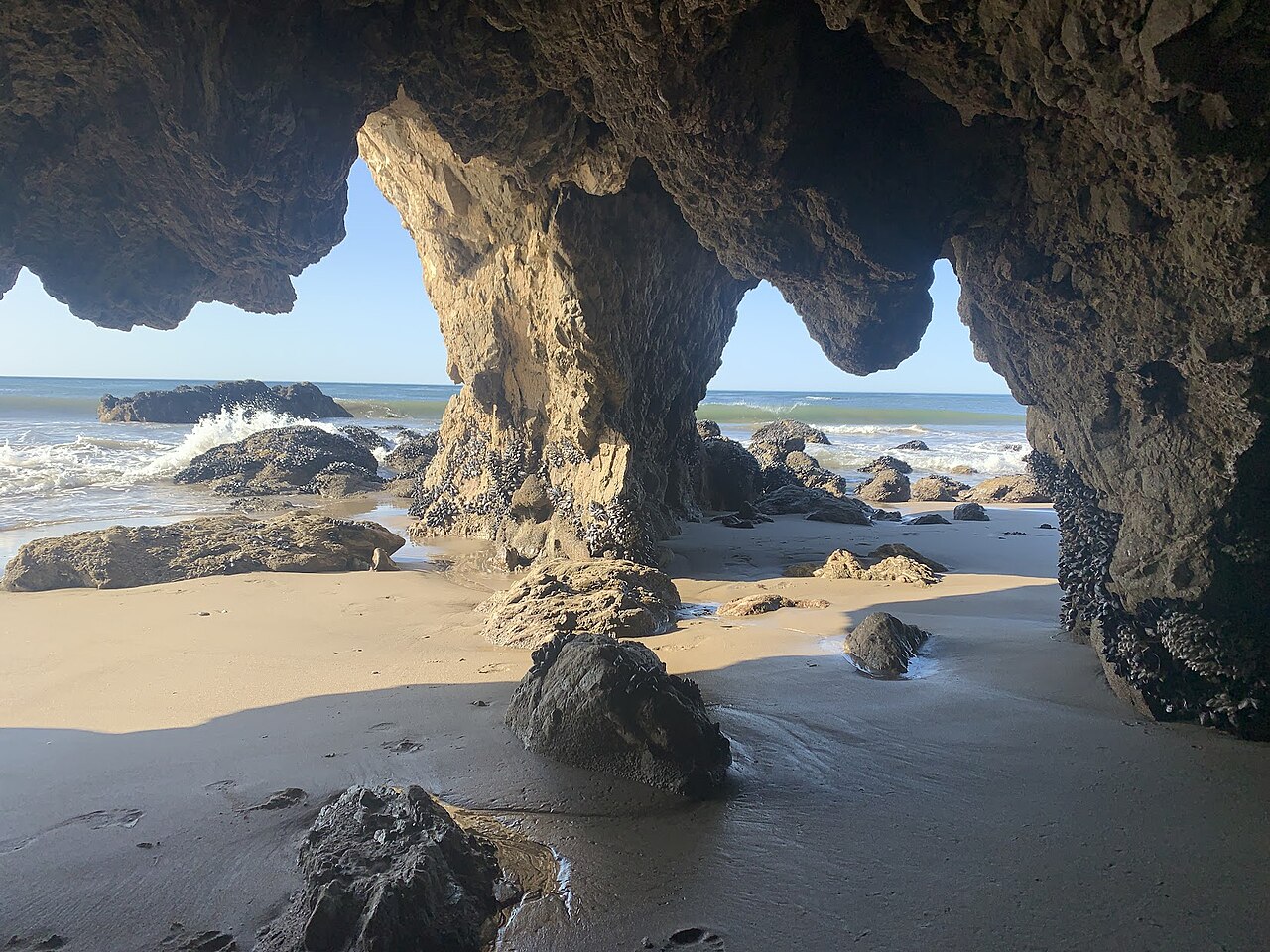
Leo Carrillo Tide Pooling
One of the classic ways to experience Malibu.
Varies (estimate)
Partner link · Viator